Table of Contents >> Show >> Hide
- Who’s Uno Tomoaki, and Why Are We Talking About a Towel Bar Like It’s Art?
- Why Fixtures and Fittings Matter in Minimalist Design
- Steel: Quiet, Serious, and Weirdly Warm When Done Right
- Brass: The Living Finish That Ages Like a Good Story
- The Japanese Minimalist Lens: Material, Proportion, and “Ma”
- Steal the Look: Translating Uno Tomoaki’s Fixtures Into Real Homes
- Entry: door pulls, handles, and the first impression handshake
- Bath: towel bars and rails that look like they belong in a gallery
- Kitchen: cabinet pulls that don’t shout, but still do the job
- Stairs + corridors: handrails as “functional sculpture”
- Lighting: less chandelier, more punctuation mark
- The overlooked hero: switch plates and outlet covers
- Sourcing the Minimalist Japanese Hardware Vibe in the U.S.
- Installation and Layout: Minimalist Hardware Still Has to Be Human-Friendly
- Common Mistakes (So You Don’t Accidentally Build a “Minimalist Museum of Regret”)
- Why This Remodelista Feature Still Hits: Calm, Character, and Craft
- Experience Notes: What It’s Like to Live With Minimalist Steel + Unlacquered Brass (Extra )
- The first week: you touch everything more than you expect
- Week two: patina becomes a personality trait
- Month one: you notice the “supporting cast” (and you can’t unsee it)
- In wet areas: maintenance becomes simpler, not harderif you set the rules
- The long-term payoff: the house feels calmer because the details stop arguing
- SEO Tags
If you’ve ever fallen down the “cabinet pull rabbit hole” at 1:00 a.m., welcomethis article is for you.
Because in a minimalist home, the small things aren’t small at all. A door pull becomes a handshake.
A towel bar becomes a tiny sculpture. A switch plate becomes… well, the thing you stare at when you’re supposed to be listening on a Zoom call.
Remodelista’s spotlight on Japanese architect Uno Tomoaki is basically a love letter to that idea:
fixtures and fittings that are simple, bespoke, and quietly dramaticespecially in raw steel and unlacquered brass.
Think: hardware that doesn’t scream for attention, but still makes everything around it look more intentional.
Who’s Uno Tomoaki, and Why Are We Talking About a Towel Bar Like It’s Art?
Uno Tomoaki is a Japanese architect known (in this Remodelista feature) for designing spare, beautifully made pieces
hardware and lighting that lean into honest materials and crisp geometry. His stated mission is succinct and very on-brand:
I’m in search of ordinary and unprecedented architecture.
That might sound like a fortune cookie until you see how it plays out in metal: familiar objects (rails, handles, sconces)
made unfamiliar through restraint, proportion, and the confidence to stop at “enough.”
The “ordinary” part is obvious: you need a door handle to open a door. The “unprecedented” part is what happens when that handle
is so well proportionedand so thoughtfully finishedthat it changes how the door feels, how the room reads, and how your whole home behaves.
Yes, your door handle can have a personality. No, it doesn’t need therapy.
Why Fixtures and Fittings Matter in Minimalist Design
Minimalism isn’t about having fewer things. It’s about having fewer random things. When a space is calm and pared back,
the details you keep become the headline. That’s why hardware gets called the “jewelry” of a kitchen or bath: it’s small, tactile,
and visually sharp enough to set the tone.
And the psychology is real: when you touch a handle twenty times a day, your brain registers whether it feels cheap, sharp, wobbly,
plasticky, awkward, cold, or oddly perfect. Minimalist architects obsess over this because the everyday is the whole point.
If the daily touchpoints feel good, the home feels good.
The minimalist paradox: less décor, more responsibility
In a maximalist room, an average switch plate can hide behind wallpaper, art, plants, and a lamp shaped like a pineapple.
In a minimalist room, the switch plate is basically center stage. That’s why Uno Tomoaki’s brass electrical plate covers
feel so satisfying: they treat the “boring parts” like they deserve a suit tailored to fit.
Steel: Quiet, Serious, and Weirdly Warm When Done Right
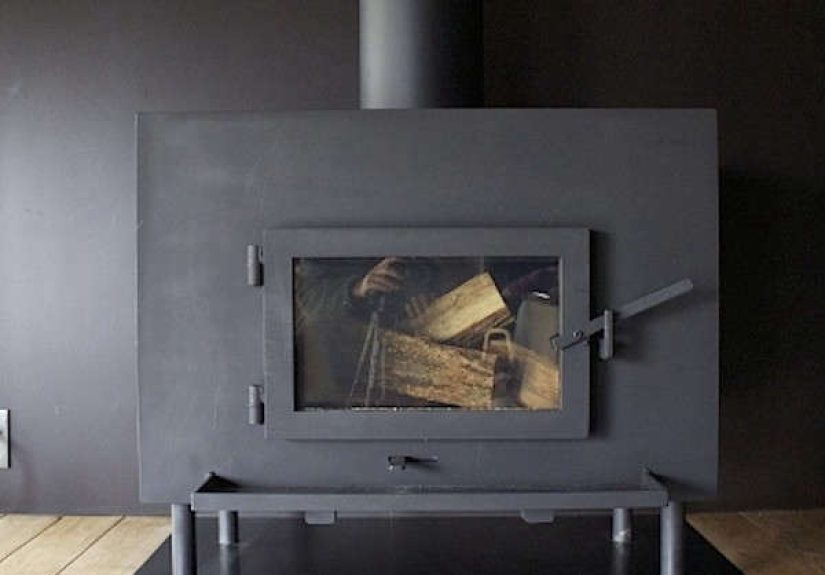
Uno Tomoaki’s steel pieces (as shown in the Remodelista feature) are a masterclass in controlled bluntness:
a raw steel wood-burning stove, steel sconces, a raw steel cabinet,
minimal raw steel stairs, a steel door pull. The forms are reduced, but not sterile.
The surfaces are matter-of-factmore “workshop” than “showroom.”
Why raw steel works in minimalist interiors
- It reads as honest. Raw steel looks like what it isno fake shine, no costume.
- It has built-in contrast. Steel plays beautifully against plaster, pale wood, concrete, tile, and linen.
- It supports shadows. Matte or brushed steel catches light softly, which makes rooms feel calmer.
Real talk: steel wants to rust (and that’s not always charming)
If you love the look of raw steel, you also need a plan for moisture, fingerprints, and oxidation.
In kitchens and baths, “raw” can turn into “oops” if water sits on the surface or if the metal is left unprotected.
The good news is that the minimalist approach plays well with practical protection:
clear sealants, waxes, and proper cleaning habits can keep the steel looking intentionally raw instead of accidentally neglected.
A useful mindset: treat steel the way you treat a white T-shirt. It’s amazinguntil you spill something.
Then it becomes a lifestyle choice.
Brass: The Living Finish That Ages Like a Good Story
On the brass side, Uno Tomoaki’s pieces (again, per Remodelista’s feature) include an
unlacquered brass towel bar, handrail, door handle,
a graceful curtain rod, a custom light fixture, and
brass electrical plate covers. The big theme here is unlacquered brassa “living finish”
that darkens and softens with time.
Why unlacquered brass feels so right in Japanese-leaning minimalism
Unlacquered brass is basically the anti-trend trend. It doesn’t stay perfectby design.
It changes with use, air, humidity, and touch. That quality pairs naturally with Japanese aesthetics that value time,
patina, and the beauty of imperfection. (If you’ve heard of wabi-sabi, you’re in the neighborhood.)
Keep it shiny or let it patina? Choose your own adventure.
There are two valid ways to live with brass:
-
Polished-and-proud. You clean it regularly and keep it bright. This looks crisp and classic,
especially with white tile, warm woods, and clean-lined cabinetry. -
Patina-and-peaceful. You let it darken naturally and only clean gently. This looks soulful and calm,
especially in minimalist spaces where a little warmth keeps things from feeling clinical.
The key is consistency. If you want patina, don’t panic-clean the “life” out of it every weekend.
If you want shine, commitbecause brass will absolutely keep evolving when you’re not looking.
The Japanese Minimalist Lens: Material, Proportion, and “Ma”
To steal the spirit of Uno Tomoaki’s fixtures without copying them outright, focus on three ideas that show up again and again
in Japanese-influenced minimalism and Japandi interiors:
1) Materials should feel real
Raw steel, unlacquered brass, natural wood, matte ceramics, linenthese materials communicate through texture, not sparkle.
The moment your hardware looks like it’s pretending to be something else, the spell breaks.
2) Proportion is the secret sauce
Minimal hardware can look cheap if it’s too thin, too short, or too lightweight. The magic is in the “just right” thickness,
the slight overhang, the comfortable grip, the way a pull aligns with a cabinet edge. Uno’s door pull works because it’s
decisivesimple, but not timid.
3) “Ma” (the space between) is part of the design
Negative space isn’t emptiness; it’s breathing room. In practice, this means you don’t need hardware everywhere.
Sometimes you use fewer pieces, placed more intentionally. It also means the hardware you do choose should be calm enough
to let the surrounding space exist.
Steal the Look: Translating Uno Tomoaki’s Fixtures Into Real Homes
Most of us are not commissioning bespoke steel stairs (yet). But you can absolutely borrow the playbook.
Here’s how to translate the Remodelista feature into choices you can make during a remodel or refresh.
Entry: door pulls, handles, and the first impression handshake
In a minimalist entry, a strong, simple door pull is the whole vibe. Look for:
rectilinear shapes, solid metal, and no fussy detailing.
If you choose brass, consider unlacquered so it develops character where hands naturally land.
Bath: towel bars and rails that look like they belong in a gallery
Uno’s unlacquered brass towel bar is a reminder that bathroom hardware doesn’t need to be curvy and shiny to feel luxurious.
Minimal bars and rails look best when they’re:
- long enough to feel intentional (not “builder basic”),
- thick enough to feel substantial,
- mounted cleanly (concealed fasteners help keep the lines crisp).
Kitchen: cabinet pulls that don’t shout, but still do the job
Minimalism in the kitchen is all about reducing visual noisewithout reducing usability.
Long, simple pulls can create a rhythm across cabinetry, while knobs can disappear faster (for better or worse).
The practical trick is to choose hardware that fits your grip and your layout:
pulls for drawers you open constantly, knobs where you want a lighter touch, and consistent placement so everything feels deliberate.
Stairs + corridors: handrails as “functional sculpture”
Uno’s brass handrail is a great example of minimalist drama: one continuous element, elegantly mounted, letting the wall and space do the rest.
If you want this effect, prioritize:
a continuous run, a comfortable diameter, and a finish that complements your walls (warm metals love warm whites and natural woods).
Lighting: less chandelier, more punctuation mark
The steel sconces and custom brass fixture in the Remodelista piece show a minimalist lighting strategy:
let the fixture be a clean silhouette that creates atmosphere, not a decorative centerpiece competing with your architecture.
Look for simple canopies, straightforward arms, and shades that diffuse light softly.
The overlooked hero: switch plates and outlet covers
If you do nothing else, upgrade your switch plates. Minimal homes are brutally honest: flimsy plastic stands out.
Brass or brushed metal plates can make walls feel finished, especially in kitchens, baths, and hallways where your eye lands often.
This is one of those tiny changes that feels suspiciously satisfying, like aligning icons on your phone.
Sourcing the Minimalist Japanese Hardware Vibe in the U.S.
You don’t need a custom metal shop to get close to Uno Tomoaki’s look.
You need a clear standard: simple form + solid material + thoughtful finish.
Here’s what to prioritize when you shop:
Choose solid metals when you can
Solid brass tends to age better than thin plating, and it’s easier to maintain (or let patina) without surprise wear-through.
If you’re buying “brass finish,” check whether it’s solid, plated, or coated. Minimalism is less forgiving of cheap finishes
because there’s nowhere to hide.
Decide how you feel about patinabefore it decides for you
Unlacquered brass will change. That’s the point. If you want a consistent tone, consider a lacquered brass finish or a different metal.
But if you want a space that feels lived-in and warm, unlacquered brass can deliver that “collected over time” feeling even in a new build.
For steel, look for finishes that mimic “raw” without the risk
If you love the raw steel look but don’t love maintenance, consider:
powder-coated steel in matte charcoal, blackened steel, or brushed stainless with a low sheen.
You can capture the calm, graphic feeling of steel while reducing the chance of rust in wet zones.
Installation and Layout: Minimalist Hardware Still Has to Be Human-Friendly
The best-looking hardware is useless if it pinches your fingers or feels awkward.
Minimalist pieces should feel almost invisible in usewhich means paying attention to placement, sizing, and repetition.
Three practical guidelines that usually work
- Match the scale to the surface. Larger drawers and tall pantry doors usually look better with longer pulls.
- Keep placement consistent. Alignment creates calm faster than any paint color ever will.
- Don’t fight existing holes unless you need to. If you’re updating cabinetry, using the same hole spacing can save time and mess.
If you’re renovating on a budget, hardware is still one of the best “high impact, relatively low chaos” upgrades.
It’s a small intervention that changes the daily experience of a homewithout requiring you to live through six weeks of demolition dust.
Common Mistakes (So You Don’t Accidentally Build a “Minimalist Museum of Regret”)
1) Going too thin
Ultra-skinny pulls can look elegant in photos and feel annoying in real life. Comfort matters. Minimalism should be calming, not punishing.
2) Mixing finishes with no plan
Mixing metals can be beautiful, but minimalist spaces need a clear hierarchy. Pick a primary metal (say, unlacquered brass),
then a supporting metal (like steel or matte black) and repeat them intentionally.
3) Forgetting the “little rectangles”
Switch plates, outlet covers, air returns, hingesthese tiny components can quietly ruin a clean wall if they look flimsy.
Minimalist homes reward the unglamorous details.
4) Over-polishing everything
If you choose a living finish, let it live. A gentle clean is different from trying to keep unlacquered brass frozen in time.
The beauty is in the change.
Why This Remodelista Feature Still Hits: Calm, Character, and Craft
The reason “Fixtures and Fittings from a Minimalist Japanese Architect” stays memorable is that it treats everyday objects as architecture.
Not décor. Not accessories. Architecture.
Uno Tomoaki’s steel and brass pieces are compelling because they don’t chase novelty.
They chase proportion, craft, and the quiet confidence of materials that can stand on their own.
And in a world where everything is loudly competing for your attention, there’s something genuinely refreshing about a curtain rod
that simply does its jobbeautifullywithout trying to become an influencer.
Experience Notes: What It’s Like to Live With Minimalist Steel + Unlacquered Brass (Extra )
Here’s the part that never shows up in the “after” photos: living with minimalist fixtures is a daily relationship.
Not dramatic, not toxicmore like that friend who makes you subtly improve your life just by existing.
People who switch from standard, shiny hardware to raw steel and unlacquered brass often notice a few patterns right away.
The first week: you touch everything more than you expect
New hardware changes your habits. A solid steel pull feels different from a hollow one, and your hands notice.
You’ll find yourself opening cabinets just because it feels goodlike testing a new pen on every piece of paper in the house.
The same goes for a brass handrail: the temperature, the weight, the smoothness. Minimalist design is tactile design,
which means you stop thinking about how things look and start paying attention to how they behave.
Week two: patina becomes a personality trait
Unlacquered brass starts to tell the truth. The towel bar darkens where the towel rubs. The door handle changes first where your thumb lands.
For some people, this feels like instant charmproof that the home is being used and loved. For others, it triggers an urge to polish
like they’re preparing for an inspection from a very judgmental aunt.
The most satisfying approach tends to be intentional acceptance:
decide which pieces you want to age naturally (often the ones you touch most), and which ones you’ll keep brighter with gentle cleaning.
That way, the patina feels designed rather than accidental.
Month one: you notice the “supporting cast” (and you can’t unsee it)
This is where minimalist hardware quietly upgrades your taste. Once you install beautiful brass switch plates,
suddenly the cheap plastic one in the guest room looks like it arrived from a different universe.
The same thing happens with hinges, door stops, and even screws. Minimalism raises the standard because it removes distractions.
If your space is calm and edited, the remaining details must pull their weightliterally, in the case of a cabinet pull.
In wet areas: maintenance becomes simpler, not harderif you set the rules
People sometimes assume raw steel and unlacquered brass mean “constant upkeep.”
In practice, it’s often the opposite once you establish a rhythm. Brass that’s meant to patina doesn’t need constant polishing;
it needs basic cleanliness and respect. Steel that’s properly finished or sealed doesn’t need babying; it needs common sense:
wipe standing water, avoid harsh abrasives, and keep humidity in check.
The experience becomes less about perfection and more about stewardshipkeeping materials healthy while letting them look like themselves.
The long-term payoff: the house feels calmer because the details stop arguing
Over time, minimalist fixtures create a kind of visual quiet. You get repetition instead of randomness:
a consistent metal finish, a repeated geometry, a predictable placement. The home starts to feel “resolved,” like a sentence with proper punctuation.
And because these pieces are so frequently used, the effect isn’t theoreticalit’s daily.
The best compliment people give after a hardware upgrade isn’t, “Wow, nice door handle.”
It’s, “This place feels really good.” Which is exactly what great fixtures and fittings are supposed to do.