Table of Contents >> Show >> Hide
Some injuries sound dramatic but turn out to be minor. Flail chest is not one of them. This is a true medical emergency that happens when a section of the rib cage breaks loose from the rest of the chest wall. Instead of moving in sync with normal breathing, that segment moves the wrong way. In other words, the chest forgets the script and starts improvising at exactly the worst possible moment.
Flail chest usually follows major blunt trauma, such as a car crash, a serious fall, or a hard sports collision. It is often painful, hard to ignore, and dangerous not just because ribs are broken, but because the lungs and surrounding structures may also be injured. Pulmonary contusion, pneumothorax, internal bleeding, and breathing failure can all show up in the same messy package.
This guide explains what flail chest is, what causes it, how doctors diagnose it, and the treatment options used in modern trauma care. It also covers what recovery often feels like, because surviving the injury is one chapter and getting your breath, sleep, and confidence back is another.
What is flail chest?
Flail chest occurs when at least three neighboring ribs break in at least two places each, creating a loose segment of the chest wall. That unstable section can move paradoxically, meaning it pulls inward during inhalation and bulges outward during exhalation. Normal breathing already has enough going on without the rib cage working against it.
The injury matters because breathing depends on coordinated chest wall movement, adequate pain control, and healthy lung function. Flail chest disrupts all three. The unstable ribs hurt, the pain limits deep breaths, and the trauma that caused the fractures often bruises the lung underneath. That combination can reduce oxygen levels and make breathing shallow, fast, and exhausting.
Why flail chest is so serious
Flail chest is not simply “multiple broken ribs.” It is a marker of high-energy trauma and a warning sign that the patient may have associated thoracic injuries. The broken ribs can trigger severe chest pain, while the underlying lung may suffer a pulmonary contusion, which is basically bruising inside the lung tissue. Add swelling, bleeding, or a collapsed lung to the mix, and the body’s oxygen system starts having a very bad day.
Complications can include respiratory failure, pneumonia, prolonged hospital stay, chronic pain, deformity of the chest wall, and reduced physical stamina for weeks or months afterward. Older adults and people with chronic lung disease often face a tougher recovery because they have less room for error when breathing becomes painful or inefficient.
What causes flail chest?
The main cause of flail chest is blunt force trauma. This usually means a strong impact that crushes or compresses the chest with enough force to break several ribs in a row. Common causes include:
Motor vehicle collisions
Car crashes are one of the leading causes of flail chest. The chest may strike a steering wheel, dashboard, seat belt, or airbag area during high-speed impact. Even with modern vehicle safety features, the force involved in severe crashes can overwhelm the rib cage.
Falls
Falls from ladders, stairs, roofs, or other heights are another major cause. In older adults, even lower-height falls can cause serious rib injuries if bone density is poor or the landing is direct and forceful.
Sports and recreational trauma
Contact sports, cycling accidents, equestrian injuries, and other high-impact activities can cause flail chest, though these cases are less common than traffic injuries. A chest-first collision with a hard surface can do more damage than the athlete expects.
Crush injuries
Industrial accidents, heavy objects falling onto the torso, or being pinned between surfaces can generate the kind of pressure that fractures multiple ribs at once. This mechanism also raises concern for internal organ injury.
Bone fragility as a risk amplifier
Trauma is still the main trigger, but certain conditions can make flail chest more likely after impact. Osteoporosis, older age, chronic steroid use, and other causes of weakened bone lower the threshold for serious rib fractures. The blow may be the headline, but bone health sometimes writes the fine print.
Symptoms of flail chest
Flail chest symptoms usually appear fast and tend to be hard to shrug off. Classic signs include:
- Severe chest pain, especially with breathing, coughing, or movement
- Shortness of breath or rapid breathing
- Visible bruising, swelling, or tenderness over the ribs
- Paradoxical chest wall movement
- Blue lips or fingernails if oxygen levels fall
- Crackling sensations under the skin or over fractured ribs
- Fatigue, dizziness, or anxiety from poor oxygenation and pain
Not every patient shows dramatic paradoxical motion right away. Pain, body habitus, shallow breathing, and mechanical ventilation can make it harder to see. That is why clinicians pay close attention to the whole picture: mechanism of injury, physical exam, breathing effort, oxygen levels, and imaging results.
How doctors diagnose flail chest
Flail chest is primarily a clinical diagnosis, which means doctors look for the injury pattern and the abnormal movement of the chest wall during breathing. Imaging helps confirm fractures and detect complications, but the diagnosis often starts at the bedside.
Physical examination
Doctors inspect the chest for bruising, swelling, tenderness, crepitus, and paradoxical movement. They also assess work of breathing, listen to breath sounds, and check for signs of shock or low oxygen. A patient who cannot take a deep breath because of pain may not show textbook findings, so trauma teams stay alert even when the exam is subtle.
Imaging tests
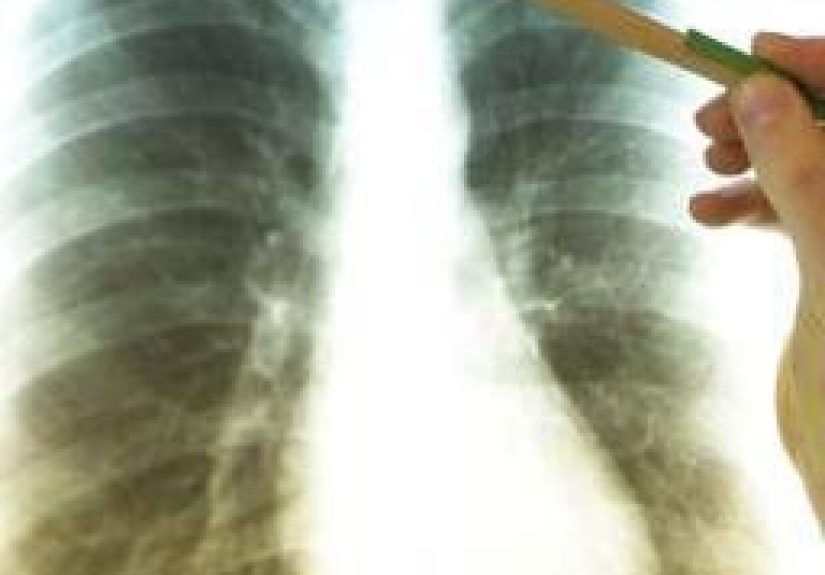
Chest X-rays are commonly used first to identify rib fractures, pneumothorax, or obvious lung injury. CT scans often provide a more complete picture, especially in major trauma, because they can reveal the number and location of fractures, displacement, pulmonary contusion, bleeding, and associated injuries.
Monitoring oxygenation
Pulse oximetry and arterial blood gas testing may be used to measure how well oxygen is getting into the blood and whether carbon dioxide is building up. These numbers help guide treatment decisions, especially when respiratory distress is worsening.
Treatment for flail chest
Modern flail chest treatment focuses on three goals: keep the patient oxygenated, control pain well enough to support breathing, and stabilize the chest wall when necessary. The exact plan depends on the severity of the injury, the patient’s age and overall health, and whether there are complications such as pulmonary contusion or a collapsed lung.
1. Emergency stabilization
First things first: airway, breathing, and circulation. Trauma teams prioritize oxygen delivery, assess for life-threatening chest injuries, and stabilize the patient. Supplemental oxygen is common, and some patients need CPAP, BiPAP, or mechanical ventilation if they cannot maintain adequate breathing on their own.
If there is a pneumothorax or hemothorax, a chest tube may be placed to remove air or blood from the pleural space. If the patient is in shock or has internal bleeding, fluids, blood products, and urgent trauma interventions may be needed.
2. Aggressive pain control
Pain management is a huge part of treatment, not a side quest. When breathing hurts, people take shallow breaths, cough less, and avoid movement. That can set the stage for mucus buildup, atelectasis, and pneumonia. Good pain control helps prevent those problems.
Doctors may use a multimodal approach that includes IV pain medicine, oral analgesics, regional anesthesia, epidural analgesia, intercostal nerve blocks, or other chest wall blocks. The goal is not to create a blissful spa experience after trauma, because that is unrealistic. The goal is to let the patient breathe deeply enough to protect the lungs.
3. Pulmonary hygiene and respiratory support
Patients are encouraged to use an incentive spirometer, do deep-breathing exercises, cough effectively, and work with respiratory therapists. Early mobilization, chest physiotherapy, and careful monitoring reduce the risk of pneumonia and respiratory decline. If breathing effort becomes too great or oxygenation worsens, ventilatory support may be necessary.
Mechanical ventilation is not automatically required for every case. In fact, many guidelines favor selective ventilation rather than routine intubation. Supportive care, analgesia, and close observation may be enough in milder cases or when the patient remains stable.
4. Surgical stabilization of rib fractures
One of the biggest shifts in flail chest treatment is the growing use of surgical stabilization of rib fractures, often called rib fixation or rib plating. This procedure uses plates and screws or similar hardware to stabilize the broken ribs.
Surgery is not for everyone, but it may be recommended when the patient has flail chest with respiratory failure, significant chest wall deformity, inability to wean from a ventilator, worsening breathing despite pain control, or other major indications. Some trauma centers try to perform stabilization early, often within the first 72 hours, when the patient’s overall condition allows.
Research and trauma guidelines suggest that, in selected patients, surgical stabilization can reduce pneumonia, shorten ICU stay, decrease time on the ventilator, and improve other outcomes. That said, treatment decisions still depend on the whole trauma picture. A patient with severe brain injury, uncontrolled bleeding, or other critical problems may not be a surgical candidate right away.
Recovery and prognosis
Recovery from flail chest varies widely. A younger person with isolated chest trauma may recover faster than an older adult with pulmonary disease, multiple injuries, or a complicated ICU stay. Some patients improve steadily over weeks, while others need months before breathing feels normal and pain fully settles down.
Hospitalization may last days or weeks depending on injury severity. Some people need the ICU, ventilator support, or surgery. After discharge, recovery may continue with pain control, breathing exercises, physical therapy, follow-up imaging, and gradual return to activity.
Common recovery issues include chest soreness, sleep disruption, limited stamina, fear of coughing, and frustration with slow progress. These are not signs of weakness. They are signs that the body just survived a major chest injury and is rebuilding mechanics it usually performs automatically.
Potential complications
Flail chest can lead to serious short-term and long-term complications, especially when lung injury is involved. Watchouts include:
- Pneumonia
- Pulmonary contusion
- Pneumothorax or hemothorax
- Respiratory failure
- Chronic chest wall pain
- Reduced exercise tolerance
- Chest wall deformity or nonunion of ribs
Because these risks are real, patients with significant chest trauma should not try to “walk it off” when breathing is difficult or pain is severe. That strategy belongs in motivational posters, not trauma medicine.
Can flail chest be prevented?
Not every injury can be prevented, but risk can be lowered. Wearing seat belts, using proper sports protective gear, reducing fall hazards at home, treating osteoporosis, and following workplace safety rules all help. Prevention matters because the best rib fixation hardware in the world is still less convenient than an unbroken rib cage.
What recovery often feels like: real-world experiences after flail chest
Flail chest recovery is not only about X-rays and oxygen saturation numbers. It is also about what the patient experiences hour by hour. Many people remember the pain first. Breathing can feel sharp, guarded, and oddly deliberate, as if every inhale requires negotiation. Something as automatic as coughing suddenly becomes a full committee decision involving courage, timing, and a pillow pressed to the chest.
In the hospital, patients often describe a strange mix of exhaustion and alertness. They are tired because the injury and the medications drain energy, but they are also hyperaware of every breath. Sleep may come in short bursts. Nurses, respiratory therapists, alarms, repositioning, imaging, and pain checks all interrupt the night. Recovery is important, but apparently so is being reminded at 2:17 a.m. to use the incentive spirometer.
Another common experience is fear of moving. Rolling in bed, standing up, or walking to the bathroom can feel like a risky engineering project. Yet early movement matters. Patients who begin sitting up, walking with help, and breathing deeply often regain confidence faster. The first walk may be humbling, but it is also a turning point. It tells the body that healing is underway and tells the patient that progress is possible.
Breathing exercises are rarely anyone’s favorite part of recovery, but they are crucial. People often dislike the spirometer because it feels repetitive, uncomfortable, and annoyingly simple. Then they learn the hard truth: the boring things in medicine are sometimes the most effective things. Deep breaths, coughing, and pulmonary hygiene can help prevent pneumonia and improve lung expansion while the ribs heal.
Pain also changes over time. Early on, it may be intense and constant. Later, it often becomes more positional. Patients may notice it when reaching overhead, laughing, sneezing, or trying to sleep on the injured side. Many say the pain gradually shrinks from “center stage” to “background noise,” though the timeline varies. Good follow-up care matters if pain remains severe or starts interfering with sleep, mood, or physical function.
Emotionally, recovery can be surprisingly heavy. A major crash or fall may leave patients anxious, jumpy, or frustrated. Some feel short of breath and immediately worry that something is wrong again. Others get discouraged when stamina returns more slowly than expected. Support from clinicians, family, and rehab teams can make a real difference here. Recovery is not just a rib issue; it can be a confidence issue too.
For patients who undergo rib fixation surgery, experiences vary, but many report that once the chest wall feels more stable, breathing and mobility improve. That does not mean instant comfort. It means the mechanics are better, and rehab has a stronger foundation. For nonoperative patients, improvement may be more gradual, with a strong focus on pain control, lung exercises, and patience.
In the long run, many patients do well, but recovery is rarely linear. There are better days, sore days, tired days, and the occasional sneeze that feels like a betrayal. The encouraging part is that with timely treatment, good pulmonary care, and proper follow-up, many people regain function and return to daily life. Flail chest is a serious injury, but it is not the end of the story.
Conclusion
Flail chest is a high-risk chest wall injury caused by significant trauma and often complicated by lung damage. The core dangers are impaired breathing, poor oxygenation, severe pain, and the possibility of pneumonia or respiratory failure. Diagnosis relies on clinical assessment and imaging, while treatment centers on oxygen support, aggressive pain control, pulmonary hygiene, and selective surgical stabilization when indicated.
The big takeaway is simple: this is not a minor broken-rib situation. Early trauma evaluation and modern multidisciplinary treatment can dramatically improve outcomes. When the chest wall loses stability, fast and thoughtful care helps patients regain the one thing nobody should have to think too hard about: breathing.