Table of Contents >> Show >> Hide
- What Is a Floral Moon Pumpkin, Exactly?
- Why This Design Works So Well
- How to Make a Floral Moon Pumpkin
- Best Flowers and Materials for the Look
- Real Pumpkin or Faux Pumpkin?
- Where a Floral Moon Pumpkin Looks Best
- Common Mistakes to Avoid
- Why People Keep Coming Back to This Trend
- Experiences Related to the Topic “Floral Moon Pumpkin”
- Conclusion
Note: This body-only HTML is ready for web publishing and has been cleaned to remove unnecessary citation placeholder elements.
Some fall decorations shout. A floral moon pumpkin glows. It is soft where classic Halloween decor is loud, artistic where ordinary porch pumpkins can feel a little “same gourd, different day,” and magical without tipping into full haunted-house chaos. If you love autumn decor but want something more romantic than spooky, this design hits the sweet spot between cottagecore, celestial style, and harvest-season charm.
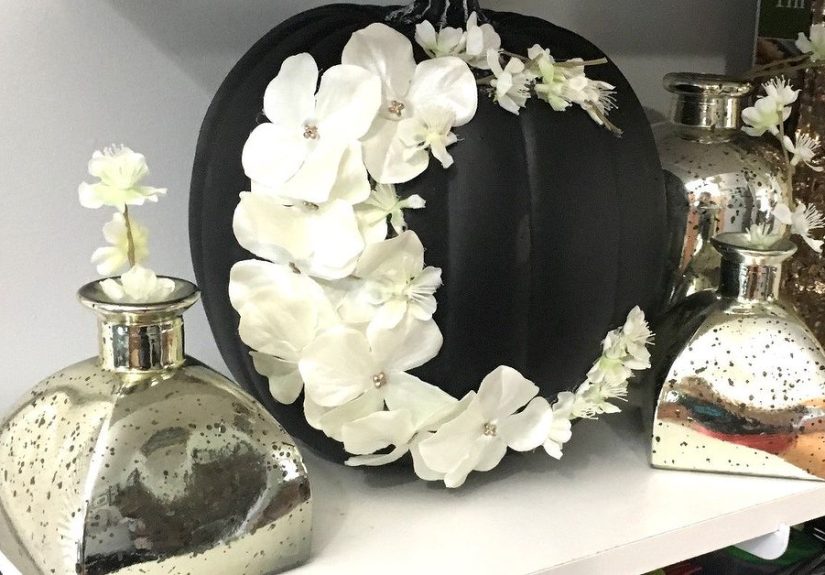
At its core, a floral moon pumpkin is exactly what it sounds like: a pumpkin decorated with a crescent moon motif and paired with flowers. Sometimes the moon is painted on. Sometimes it is outlined with faux blooms. Sometimes the flowers become the moon. The result can look rustic, elegant, whimsical, boho, or downright enchanted depending on your color palette and materials.
That flexibility is part of its appeal. A floral moon pumpkin can sit on a front porch, act as a Thanksgiving centerpiece, dress up a mantel, or become the star of a fall wedding table. It also works beautifully as a no-carve project, which means less mess, fewer pumpkin guts on the counter, and a much smaller chance of accidentally turning a craft night into a Band-Aid emergency.
What Is a Floral Moon Pumpkin, Exactly?
A floral moon pumpkin is a decorative pumpkin designed around two visual ideas: the crescent moon and flowers. The moon adds shape, mood, and a slightly celestial feel. The flowers soften the look and bring color, texture, and a natural seasonal vibe. Together, they create a pumpkin that feels less like a Halloween prop and more like a piece of temporary art.
The design usually falls into one of four categories:
1. Painted Moon, Floral Border
This is one of the easiest styles to create. You paint a crescent moon onto the pumpkin, then glue dried, faux, or pressed flowers around the curve. It gives you strong contrast and clean lines, especially on white, black, blush, sage, or muted orange pumpkins.
2. Floral Crescent Moon
Here, the moon shape is made almost entirely from flowers. Instead of painting the crescent, you sketch its outline lightly and build the shape with petals, sprigs, mini blooms, and greenery. The final look is lush, layered, and charmingly dramatic.
3. Celestial Pumpkin With Scattered Florals
This version uses a moon as the focal point, then adds stars, dots, vines, and tiny flowers around it. Think “night garden on a pumpkin,” which is a sentence that sounds ridiculous until you see how pretty it looks.
4. Pumpkin Vase Interpretation
If you want something more functional, carve or hollow the pumpkin and use it as a vessel for flowers while adding a moon detail on the front. This style leans centerpiece rather than porch decor, but it is gorgeous for fall tables.
Why This Design Works So Well
The floral moon pumpkin succeeds because it blends two themes people already love in fall decorating: natural harvest textures and moody, atmospheric shapes. Pumpkins bring the seasonal weight. Flowers add softness. The moon introduces symbolism, contrast, and a touch of mystery.
There is also a nice visual balance at work. Pumpkins are round, solid, and heavy-looking. A crescent moon is curved, delicate, and open. Flowers break up the surface and keep the design from feeling flat. Even a simple arrangement of a dozen small blooms can make a pumpkin look layered and intentional.
Another reason this trend has staying power is that it can be adapted to different taste levels. If your style is minimal, choose a cream pumpkin, a gold crescent, and a few dried stems. If you like drama, go for a matte black pumpkin with a large ivory moon and deep burgundy florals. If you want a softer cottage look, use blush tones, dusty blue, lavender, and a weathered faux pumpkin. It is hard to make that combination look bad, which is excellent news for the rest of us who do not have professional prop stylists hiding in the pantry.
How to Make a Floral Moon Pumpkin
You do not need advanced crafting skills to pull this off. You just need a plan, a reasonably steady hand, and the emotional strength to stop adding flowers before the pumpkin turns into a botanical snowman.
Choose Your Pumpkin
You have two main choices: real or faux. A faux pumpkin is ideal if you want to reuse the design year after year. It is especially smart if you are using hot glue, painted details, or delicate faux florals. A real pumpkin offers natural texture and classic fall charm, but it is best for short-term displays and should be kept dry and cool when possible.
If you are working with a real pumpkin, pick one with smooth skin, a sturdy stem, and no soft spots. Smooth surfaces are easier to paint and decorate, while a healthy stem and clean exterior help the pumpkin last longer.
Pick a Color Palette
Before you touch a brush or glue gun, decide on the mood. This makes every other choice easier.
- Soft romantic: cream, blush, mauve, dusty rose, sage, and gold
- Moody celestial: black, plum, bronze, burgundy, deep green, and ivory
- Fresh cottagecore: white, pale blue, peach, lavender, butter yellow, and green
- Classic fall with a twist: muted orange, rust, wheat, marigold, cream, and brown
Good floral moon pumpkins usually look best when the palette feels limited and intentional. Six colors having a quiet conversation will almost always beat fourteen colors yelling over one another.
Prep the Surface
Wipe the pumpkin clean and let it dry completely. If you plan to spray paint it, work in a ventilated area and protect your surface. If you are painting by hand, a base coat can help the moon and flowers stand out more clearly.
Sketch the Moon
Use a pencil, chalk pencil, or removable marker to lightly draw a crescent moon on the front. The curve should be large enough to be visible from a few feet away. Tiny moon, tiny impact. Aim for something graceful and slightly off-center rather than perfectly symmetrical.
Build the Design
You can paint the moon first, then add flowers around it, or begin with flowers and let them create the moon shape. Both methods work.
For a clean look, paint the moon in matte white, metallic gold, bronze, or a soft neutral. Once dry, attach flowers along the outer edge. Start with the largest blooms, then fill in gaps with smaller flowers and greenery. Pressed flowers work well for flat, elegant designs. Dried and faux flowers create more texture and dimension.
If you want more detail, add tiny stars, dots, vines, or botanical strokes around the moon. These finishing elements help the pumpkin feel designed rather than simply decorated.
Decide on Texture
Texture matters as much as color. Velvet ribbon, dried seed pods, eucalyptus, preserved leaves, tiny berries, raffia, and metallic paint splatter can all enhance the look. The trick is not to use everything at once. A floral moon pumpkin should feel curated, not like the craft store tripped and fell onto it.
Best Flowers and Materials for the Look
If you want the design to last, faux and dried flowers are your friends. Dried blooms bring a soft, vintage quality, while faux stems are durable and easier to shape. Pressed flowers are perfect for flatter, more delicate designs and can preserve beautiful color when kept away from moisture, heat, and harsh sun.
Some of the best floral choices include mini roses, strawflowers, statice, lavender, baby’s breath, eucalyptus, mums, billy balls, and small daisy-like blooms. For fall, dried grasses and muted greenery help the pumpkin feel seasonal without making it look heavy. For a more romantic version, choose softer petals and less obvious fall foliage.
If you are using fresh flowers, save that version for a party, dinner, or short display window. Fresh stems can be gorgeous on a floral pumpkin or in a pumpkin vase, but they are less practical for long-term use. If flowers are inserted into the pumpkin itself, refrigeration can help extend the display for special occasions. If you are making a pumpkin vase, placing the arrangement inside a water-filled container or snug inner vase is a smarter move than letting stems sit loose inside the pumpkin.
Real Pumpkin or Faux Pumpkin?
This is the great autumn debate, right up there with “Is it too early for cinnamon?” A real pumpkin offers authenticity and organic texture. A faux pumpkin offers durability and freedom. Which one is best depends on your goal.
Use a real pumpkin if:
- you want a natural porch display for a few weeks
- you like the idea of changing the design every year
- you want a fresh pumpkin vase for a dinner table or event
Use a faux pumpkin if:
- you want to save and reuse the design
- you are using hot glue, heavy faux florals, or layered embellishments
- you prefer indoor decor that can return every fall without reinventing the wheel
For many people, the best compromise is this: use one real pumpkin for the porch and one faux floral moon pumpkin for indoors. That way, you get seasonal freshness outside and a long-lasting centerpiece inside.
Where a Floral Moon Pumpkin Looks Best
This design is surprisingly versatile. It is not limited to Halloween, and that is part of the magic.
Front Porch
Pair one statement floral moon pumpkin with neutral gourds, lanterns, and a few mums. A cluster of mixed pumpkin colors nearby helps the decorated piece stand out more. If your porch already has a lot happening, one well-made pumpkin is enough.
Mantel
A floral moon pumpkin looks lovely next to taper candles, trailing greenery, and framed botanical prints. A matte black or white pumpkin tends to read especially elegant on a mantel.
Dining Table
If you are styling a fall table, use the pumpkin as the centerpiece anchor. Add candles, linen napkins, and low arrangements so guests can still see each other across the table instead of playing peekaboo through the eucalyptus.
Bedroom or Reading Nook
Yes, really. If your decor leans soft, dreamy, or romantic, a floral moon pumpkin can work beautifully on a dresser, shelf, or side table. It gives the room a seasonal touch without screaming “October is here and we have seventeen plastic skeletons.”
Common Mistakes to Avoid
- Using too many flower sizes: too much variety can make the design feel chaotic.
- Skipping surface prep: dust and moisture interfere with paint and glue.
- Making the moon too small: the shape should read clearly from a distance.
- Overcrowding the design: leave negative space so the moon remains the hero.
- Ignoring placement: outdoor displays need sturdier materials and weather awareness.
- Forgetting scale: a tiny pumpkin can disappear under oversized florals.
Why People Keep Coming Back to This Trend
The floral moon pumpkin keeps showing up because it offers something many seasonal crafts do not: it feels elevated without being difficult. It photographs beautifully, works across styles, and can shift from playful to elegant depending on how you build it. It also gives people room to be creative without requiring master-level painting, floral design training, or a private workshop full of mysterious artisan tools.
More than that, it taps into a mood. Fall decor is often about warmth, nostalgia, nature, and a little bit of theater. A floral moon pumpkin captures all four. It feels connected to the season, but it is personal enough to look like a design decision rather than a store-bought afterthought.
Experiences Related to the Topic “Floral Moon Pumpkin”
The most memorable thing about making a floral moon pumpkin is that it does not feel like a rushed holiday craft. It feels like an experience. You clear a table, pull together paint, flowers, ribbon, maybe a mug of coffee or cider, and suddenly the project becomes part decorating session, part seasonal ritual. Even before the pumpkin is finished, the mood shifts. The room smells faintly like dried stems, craft paint, and ambition.
One of the best experiences with this kind of pumpkin is how forgiving it is. If the painted moon comes out slightly uneven, flowers can soften the edge. If one bloom looks awkward, a sprig of greenery can rescue it. If the whole thing feels too plain, a few tiny gold dots can make it look intentional instead of unfinished. It is the kind of project that rewards experimentation, which is why people who normally say “I’m not crafty” often end up grinning at the final result like they just discovered a secret talent.
There is also something deeply satisfying about choosing materials for the design. Picking flower colors against a pumpkin surface feels a little like styling an outfit for autumn itself. Cream and blush look dreamy. Burgundy and bronze feel dramatic. White and sage feel calm and expensive, even if the whole project cost less than takeout for two. You start with a pumpkin and a handful of stems, and within an hour you are making design decisions like a person who casually says things such as “I think this needs more texture.”
Displaying the finished pumpkin is its own experience. On a porch, it catches attention without trying too hard. People notice it because it feels different from the usual carved face or painted plaid pattern. Indoors, it has a softer effect. It can make a dining table feel finished, a mantel feel styled, or an entryway feel thoughtfully seasonal. It does not dominate a room; it just quietly upgrades it.
Another lovely part of the floral moon pumpkin experience is that it works well as a shared activity. Friends can each make one with totally different personalities. Kids can help with choosing colors or placing petals if you skip anything sharp. Couples can turn it into a cozy evening project. Even solo, it is relaxing. There is enough repetition in placing flowers and shaping the crescent to feel calming, but enough creativity to keep it interesting.
And then there is the reaction factor. People tend to expect pumpkins to be cute, spooky, or rustic. A floral moon pumpkin catches them off guard in the best way. It often gets the kind of compliment that starts with, “Wait, you made that?” which is universally excellent for the ego. It looks detailed and artistic, but it is still accessible. That sweet spot is rare.
Perhaps the nicest experience of all is that the pumpkin can evolve with the season. Early in fall, it feels whimsical and decorative. Around Halloween, it leans a little magical and moody. By Thanksgiving, it still works because the floral element keeps it from feeling too theme-specific. A good floral moon pumpkin is not just a one-night decoration. It becomes part of the atmosphere of the season, and that is probably why people end up making one, admiring it for weeks, and then promising themselves they will definitely make three more next year. Which, to be fair, is exactly how craft supplies multiply when no one is looking.
Conclusion
A floral moon pumpkin is more than a trendy fall craft. It is a smart, beautiful way to blend seasonal decor with personality. Whether you create one with dried flowers, faux blooms, pressed petals, or a fresh arrangement tucked into a pumpkin vase, the design brings together the best parts of fall: texture, color, mood, and a little enchantment. It is elegant enough for a dinner table, charming enough for a porch, and flexible enough to suit almost any decorating style.
If you want a pumpkin that feels artistic, memorable, and refreshingly un-cheesy, this is the one to try. It is proof that autumn decor can be playful without being childish, pretty without being fussy, and festive without relying on the same old orange triangle eyes. In other words, the floral moon pumpkin is doing exactly what great seasonal decor should do: making your space feel more like you, only with better lighting and more flowers.