Table of Contents >> Show >> Hide
- What Is the Frans Drinks Cabinet?
- Why the Frans Drinks Cabinet Stands Out
- How the Frans Drinks Cabinet Fits Today’s Home Bar Trends
- Materials, Scale, and Craftsmanship
- How to Style a Room Around the Frans Drinks Cabinet
- How to Organize a Drinks Cabinet Like Frans
- Who the Frans Drinks Cabinet Is Best For
- Frans Drinks Cabinet Experiences: What Living With One Feels Like
- Conclusion
Some furniture stores things. Some furniture shows off. And then there is the Frans Drinks Cabinet, which does something much more interesting: it stages a performance. Closed, it looks calm, tailored, and almost modest. Open it, and suddenly the room has a bartender, a backbar, mood lighting, and a reason for people to mysteriously drift toward one corner with great enthusiasm.
That is the real appeal of a well-designed drinks cabinet. It is not just a storage piece for bottles and glassware. It is a compact hospitality machine. The Frans Drinks Cabinet turns the simple act of pouring a drink into a small ritual, and in a world full of cluttered countertops and overworked bar carts, that feels refreshingly civilized.
This article takes a close look at what makes the Frans Drinks Cabinet special, why cabinets like it have become more appealing than the classic bar cart, and how its design reflects the way people actually entertain at home today. Think of it as a design review, a hosting guide, and a love letter to elegant storage all rolled into one very handsome cabinet.
What Is the Frans Drinks Cabinet?
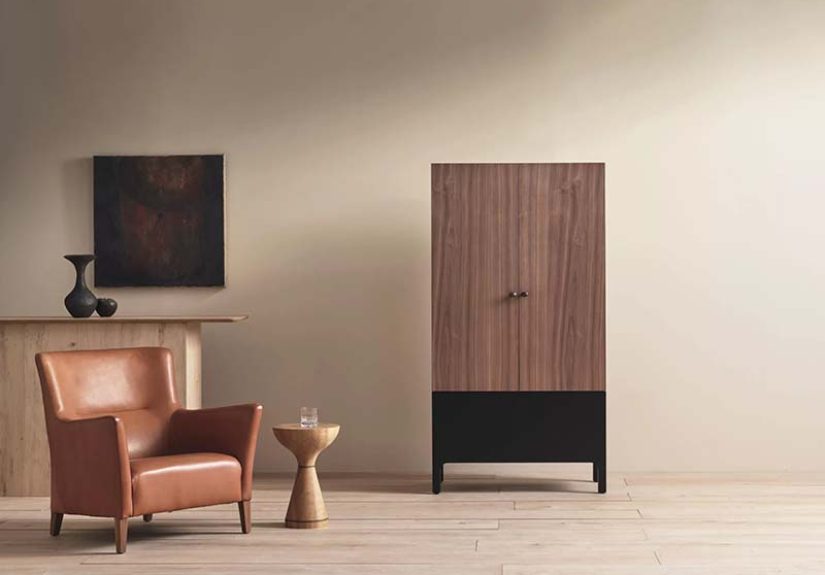
The Frans Drinks Cabinet is a real furniture piece by PINCH, a British design studio known for craftsmanship, warm materials, and understated luxury. The cabinet is made to order and pairs a painted lacquer exterior with either solid European oak or black American walnut. It has a relatively compact footprint for a statement piece, but once opened, it expands visually and functionally into a full home bar setup.
That dual personality is part of its genius. On the outside, the silhouette is clean and restrained, with a timber top and contrasting lacquer base. On the inside, the mood shifts. The interior is designed for what can only be called cocktail theater: mirror, lighting, specialized storage, and enough thoughtful detailing to make an ordinary cabinet look like it showed up in evening wear.
If you have ever wanted a piece of furniture that whispers, “I am refined,” and then, when opened, adds, “Also, I know how to make a respectable martini,” this is that piece.
Why the Frans Drinks Cabinet Stands Out
1. It understands the difference between storage and experience
Plenty of cabinets can hold bottles. Fewer understand what happens before the pour, during the pour, and after the guests say, “Just a splash,” while somehow ending up with a glass the size of a fishbowl. The Frans Drinks Cabinet is designed around the whole ritual of drink preparation.
Its interior features are unusually specific and therefore unusually useful: a peach-tone mirror, warm LED lighting, a satin copper-lacquered work surface, adjustable shelving for bottles and glassware, wine storage, a rubber-lined drinks trough, and a dovetailed drawer. That list is not design fluff. It is a roadmap for how the cabinet is meant to work in real life.
The mirror adds depth and glow. The warm lighting flatters the bottles, the glassware, and frankly the people using it. The work surface creates a defined prep zone. The adjustable shelves accommodate different bottle heights instead of forcing your favorite bourbon to crouch in shame. The drawer keeps tools tucked away. And the drinks trough helps corral items that otherwise wander off like cocktail napkins at a garden party.
2. It makes elegance feel practical
Luxury furniture sometimes behaves like a museum piece that accidentally wandered into a living room. The Frans cabinet does not. It looks polished, but it is grounded in practical use. That matters because a bar cabinet has to survive actual hosting: sticky citrus, mismatched bottle sizes, last-minute ice buckets, and the friend who always asks whether there is “something smoky” available.
The best design pieces are beautiful because they solve problems well, not because they pose dramatically in a catalog. Frans earns its style by being smart.
3. It embraces “hidden until needed” living
One reason bar cabinets have gained new popularity is simple: people want entertaining tools without the visual noise. A bar cart can be charming, but it also leaves everything exposed to dust, fingerprints, and visual clutter. A cabinet closes the scene when the party is over. That makes the room feel calmer, more intentional, and easier to live in every day.
The Frans Drinks Cabinet captures that shift beautifully. It is not trying to dominate the room 24 hours a day. It waits. Then it opens, does its job brilliantly, and returns to being sculpture.
How the Frans Drinks Cabinet Fits Today’s Home Bar Trends
Modern home entertaining has moved away from giant dedicated bars and toward flexible, beautifully organized hosting zones. People want spaces that can work hard without looking hard-working. That is where a piece like Frans feels especially current.
Design publications and entertaining experts have increasingly highlighted compact home bars, floor-to-ceiling storage, smart vertical organization, task lighting, and furniture that blends display with hidden utility. In other words, the era of “throw a few bottles on a trolley and call it a lifestyle” is facing stiff competition from cabinets that actually organize a room.
The Frans Drinks Cabinet fits this evolution in several ways:
- It supports vertical storage without feeling bulky.
- It creates a dedicated prep surface instead of relying on whatever side table is emotionally available.
- It hides clutter while still delivering display-worthy drama when open.
- It works in living rooms, dining rooms, libraries, and multipurpose spaces, not just in formal bar areas.
That flexibility matters. Not everyone has a basement speakeasy. Most people have a corner, a wall, or a hardworking room that has to host, relax, and look good all at once. Frans feels designed for that reality.
Materials, Scale, and Craftsmanship
Part of the cabinet’s appeal is the contrast between its refined exterior and richly functional interior. The use of solid European oak or black American walnut gives it depth and credibility. These are materials that age well, photograph well, and most importantly, live well. Wood adds warmth that keeps a bar cabinet from feeling too slick or sterile.
The painted lacquer exterior introduces contrast and polish. That combination of timber and lacquer is a big reason the cabinet reads as contemporary but not cold. It can slide into modern interiors, transitional rooms, and even more traditional spaces that want one crisp, confident note.
Its dimensions also deserve attention. At roughly 37.4 inches wide, 19.6 inches deep, and 71 inches high, it has presence without demanding an entire wall. Open, it stretches much wider, which is why placement matters. This is not a piece you wedge beside a door and hope for the best. It needs breathing room, like any guest who arrived better dressed than everyone else.
How to Style a Room Around the Frans Drinks Cabinet
Give it visual support, not competition
The Frans cabinet already has plenty going on once opened, so the surrounding decor should support it rather than challenge it to a duel. A nearby lamp, a framed artwork, a chair in leather or boucle, or a textured rug can help create a hosting zone without turning the area into a theme park for cocktail hour.
Good styling is usually about balance. If the cabinet is in walnut, echo that warmth elsewhere with wood tones, amber glass, or brass accents. If the lacquer base is dark, repeat that depth with a side table, picture frame, or sconce. The goal is cohesion, not matching for sport.
Use layered light
Because the cabinet already includes warm interior lighting, exterior room lighting should be soft and complementary. Think table lamps, wall sconces, or directional picture lights rather than harsh overhead illumination. Nobody wants a Negroni prepared under lighting that feels like a dental exam.
Create a small hospitality landing zone
A drinks cabinet works best when the surrounding area gives it a little support. That might mean a side table for setting down finished drinks, a tray for snacks, a nearby ice bucket station, or a comfortable chair that says, “Stay a while.” A cabinet should not feel stranded. It should feel like the anchor of a conversation corner.
How to Organize a Drinks Cabinet Like Frans
A beautiful cabinet can still become chaotic if the storage plan is bad. The smartest approach is to organize by use, not by random bottle geography.
Zone 1: Everyday mixing spirits
Keep frequently used bottles together: gin, bourbon, rye, tequila, vodka, and vermouth if that suits your style. If you love only three cocktails, build around those rather than buying every bottle on Earth like you are opening an airport lounge.
Zone 2: Glassware
Store coupes, rocks glasses, and highballs where they are easy to reach. Stemware storage should feel secure and not overcrowded. The Frans cabinet’s hanging glass storage is especially helpful because it saves shelf space and looks polished at the same time.
Zone 3: Tools and small essentials
Use the drawer for the cocktail shaker, jigger, strainer, bar spoon, opener, wine key, napkins, and coasters. A drawer is a wonderful invention because it allows a room to look tidy even when your stirring skills suggest otherwise.
Zone 4: Garnish and prep area
The work surface should stay relatively clear. Leave enough room to slice citrus, set down a mixing glass, or arrange a small garnish tray. Do not let the prep area become permanent parking for unopened mail, spare batteries, or one candle you swear you will light later.
Zone 5: Special bottles
Reserve a shelf or lower compartment for celebration bottles, digestifs, and guests-you-like-enough options. But remember that spirits are best kept away from direct sunlight and extreme heat, generally at room temperature or slightly cooler. And if you collect a lot of wine, a separate wine fridge often makes more sense than trying to turn a cabinet into a full cellar.
Who the Frans Drinks Cabinet Is Best For
This cabinet is not for everyone, and that is actually part of its charm. It is best for people who value craftsmanship, host intentionally, and see furniture as part utility and part atmosphere. It suits someone who enjoys the ritual of setting out proper glassware, organizing bottles by category, and making guests feel like they have been invited into a considered space rather than a room that panicked ten minutes before they arrived.
It also suits people who do not want permanent visual clutter. If you love entertaining but hate seeing bottles and tools out all week, a closed cabinet is far more forgiving than an exposed bar setup.
And yes, it suits design enthusiasts who appreciate that a cabinet can be both beautiful and deeply specific. There is something satisfying about furniture that clearly knows its assignment.
Frans Drinks Cabinet Experiences: What Living With One Feels Like
To understand the appeal of the Frans Drinks Cabinet, it helps to imagine not just how it looks, but how it feels in daily life. The experience starts before anyone even pours a drink. The cabinet sits quietly in the room, composed and self-contained, offering no visual chaos and no cluttery cry for attention. Then evening comes, a guest arrives, or the day simply needs a more ceremonial ending, and the doors open. That moment matters. The cabinet transforms from furniture into atmosphere.
There is a particular pleasure in having everything where it should be. The glasses are ready. The bottles are upright and visible. The tools are tucked into a drawer instead of hiding in three unrelated kitchen locations like tiny stainless-steel fugitives. You do not scramble. You do not apologize for the setup. You just begin. That feeling of readiness is one of the most underrated luxuries in a home.
Even when used casually, a cabinet like Frans changes the mood of a room. Making one old fashioned after dinner feels less like raiding a cabinet and more like beginning a ritual. Pouring sparkling water with citrus on a Sunday afternoon feels strangely elevated. Setting out coupes for two friends becomes an event, not an errand. Good design has a funny habit of making ordinary habits feel more intentional, and Frans leans hard into that strength.
There is also the social side. Guests naturally gather around an open drinks cabinet because it gives them something to look at and talk about. The mirror, the lighting, the arrangement of bottles, the hanging glasses, the warm wood interior, all of it creates a focal point without needing neon signs or gimmicks. People ask questions. They point at the bitters. They suddenly become deeply interested in whether you have rye. The cabinet invites participation without making the room feel staged.
Another part of the experience is what happens after the gathering ends. This is where a cabinet beats an open bar cart for many households. When the last glass is washed and the bottles go back into place, the doors close and the room exhales. The entertaining zone disappears into a clean architectural presence. You are not left staring at leftover visual noise for the next four days. The room gets to be a living room again, and the cabinet gets to return to being elegant rather than busy.
In smaller homes, that flexibility is especially valuable. A cabinet like Frans can live in a dining room corner, a study, a living room wall, or even a generous hallway niche and still feel appropriate. It does not require a dedicated party room. It simply asks for enough space to open fully and enough respect not to be buried under random household clutter. In return, it gives back storage, beauty, and a hosting identity all in one piece.
Perhaps the best experience connected to the Frans Drinks Cabinet is that it encourages intentional living. It nudges you to keep only what you enjoy, organize what you use, and serve what you love. It turns hospitality into something graceful rather than frantic. And in a world where so many home products promise transformation but deliver mostly packaging, that is a pretty excellent trick.
Conclusion
The Frans Drinks Cabinet succeeds because it understands that great entertaining is part design, part organization, and part mood. It offers elegant craftsmanship on the outside and smart, host-friendly functionality on the inside. More than that, it reflects a bigger shift in home design: people want spaces that can hide clutter, support rituals, and feel special without being loud about it.
Whether you are evaluating the actual PINCH piece or simply borrowing ideas for your own home bar cabinet, the lesson is clear. The best drinks cabinets are not just storage units. They are hospitality tools. They make preparation easier, rooms calmer, and gatherings better. And honestly, that is a lot to ask of a cabinet. Frans somehow pulls it off.