Table of Contents >> Show >> Hide
- What Makes Grandma Pizza Different?
- Why Capocollo and Fennel Work So Well Together
- Ingredients for Grandma Pizza With Capocollo and Fennel
- How to Make Grandma Pizza With Capocollo and Fennel
- Best Tips for a Better Grandma Pizza
- Serving Ideas and Easy Variations
- Common Mistakes to Avoid
- Why This Recipe Is Worth Repeating
- Experience: What It Feels Like to Make and Eat Grandma Pizza With Capocollo and Fennel
- Conclusion
- Recipe Summary
- SEO Tags
Some pizzas are made for elegant silence. This is not one of them. Grandma pizza is the kind of pie that lands on the table with a soft thud, gets cut into squares, and disappears while everyone claims they are “just taking one more piece.” Add capocollo and fennel to the mix, and now you have a pizza with swagger: salty, spicy, savory, slightly sweet, and just fancy enough to make people think you planned the evening better than you actually did.
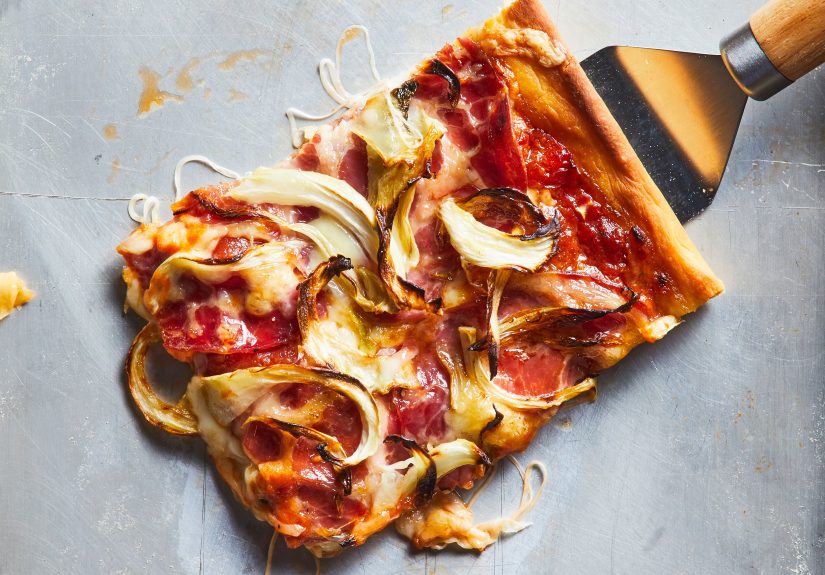
This version keeps the spirit of classic grandma pizza intact: a pan-baked rectangular pie with a crisp, olive-oil-kissed bottom, a light but chewy crumb, and toppings that feel generous without turning the whole thing into a roof shingle. Capocollo brings rich cured-pork flavor and a peppery edge. Fennel cuts through that richness with its fresh, mildly sweet anise note. Together, they turn a humble sheet-pan pizza into something that tastes like your weeknight got promoted.
What Makes Grandma Pizza Different?
Grandma pizza sits in a happy middle ground between thick Sicilian-style pies and thinner New York slices. It is usually baked in a rectangular pan, cut into squares, and built for home cooks rather than blistering commercial pizza ovens. That is part of the charm. It is practical pizza. Real-life pizza. “I have a sheet pan and a craving” pizza.
The crust is one of its best features. It is thinner than Sicilian, airier than a standard flat sheet-pan crust, and wonderfully crisp along the bottom and edges because the dough bakes in a generous coating of olive oil. Some grandma pies are topped with cheese first and sauce second. Others go sauce first. This recipe takes a balanced route inspired by the capocollo-and-fennel style: a light layer of sauce, a proper blanket of mozzarella, then the meat and fennel on top, where they can brown, curl, and get deliciously dramatic.
Why Capocollo and Fennel Work So Well Together
Capocollo, also called coppa or capicola depending on region and deli pronunciation battles, brings concentrated pork flavor with salt, spice, and a little fat that melts beautifully in the oven. It is thin, flavorful, and much more interesting than plain deli ham pretending to be invited.
Then there is fennel, the quiet hero. Raw fennel has a crisp bite and a gentle licorice note, but once it hits the oven, it softens and sweetens. That sweetness keeps the capocollo from dominating the pie. Add a sauce with tomato paste, oregano, garlic, and a pinch of crushed fennel seed, and suddenly the whole pizza tastes coherent instead of random. It is the culinary equivalent of getting the band back together and realizing everyone still sounds great.
Ingredients for Grandma Pizza With Capocollo and Fennel
For the Dough
- 1 3/4 cups lukewarm water
- 1 1/2 teaspoons active dry yeast
- 4 1/2 cups all-purpose flour
- 1 1/2 teaspoons kosher salt
- 2 tablespoons extra-virgin olive oil
For the Sauce and Toppings
- 2 tablespoons extra-virgin olive oil, divided
- 2 tablespoons tomato paste
- 2 tablespoons dry red wine
- 1 can (14.5 ounces) diced tomatoes, undrained
- 1 teaspoon fennel seeds, lightly crushed
- 1 teaspoon dried oregano
- 1/2 teaspoon garlic powder
- Salt and freshly ground black pepper, to taste
- 2 cups shredded low-moisture mozzarella
- 2 to 4 ounces thinly sliced capocollo
- 1 medium fennel bulb, trimmed, cored, and very thinly sliced
- 2 tablespoons grated Pecorino Romano or Parmesan
- Red pepper flakes, chopped basil, or fennel fronds for finishing
How to Make Grandma Pizza With Capocollo and Fennel
1. Make the Dough
In a large bowl, stir together the lukewarm water and yeast. Let it sit for about 5 minutes, until the yeast looks foamy and awake. Add the flour, salt, and olive oil. Stir until a shaggy dough forms, then knead on a lightly floured surface for about 5 to 7 minutes, until the dough is smooth and elastic.
Transfer the dough to a lightly oiled bowl, turn it once to coat, cover, and let it rise until doubled in size, about 1 1/2 hours. For deeper flavor, you can refrigerate it after the first rise and use it the next day. That extra time makes the dough taste more like it came from a neighborhood pizza shop and less like it just rolled out of bed.
2. Build the Sauce
Heat 1 tablespoon olive oil in a saucepan over medium heat. Add the tomato paste and cook, stirring, for 1 to 2 minutes to deepen the flavor. Pour in the red wine and let it cook off for about a minute. Add the diced tomatoes, crushed fennel seeds, oregano, garlic powder, salt, and black pepper. Simmer until slightly thickened, about 5 to 8 minutes. Set aside to cool.
This sauce is not trying to be a long-simmer Sunday gravy. It is sharper, brighter, and built for pizza. The wine adds depth, the fennel seed echoes the fresh fennel topping, and the tomato paste keeps the flavor focused instead of watery.
3. Stretch the Dough in the Pan
Preheat the oven to 425°F. Place a rack in the lower third of the oven. Generously oil a 15-by-10-inch baking pan or a similar rimmed sheet pan with the remaining tablespoon of olive oil. Turn the dough into the pan and gently stretch it toward the corners. If it keeps springing back, let it rest for 10 minutes, then try again. Dough can be a little dramatic, but it usually settles down.
Once it reaches the edges, cover loosely and let it puff for another 20 to 30 minutes. That short second rest helps give the crust its signature airy interior while still keeping the overall profile thin enough to feel like grandma pizza instead of focaccia in a costume.
4. Top the Pizza
Spread the sauce evenly over the dough, leaving a little breathing room at the edges. Scatter the mozzarella over the top. Arrange the capocollo slices so they ripple rather than lie flat. Tuck the sliced fennel between and over the meat. Finish with Pecorino or Parmesan and a few grinds of black pepper.
Do not overload the pie. Grandma pizza loves balance. Too much topping and the crust will steam instead of crisp. The goal is coverage, not chaos.
5. Bake Until Crisp and Golden
Bake for 22 to 25 minutes, or until the crust is browned, the cheese is bubbling, and the edges look irresistibly crisp. Let the pizza cool for 8 to 10 minutes before slicing into squares. Finish with red pepper flakes, basil, or fennel fronds if you like.
That cooling time matters. Slice too soon and the toppings slide around like they are late for a meeting. Give the pie a few minutes, and it rewards you with neat squares and a crust that crunches just enough before giving way to a tender center.
Best Tips for a Better Grandma Pizza
Use a Metal Pan, Not a Flimsy Cookie Sheet
A sturdy rimmed baking sheet or dark metal pan gives you better browning and a crisper underside. Thin pans can warp, and pale pans tend to bake softer crusts. Nobody is asking for pizza with the personality of damp toast.
Do Not Skimp on Olive Oil
The olive oil in the pan is not just there for insurance. It helps fry the bottom of the crust as it bakes, which is one of the reasons grandma pizza tastes so special. This is not the moment for restraint.
Choose Low-Moisture Mozzarella
Fresh mozzarella is lovely, but for this style it can release too much water. Low-moisture mozzarella melts evenly, browns well, and keeps the crust from getting soggy. Save the fresh stuff for another pie and let this one stay crisp and confident.
Slice the Fennel Thin
Very thin fennel slices cook sweet and tender. Thick slices can stay too crunchy and feel like they wandered onto the pizza from a salad bar. A mandoline is useful here, but a sharp chef’s knife does the job nicely.
Serving Ideas and Easy Variations
This pizza is great with a bitter green salad, roasted peppers, or a simple bowl of marinated olives. It is also excellent with a glass of red wine, sparkling water, or whatever beverage makes you feel like you have your life together.
Want to riff on the base recipe? Add a pinch of crushed red pepper to the sauce for more heat. Swap in provolone for part of the mozzarella if you want a sharper cheese profile. Add caramelized onions for a sweeter, richer pie. A few dollops of ricotta after baking also work beautifully. Just do not bury the capocollo and fennel under a mountain of extras. This pizza already has enough personality to carry the room.
Common Mistakes to Avoid
The biggest mistake is rushing the dough. Good grandma pizza does not demand an all-day project, but it does need enough time to rise and relax. Another common issue is using too much sauce. Keep the layer thin and purposeful. This is pizza, not tomato soup with ambition.
Also, resist the urge to pile on too much capocollo. It is salty and assertive, so a modest amount goes a long way. The fennel needs room to speak, too. The best square on the tray should taste like crust, tomato, cheese, meat, and fennel all at once, not like one topping hijacked the microphone.
Why This Recipe Is Worth Repeating
What makes this grandma pizza so appealing is not just that it tastes excellent. It is that it feels achievable. You do not need a pizza oven, a steel, or a dramatic cloud of flour flying through your kitchen while you pretend to be on television. You need a pan, an oven, and the willingness to let olive oil do some heavy lifting.
It is also the kind of recipe that rewards practice. The first time, you will be thrilled it worked. The second time, you will get more confident stretching the dough. By the third time, you will casually announce that you are “making pizza tonight,” which is the sort of domestic power move people remember.
Experience: What It Feels Like to Make and Eat Grandma Pizza With Capocollo and Fennel
There is a very specific joy to making a pizza like this at home, and it starts long before the first slice. It begins when the dough finally relaxes in the pan and stops fighting you. It continues when the sauce hits the surface in red streaks and you realize this is going to be one of those meals that makes the kitchen smell better than most restaurants on a random Tuesday. Then the capocollo goes on in thin folds, the fennel lands in pale ribbons, and suddenly the whole tray looks like something worth bragging about in a group chat.
What I love most about this style of pizza is how unpretentious it is. Grandma pizza does not ask for perfect circles, leopard spotting, or artisan poetry. It wants to feed people. It wants to be cut into squares and eaten standing at the counter while someone says, “Okay, wow,” with their mouth half full. That is part of the experience. This is not dainty food. It is deeply social food.
The capocollo changes the mood of the pizza right away. It smells savory and peppery as it warms, and the edges get a little crisp in the oven. The fennel softens just enough to turn silky but still keeps a bit of structure, which makes every bite feel layered instead of heavy. You taste the sweet tomato first, then the mozzarella, then the pork, then that subtle fennel note sneaks in at the end and keeps the whole thing from feeling too rich. It is the kind of bite that makes you immediately go back for another one just to “double-check” your thoughts.
It is also a wonderful pizza for hosting because it slices cleanly and holds well. You can put the tray in the center of the table and let people help themselves. Kids usually go for the cheesy middle pieces. Adults hover around the edge squares like polite little vultures because those corners are pure gold. And leftovers? Outstanding. A cold square from the fridge the next day is somehow both lunch and a personal victory.
There is something nostalgic about grandma pizza even when it is your first time making it. Maybe it is the sheet pan. Maybe it is the square slices. Maybe it is the way the recipe feels more generous than showy. It tastes like family food, even if your family usually communicates through memes and delivery apps. And when you make it with capocollo and fennel, it feels just elevated enough to break the routine without losing that homespun comfort. It says, “Yes, this is pizza night. But no, we did not come to play.”
That is why this recipe sticks with you. It is not only about flavor, though the flavor is excellent. It is about the full experience: the smell of yeast and olive oil, the bubbling cheese, the sizzle of the pan coming out of the oven, the first crisp bite, the second square you absolutely did not plan to eat, and the tiny moment of pride when everyone reaches for more before you even sit down. Some dinners are fuel. This one is a memory with cheese on it.
Conclusion
Grandma pizza with capocollo and fennel is proof that home-baked pizza can be both simple and seriously impressive. The pan-baked crust stays crisp and airy, the sauce is savory without being heavy, the mozzarella keeps everything melty and familiar, and the capocollo-fennel pairing gives every square a little extra attitude. It is a crowd-pleasing recipe with enough character to stand out and enough practicality to earn a permanent place in your dinner rotation.
In other words, it is the kind of pizza that makes you wonder why you do not make sheet-pan pizza more often. Then you take another square, and the mystery deepens.
Recipe Summary
Prep Time: 30 minutes
Rise Time: 2 hours
Bake Time: 22 to 25 minutes
Total Time: About 3 hours
Yield: 1 rectangular pizza, about 8 servings