Table of Contents >> Show >> Hide
- What Are Candied Yams, Exactly?
- Why Grandma’s Version Still Wins
- Grandma’s Candied Yam Recipe
- Why This Recipe Works So Well
- Tips for the Best Candied Yams Every Time
- Easy Variations on Grandma’s Candied Yam Recipe
- Candied Yams vs. Sweet Potato Casserole
- What to Serve with Grandma’s Candied Yams
- Make-Ahead, Storage, and Reheating
- Common Mistakes to Avoid
- The Real Secret to Grandma’s Candied Yam Recipe
- Kitchen Memories and Holiday Experiences Around Candied Yams
- SEO Tags
There are holiday side dishes, and then there are holiday side dishesthe ones that make people hover near the stove, “just checking” whether dinner is ready yet. Grandma’s candied yam recipe belongs in that second category. It is buttery, glossy, warmly spiced, and sweet enough to flirt with dessert without crossing the line and asking for whipped cream. The potatoes turn silky-soft, the syrup thickens into a caramel-like glaze, and the whole dish smells like someone opened the front door and let Thanksgiving walk in wearing perfume.
What makes this old-fashioned favorite endure is not just the flavor. It is the ritual. Someone peels. Someone slices. Someone insists the marshmallows are optional. Someone else claims they are spiritually necessary. And somewhere in the background, there is always one person saying, “Don’t skimp on the butter,” which, frankly, is the kind of family wisdom that deserves respect.
If you are looking for the best southern candied yams style recipe with classic flavor, easy steps, and enough nuance to taste like it came from a stained recipe card instead of a food trend meeting, this version delivers. It borrows the best ideas from traditional American kitchens: brown sugar for depth, butter for richness, orange juice and vanilla for brightness, cinnamon and nutmeg for warmth, and plenty of baking time so the sweet potatoes become tender instead of merely polite.
What Are Candied Yams, Exactly?
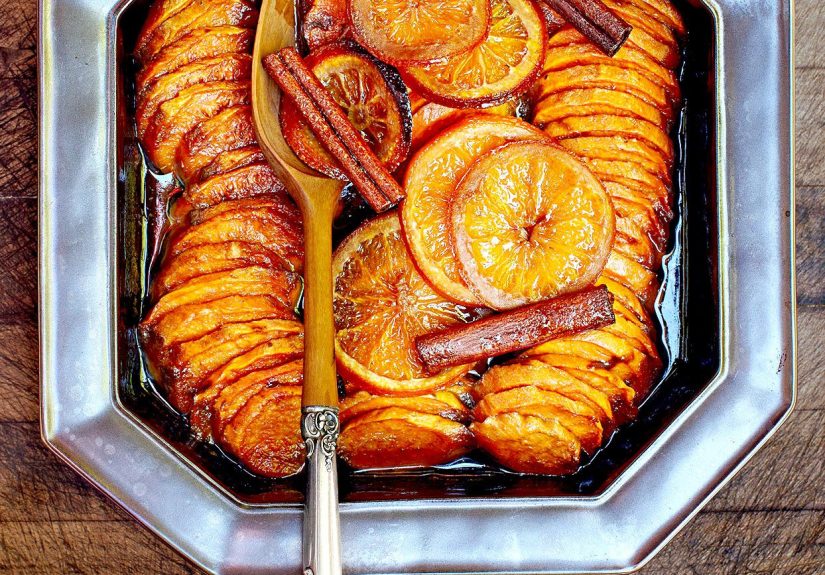
In most American kitchens, candied yams are actually made with orange-fleshed sweet potatoes. Yes, this is one of the great holiday identity crises, right up there with whether cranberry sauce counts as a vegetable. The name stuck, though, and so did the dish. What matters on the plate is that you get slices or chunks of sweet potato baked in a spiced sugar-and-butter syrup until everything turns glossy, fragrant, and fork-tender.
The best versions balance sweetness with a little salt and spice. They are not supposed to taste flat or one-note. A really memorable pan of candied sweet potatoes should hit you with caramel, butter, warm spice, and a little citrusy lift, all while keeping the potatoes distinct enough to hold their shape. Mush has its place in life, but not here.
Why Grandma’s Version Still Wins
Old-school cooks understood something modern recipe culture sometimes forgets: flavor is built in layers. Grandma did not just dump sugar on sweet potatoes and hope for emotional depth. She understood that a little vanilla makes the dish smell cozier, cinnamon gives it backbone, nutmeg adds a low-key holiday note, and orange juice keeps the sweetness from becoming heavy. The result is a dish that feels rich, but not cloying.
That is also why this recipe works beyond Thanksgiving. It belongs beside baked ham, roast chicken, pork chops, or even a simple Sunday dinner when everyone needs a little comfort and nobody wants to discuss their inbox. It is nostalgic without being fussy, impressive without being difficult, and sweet enough to make children suspiciously cooperative at the table.
Grandma’s Candied Yam Recipe
Ingredients
- 4 pounds orange-fleshed sweet potatoes, peeled and sliced into 1/2-inch rounds
- 1/2 cup unsalted butter, melted
- 1 cup packed dark brown sugar
- 1/4 cup granulated sugar
- 1/3 cup orange juice
- 1 tablespoon pure vanilla extract
- 1 teaspoon ground cinnamon
- 1/4 teaspoon ground nutmeg
- 1/4 teaspoon ground ginger
- 1/2 teaspoon kosher salt
- 1/2 cup chopped pecans, optional
- 1 to 1 1/2 cups mini marshmallows, optional
Instructions
- Preheat the oven to 375°F. Lightly butter a 9×13-inch baking dish.
- Arrange the sliced sweet potatoes in the dish, overlapping them slightly so the syrup can settle into every layer.
- In a medium bowl, whisk together the melted butter, brown sugar, granulated sugar, orange juice, vanilla, cinnamon, nutmeg, ginger, and salt until well combined.
- Pour the mixture evenly over the sweet potatoes. Use a spoon to nudge some of the syrup between the slices.
- Cover the dish tightly with foil and bake for 35 minutes.
- Remove the foil, carefully baste the potatoes with the syrup, and bake uncovered for 25 to 35 minutes more, or until the sweet potatoes are very tender and the glaze is bubbling and slightly thickened.
- If using pecans, sprinkle them over the dish during the last 10 minutes of baking. If using marshmallows, scatter them on top during the last 5 minutes and bake until puffed and lightly toasted.
- Let the dish rest for 10 to 15 minutes before serving. This part matters. The glaze thickens as it cools, and patience finally gets its moment.
Why This Recipe Works So Well
The Sweet Potatoes Stay Tender, Not Watery
Slicing the potatoes into even rounds helps them cook at the same pace, which means you are less likely to get a pan full of mixed signalssome pieces too firm, others collapsing into syrupy mush. Covering the dish for the first part of baking softens the potatoes gently, while uncovering it later lets the liquid reduce into that classic sticky glaze.
The Glaze Has Real Flavor
Brown sugar provides the deep, molasses-like note most people expect from an old-fashioned sweet potato recipe. The little bit of granulated sugar sharpens the candy effect, while butter smooths everything out. Orange juice brightens the dish so it does not feel overly heavy, and vanilla rounds off the edges like the culinary equivalent of a soft blanket.
The Spices Support the Dish Instead of Hijacking It
Cinnamon is the headline spice, but nutmeg and ginger give the recipe more dimension. The goal is warmth, not potpourri. You want guests to say, “These are amazing,” not, “Why do the potatoes taste like a craft store in November?”
Tips for the Best Candied Yams Every Time
1. Choose the Right Potatoes
Look for orange-fleshed sweet potatoes that feel firm and heavy for their size. Skip anything with soft spots, sprouts, or wrinkles. This is not the time for produce that looks emotionally exhausted.
2. Do Not Slice Them Too Thin
Very thin slices can fall apart before the glaze has time to develop. Around 1/2 inch is the sweet spot: thick enough to stay intact, thin enough to cook through.
3. Use Enough Salt
A modest amount of salt does not make the dish salty; it makes it taste more like itself. Without it, the sweetness can feel flat and overblown.
4. Baste Once or Twice
Spooning the syrup over the potatoes as they bake helps the glaze coat everything evenly. It is a small step with big payoff, like ironing a shirt or actually reading the group chat before replying.
5. Let the Dish Rest Before Serving
Right out of the oven, the syrup may look loose. Give it a few minutes and it becomes glossy and spoonable. This is when the magic happens.
Easy Variations on Grandma’s Candied Yam Recipe
With Marshmallows
If your family believes a holiday table is incomplete without toasted marshmallows, add them at the very end. They bring extra sweetness and a soft, gooey top layer that turns the dish into pure celebration.
With Pecans
Chopped pecans add crunch and a toasty contrast to the soft potatoes. This is especially helpful if the rest of the meal leans creamy or rich.
With Bourbon
A tablespoon or two of bourbon in the glaze adds depth and a faint smoky sweetness. It makes the dish taste a little more grown-up, as if it started paying property taxes.
With Pineapple or Orange Zest
A little extra fruit note can brighten the whole pan. Pineapple gives it a more old-school holiday feel, while orange zest makes the flavor pop in a fresh, fragrant way.
Candied Yams vs. Sweet Potato Casserole
People often lump these dishes together, but they are not the same. Sweet potato casserole is usually mashed or whipped and often topped with streusel, marshmallows, or both if your family enjoys excess in the noblest sense. Candied yams, by contrast, keep the sweet potatoes in slices or chunks and rely on a syrupy glaze for their signature texture. One is spoon-soft and fluffy; the other is glossy, rich, and structured. They are cousins, not twins.
What to Serve with Grandma’s Candied Yams
This dish shines next to savory mains. Try it with roast turkey, baked ham, fried chicken, pork loin, or even a holiday pot roast. On the side, green beans, collard greens, roasted Brussels sprouts, or a tart cranberry dish help balance the sweetness. A plate with candied yams, ham, green beans, and a fluffy dinner roll is basically an edible argument for tradition.
Make-Ahead, Storage, and Reheating
One reason Thanksgiving sweet potatoes remain so popular is that they fit real-life cooking schedules. You can assemble this dish ahead of time, cover it, and refrigerate it before baking. That makes it especially useful when the oven is juggling three other casseroles and one panicked cook.
After serving, refrigerate leftovers promptly rather than leaving them out for hours while everyone debates pie strategy. Store the cooled candied yams in an airtight container and enjoy them within 3 to 4 days. Reheat them covered in a 350°F oven until warmed through, or microwave individual portions if you are alone and unwilling to perform ceremony for Tuesday lunch.
Common Mistakes to Avoid
Using Too Much Liquid
The dish should be glazed, not swimming. Too much liquid prevents the syrup from thickening properly.
Undercooking the Potatoes
If a fork does not slide in easily, they are not done. Candied yams should be soft enough to yield, but not so overbaked that they collapse into sweet potato soup.
Adding Marshmallows Too Early
Marshmallows need only a few minutes. Add them too soon, and they melt into a golden swamp. A tasty swamp, yes, but still a swamp.
The Real Secret to Grandma’s Candied Yam Recipe
The real secret is not a hidden ingredient. It is attention. Grandma cooked by watching, smelling, tasting, and adjusting. She knew when the syrup needed another few minutes, when the potatoes needed basting, and when the pan was ready because the kitchen smelled like butter, spice, and brown sugar turning into something bigger than itself. A great grandma’s candied yam recipe is less about perfection than care. It is generous food. It is food that expects company.
And that may be why it endures. No matter how modern our menus become, there is still something irresistible about a bubbling baking dish of sweet potatoes glazed in butter and sugar, carrying the kind of aroma that can make grown adults wander into the kitchen and say, “Wow, that smells exactly like home.”
Kitchen Memories and Holiday Experiences Around Candied Yams
The older I get, the more I think dishes like candied yams are really memory machines disguised as side dishes. You do not just eat them; you walk into them. One spoonful and suddenly you are back in a warm kitchen with foggy windows, somebody humming near the stove, and a stack of serving bowls that seemed to appear only on holidays. There is always a little chaos in that memory, too. A cousin sneaking pecans from the cutting board. An aunt asking whether anyone has seen the good serving spoon. A grandparent acting calm while quietly running the entire operation like a benevolent general in an apron.
What I remember most about grandma-style candied yams is that nobody treated them like a casual recipe. They were discussed. Debated, even. Should the sweet potatoes be sliced into rounds or chunky wedges? Dark brown sugar or light? Orange juice or no citrus at all? Pecans? Marshmallows? Both? Every answer came with a story, which is how you knew the dish mattered. Nobody tells a dramatic five-minute story about plain steamed vegetables.
There was also something wonderful about how unhurried the process felt, even when the kitchen was busy. Peeling sweet potatoes took time. So did slicing them evenly and pouring the syrup over every layer. The pan went into the oven looking humble and came out transformed, bubbling at the edges and smelling like butter, vanilla, and cinnamon had formed a choir. You learned patience from dishes like this. The yams were never ready just because you wanted them to be ready. They were ready when the glaze thickened, when the potatoes gave way under a fork, and when grandma said, “Not yet,” in the tone that ended all negotiations.
Some of the best holiday memories happen in those tiny in-between moments. Standing too close to the oven for warmth. Watching the marshmallows toast if your family went that route. Hearing the scrape of a metal spoon against the glass baking dish when someone “just tasted” a corner. Candied yams had a way of drawing people into the kitchen before dinner was served. They were never just one more item on the menu. They were an event.
And maybe that is why the dish still means so much now. It carries the feeling of being gathered, of being expected, of being fed by someone who thought carefully about what would make people happiest at the table. Even when you make the recipe in your own kitchen years later, maybe with a different oven and a different set of hands helping, it still brings that feeling back. You smell the butter and brown sugar, and suddenly the room feels fuller. The recipe becomes bigger than ingredients. It becomes continuity. It becomes proof that comfort can be taught, passed down, and baked into a 9×13-inch dish until it bubbles.