Table of Contents >> Show >> Hide
- Why This Concept Works So Well Online
- The Creator Behind the Joke
- What Makes These Edits Actually Funny?
- Why People Keep Sharing These Images
- The Craft Behind the Chaos
- Why These Edits Feel Harmless While Other Fake Images Feel Creepy
- What Brands and Creators Can Learn From This Trend
- The Real Experience of Seeing These Celebrity Edits Online
- Final Thoughts
- SEO Tags
There are two kinds of celebrity photos on the internet: the polished, expensive, dramatically lit kind that look like they were shot by a team of 47 people holding reflectors the size of garage doors, and the kind that make you laugh so hard you forget your coffee exists. This article is about the second kind.
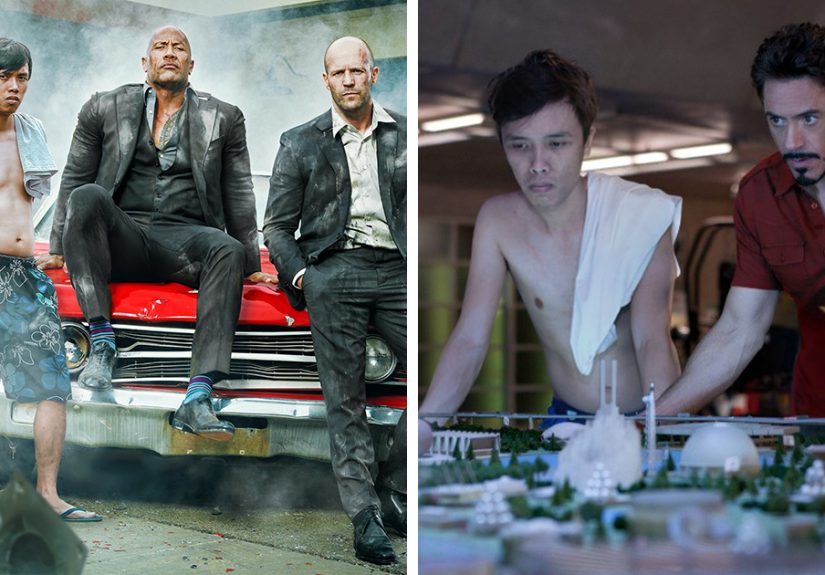
In recent years, one especially entertaining corner of internet culture has revolved around creators who digitally insert themselves into celebrity photos and somehow make the result feel both ridiculous and weirdly believable. The joke is simple: what if an ordinary guy suddenly appeared next to Taylor Swift, on a red carpet with Kim and Kanye, or half-asleep on David Beckham’s shoulder as if he had always belonged there? The answer, apparently, is that the internet will absolutely eat it up.
At the center of this idea is a creator persona made popular by Belgian internet personality Robert Van Impe, better known as Average Rob, whose celebrity edits turned the fantasy of “hanging out with famous people” into an ongoing visual comedy series. But the real story is bigger than one creator. These images work because they combine celebrity culture, everyday awkwardness, digital artistry, and that most powerful force on the web: a joke that feels instantly shareable.
Why This Concept Works So Well Online
The genius of funny celebrity edits is that they take a fantasy almost everyone understands and drag it into the land of glorious nonsense. Most people will never attend a movie premiere, sit in a VIP section, or casually appear in a luxury vacation photo with A-list stars. But nearly everyone has imagined, for one silly second, what it would be like if that happened. These edits turn that tiny daydream into a punchline.
That is what makes the idea so sticky. It is not really about fame. It is about contrast. You put a regular-looking guy into a glamorous celebrity universe, and suddenly the mood changes. A carefully staged photo becomes a comedy sketch. A dramatic fashion shot becomes a human disaster. A polished celebrity moment turns into something more relatable, because now there is a guy in the corner looking like he brought the wrong shoes, forgot the dress code, or wandered into the scene while searching for snacks.
And that contrast matters online. Social feeds are crowded with perfect faces, perfect angles, perfect lighting, and perfect captions that somehow sound like they were written by a committee of scented candles. Funny edits cut through all that polish by sabotaging it just enough. They are visually sharp, but emotionally messy. That is exactly why they feel alive.
The Creator Behind the Joke
Average Rob helped define this style by presenting himself not as a glamorous digital wizard, but as an intentionally “average” character. That choice is the secret sauce. Instead of trying to look cool next to celebrities, he usually looks out of place, overcommitted, underprepared, or comically unserious. He is not competing with celebrity perfection. He is crashing the party with a sandwich-level energy.
That self-deprecating angle changes everything. The joke is not, “Look at these famous people.” The joke is, “Look at me, clearly not built for this world, trying to act like I belong here.” It is playful parody without turning mean. The humor comes from the situation, not from cruelty.
Some of the funniest examples follow that exact formula. One image makes it look like he is part of an impossibly glamorous celebrity setup, except his presence instantly drains the cool factor in the best possible way. Another edit turns him into a random extra in what should have been a serious or romantic celebrity moment. In others, he seems to accidentally become part of a family portrait, a red carpet event, or a staged publicity shot that no longer looks polished because one human wildcard has entered the frame.
That recurring character makes the whole series stronger. Followers are not just looking at one-off gags. They are watching a running comedy world develop, one fake celebrity friendship at a time.
What Makes These Edits Actually Funny?
1. The images are convincing enough to make your brain do a double take
Great visual comedy often lives in the half-second between “Wait, is this real?” and “Oh no, this is nonsense.” That tiny delay is where the laugh happens. If the edit is too sloppy, the joke dies immediately. If it is too realistic and too serious, it becomes uncomfortable. But when it lands right in the middle, the image becomes irresistible.
The best celebrity edits understand that balance. Shadows match. Scale feels right. Facial expressions make sense. Clothing and posture are chosen carefully. The creator is not just slapping himself into a famous photo and calling it art. He is building a mini-scene with timing, composition, and character logic.
2. The humor is built on relatability, not superiority
One reason these edits feel warm rather than creepy is that the creator usually makes himself the least cool person in the frame. He is the awkward plus-one. The accidental photobomber. The exhausted friend. The human embodiment of “I should not be here, and yet here I am.” That is funny because people recognize themselves in it.
Online audiences respond to that tone because it feels human. It does not ask viewers to admire the creator from a distance. It invites them into the joke. The image basically says, “You too could accidentally ruin a celebrity photo, spiritually speaking.”
3. Celebrity culture is already halfway to parody
Modern celebrity photography often looks so stylized that it is already flirting with absurdity. Dramatic poses, elaborate staging, luxury backdrops, impossible outfits, and facial expressions that say, “I have not blinked since Tuesday” all create a world that can be punctured very easily. Add one normal guy with chaotic body language, and the illusion collapses beautifully.
That is why this format works so well with stars. Celebrity culture depends on distance. Funny edits erase that distance in the most unserious way possible. Suddenly the untouchable becomes a scene partner in a visual gag.
Why People Keep Sharing These Images
These edits thrive because they sit at the intersection of several internet instincts at once.
First, they are entertainment-forward. People go to social platforms to laugh, react, and send things to friends with messages like, “This is exactly your energy,” or “Why does this feel like something you would do?” That makes these images natural group-chat material.
Second, they play into parasocial curiosity. Audiences are fascinated by celebrities, but they are even more fascinated by the illusion of access to celebrities. A funny edit gives people that illusion while openly turning it into a joke. It lets viewers participate in celebrity culture without taking celebrity culture too seriously.
Third, this kind of content is instantly legible. You do not need a long caption, a six-part backstory, or a decoder ring. You see the image, your brain catches the mismatch, and the laugh arrives quickly. In internet terms, that is premium real estate.
Finally, these edits feel original. In a feed full of repeated trends and recycled audio, a creator with a distinct visual formula can still stand out. A recurring concept, a recognizable character, and a consistent comic tone make the work feel like a series instead of random posting.
The Craft Behind the Chaos
It is easy to look at a funny celebrity edit and think, “Ha, what a goofy idea.” It is harder to appreciate the amount of technical control required to make that goofy idea work.
Clean edits depend on more than cutting and pasting. The creator has to think about perspective, body proportions, skin tone, grain, lighting direction, image sharpness, environmental cues, and visual storytelling. If the celebrity photo is moody and editorial, the inserted figure cannot look like he wandered in from a flash-lit birthday party unless that mismatch is deliberately part of the joke.
That is also why the best pieces feel effortless. Good editing hides the labor. The viewer should never be distracted by the mechanics. The image needs to feel coherent enough that the absurdity can shine.
In that sense, funny edits are closer to visual storytelling than simple manipulation. The creator is not merely changing an image. He is rewriting what the image means.
Why These Edits Feel Harmless While Other Fake Images Feel Creepy
This is an important distinction. Not all manipulated images are innocent, and the internet has already seen how synthetic media can cross ethical lines fast. That is exactly why transparent, silly celebrity edits feel so different.
A good-natured celebrity gag usually announces itself as a joke. The tone is exaggerated. The scenario is obviously comedic. The creator’s persona is self-mocking. Nothing about it is trying to trick viewers into believing a false scandal, fake endorsement, or intimate encounter really happened. The image is entertainment, not deception.
That difference matters. Humor can remix culture in a playful way. Deceptive media tries to hijack trust. Funny edits say, “Let’s all enjoy how fake this is.” Harmful manipulations say, “Let’s see if people believe this.” One invites laughter. The other invites damage.
That ethical line will only become more important as image tools get more powerful. The more convincing digital manipulation becomes, the more creators who work in parody and humor will need to make their intent unmistakably clear. In a strange way, absurdity becomes a form of honesty.
What Brands and Creators Can Learn From This Trend
No, the lesson is not that every brand should start Photoshopping its intern into pictures with Beyoncé. Please breathe. Let us not make the internet worse before lunch.
The real lesson is that audiences respond to personality, originality, and a strong point of view. These celebrity edits work because the creator built a recognizable comic identity. He is not just editing images; he is showing viewers how he sees the world. In that world, celebrity glamour is one tiny stumble away from slapstick.
Creators who succeed online often understand this instinctively. Technique helps. Timing helps. Platform fluency helps. But a clear creative voice helps more. The reason people come back is not just “good Photoshop.” It is “I know exactly what kind of joke this person tells, and I want another one.”
That is also why human-made, human-feeling content remains valuable. The internet may love polish, but it loves personality more. When the work feels handcrafted, specific, and a little mischievous, it stands a better chance of being remembered.
The Real Experience of Seeing These Celebrity Edits Online
If you have ever encountered one of these images in the wild, you probably know the emotional sequence already. First comes confusion. Then the squint. Then the tiny mental pause where your brain tries to process why a very ordinary-looking guy appears to be sharing a deeply intimate, glamorous, or high-status moment with someone absurdly famous. Then the punchline lands, and you laugh because the whole thing is built on a contradiction your brain did not order.
That experience matters more than people think. A lot of internet content gets attention because it is loud, angry, shocking, or aggressively optimized. Funny celebrity edits do almost the opposite. They win because they create delight. Not outrage. Not panic. Not “you won’t believe what happened next” nonsense. Just delight. And honestly, that feels almost luxurious online now.
There is also something deeply social about the way people react to these posts. You rarely keep them to yourself. They are the kind of images you send to a sibling, a friend, or a group chat full of people who understand your exact flavor of stupid. Someone always replies with a variation of, “This is literally you,” which is both affectionate and slightly insulting. That is how you know the content works.
For many viewers, the fun also comes from scanning the details. The best edits reward a second look. Maybe the posture is unexpectedly perfect. Maybe the creator’s facial expression is what sells the whole scene. Maybe the celebrity looks serious while the inserted character looks like he is emotionally unqualified to be there. Those tiny details turn a simple joke into a replayable one.
There is a creator-side experience here too. To make this kind of work consistently, a person has to observe celebrity imagery like a comedy writer, not just a fan. You have to look at a polished publicity photo and ask, “What is the dumbest possible version of this image that still feels visually believable?” That is a strange and specific talent. It requires taste, restraint, and the courage to make yourself look ridiculous over and over again.
And that self-ridicule is part of the charm. Viewers can sense when a creator is willing to be the butt of the joke. It lowers the temperature. It makes the work feel playful instead of predatory. Rather than trying to steal celebrity shine, the creator becomes the guy tripping over the shine, spilling a drink on the shine, and then apologizing to the shine.
There is even a weird comfort in the repetition. Over time, the series becomes familiar. Followers know what they are getting, but they still want to see how the next image will bend the formula. That is how a one-liner becomes a creative franchise. It is not just “a guy in a celebrity photo” anymore. It is a recognizable comic universe where status, polish, and fame are always one awkward insertion away from becoming absurd.
In a feed built on velocity, that familiarity is powerful. It gives people something they can recognize instantly. It feels less like random content and more like visiting a character. That may be the biggest reason these images keep working: they do not just create laughs. They create anticipation. And on the internet, anticipation is gold wearing sweatpants.
Final Thoughts
The beauty of Guy Creates Funny Edits Of Him Hanging Out With Celebrities is that the idea is simple, but the effect is rich. It is celebrity culture deflated with a pin. It is digital craftsmanship in service of a dumb joke, which is one of the highest forms of internet art. It is a reminder that even in an age of perfect branding, polished feeds, and increasingly powerful image tools, people still love the same thing they have always loved: a well-timed laugh.
And maybe that is the real reason these edits stick. They do not promise status, access, or aspiration. They promise a moment of comic relief. They let us see famous people not as distant icons, but as accidental scene partners in a visual bit. More importantly, they let ordinary people imagine themselves inside the frame without needing to become glamorous first.
That is a surprisingly charming message from a silly internet trend. You do not have to become a celebrity to belong in the picture. Sometimes you just need good timing, sharp editing, and the confidence to look hilariously out of place.