Table of Contents >> Show >> Hide
- What Counts as “Naughty” (and Why Your Cat Thinks It’s Their Job)
- The Real Reasons Cats Get Mischievous
- Make Your Home a “Yes Zone” for Cats (Without Turning It into a Jungle Gym… Mostly)
- How to Capture the Naughty Photo Safely (Because Comedy Shouldn’t Come with an ER Visit)
- Redirect Like a Pro: Fix the Behavior Without Killing the Cat Spirit
- When “Naughty” Might Mean “Something’s Wrong”
- Make It a “Hey Pandas” Photo Game: Captions, Prompts, and Categories
- Naughty Cat Diaries: 10 Relatable “Experiences” Cat People Keep Living (About )
- Conclusion
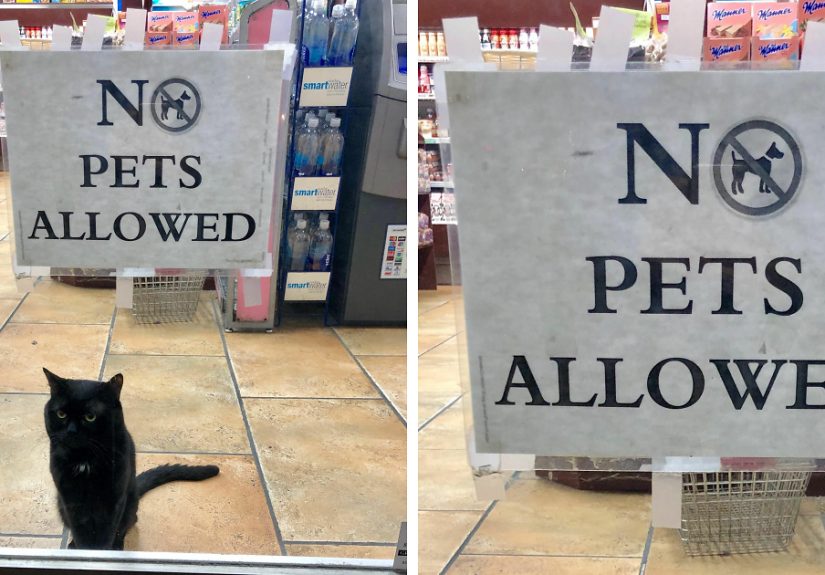
Somewhere on the internet, a person is typing: “Hey Pandas, post a picture of a cat being naughty.”
Somewhere else, a cat is already halfway through a crimestanding in the sink like it pays rent, pawing a glass
toward the edge of the table, or shredding a cardboard box with the dedication of an artist who will not be rushed.
And here’s the twist: most “naughty” cat moments aren’t villain arcs. They’re normal cat instinctsscratching, hunting,
exploring, seeking attention, and burning off energycolliding with human interior design. This post is your excuse to share
the photo (we demand the evidence, Your Honor), and learn what that behavior really means so you can keep the comedy
while reducing the chaos.

What Counts as “Naughty” (and Why Your Cat Thinks It’s Their Job)
Cats don’t have a human moral code. They have a cat operating system: climb, scratch, stalk, pounce, investigate,
repeat. When we label behavior “naughty,” we’re usually describing one of these totally normal needs showing up in
an inconvenient place.
Classic “naughty cat” greatest hits
- Scratching the couch instead of the scratching post that cost more than your first car payment.
- Knocking things off tables with the calm confidence of a tiny physicist.
- Counter-surfing like a furry food critic conducting “research.”
- Zoomies at 3 a.m. because nighttime is when the vibes are right.
- Ambushing ankles (often a play invitation that got… poorly translated).
- Chewing plants / cords or shredding paper like they’re trying to cancel your subscription to productivity.
If you’re thinking, “Okay, but it still feels personal,” you’re not alone. The important reframe is this:
your cat is rarely trying to be “bad.” They’re trying to be a cat in a home built for humans.
The goal isn’t to erase cat behaviorit’s to channel it into “approved chaos.”
The Real Reasons Cats Get Mischievous
Naughty-looking behavior usually comes from a short list of causes: natural instincts, boredom, stress, learned attention-seeking,
or an environment that doesn’t offer enough “yes spaces” (places where cat behavior is allowed and rewarded).
1) Scratching: nail care, stretching, and “this is mine” energy
Scratching isn’t a flaw; it’s feline maintenance and communication. Cats scratch to keep claws healthy, stretch their bodies,
and mark territory using both visible marks and scent from their paws. So when your cat chooses the sofa arm, they’re not
plotting your downfallthey’re picking a surface that’s sturdy, tall enough to stretch on, and conveniently located in
the center of the action (a.k.a. where you live).
2) Knocking stuff over: hunting practice + quick attention delivery
That slow-motion paw tap off the edge of the table can be instinct (movement triggers hunting curiosity), boredom,
or a clever learned trick: “When I bonk the vase, my human appears instantly.” If your cat is hungry, understimulated,
or simply enjoys testing gravity, knocking items down becomes a reliable way to make something happen.
3) Boredom: the mischief multiplier
A bored indoor cat will invent entertainment. Sometimes that entertainment is adorable. Sometimes it’s “I removed every tissue
from the box and now I’m wearing one like a cape.” Destructive behaviors can increase when cats lack daily play,
mental stimulation, and a predictable routine that includes outlets for hunting and foraging.
4) Stress or a change in routine
New people, a move, construction noise, another pet, a schedule changecats notice. Stress can show up as increased scratching,
hiding, vocalizing, irritability, or sudden “spicy” behavior that looks like attitude but is actually overwhelm.
Make Your Home a “Yes Zone” for Cats (Without Turning It into a Jungle Gym… Mostly)
The fastest way to reduce naughty behavior is to make it easy for your cat to do the right thing.
That means spreading out key resources and giving your cat optionsespecially in multi-cat homes.
Think of it like designing a tiny cat city: safe resting spots, scratching stations, play opportunities,
and places to climb and observe.
The “resources everywhere” rule of thumb
- Resting spots: cozy beds, window perches, hidden nooks.
- Scratching options: vertical posts and horizontal pads in high-traffic areas.
- Play and hunting outlets: wand toys, small kick toys, chase games.
- Foraging/food enrichment: puzzle feeders, treat trails, “hunt the kibble” games.
- Safe vertical space: cat trees, shelves, sturdy furniture routes.
Here’s the key: don’t hide the “good stuff” in the back corner like it’s a dusty treadmill. Cats often prefer to scratch
and perch where the household happensnear you, near entrances, near windows. Put the cat-friendly options
where your cat already wants to be.
How to Capture the Naughty Photo Safely (Because Comedy Shouldn’t Come with an ER Visit)
Yes, we want the picture. No, we don’t want anyonecat or humangetting hurt for the shot. A few quick guidelines:
Photo safety checklist
- Skip dangerous props: avoid glass edges, hot stoves, candles, and dangling cords.
- Don’t scare the cat for a reaction: no loud noises or sudden surprises.
- Use gentle lighting: avoid blasting flash in your cat’s face.
- Keep it short: if your cat is stressed or overstimulated, end the moment and reset.
- Choose prevention over punishment: set the scene safely, then snap the pic.
You’ll get better photos (and a calmer cat) if you stay neutral. Chasing turns it into a game. Yelling turns it into stress.
Quietly redirecting turns it into a routine: “This is where we scratch. This is where we climb. This is where snacks appear.”
Redirect Like a Pro: Fix the Behavior Without Killing the Cat Spirit
The gold standard for cat behavior change is simple: make the right choice easier than the wrong one,
then reward the right choice like your cat just solved a tiny mystery.
Scratching the couch? Build a better scratching setup
- Place posts where the crime happens: right next to the sofa corner, not across the house.
- Offer variety: tall vertical posts, flat cardboard scratchers, angled scratch ramps.
- Stability matters: a wobbly post is basically a “do not use” sign in cat language.
- Reward immediately: treats, praise, or a quick play session right after using the post.
- Protect the target temporarily: cover the scratched area while you build the new habit.
One important note: don’t force your cat onto the post by physically placing them there or rubbing paws on it.
Some cats find that stressful and avoid the post afterward. Instead, lure with a toy, sprinkle catnip (if your cat responds to it),
or reward when your cat investigates and scratches on their own.
Knocking things over? Remove the “instant attention” payoff
- Cat-proof the stage: move breakables, use museum putty, or reduce clutter on favorite shelves.
- Preempt with play: short daily play sessions burn energy and satisfy hunting instincts.
- Give a legal job: puzzle feeders, treat balls, or “find the kibble” scavenger hunts.
- Change your response: if knocking gets a big reaction, you’re accidentally training it.
If your cat has learned “object falls = human appears,” try flipping the script. Reward calm behavior and “good choices”
(like sitting nearby) with attention or treats, and keep reactions to shelf-taps as boring as possiblewhile still keeping things safe.
Ankle ambushes and rough play? Teach better play manners
Cats who pounce on feet are often saying: “Play with me.” Hands and ankles are terrible toys because they teach your cat
that human skin is fair game. Use wand toys to create distance, mimic prey movements (short darts, pauses, hiding),
and end sessions with a small treat so your cat feels like they “caught” something.
If you’re dealing with a real behavior problem, avoid harsh punishment. It can increase fear and stress and may make behavior worse.
Kind, consistent redirection and rewarding the behavior you want usually gets you farther (and keeps your relationship intact).
When “Naughty” Might Mean “Something’s Wrong”
A sudden behavior changenew aggression, new hiding, new litter box problems, or a cat who’s normally chill becoming
destructive overnightcan be a sign of stress or a medical issue. Pain and illness can shorten patience and increase irritability.
If the behavior is new, intense, or paired with other changes (appetite, grooming, sleep, litter box habits), it’s smart to
check in with a veterinarian.
Make It a “Hey Pandas” Photo Game: Captions, Prompts, and Categories
Posting a naughty cat photo is fun. Turning it into a mini community game is even better. Try adding a caption prompt
so people share stories and laugh together:
Caption prompts that never miss
- “Caught red-pawed doing…” (stealing bread, climbing curtains, rearranging the pantry)
- “The evidence vs. the face they made afterward”
- “If my cat had a job title, it would be…” (Shelf Quality Inspector, Plant Chomp Manager)
- “Zero regrets. Would do again.”
Fun categories for a photo thread
- The Shelf Sweeper (gravity tests everything)
- The Sofa Stylist (custom fringe design)
- The Counter Critic (reviews dinner plans)
- The Box Engineer (turns packaging into confetti)
- The Midnight Sprinter (laps for no reason)
Bonus: if you want the thread to be helpful as well as hilarious, ask people to share “what finally worked” after each photo.
The internet can be a surprisingly great idea bank for enrichment and training strategies.
Naughty Cat Diaries: 10 Relatable “Experiences” Cat People Keep Living (About )
If you’ve ever whispered “please don’t do it” at a cat who was already doing it, welcome. Here are the kinds of
“naughty cat” moments people share over and overbecause cats are original thinkers who somehow all attend
the same secret school of mischief.
1) The Slow Tap of Doom. Your cat locks eyes with you, extends one paw, and nudges a pen toward the edge
like they’re performing performance art. You freeze. They tap again. You take one step forward. The pen falls anyway.
Your cat looks satisfied, as if they just proved a major scientific theory: “Humans do, in fact, move when I say so.”
2) The Sofa Renovation Project. You bought a scratching post. Your cat tried it twice and then returned
to the couch arm with renewed commitment. The “experience” here is learning that placement matters. Move the post
right next to the sofa, reward every scratch on it, and suddenly your cat acts like it was their idea all along.
3) The Counter Surfing Food Documentary. The cat leaps up “just to look,” sniffs a cutting board,
and discovers crumbs from earlier. Now the counter is officially a foraging zone. People often solve this by clearing
food cues, adding puzzle feeders, and scheduling play before meal timesbecause hunger + boredom is basically a
recipe for tiny burglar behavior.
4) The Houseplant Taste Test. A leaf becomes a snack. You remove the plant. Your cat mourns for three seconds
and then bites a different plant. Many households respond by offering safe greens (like cat grass) and improving enrichment,
because chewing can be curiosity, stress relief, or “I need something to do with my mouth right now.”
5) The Midnight Zoom Track Meet. At 3 a.m., your hallway becomes a racetrack. The cat sprints, skids, launches,
and reappears with a single sock like a trophy. People who reduce this often do a short evening play session, end with a snack,
and give the cat a predictable “hunt → eat → groom → sleep” rhythm that lines up better with human bedtime.
6) The Ankle Ambush (Miscommunication Edition). Your cat pounces on your foot when you walk by.
It feels rude. Your cat thinks it’s a game. Switching to wand toys, rewarding calm behavior, and refusing to “wrestle with hands”
usually turns the ambush into a polite invitation: “Excuse me, I’d like to schedule a play appointment.”
7) The Box Shredder. You bring home a package and your cat instantly transforms it into confetti.
The “experience” is realizing shredding is enrichment. Give them cardboard scratchers, paper bags (handles removed),
and safe tearable toys, and they’ll often leave your important documents slightly more… important.
8) The Bathroom Supervisor. You close the door. Your cat protests like you’ve violated international law.
You open it. They sit in the doorway like a tiny lifeguard. For many cats, “naughty” is really “I want access to you,”
and the solution is more predictable attentionplus cozy resting spots nearby.
9) The Laptop Parkour Routine. You attempt to work. Your cat walks across the keyboard, sits on the mouse,
and stares at you like you’re the one being unprofessional. A warm decoy pad, a nearby perch, and a quick play break can be
shockingly effectivebecause your cat doesn’t hate your job; they just want a role in it.
10) The Innocent Face After the Crime. The best part: the “I have never done anything wrong in my life” expression.
That’s what this whole “Hey Pandas” prompt is really about. Laugh, snap the photo, then give your cat a better outlet so
the next masterpiece of mischief happens on a scratching post instead of your brand-new chair.
Conclusion
So yespost the picture of your cat being naughty. Caption it. Frame it. Start a thread. But also remember:
the cutest crimes are usually a cat meeting real needs in an inconvenient way. When you add better scratching stations,
daily play, foraging games, and a home that’s designed with “cat logic,” you don’t erase the personality.
You just move the mischief to places you can actually live with.