Table of Contents >> Show >> Hide
- Why Pets Can Help When You’re Injured or Ill
- Comfort Pet, Therapy Animal, Service Animal: What’s the Difference?
- What Pet Help Can Look Like During Injury or Illness
- Safety Tips: Let Your Pet Help Without Making You (or Them) Worse
- How to Share Your “Hey Pandas” Story (With Details People Actually Want)
- Bottom Line: Healing Is Physical, But It’s Also Emotional
- Extra “Hey Pandas” Experiences: Examples of Pets Helping People Feel Better
If you’ve ever recovered from an injury or tried to “rest” through an illness, you already know the hard part isn’t just the pain, swelling, or fatigue.
It’s the boredom. The worry. The weird quiet hours where your brain decides to replay every awkward conversation from 2009 in HD.
That’s where pets stroll insometimes literallylike tiny, furry nurses who didn’t go to medical school but still somehow run the whole ward.
They don’t bring you discharge paperwork. They bring you a warm body to lean on, a reason to get up, and (occasionally) a dramatically judgmental stare that says,
“Hydrate, human. I can hear your kidneys crying.”
This is your official “Hey Pandas” invitation: show us the real momentsbig or smallwhen your pet helped you feel better while you were hurt or sick.
And because we’re all curious (and a little nosy in the wholesome way), let’s talk about why it works, what it can look like, and how to share your story safely.
Why Pets Can Help When You’re Injured or Ill
The magic isn’t mystical. It’s biology, behavior, and the human tendency to feel braver when a small creature has decided we’re worth following from room to room.
Research on human-animal interaction suggests that spending time with animals can support mood, reduce stress, and encourage healthy routinesthree ingredients recovery loves.
The “Calm-Down Chemistry” Effect
When you pet a dog, cuddle a cat, or even sit quietly with a calm animal, your body can shift into a more relaxed state.
Multiple health organizations describe benefits like stress reduction and improved emotional well-being for many people who live with or interact with pets.
Think of it as your nervous system getting a gentle reminder: “We’re safe enough to exhale.”
This matters because stress isn’t just an annoying feelingprolonged stress can worsen sleep, amplify pain perception, and make healing feel harder.
A calmer baseline can make your recovery day feel less like a chaotic weather system and more like a predictable forecast: still not perfect, but manageable.
Routine: The Secret Sauce Nobody Brags About
Injuries and illnesses often steal your normal schedule. Suddenly you’re awake at 3:00 a.m., negotiating with a pillow like it’s a hostile government.
Pets don’t care about your existential crisisthey care about breakfast at breakfast-o’clock.
That routine can be incredibly stabilizing. Feeding times, gentle walks (when you’re able), litter box checks, medication reminders (for the pet, which somehow becomes your cue),
and simple daily interaction create structure when your body feels unpredictable.
Movement, Motivation, and Micro-Wins
Recovery often happens in tiny victories: one more minute standing, one more lap around the living room, one more day of consistent medication.
Pets can encourage those micro-wins in a non-preachy way. A dog asking to go outside might nudge you into a short, doctor-approved walk.
A cat relocating to your lap might convince you to sit down and rest when you’re trying to “push through” like a superhero in a low-budget sequel.
Connection That Doesn’t Require You to Be “On”
When you’re sick, even texting back can feel like running a marathon in jeans. Pets offer connection without demanding conversation,
eye contact, or an explanation of why you’re crying at a commercial about paper towels.
That kind of low-pressure companionship can be powerfulespecially for people dealing with long recoveries, chronic conditions, or the mental health stress that can ride along with physical illness.
Comfort Pet, Therapy Animal, Service Animal: What’s the Difference?
In “Hey Pandas” storytelling, all pet support counts. But it helps to know the categories, especially if you’re talking about animals in public spaces or medical settings.
Comfort Companions (Most Pets)
This is your everyday hero: the cat who purrs like a tiny engine, the dog who becomes your shadow, the rabbit who politely judges your life choices from a safe distance.
They’re not trained for clinical work; they’re just bonded to youand that bond can be deeply soothing.
Therapy Animals (Volunteer/Program Animals)
Therapy animals usually work with a handler through organized programs to visit hospitals, schools, nursing homes, and other settings.
These programs generally emphasize animal health, temperament, cleanliness, supervision, and safety protocolsbecause healing vibes are great, but infection control is also great.
Service Animals (Task-Trained Assistance)
Service animals are in a separate lane. Under U.S. federal guidance, service animals are typically dogs individually trained to perform tasks for a person with a disability.
In some cases, miniature horses may be accommodated under specific rules.
The key point: the animal performs trained work or tasksnot just emotional comfort (as valuable as comfort is).
For “Hey Pandas” stories, you don’t need a service animal to have a meaningful recovery moment. A pet can help you heal emotionally even if it’s “just” by staying close and making you laugh.
(Sometimes laughter is the most underrated physical therapy.)
What Pet Help Can Look Like During Injury or Illness
People tend to describe their pets’ help in a few common “genres.” If you’re not sure your story counts, skim these and prepare to realize you have at least three.
1) The Warm, Quiet Bodyguard
During fevers, migraines, post-surgery exhaustion, or days when pain has you stuck on the couch, many people report that their pets stay unusually close
like a soft, breathing weighted blanket with ears.
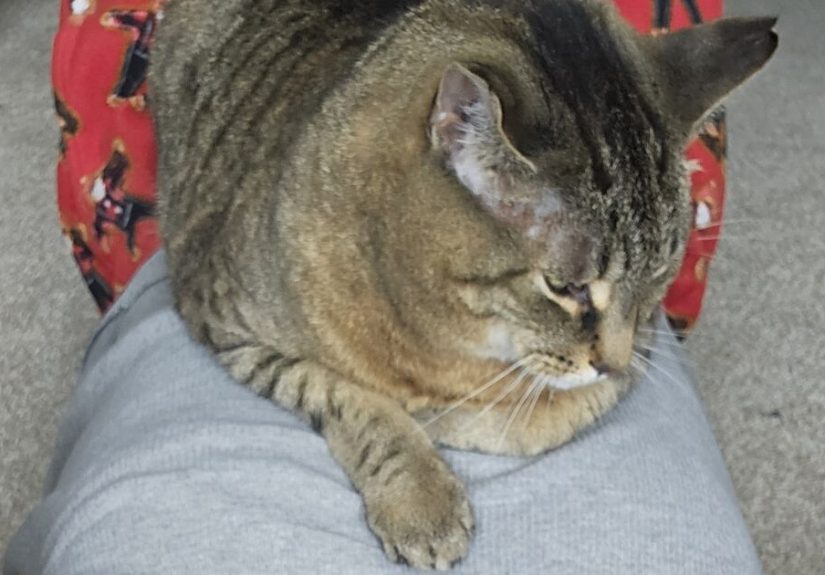
Dogs may lie at your feet like they’ve been hired as security. Cats may park on your lap with the confidence of a landlord collecting rent.
Even animals that aren’t traditionally “snuggly” can become calmer, hanging nearby as if they’re keeping watch.
2) The “Get Up, We’re Doing This” Coach
Recovery can be lonely, and motivation can evaporate fast. Pets can act like gentle accountability partners.
A dog who needs a short walk may help you do the minimum safe movement your clinician wants.
A cat demanding food may get you out of bed when you’d rather merge with your mattress and become furniture.
3) The Distraction Specialist
Pain and anxiety love attention. Pets are excellent at stealing it back.
Maybe your dog brings you a toy at the exact moment you’re spiraling. Maybe your bird whistles at your sneeze like it’s heckling you at a comedy club.
Maybe your cat does that dramatic stretch that looks like interpretive dance.
Distraction isn’t denialit’s relief. A mental break can lower perceived stress, which can make symptoms feel more tolerable and your day less overwhelming.
4) The Mood-Lifter Who Doesn’t Care About Your Productivity
Illness can come with guilt: “I should be doing more.” Pets are famously unimpressed by hustle culture.
They don’t need you to be productive. They need you to exist near them.
That acceptance can be grounding, especially during long recoveries or chronic conditions where progress is not linear.
If your pet is content with “resting and breathing,” maybe you can be, too.
Safety Tips: Let Your Pet Help Without Making You (or Them) Worse
Pets can be a genuine comfortbut injuries, wounds, and weakened immune systems require common-sense boundaries.
Think of this as “snuggles, but with a seatbelt.”
Keep It Clean (Especially Around Wounds)
- Wash your hands after handling food, treats, toys, leashes, litter, or cleanup.
- Avoid letting pets lick open wounds, bandages, or your face when you’re ill or recovering.
- Keep nails trimmed to reduce accidental scratches (because a “gentle paw” can still feel like a tiny rake).
If You’re Immunocompromised, Get Personalized Guidance
If you’re undergoing cancer treatment, taking high-dose steroids, living with certain chronic conditions, or otherwise immunocompromised,
talk with your healthcare team about safe pet contact.
Many people can keep pets with sensible precautions, but your situation deserves individualized advice.
When Your Pet Visits a Healthcare Setting
If your story involves therapy animal visits in a hospital or clinic, note the basics:
programs typically require animals to be healthy, clean, well-groomed, and supervised, with visits structured to reduce risk for patients and staff.
Respect the Pet’s Limits, Too
Recovery time can change your household energy. Pets may become clingier… or anxious.
Keep routines as steady as possible, offer calm reassurance, and avoid using a stressed animal as your “therapy tool.”
The best healing bond is mutual.
How to Share Your “Hey Pandas” Story (With Details People Actually Want)
The best stories aren’t just “my pet is cute” (although: yes). They answer the questions readers are secretly thinking.
Use this mini-checklist and you’ll have a story that feels vivid, relatable, and wonderfully human.
Story prompts to copy/paste
- What happened? (Injury or illnesskeep it as private as you like.)
- What did recovery look like? (Bed rest, crutches, PT, long fatigue days, etc.)
- What did your pet do differently? (Stayed close, brought toys, “guarded” you, made you laugh, encouraged short walks.)
- What moment made you realize: “Okay, this is helping”?
- Bonus: What’s your pet’s name, and what’s their “job title” now? (Chief Nurse? Emotional Support Gremlin?)
Photo ideas (if you’re sharing images)
- The “recovery buddy” pose (pet curled up near your blanket, not on your stitches).
- The “waiting outside the bathroom” classic (pets are privacy myths).
- The “PT supervisor” shot (pet watching you stretch like a coach who only gets paid in snacks).
- The “medicine time” face (pets judging pill organizers is a universal experience).
Bottom Line: Healing Is Physical, But It’s Also Emotional
Your body heals with rest, treatment, time, and careful movement. Your mind heals with safety, connection, laughter, and hope.
Pets can support that second half in a way that feels naturalbecause it is.
So yes: show us the stories. Show us the animals who stayed close when you couldn’t do much else.
Show us the tiny rituals that made hard days softer. Show us the moments your pet made you feel like yourself again.
That’s the heart of “Hey Pandas.”
Extra “Hey Pandas” Experiences: Examples of Pets Helping People Feel Better
Below are story-shaped examples inspired by the kinds of real experiences people commonly describe when talking about recovery and the human-animal bond.
If one sounds like you, steal the structure and tell your true versionyour pet deserves the credit (and probably a treat).
1) The Post-Surgery Couch Guardian
After a knee surgery, “stairs” became a horror movie villain and the couch became a long-term lease. The dogusually a high-speed goofballsuddenly switched into
quiet mode. Every time the doorbell rang, he’d bark once, then run back to sit facing the front door like a bouncer. He didn’t climb onto the sore leg.
He just stayed close enough that the patient could rest a hand on his back and feel steady breathing. It wasn’t a cure, but it turned lonely hours into “we’ve got this” time.
2) The Cat Who Enforced Bed Rest
With a nasty flu, the plan was “sleep and hydrate.” The reality was “scroll, worry, and attempt to do laundry like a delusional hero.”
The cat disagreed. She planted herself across the person’s thighs and refused to move, purring like a tiny engine.
Every time her human tried to stand, she’d stretch, re-settle, and give the slow blink that translates to: “No. Sit. Heal.”
Somehow, being lovingly bossed around by a five-pound creature made resting feel less like failure and more like teamwork.
3) The PT Coach With a Tail
During shoulder rehab, the exercises were boring enough to qualify as a new form of punishment.
The dog turned them into a ritual: whenever the resistance band came out, he’d trot over with a toy and drop it nearby,
as if saying, “If you’re doing something annoying, I’ll do something annoying too.” The person started pairing each set with a quick game of tug (within safe limits),
which made consistency easier. Weeks later, the shoulder improvedand the dog still thought bands meant “playtime,” which is honestly a better brand.
4) The Anxiety Interruptor
A chronic illness flare didn’t just bring pain; it brought the mental spiralWhat if this gets worse? What if I can’t handle it?
The pet rabbit wasn’t cuddly in the traditional sense, but it had a talent for showing up at the exact moment things got heavy.
It would hop over, nudge the person’s foot, and then calmly start grooming itself like the world was fine.
That tiny normalcy was a reset button: breathe, focus on the present, do the next small thing. The rabbit wasn’t solving the illnessit was softening the panic.
5) The “I’m Here” Night Shift
After a concussion, sleep was messytoo much, too little, never at the right time. Nights felt long and loud in the quiet way.
The older cat began doing “rounds,” padding into the bedroom, checking the bed, and then settling at the foot like a gentle lighthouse.
On the worst nights, the person would count the cat’s breathing instead of counting worries. The cat didn’t need to do anything dramatic.
It just needed to show up, again and again, until the nervous system learned the night wasn’t a threat.
6) The Laugh Delivery Service
During a rough medication adjustment, moods swung like a screen door in a storm. One day was teary, the next was irritable, the next was numb.
The dogunbothered by human complexitydecided to bring a squeaky toy to every room, dropping it at the person’s feet like an offering.
Eventually, the sheer absurdity of being presented with the same slobbery gift at 2:00 a.m. cracked a smile.
It wasn’t a deep, cinematic breakthrough. It was just laughter returning for a minutewhich can be surprisingly medicinal.
7) The Quiet Companion for Long-Term Recovery
A long illness can shrink your world. Friends mean well, but visits become rare, and you start to feel like your life is on pause.
The small dog didn’t “fix” the isolation, but it gave the day shape: short walks when energy allowed, a warm body during naps,
and the gentle nudge of a nose when sadness got heavy. The person began taking one photo a daynothing fancy, just proof that life was still happening.
Months later, the photo roll looked like a slow climb back to normal, with the dog in nearly every frame, faithfully photobombing recovery.