Table of Contents >> Show >> Hide
- What “High Cholesterol Foods” Really Means
- What to Avoid or Limit (The “Proceed with Caution” List)
- 1) Processed meats
- 2) Fatty cuts of red meat
- 3) Full-fat dairy and cream-heavy foods
- 4) Deep-fried foods
- 5) Baked goods and packaged snacks made with unhealthy fats
- 6) Tropical oils (especially in processed foods)
- 7) Organ meats and very high-cholesterol animal foods (for some people)
- 8) Restaurant “cholesterol traps”
- What to Eat More Of (Foods That Help Your Cholesterol)
- 1) Oats, oat bran, and high-soluble-fiber foods
- 2) Beans, lentils, chickpeas, and other legumes
- 3) Fruits and vegetables (especially consistently, not just “sometimes”)
- 4) Whole grains
- 5) Fish (especially fatty fish)
- 6) Nuts and seeds (in sane portions)
- 7) Unsaturated oils instead of solid fats
- 8) Low-fat or fat-free dairy (if you eat dairy)
- 9) Foods with added plant sterols/stanols (optional but useful)
- Foods People Often Ask About
- How to Read Labels Without Losing Your Mind
- A Practical “What to Eat / What to Avoid” Cheat Sheet
- Sample Day of Cholesterol-Friendly Eating (That Still Tastes Like Food)
- Common Mistakes That Keep Cholesterol From Improving
- Final Takeaway
- Experience Notes (500+ Words): What People Often Notice When They Change High-Cholesterol Food Habits
If cholesterol nutrition advice has ever made you want to throw your frying pan out the window, you’re not alone. One day eggs are villains, the next day butter gets a fan club, and somehow a muffin the size of a throw pillow is still marketed as a “healthy breakfast.” Let’s fix the confusion.
This guide breaks down high cholesterol foods, what matters most for your heart, and how to build a practical eating plan without turning every meal into a punishment. Spoiler: you do not need to live on sad lettuce.
What “High Cholesterol Foods” Really Means
When people say “high cholesterol foods,” they often mean foods that can worsen your cholesterol profile (especially LDL cholesterol, often called “bad” cholesterol). Here’s the important nuance: many foods that contain dietary cholesterol also come packaged with saturated fat and sometimes trans fatand those fats are major drivers of unhealthy cholesterol levels for many people.
In plain English: the bigger problem is often not the cholesterol on the plate, but the company it keeps (butter, cream, processed meat, frying oil, and oversized portions).
What to Avoid or Limit (The “Proceed with Caution” List)
You don’t need a dramatic breakup speech for every food below, but these are the items most people should limit when trying to lower LDL cholesterol and support heart health.
1) Processed meats
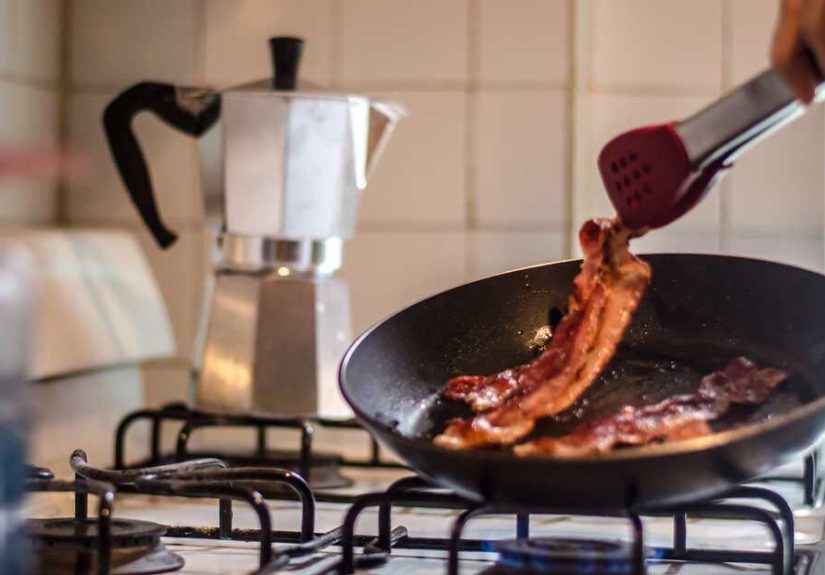
Bacon, sausage, hot dogs, salami, bologna, and many deli meats are frequent troublemakers. They’re often high in saturated fat, sodium, and heavily processed ingredients. They also tend to show up in meals that are already stacked with refined carbs and cheese (looking at you, breakfast sandwich towers).
Smarter swap: turkey breast, skinless chicken, tuna, salmon, tofu, lentils, or beans.
2) Fatty cuts of red meat
Ribeye, heavily marbled beef, short ribs, and fatty pork cuts can push saturated fat intake up quickly. Red meat doesn’t have to be banned forever, but portion size and frequency matter.
Smarter swap: leaner cuts (loin or round), smaller portions, and more plant proteins during the week.
3) Full-fat dairy and cream-heavy foods
Butter, heavy cream, full-fat cheese, ice cream, and creamy sauces can quietly load your meals with saturated fat. The sneaky part? A little here, a little there, and suddenly your “healthy” chicken dinner is swimming in a creamy sauce that could double as wallpaper paste.
Smarter swap: low-fat or fat-free yogurt, lower-fat milk, smaller cheese portions, or olive-oil-based sauces.
4) Deep-fried foods
Fried chicken, fries, fried snacks, and fast-food sides can combine unhealthy fats with excess calories and sodium. Depending on preparation, they may also include or have historically included partially hydrogenated oils.
Smarter swap: baked, roasted, grilled, broiled, air-fried, or sautéed (with a modest amount of oil).
5) Baked goods and packaged snacks made with unhealthy fats
Doughnuts, pastries, cookies, pies, snack cakes, and some crackers can be high in saturated fat, added sugars, and refined flour. They don’t just affect cholesterol indirectly through weight gain riskthey also crowd out foods that actually help your heart.
Label tip: Even if a label says “0g trans fat,” check the ingredient list for partially hydrogenated oil. Tiny servings can hide trans fat math.
6) Tropical oils (especially in processed foods)
Coconut oil and palm oil are common in some packaged foods, coffee creamers, baked goods, and “plant-based” snacks that are healthier in marketing than in reality. Some tropical oils are high in saturated fat, so “plant-based” does not automatically mean heart-friendly.
7) Organ meats and very high-cholesterol animal foods (for some people)
Organ meats like liver are high in dietary cholesterol and may be worth limiting, especially if your clinician has told you to be more cautious. This category matters more for some people than others, including those with certain genetic cholesterol conditions or existing cardiovascular disease risk.
8) Restaurant “cholesterol traps”
The real issue is often the combo meal: fatty meat + buttered bread + creamy sauce + fries + dessert. Any single item might be manageable, but the full lineup can push saturated fat, sodium, and calories way up.
Strategy: Pick one indulgent item, not four. Your arteries like boundaries.
What to Eat More Of (Foods That Help Your Cholesterol)
Here’s the good news: cholesterol-friendly eating is less about restriction and more about replacement. Add foods that support better LDL, HDL, and triglyceride patterns while naturally pushing out the high-saturated-fat stuff.
1) Oats, oat bran, and high-soluble-fiber foods
Soluble fiber helps reduce cholesterol absorption in the bloodstream. Oatmeal is the celebrity here, but beans, lentils, apples, pears, and Brussels sprouts also deserve a standing ovation.
Easy wins: oatmeal breakfasts, overnight oats, bean soups, lentil bowls, fruit with peanut butter.
2) Beans, lentils, chickpeas, and other legumes
Legumes are budget-friendly, filling, and rich in fiber. They’re one of the easiest ways to improve your plate quality without fancy recipes or expensive “superfood” powders that taste like lawn clippings.
Easy wins: black bean tacos, lentil chili, hummus, chickpea salads, split pea soup.
3) Fruits and vegetables (especially consistently, not just “sometimes”)
Fruits and vegetables provide fiber and nutrients while helping displace higher-fat, heavily processed foods. Consistency matters more than perfection. A salad once a month does not cancel out a daily fast-food routine.
Easy wins: add fruit to breakfast, fill half your dinner plate with vegetables, keep frozen produce on hand.
4) Whole grains
Whole-grain breads, cereals, brown rice, barley, and whole-grain pasta can support heart-healthy eating patterns. They also help with fullness, which makes it easier to avoid snack attacks at 10 p.m.
Easy wins: swap white rice for brown rice or barley a few times per week.
5) Fish (especially fatty fish)
Fish like salmon, tuna, mackerel, herring, and trout provide omega-3 fats that help support heart health and can help lower triglycerides. Bonus points if you bake or grill instead of frying.
Easy wins: salmon once weekly, tuna salad (light on mayo), fish tacos with cabbage slaw.
6) Nuts and seeds (in sane portions)
Almonds, walnuts, chia seeds, and flaxseed bring healthy fats and fiber. They’re excellentbut still calorie-dense so think handful, not bucket.
Easy wins: add walnuts to oatmeal, chia to yogurt, ground flax to smoothies.
7) Unsaturated oils instead of solid fats
Replacing butter, shortening, or lard with oils like olive or canola is one of the simplest heart-smart upgrades. This is a classic “small change, big impact” move.
Easy wins: olive oil vinaigrette, canola/olive oil for cooking, avocado instead of butter on toast.
8) Low-fat or fat-free dairy (if you eat dairy)
You can still enjoy dairy while trimming saturated fat. Low-fat yogurt, low-fat milk, and smaller portions of cheese can fit into a cholesterol-lowering plan much more easily than full-fat dairy everything.
9) Foods with added plant sterols/stanols (optional but useful)
Some fortified foods contain plant sterols or stanols, which can help block cholesterol absorption. These can be a helpful tool for some people, especially when combined with overall diet changesnot as a magic pass for a junk-food diet.
Foods People Often Ask About
Eggs: friend, foe, or “it depends”?
Eggs contain dietary cholesterol, but they don’t affect everyone’s blood cholesterol the same way. For many people, overall dietary pattern matters more than one egg at breakfast. The bigger issue is often what comes with the eggs: bacon, sausage, buttered toast, hash browns, and pastries.
If you have high LDL, heart disease, diabetes, or a personalized nutrition plan from your clinician, ask how eggs fit into your situation. Personalization beats internet arguments.
Shrimp and shellfish
Shellfish can contain cholesterol, but they’re often lower in saturated fat than fatty meats. Preparation matters: grilled shrimp is a different story than deep-fried shrimp in creamy sauce.
Coconut oil
It may be trendy, but trendy and heart-healthy are not synonyms. Because coconut oil is high in saturated fat, use it sparingly if you’re trying to lower LDL cholesterol.
“Low-fat” packaged snacks
Low-fat doesn’t always mean healthy. Many low-fat products compensate with added sugar, refined starches, and a nutrition label that reads like a chemistry midterm. Read labels, not just front-of-package promises.
How to Read Labels Without Losing Your Mind
- Check saturated fat per serving and compare products.
- Look for trans fat and scan the ingredient list for partially hydrogenated oils.
- Watch serving sizes“0g” can add up if you eat multiple servings.
- Check sodium and added sugars, especially in sauces, snacks, and frozen meals.
- Use ingredient lists as a tie-breaker: shorter and more recognizable usually wins.
If two products look similar, choose the one with less saturated fat and a cleaner ingredient list. That one habit alone can improve your weekly grocery cart fast.
A Practical “What to Eat / What to Avoid” Cheat Sheet
Choose More Often
- Oatmeal, oat bran, barley
- Beans, lentils, chickpeas, peas
- Fruits (especially apples, pears, berries, citrus)
- Vegetables (fresh or frozen)
- Whole grains
- Fish (baked/grilled)
- Nuts and seeds (moderate portions)
- Olive oil, canola oil, avocado
- Low-fat or fat-free dairy
- Lean poultry and leaner cuts of meat
Limit or Avoid More Often
- Processed meats (bacon, sausage, deli meats)
- Fatty cuts of red meat
- Butter, cream, full-fat cheese, rich sauces
- Deep-fried foods
- Pastries, doughnuts, cookies, snack cakes
- Packaged foods with partially hydrogenated oils
- Foods high in palm/coconut oil (especially processed snacks)
- Organ meats (if advised to limit dietary cholesterol)
Sample Day of Cholesterol-Friendly Eating (That Still Tastes Like Food)
Breakfast
Oatmeal topped with berries, walnuts, and a spoon of ground flaxseed + coffee or tea.
Lunch
Big salad with chickpeas, mixed vegetables, olive-oil vinaigrette, and whole-grain toast.
Snack
Apple + a small handful of almonds.
Dinner
Baked salmon, roasted vegetables, and barley (or brown rice).
Dessert
Plain Greek yogurt (low-fat) with fruit and cinnamon.
Notice what’s missing: nothing dramatic. It’s mostly swaps, not suffering.
Common Mistakes That Keep Cholesterol From Improving
- Only focusing on “cholesterol” foods and ignoring saturated/trans fats.
- Making one healthy meal and keeping the rest of the week unchanged.
- Overdoing healthy fats (yes, olive oil and nuts are healthy, but portions still count).
- Ignoring labels on breads, snacks, coffee creamers, and frozen meals.
- Expecting instant results after three salads and a motivational playlist.
Final Takeaway
If you’re worried about high cholesterol foods, the smartest move is to stop chasing one “bad” ingredient and start improving your overall eating pattern. Limit foods high in saturated and trans fats, build meals around fiber-rich plants and whole foods, and use healthier fats in place of solid fats.
You don’t need perfection. You need a pattern you can repeat.
And if your cholesterol numbers are significantly elevatedor you have a family history of heart diseasework with a clinician or registered dietitian. Food matters a lot, but sometimes genetics shows up to the party too.
Experience Notes (500+ Words): What People Often Notice When They Change High-Cholesterol Food Habits
The most common experience people describe is not “I became a totally different person in 48 hours.” It’s much less dramaticand much more useful. Week one usually feels like a label-reading boot camp. People realize how many everyday foods are quietly high in saturated fat: coffee drinks, pastries at work, creamy sauces, frozen dinners, “healthy” granola bars, and snack crackers that somehow contain palm oil. The first surprise is often this: the problem wasn’t just one food. It was a pattern of small choices adding up.
By week two or three, people often report that the easiest wins come from breakfast. Swapping a buttery pastry or fast-food sandwich for oatmeal with fruit and nuts sounds simple, but it changes the whole day. Hunger feels more manageable, cravings hit less aggressively in the afternoon, and there’s less temptation to raid the vending machine at 3 p.m. Many people say, “I thought I needed more willpower, but I really just needed a breakfast that wasn’t dessert in disguise.”
Another common experience is learning that “healthy” doesn’t have to mean bland. Once people start using olive oil, herbs, vinegar, citrus, garlic, and spices, meals get betternot worse. Roasted vegetables begin to taste like actual food instead of punishment. Beans and lentils become reliable staples instead of emergency pantry decorations. Fish gets easier to eat when it’s baked with seasoning and served in tacos, bowls, or salads instead of being treated like a dry, joyless obligation.
The biggest challenge tends to be social eating. Restaurant meals, office snacks, and family gatherings can make it hard to stay consistent. People often say the most effective strategy is not trying to “be perfect” at events. Instead, they pick one thing to enjoy and one thing to skip. For example: burger, no fries; dessert, no creamy appetizer; steak, but smaller portion and vegetables on the side. This feels sustainable because it avoids the all-or-nothing cycle where one indulgent meal turns into a three-day food spiral.
Some people also notice that when they focus on lowering cholesterol through food, other things improve too: energy is steadier, digestion is better (hello, fiber), and cooking confidence goes up. They learn a handful of repeatable meals and stop depending on ultra-processed convenience foods. Grocery shopping gets faster because they stop chasing marketing claims and start buying basics: oats, beans, fruit, vegetables, fish, whole grains, yogurt, nuts, and oils.
Perhaps the most encouraging experience is the mindset shift. At first, many people approach cholesterol eating changes like a temporary punishment. Later, they start seeing it as a skill. They learn how to build a better sandwich, how to order at restaurants, how to read labels, and how to make swaps without feeling deprived. That skill-based approach makes the changes stick. And when lab results improve, it feels less like luck and more like proof that everyday choiceseven imperfect onescan move health in the right direction.