Table of Contents >> Show >> Hide
- Why personal hygiene matters for overall health
- Health benefits of good personal hygiene
- The most important hygiene habits to teach children
- How to teach kids personal hygiene without constant nagging
- An age-by-age guide to teaching hygiene
- Common mistakes parents make when teaching hygiene
- When parents should talk to a doctor or dentist
- Conclusion
- Real-life experiences: what teaching hygiene actually looks like at home
- SEO Tags
Personal hygiene does not usually get a standing ovation. Nobody throws a parade because a child remembered to wash their hands after petting the dog. And yet, these quiet little habits do a huge amount of heavy lifting. They help reduce the spread of germs, protect teeth and gums, support healthy skin, build confidence, and teach children that caring for their bodies is part of caring for themselves.
In other words, hygiene is not just about smelling nice and showing up to school without mystery stains on a sleeve. It is a practical, everyday health skill. It also happens to be one of the first forms of independence children learn. A child who can wash, brush, wipe, change clothes, and manage simple routines is building more than cleanliness. They are building life skills, self-respect, and trust in their own abilities.
This guide breaks down the real health benefits of personal hygiene, the core habits that matter most, and the smartest ways to teach children without turning every bathroom visit into a courtroom drama.
Why personal hygiene matters for overall health
Personal hygiene is the daily practice of keeping the body clean and reducing the spread of germs. That includes handwashing, bathing, brushing teeth, cleaning under nails, wearing clean clothes, covering coughs and sneezes, and handling bathroom habits properly. For older children, it also expands to deodorant, skin care, and puberty-related routines.
These habits matter because children touch everything. Then they touch their faces. Then they touch snacks. Then they touch the family dog. It is basically a tiny epidemiology experiment with sneakers.
Good hygiene helps interrupt that cycle. Clean hands lower the chance of stomach bugs and respiratory infections. Good oral hygiene helps prevent cavities, gum irritation, and bad breath. Regular bathing helps manage sweat, oil, dirt, and odor. Nail care reduces trapped dirt and lowers the chance of scratching skin with sharp edges. Clean clothing and underwear reduce discomfort, odor, and skin irritation.
There is also a social and emotional side to hygiene. Children who understand how to care for their bodies often feel more comfortable at school, in sports, and around peers. Hygiene habits can support confidence, reduce embarrassment, and make daily routines smoother for the entire household.
Health benefits of good personal hygiene
1. It helps prevent the spread of germs
Handwashing is the star player here. Soap and water remove germs, dirt, and grime from hands before those germs travel into the mouth, eyes, nose, food, toys, or other people. This matters especially at home, in school, on playgrounds, and during sports seasons when children are constantly sharing space and surfaces.
Clean hands are especially important before eating, after using the bathroom, after coughing or sneezing, after touching pets, after outdoor play, and after handling garbage or dirty laundry. Hand sanitizer can help when soap and water are not available, but it is the backup singer, not the lead vocalist. When hands are visibly dirty, soap and water do the better job.
2. It protects oral health
Brushing and cleaning between teeth help prevent cavities, plaque buildup, gum disease, and bad breath. For children, oral hygiene starts earlier than many parents expect. Once the first tooth appears, the brushing routine should begin. That may sound unfair to parents who just survived teething, but the timing matters.
Healthy baby teeth matter too. They help children chew, speak clearly, and hold space for adult teeth. Skipping oral care because “they’ll fall out anyway” is one of the great parenting myths, right up there with “my child will definitely like vegetables next week.”
3. It supports skin comfort and cleanliness
Bathing helps remove sweat, oil, dirt, allergens, and odor. It can also help children feel fresh and comfortable after sports, outdoor play, swimming, or hot weather. But more washing is not always better. Too much scrubbing, very hot water, or harsh products can irritate skin, especially in children with dryness, eczema, or sensitivity.
Good hygiene should protect the skin barrier, not bully it. Mild soap, sensible bathing frequency, and moisturizer when needed often work better than turning bath time into a power-washing event.
4. It reduces discomfort and odor during puberty
As children enter puberty, sweat glands become more active and body odor becomes more noticeable. This is normal, not a sign that your child has secretly been training for a role as a swamp monster. It simply means routines may need to change. Daily showers, clean socks and underwear, deodorant, and better clothing habits become more important.
5. It builds independence and self-respect
Hygiene routines teach responsibility in a very practical way. A child who learns to brush teeth well, wash hands thoroughly, and take a shower without a dramatic negotiation is learning consistency, body awareness, and self-care. Those skills carry over into other parts of life, including school readiness and social confidence.
The most important hygiene habits to teach children
Handwashing
Teach children to wet hands, lather with plain soap, scrub for at least 20 seconds, rinse well, and dry with a clean towel or air dryer. The key is full coverage: backs of hands, palms, between fingers, wrists, and under nails. Warm or cold running water both work, so there is no need to wait for “perfect spa temperature.”
One useful trick is using a short song, such as singing “Happy Birthday” twice. It works because children need something concrete. “Wash well” is vague. “Sing this whole song” is clear.
Toothbrushing and flossing
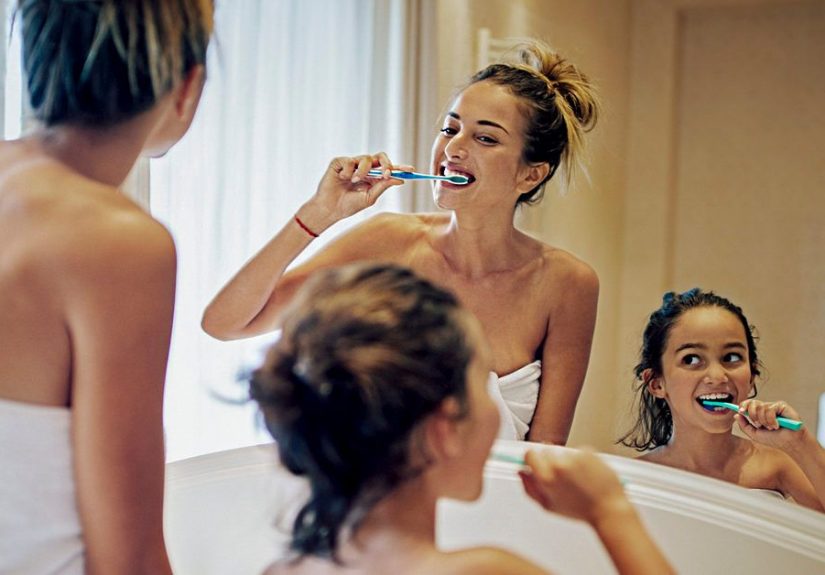
Children should brush twice a day. For babies and toddlers, use a tiny smear of fluoride toothpaste. For children ages 3 to 6, a pea-sized amount is usually recommended. As children grow, parents should continue to supervise and help, especially because many kids are excellent at brushing the same two teeth with enormous confidence.
Once teeth touch, daily cleaning between teeth becomes important. Many children need help with brushing until around age 8, and even after that, supervision still helps. Replace toothbrushes every three to four months, or sooner if the bristles look worn out and defeated.
Bathing and showering
Bathing needs change by age and activity level. School-age children may not need a full bath every day unless they are dirty, sweaty, or smelly. After puberty starts, daily showers become more practical for most kids, especially those involved in sports. Focus on underarms, groin, feet, and scalp as needed.
Children should also wash after swimming and after heavy sweating. Face washing can become more important during the tween and teen years when skin gets oilier.
Nail care
Keep fingernails and toenails trimmed and clean. Shorter nails trap less dirt and make handwashing more effective. Trim nails after a bath or shower when they are softer, and dry hands well afterward. Smooth rough edges to prevent scratching and picking.
Clean clothes and underwear
Fresh underwear, socks, and seasonally appropriate clothes matter more than many kids realize. Sweaty clothes, damp socks, and re-worn sports gear can lead to odor, irritation, and fungal issues. Teaching children to change after exercise is a simple but powerful hygiene habit.
Bathroom hygiene
Teach children to wipe properly, flush, wash hands afterward, and speak up if something feels unusual, painful, or difficult. For girls, wiping front to back helps lower the chance of moving germs in the wrong direction. Bathroom hygiene is not glamorous, but it is very real and very useful.
Cough and sneeze etiquette
Children should learn to cough or sneeze into a tissue or elbow, throw tissues away, and wash hands afterward. This simple routine helps reduce the spread of colds and flu-like illnesses at home and school.
How to teach kids personal hygiene without constant nagging
Model the behavior
Children copy what they see. If adults wash hands before meals, brush teeth every morning and night, shower after workouts, and talk about hygiene as normal self-care, children absorb that message faster. Example beats lecture almost every time.
Build routines, not random reminders
Hygiene sticks best when tied to existing moments in the day. Wash hands before meals. Brush teeth after breakfast and before bed. Put on deodorant after a morning shower. Change clothes after soccer practice. Routine removes the need for endless debate.
Use simple instructions
Instead of saying, “Go clean yourself up,” be specific. Say, “Please wash your hands with soap for 20 seconds,” or “Brush the front, back, and top of every tooth.” Children respond better when expectations are concrete.
Make it age-appropriate
Toddlers need songs, visuals, and help. School-age children do well with checklists and timers. Tweens usually want privacy, respect, and facts. Teens need straight talk, not baby talk dressed up in cartoon toothpaste language.
Give children some ownership
Let them pick a toothbrush color, a mild soap scent, a towel, or a shower caddy. A tiny sense of control can reduce a surprising amount of resistance. Hygiene becomes less like a command and more like part of their personal routine.
Praise consistency, not perfection
Do not wait until a child becomes a hygiene wizard to say something encouraging. Notice the effort. “You remembered to wash after coming in from outside.” “Nice job brushing before bed without being reminded.” Small wins are how habits are built.
Explain the reason behind the habit
Children are more cooperative when hygiene makes sense. Saying “because I said so” may produce compliance on a lucky day, but saying “washing your hands helps keep germs out of your body and off your snack” teaches a principle they can apply elsewhere.
An age-by-age guide to teaching hygiene
Toddlers and preschoolers
Focus on the basics: handwashing, toothbrushing, wiping help, bath routines, and covering coughs. Keep it playful and repetitive. Songs, picture charts, and side-by-side routines work well.
School-age children
This is the time to build skill and independence. Children can learn the full handwashing sequence, better brushing technique, regular nail care, changing into clean clothes, and remembering deodorant when appropriate. They still need supervision, especially for oral hygiene.
Tweens and teens
Puberty changes the conversation. Talk clearly about body odor, oilier skin, acne, shaving if relevant, menstrual hygiene, clean underwear, sports hygiene, and deodorant. Keep the tone matter-of-fact and respectful. Shame is not a teaching tool.
For many tweens, privacy matters almost as much as soap. Give guidance, provide supplies, and make space for questions. A calm conversation works far better than a horrified announcement that “something in this hallway smells suspicious.”
Common mistakes parents make when teaching hygiene
- Expecting mastery too early: Kids often need years of help with brushing, bathing details, and remembering steps.
- Using shame or teasing: Embarrassment can make children avoid hygiene conversations instead of learning from them.
- Overcomplicating products: Expensive soaps, trendy rinses, and complicated routines are usually unnecessary.
- Ignoring skin sensitivity: Fragrance-heavy products and hot water can irritate some children.
- Forgetting the “why”: Habits stick better when children understand what the routine protects them from.
- Treating hygiene as all-or-nothing: A child who forgets one step does not need a speech worthy of a courtroom drama. They need a reminder and another chance.
When parents should talk to a doctor or dentist
Sometimes hygiene struggles are more than simple forgetfulness. Talk with a pediatrician or dentist if your child has frequent cavities, persistent bad breath, painful brushing, severe body odor that does not improve with regular washing, heavy sweating, skin irritation, recurring rashes, repeated infections, or hygiene challenges linked to sensory issues, developmental needs, anxiety, or puberty concerns.
Also remember this: not every problem is caused by poor hygiene. For example, head lice are not a sign that a child is dirty. Some issues are about exposure, skin type, or medical conditions, not laziness or bad parenting.
Conclusion
Personal hygiene is one of the simplest ways to protect a child’s health, and one of the most important life skills to teach early. Clean hands can help stop germs before they spread. Good oral care protects teeth that children use to chew, speak, and smile. Sensible bathing and clothing habits support skin comfort, odor control, and confidence. Nail care, cough etiquette, and bathroom routines round out the picture.
The goal is not perfection. The goal is a child who understands, “My body deserves care, and I know how to give it.” That lesson lasts longer than any bottle of soap on the bathroom sink.
Real-life experiences: what teaching hygiene actually looks like at home
In many families, hygiene lessons do not arrive as magical, cinematic moments. They show up on ordinary Tuesdays. A parent tells a preschooler to wash their hands before lunch, and the preschooler responds by touching the faucet, the wall, the dog, and somehow the inside of the refrigerator first. That does not mean the lesson failed. It means the lesson is in progress.
One common experience happens around handwashing. A child may understand that they are supposed to wash, but not really understand what “wash” means. They run their hands under water for three dramatic seconds and declare victory. Families often find that children improve quickly when adults stop using vague reminders and start using visible steps. Wet. Soap. Scrub. Rinse. Dry. The moment the process becomes concrete, children stop treating hygiene like abstract homework.
Toothbrushing is another classic battleground. Many parents discover that children love owning a toothbrush and deeply dislike using it correctly. They will brush the front teeth with the enthusiasm of a Broadway performer while quietly ignoring the back molars entirely. Over time, routines help. Brushing at the same two points every day, using a timer, letting a child brush first and then doing a parent “finish brush,” and keeping the mood light all tend to work better than turning the sink into a courtroom cross-examination.
Bathing brings its own surprises. Some children adore the tub and would happily live there like cheerful little otters. Others react to bath time as if they have been invited into a swamp of inconvenience. Parents often learn that resistance is not always about “not wanting to be clean.” Sometimes it is about a room that feels cold, soap that stings sensitive skin, shampoo that gets in the eyes, or a routine that happens when the child is already tired. Small changes can make a big difference: a warmer towel, gentler soap, fewer rushed transitions, and a predictable sequence.
Puberty shifts the conversation again. A child who never cared much about showers may suddenly care very much when body odor appears, gym class gets real, or classmates begin noticing everything. Families often do best when they treat this stage as practical, not embarrassing. A simple conversation about sweat, deodorant, clean socks, and changing after sports usually goes farther than a dramatic speech. The most successful tone is calm and normal: your body is changing, this is expected, and here is how to take care of it.
Another real-world experience involves children with dry skin, eczema, sensory sensitivities, or neurodivergent routines. Hygiene advice is never one-size-fits-all. Some kids need softer fabrics, fragrance-free products, shorter showers, or visual schedules. Some need help tolerating toothbrushing textures or learning bathroom routines step by step. Families often feel relieved when they stop chasing the “perfect routine” and start building the routine their child can actually sustain.
Many parents also notice that the best hygiene teaching happens through repetition, not speeches. Kids learn because adults repeat the same expectation in the same context over and over. Before dinner, wash hands. Before bed, brush teeth. After soccer, shower and change. After a cough, grab a tissue and wash up. It can feel boring to adults, but boring is often exactly how habits are formed.
Then there is the confidence piece, which can be easy to miss. When a child learns to manage their own toothbrush, remember deodorant, or head into school knowing they feel clean and prepared, something shifts. Hygiene stops being a chore done to them and becomes a skill they carry for themselves. That is a meaningful change. It supports independence, social comfort, and self-respect.
So yes, teaching hygiene can involve reminders, negotiations, damp towels on the floor, and the occasional baffling amount of toothpaste in the sink. But it also creates steady wins. A child remembers to wash after petting the cat. A tween showers without being chased. A kid who once hated brushing now does the full two minutes. Those moments may seem small, but they are the real success stories. Personal hygiene is not learned in one perfect lesson. It is built in daily life, one ordinary routine at a time.