Table of Contents >> Show >> Hide
- What “hypoglycemia” means (and why the number 70 matters)
- The link: Why lows happen in type 2 diabetes
- Warning signs: What low blood sugar feels like
- What to do right now: A simple plan for most lows
- Prevention: How to reduce your risk without living on fear
- When to call your clinician (and what to ask)
- The fear loop: Why preventing lows can also protect your long-term goals
- Real-life examples (because low blood sugar doesn’t RSVP)
- Experiences people commonly report (and what they wish they’d known sooner)
(In English: “Hypoglycemia and Type 2 Diabetes: The Link, the Signs, and What to Do.”)
If you live with type 2 diabetes, you’ve probably been warned about high blood sugar. But low blood sugar
(hypoglycemia) deserves the same respectbecause it can sneak up fast, make you feel terrible, and in severe cases,
become an emergency. The twist: hypoglycemia isn’t “only a type 1 thing.” It can happen in type 2 diabetes too,
especially with certain medications, missed meals, unexpected exercise, or alcohol.
Think of your blood glucose like your phone battery. Running high all the time is bad for the device. But crashing to
2% with no charger in sight? That’s panic-mode. The good news: most lows can be treated quickly once you know the
warning signs and have a simple plan.
What “hypoglycemia” means (and why the number 70 matters)
In diabetes care, a blood glucose under 70 mg/dL is generally considered low and worth treating.
Clinicians often describe hypoglycemia in levels:
- Level 1: Below 70 mg/dL (but not extremely low)
- Level 2: Below 54 mg/dL (more seriousyour brain may start running out of fuel)
-
Level 3 (severe): You’re confused, unable to treat yourself, or need another person’s help
(the number may be unknown because the situation is the key)
Why that matters: your brain relies heavily on glucose. When levels drop, your body releases “rescue hormones”
(like adrenaline) to raise sugarthis is why you may shake, sweat, or feel anxious. If the drop continues, you can
become confused, clumsy, or unusually sleepy. That’s not “being dramatic.” That’s biology.
The link: Why lows happen in type 2 diabetes
Many people with type 2 diabetes will never have a true hypoglycemic episodeespecially if they manage with
lifestyle changes and medications that don’t directly raise insulin. But the risk becomes real when treatment
increases insulin levels in the body or when your usual routine changes.
1) Medications that can trigger low blood sugar
Hypoglycemia is most commonly linked to:
- Insulin (any type): Too much insulin for your food intake or activity can drive glucose down.
-
Sulfonylureas (and similar “insulin secretagogues”): These push your pancreas to release more insulin,
which can keep working even if you skip or delay a meal. - Meglitinides (shorter-acting insulin secretagogues): Often taken before meals, but timing still matters.
Other common type 2 meds (like metformin, GLP-1 receptor agonists, SGLT2 inhibitors, and DPP-4 inhibitors) are
generally less likely to cause hypoglycemia on their own, but risk can rise when they’re combined with insulin
or insulin-releasing pills.
2) Missed meals, delayed meals, or “accidental fasting”
Even if your medication dose is correct on a typical day, life loves plot twists:
a late meeting, a forgotten lunch, a stomach bug, or a “quick errand” that turns into a three-hour saga.
If insulin or an insulin-releasing pill is on board, a missed meal can set the stage for a low.
3) Exercise (especially when it’s more than usual)
Physical activity helps muscles use glucose more efficiently. That’s usually fantastic. But it can also lower blood
sugar during the workout and for hours afterwardespecially if you exercised more intensely or longer than normal,
or if you exercised without adjusting your food plan.
4) Alcohol (the “delayed reaction” factor)
Alcohol can interfere with your liver’s ability to release stored glucose (glycogen) when you need it most.
That means hypoglycemia may show up latersometimes overnightparticularly if you drank without eating or if you use
insulin or sulfonylureas.
5) Higher-risk situations: kidney disease, weight loss, older age, tight targets
Hypoglycemia risk tends to increase when your body clears medications more slowly (for example, with kidney
impairment), when you’ve recently lost weight or changed your diet, or when your glucose targets are very tight.
Older adults are also more vulnerable to severe lows and fallsso prevention is especially important.
Warning signs: What low blood sugar feels like
Symptoms can look different from person to person, and they can change over time. Some people feel the classic
“adrenaline alarm,” while others mainly notice brain-fog symptoms.
Early “alarm” symptoms (your body’s siren)
- Shaking, trembling, or feeling jittery
- Sweating (especially if it feels sudden or unusual)
- Fast heartbeat, palpitations
- Hunger that arrives like a jump-scare
- Anxiety or irritability that feels out of proportion
Later “brain fuel” symptoms (neuroglycopenic symptoms)
- Confusion, trouble concentrating, or feeling “out of it”
- Dizziness or lightheadedness
- Slurred speech or blurry vision
- Clumsiness or unusual behavior (others may notice before you do)
- Extreme sleepiness
Severe hypoglycemia can include fainting or seizures and needs immediate help. Also important:
some people develop hypoglycemia unawareness, meaning they don’t feel early symptoms until glucose is
dangerously low. This is more likely after repeated lowsso frequent episodes are a red flag to discuss with your
clinician.
What to do right now: A simple plan for most lows
If you can check your glucose and it’s under 70 mg/dL, the classic approach is the 15–15 rule:
treat with fast-acting carbohydrate, wait, recheck, repeat if needed.
The 15–15 rule (fast, practical, and not fancy)
- Take 15 grams of fast-acting carbs.
- Wait 15 minutes.
- Recheck your blood sugar. If it’s still under 70 mg/dL, repeat.
Examples of ~15 grams of fast-acting carbs include:
- Glucose tablets (follow package directions; many people use 3–4 tablets)
- 4 ounces (½ cup) of regular juice
- 4 ounces (½ cup) of regular soda (not diet)
- 1 tablespoon of sugar or honey
- A small handful of certain hard candies (amount varies)
A useful tip: avoid treating with high-fat sweets (like chocolate) if you need a quick fixfat can slow absorption.
Once your glucose is back in a safe range, eat a balanced snack or meal (especially if your next meal is far off)
to prevent a rebound drop.
If you have symptoms but can’t check
If you strongly suspect a low and you can safely swallow, treat it like a low and then check as soon as you can.
It’s better to correct a true low quickly than to “wait and see” while your brain is running on fumes.
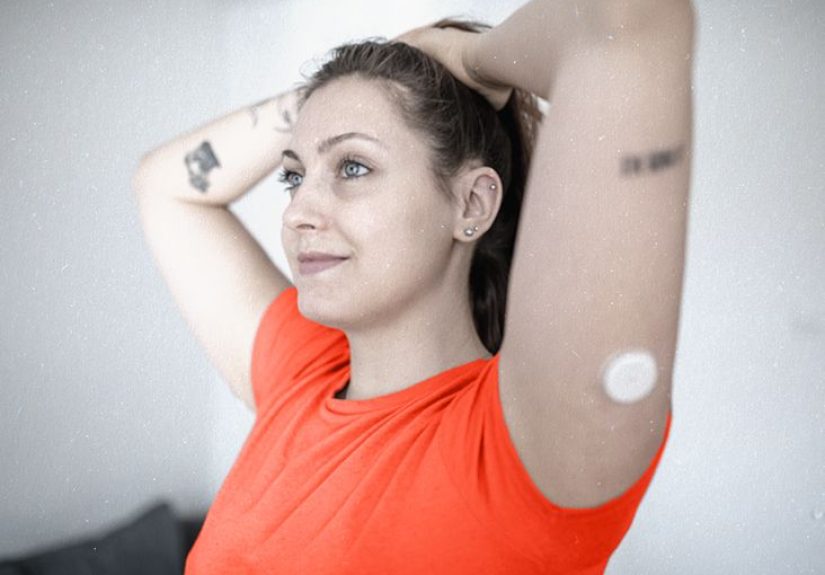
If you use a CGM (continuous glucose monitor)
CGMs can warn you when you’re trending down. If your CGM alarm says you’re low or falling fast, confirm with a
fingerstick when possible (especially if symptoms don’t match the number), but don’t ignore symptoms. Trend arrows
matterfalling quickly may need action sooner.
When it’s an emergency
Call emergency services right away if a person is unconscious, having a seizure, can’t safely swallow,
or is so confused they can’t self-treat. Severe hypoglycemia often requires help from another person and may require
glucagon (a rescue medicine prescribed for people at risk of severe lows). If you’ve been prescribed
glucagon, make sure family, friends, teachers, or coworkers know where it is and how to use it.
Prevention: How to reduce your risk without living on fear
The goal isn’t to treat lows foreverit’s to make them rare. Prevention is usually a combination of better pattern
recognition, smarter planning, and a medication check-in.
1) Learn your patterns (because your body has routines)
Track when lows happen: time of day, what you ate, your activity, and which meds you took. Patterns often pop up:
“I go low after a long walk,” “I crash if lunch is late,” or “I dip at 2 a.m. after evening workouts.”
Bring those patterns to your diabetes appointmentsthis helps your care team adjust safely.
2) Match meds with meals and activity
If you take insulin or an insulin-releasing pill, consistent meal timing helps. If you’re eating less because you’re
trying a new plan (lower carbs, intermittent fasting, smaller portions), tell your clinician. The “same dose, new diet”
combo is a common setup for lows.
3) Plan for exercise (especially the “later low”)
For many people, hypoglycemia risk doesn’t end when the workout ends. A long or intense session can lower glucose for
hourssometimes overnight. Common strategies include checking glucose before and after activity, carrying fast carbs,
and discussing medication timing with your care team if exercise-related lows keep happening.
4) Be cautious with alcohol
If you drink alcohol, consider eating with it and monitoring glucose afterwardespecially overnight.
The liver can’t multitask perfectly: processing alcohol can delay its ability to release stored glucose when you need it.
5) Watch out for hypoglycemia unawareness
If you’ve had repeated lows or you no longer feel early symptoms, talk to your clinician. Avoiding further lows for a
period may help restore warning signs. This is also a situation where CGM alerts can be especially helpful.
6) Keep a “low kit” like it’s your emergency snack stash
Make it easy to do the right thing: keep fast-acting carbs in places you actually arebag, car, bedside table, desk.
Add medical ID if possible. In an emergency, it helps others help you.
When to call your clinician (and what to ask)
Don’t “white-knuckle” recurring hypoglycemia. It’s a sign something needs adjusting. Contact your clinician if:
- You have more than one unexplained low in a week
- You’ve had any severe episode (needed help from someone else)
- You’re changing diet, losing weight, or increasing exercise and noticing new lows
- You suspect hypoglycemia unawareness
- You have kidney disease or other conditions that may change medication effects
Helpful questions to bring:
“Which of my meds can cause lows?” “Should I adjust my target range?” “Do I need glucagon?” “Would a CGM help?”
“How should I handle exercise days or sick days?”
The fear loop: Why preventing lows can also protect your long-term goals
Hypoglycemia can be scary. That fear can push some people to run their glucose higher “just to be safe,” which can
undermine long-term diabetes management. A better strategy is a personalized safety plan: treat and prevent lows
while still aiming for healthy targets. That’s not perfectionismit’s smart risk management.
Real-life examples (because low blood sugar doesn’t RSVP)
Example 1: The “Lunch Got Delayed” low
You took your medication as usual, but lunch got pushed back. By the time you finally sit down, you’re sweaty,
shaky, and snapping at innocent bystanders (including your email inbox). Your meter reads 63 mg/dL. You treat with
fast-acting carbs, recheck, and follow with a balanced meal. The takeaway: if delays are common, your plan may need
built-in bufferslike a scheduled snack or a medication timing discussion.
Example 2: The “I’m Being Healthy!” exercise low
You add an evening walk after dinner. Great habituntil you wake up at 3 a.m. feeling weirdly restless and drenched
in sweat. Nighttime lows can happen because activity increases glucose use for hours. The takeaway: check patterns,
consider CGM alerts, and talk to your care team about exercise-day strategies.
Example 3: The “Weekend Drinks” surprise
You have a couple of drinks and skip a late snack. Overnight, glucose dips lower than expected. The takeaway:
alcohol can increase delayed hypoglycemia riskespecially with insulin or sulfonylureasso pairing alcohol with food
and monitoring later matters.
Experiences people commonly report (and what they wish they’d known sooner)
The first low blood sugar episode is often described with the same emotional energy as accidentally stepping off a
curb that wasn’t there: sudden, confusing, and oddly personal. Many people with type 2 diabetes say they expected
“low” to feel like mild hunger. Instead, it can feel like their body hits a panic buttonshaky hands, sweaty skin,
a racing heart, and a weird sense of doom that doesn’t match what’s happening in the room. One common theme is
mislabeling the symptoms: “I thought it was anxiety,” “I assumed I was dehydrated,” or “I blamed it on
stress.” Only later did they connect the dots between symptoms and a glucose reading.
Another frequent experience is the confidence crash. People may start worrying about driving,
exercising, or even being alone. Some describe an urge to “keep my sugar a little higher just in case,” which can
turn into a cycle: fear of lows leads to running high, which then makes diabetes feel harder overall. What helps most
is having a calm, rehearsed planlike keeping a small “low kit” everywhere and using a simple rule (15 grams, wait,
recheck) rather than improvising with whatever food is nearby. People often say they wish they’d known that
over-treating is common: eating the entire pantry can lead to a big rebound high, which feels like
you “failed” twice. In reality, you just did what a hungry brain told you to do. A measured approach is a skill
that improves with practice.
Many also describe “mystery lows” that end up having a pattern. A classic one is the delayed-meal low when taking an
insulin-releasing pill: breakfast was smaller, lunch was late, and suddenly the afternoon feels like a shaky
science experiment. Others notice lows after new routinesjoining a gym, starting a physically active job, or doing
yard work for a few hours. The surprising lesson: exercise-related lows can happen later, even overnight.
People who adopt CGMs often mention the relief of seeing trends and getting alerts before symptoms hit, especially
if they’ve had repeated lows.
Finally, caregivers and family members often share a different experience: they notice behavior changes first.
Someone may seem unusually irritated, quiet, confused, or “not like themselves.” Families say the biggest upgrade
was learning not to argue in that moment (logic is not the star of the show when glucose is low), but to switch to a
simple script: “Let’s check your sugar,” or “Here’s your fast carb.” When severe episodes happen, people frequently
report that having a prescribed rescue option (like glucagon) and a clear “call emergency help” plan reduces fear.
The overall theme is hopeful: once people understand their triggers, keep supplies nearby, and coordinate with their
clinician on medication and routines, hypoglycemia becomes something they managenot something that manages them.