Table of Contents >> Show >> Hide
- The Viral Listing That Turned a Wreck Into Internet Gold
- Why the “Worst House on the Street” Listing Worked
- The Internet Loves Honesty, Especially When It Comes With Drywall Dust
- What Buyers Can Learn From This Viral House Listing
- What Sellers and Agents Can Learn From the Listing
- The Real Estate Power of Going Viral
- Why This Story Still Matters
- Practical Takeaways for Anyone Writing a Real Estate Listing
- Experience-Based Reflections: What This Viral Listing Teaches in Real Life
- Conclusion
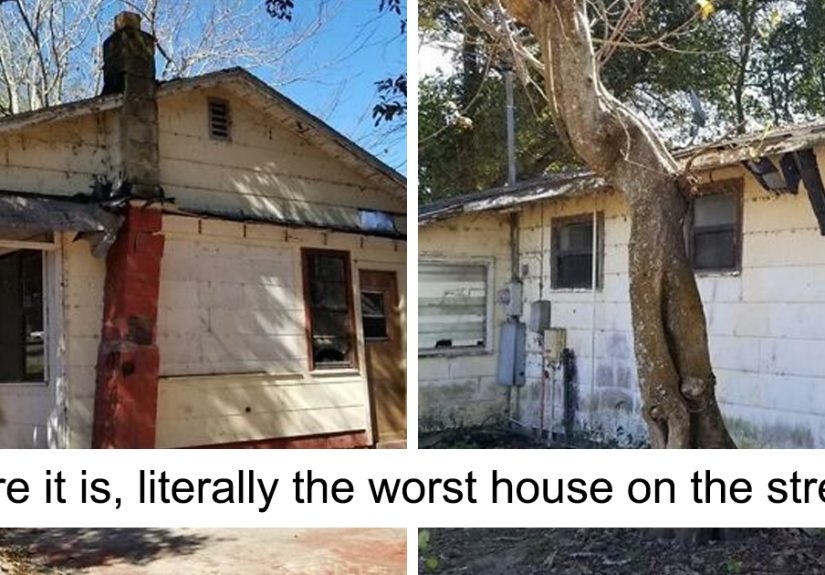
Every so often, the internet pauses its regularly scheduled chaos to admire something truly unexpected: a brutally honest real estate listing. Not a mansion with an infinity pool. Not a minimalist desert cube with one chair and no visible kitchen. This time, the star was a fixer-upper in Zephyrhills, Florida, marketed as “literally the worst house on the street.”
That sentence alone deserves a tiny trophy wearing a hard hat.
The viral house listing became famous because it did the one thing many property descriptions avoid: it told the truth with personality. Instead of dressing up a rough home as a “charming opportunity,” the listing leaned into the reality. The roof leaked, the floors creaked, and the property needed a buyer who could look at a disaster zone and say, “I have seen three renovation shows and therefore I am qualified.”
At first glance, this may sound like real estate marketing gone rogue. But the hilarious commentary was not random. It was a smart example of reverse marketing, honest branding, and audience filtering. In a housing market full of glossy adjectives, this listing stood out because it was clear, funny, specific, and painfully memorable.
The Viral Listing That Turned a Wreck Into Internet Gold
The property at the center of the story was listed in Zephyrhills, Florida, with an asking price of $69,000. By normal listing standards, this was not the kind of home that would be introduced with soft piano music and golden-hour drone footage. Public reports described the property as badly neglected, with peeling paint, water damage, roof issues, and enough repair needs to make a contractor’s clipboard spontaneously burst into flames.
But the listing agent, Philippa Main of Future Home Realty, took a different approach. Rather than hiding the condition behind vague phrases like “bring your imagination” or “needs TLC,” she wrote a commentary-style listing that felt more like a comedy monologue than a sales pitch.
The now-famous opening called the house “literally the worst house on the street.” From there, the description joked about the seller already doing the hard work of clearing the nearly half-acre property, noting that the cleanup took seven dumpsters. That is not a cleanup; that is an archaeological expedition with trash bags.
The listing also spoke directly to the buyer who loves HGTV-style transformations. It essentially asked: have you ever watched renovation television and thought, “I could do that”? If yes, congratulations, here is your final exam. Bring a tape measure, learn what a load-bearing wall is, and try not to anger the plumbing.
Why the “Worst House on the Street” Listing Worked
Most real estate descriptions follow a familiar pattern. They say the home is charming, spacious, updated, beautiful, cozy, rare, or full of potential. Sometimes all in one paragraph, as if adjectives are being charged by the pound. The problem is that buyers have become very good at reading between the lines.
“Cozy” often means small. “Unique” may mean nobody knows what happened in the kitchen. “Investor special” can mean the floor has developed its own personality. “Needs TLC” might mean you need love, money, permits, patience, and possibly a priest.
The “worst house on the street” listing worked because it skipped the guessing game. The comedy was funny, but the honesty was the engine. Buyers immediately knew this was not a move-in-ready bungalow. It was an as-is home for someone with renovation experience, cash reserves, or the kind of optimism usually found in golden retrievers.
1. It Filtered Out the Wrong Buyers
A vague listing attracts curious people. A brutally honest listing attracts the right curious people. That difference matters.
If a buyer wants granite countertops, fresh paint, and a bathroom that does not whisper threats, this listing probably scared them off immediately. Good. That saved everyone time. The agent did not need dozens of showings with buyers who would walk in, gasp, and leave skid marks in the driveway.
Instead, the copy spoke to investors, flippers, experienced DIYers, and bargain hunters. It said, in effect, “This is a project. Not a weekend project. Not a cute Pinterest project. A real project.” That kind of clarity makes marketing more efficient.
2. It Made a Bad Feature Memorable
In traditional marketing, flaws are softened. In this listing, flaws became the hook. The poor condition of the house was not hidden; it was turned into the headline.
This is classic reverse marketing. When a weakness is obvious, pretending it is not there can make the seller look less trustworthy. Owning the flaw can create credibility. The listing did not say the home was perfect. It said the home was a disaster with a mailing address, and that made readers trust the rest of the description.
3. It Used Humor Without Losing the Facts
The best part of the listing was that it was funny, but not empty. Humor worked because it was built around real details: the cleanup, the lot size, the renovation challenge, the property condition, and the kind of buyer needed.
A hilarious real estate listing still has to do the job of a listing. It must communicate what is being sold, what condition it is in, and who should take it seriously. This one managed to entertain the internet while still functioning as a sales tool. That is harder than it looks. Anyone can make a joke. Not everyone can make a joke that helps sell a house.
The Internet Loves Honesty, Especially When It Comes With Drywall Dust
Part of the reason the listing went viral is that online audiences are tired of polished perfection. Social media is full of homes that look like nobody has ever eaten soup in them. White walls, perfect pillows, suspiciously empty countertopseverything is “curated,” which is a fancy way of saying the toaster has been hidden for emotional reasons.
Then along comes a house that basically says, “I am a problem. Proceed accordingly.” That kind of honesty feels refreshing. People shared it because it was funny, yes, but also because it felt human.
The listing became the real estate version of a person showing up to a party and saying, “I brought chips. They are not good, but there are many.” Somehow, that person becomes everyone’s favorite guest.
What Buyers Can Learn From This Viral House Listing
For buyers, the story is entertaining, but it also contains serious lessons. A fixer-upper can be a smart purchase, but only when the numbers make sense and the buyer understands the risks.
Know the Difference Between Cosmetic and Structural Problems
Peeling paint is annoying. A failing roof is expensive. Outdated cabinets can be replaced. Foundation issues can make your budget collapse dramatically, like a folding chair at a family barbecue.
Before buying an as-is home, buyers should pay close attention to major systems: roof, electrical, plumbing, HVAC, foundation, drainage, and signs of water intrusion. These are the areas where “affordable fixer-upper” can quickly become “financial escape room.”
Get Professional Inspections
Even experienced renovators need inspections. A funny listing can tell you the house is rough, but only qualified professionals can identify the full scope of repair needs. A general home inspection is a start, but depending on the property, buyers may also need roof, pest, sewer, mold, electrical, or structural evaluations.
Yes, inspections cost money. So do surprises. The difference is that inspections usually cost less and do not arrive at midnight during a rainstorm.
Budget for the Unknown
Every renovation has a moment when the wall opens and everyone gets quiet. That is usually where the extra money goes.
Smart buyers build a contingency fund into the project. If the home is in severe condition, a tiny cushion is not enough. Older or neglected homes often reveal hidden problems once work begins. The more honest the budget is at the beginning, the less dramatic the panic will be later.
What Sellers and Agents Can Learn From the Listing
For sellers and real estate agents, this viral listing is a master class in strategic honesty. It does not mean every listing should become a stand-up routine. Please do not describe a perfectly normal condo as “a vertical shoebox with HOA fees.” But when a property has obvious flaws, truthful storytelling can be powerful.
Be Specific, Not Vague
Buyers can smell vague language through a screen. If a property needs work, say so clearly. Specific details build trust. They also reduce wasted showings and awkward conversations.
There is a big difference between “needs TLC” and “the home requires major renovation and is best suited for experienced buyers or investors.” One sounds like a throw pillow can fix it. The other sounds like adults are in the room.
Match the Tone to the Property
Humor works when it matches the product. A neglected fixer-upper can handle sarcasm because the photos already tell the story. A luxury listing probably needs a different tone. Nobody wants a $4 million waterfront home introduced with, “Well, folks, at least the dock has not floated away yet.”
The lesson is not “always be funny.” The lesson is “be memorable in a way that fits the listing.” For this Florida property, a blunt and humorous voice made sense because the house itself was impossible to oversell politely.
Honesty Does Not Replace Disclosure
A funny listing is marketing, not a legal shield. Sellers still need to follow applicable disclosure rules, especially when known material defects may affect the property’s value. In many states, including Florida, “as-is” does not mean “say nothing and hope the buyer does not notice the ceiling is doing interpretive dance.”
Good marketing and proper disclosure should work together. The listing can set expectations. Formal disclosures, inspections, and contracts handle the serious details.
The Real Estate Power of Going Viral
Viral attention can be a blessing, but it is not magic. A listing can get thousands of views and still fail to find a serious buyer. Internet fame often attracts spectators, commenters, meme-makers, and people who want to tour a house just so they can say they survived it.
Still, attention matters. A home cannot sell if nobody sees it. The “worst house on the street” listing reached far beyond a normal local audience because it had a story people wanted to share. That expanded reach can be especially useful for unusual properties, historic homes, extreme fixer-uppers, or houses with features that are too strange for standard marketing.
The key is converting attention into qualified interest. A viral listing should still have accurate photos, clear terms, realistic pricing, and a process for screening serious buyers. Otherwise, the agent may end up answering 400 messages from people whose entire budget is “good vibes and a YouTube playlist.”
Why This Story Still Matters
The listing went viral years ago, but it remains relevant because it captures something timeless about marketing: people respond to truth when it is delivered with confidence. The house was not conventionally attractive. The description did not pretend otherwise. That honesty made the listing feel different from the endless parade of “rare gems” and “hidden treasures” that are often neither rare nor gem-like.
Even better, the property later became a transformation story. Public property details show that the home was eventually renovated and later marketed as a far better version of itself. That gives the viral moment a satisfying second act. The terrible house did not remain a punchline forever. It became proof that the right buyer can see opportunity where everyone else sees a hard pass.
Practical Takeaways for Anyone Writing a Real Estate Listing
- Lead with the truth: If the condition is rough, do not hide it behind fluffy language.
- Use humor carefully: A joke should clarify the message, not distract from important facts.
- Know the target buyer: A fixer-upper listing should speak to investors, renovators, and realistic buyers.
- Be specific: Mention meaningful details instead of relying on tired phrases like “must-see.”
- Respect disclosure rules: Marketing copy is not a substitute for proper legal disclosure.
- Make the listing shareable: A strong opening line can travel farther than a generic paragraph ever will.
Experience-Based Reflections: What This Viral Listing Teaches in Real Life
Anyone who has ever toured a true fixer-upper knows there is a special moment when optimism meets reality. You step through the front door with confidence. Five minutes later, you are standing in a room with suspicious stains, uneven floors, and a smell that seems old enough to vote. Suddenly, the phrase “great potential” feels less like a promise and more like a dare.
That is why the “worst house on the street” listing connected with so many people. It felt like the kind of conversation a buyer might have after touring a disaster property with a brutally honest friend. Instead of saying, “This home offers endless possibilities,” the friend says, “The possibilities include crying, learning electrical code, and discovering how much dumpsters cost.” Weirdly, that is more helpful.
In real-world real estate, honesty saves time. A buyer who wants a move-in-ready home should not be lured into a major renovation project. That wastes the buyer’s Saturday, the agent’s energy, and possibly everyone’s faith in adjectives. On the other hand, a buyer who loves distressed properties does not need sugarcoating. They need facts, access, numbers, and a clear picture of what they are walking into.
There is also an emotional side to fixer-uppers. Some buyers genuinely enjoy the idea of rescuing a neglected house. They imagine new windows, fresh paint, open rooms, restored charm, and a future where the neighbors stop slowing down when they drive by. For those buyers, a brutally honest listing can be exciting because it frames the home as a challenge with a visible starting line.
But experience also teaches caution. Renovation dreams are easy when viewed from a couch. Real renovation involves budgets, permits, contractors, delays, material costs, inspection reports, and decisions about things nobody warns you about, like vent placement and subfloor thickness. The internet may laugh at a funny listing, but the buyer has to live with the invoice.
For sellers, the experience lesson is simple: do not fear the truth when the truth is already obvious. If the photos show damage, the listing should not pretend the home is a “storybook retreat.” Buyers will notice. They have eyes. Many even bring flashlights. Instead, a seller can benefit from positioning the property honestly: this is not for everyone, but it may be perfect for the right person.
For agents, the listing proves that writing matters. A real estate description is not just filler under the photos. It can shape expectations, attract attention, reduce confusion, and create a memorable identity for the property. A strong description will not fix a bad roof, but it can make sure the right buyer understands why the property deserves a look.
Most importantly, this story reminds us that imperfection is not the same as worthlessness. A house can be rough, outdated, damaged, and still valuable to someone with the right plan. Sometimes the worst house on the street is not the end of the story. Sometimes it is the before photo.
Conclusion
The viral “worst house on the street” listing became famous because it broke the rules in the smartest possible way. It did not exaggerate beauty where there was none. It did not bury the problems under stale listing language. It used humor to tell the truth, and that truth made the property unforgettable.
For buyers, the story is a reminder to look beyond catchy copy and investigate the real condition of any fixer-upper. For sellers and agents, it is proof that clear, creative, honest marketing can outperform generic optimism. A house does not need to be perfect to get attention. Sometimes it just needs a listing brave enough to say, “Yes, it is bad. But are you bold enough to make it better?”
And honestly, that might be the most American real estate sentence ever written.