Table of Contents >> Show >> Hide
- 1. Choose the Right Food for Your Labrador Retriever
- 2. Control Portions Before Your Lab Controls You
- 3. Make Fresh Water Available All Day
- 4. Provide at Least an Hour of Daily Exercise
- 5. Use Low-Impact Activities to Protect Joints
- 6. Groom That Double Coat Regularly
- 7. Bathe Your Lab Without Overdoing It
- 8. Clean and Check the Ears
- 9. Brush Teeth and Protect Dental Health
- 10. Trim Nails Before They Become Tap Shoes
- 11. Train Early With Positive Reinforcement
- 12. Socialize Your Labrador Retriever Safely
- 13. Keep Up With Veterinary Care and Prevention
- 14. Create a Safe, Enriching Home
- Common Labrador Retriever Care Mistakes to Avoid
- Real-Life Experience: What Caring for a Labrador Often Feels Like
- Conclusion
Labrador Retrievers are the golden retrievers of the “golden retriever energy” worldfriendly, goofy, loyal, athletic, and convinced that every snack in the house has been placed there by destiny. Caring for a Lab is not difficult, but it does require consistency. This is a breed with a big heart, a strong body, a busy brain, and an impressive talent for looking innocent while standing beside an empty sandwich plate.
Whether you have a bouncy Labrador puppy, an energetic adult, or a sugar-faced senior who still believes tennis balls are a serious life mission, good Labrador Retriever care comes down to the basics done well: proper food, daily exercise, grooming, training, veterinary care, mental enrichment, and a safe home. The following 14 steps will help you raise a healthy, happy Lab without turning your living room into a chew-toy crime scene.
1. Choose the Right Food for Your Labrador Retriever
Start with a complete and balanced dog food that matches your Lab’s life stage: puppy, adult, or senior. Labrador puppies, especially, need appropriate nutrition for large-breed growth because their joints are still developing. Adult Labs need a diet that supports lean muscle without piling on unnecessary calories. Senior Labs may benefit from food designed for aging dogs, depending on their weight, mobility, and overall health.
Look for a nutritional adequacy statement on the label and avoid choosing food based only on trendy packaging. A bag with a wolf on it does not automatically make your dog majestic. It might just make your wallet lighter. Ask your veterinarian which formula fits your dog’s age, body condition, allergies, activity level, and medical history.
2. Control Portions Before Your Lab Controls You
Labradors are famous for their appetite. Many Labs behave as if breakfast was a rumor and dinner is their constitutional right. Because this breed can gain weight easily, portion control is one of the most important parts of Labrador Retriever care.
Use a measuring cup or kitchen scale rather than guessing. Follow the feeding guide on the food label as a starting point, then adjust based on your veterinarian’s advice and your dog’s body condition. You should be able to feel your Lab’s ribs with light pressure, and your dog should have a visible waist when viewed from above. If your Lab is shaped like a coffee table, it is time to reassess the snack policy.
3. Make Fresh Water Available All Day
Labs are active dogs, and many adore swimming, fetching, hiking, and romping around the yard like furry athletes with no off switch. Fresh water should always be available, especially after exercise or outdoor play. Clean the bowl daily to prevent slime, dirt, and bacteria buildup.
If your Lab drinks excessively, urinates more than usual, or suddenly changes drinking habits, schedule a veterinary visit. Increased thirst can be connected to medical issues, and it is better to catch problems early than to rely on internet detective work at midnight.
4. Provide at Least an Hour of Daily Exercise
Most healthy adult Labrador Retrievers need about an hour of physical activity each day, though the exact amount depends on age, health, weather, and fitness level. Good options include brisk walks, fetch, swimming, scent games, hiking, and structured play. Labs were bred to work, retrieve, and move, so a bored Lab can become a home renovation specialiststarting with your shoes.
For puppies, avoid overdoing repetitive high-impact exercise, such as long runs on pavement or constant jumping. Their joints are still developing. For senior Labs, choose gentler activities like short walks, swimming, and easy games that keep them moving without stressing their bodies.
5. Use Low-Impact Activities to Protect Joints
Labrador Retrievers can be prone to joint problems such as hip and elbow dysplasia. While genetics matter, daily choices also help. Keep your Lab lean, build muscle gradually, and choose joint-friendly exercise. Swimming is often excellent for Labs because it works the body without pounding the joints. Walking on grass, controlled fetch, and hill-free strolls can also be helpful.
Watch for stiffness, limping, reluctance to jump, difficulty rising, or changes in gait. Do not wait until your Lab starts dramatically sighing on the floor like a retired actor. Early veterinary guidance can make a major difference in comfort and mobility.
6. Groom That Double Coat Regularly
Labradors have a short, dense double coat that sheds year-round and often sheds more heavily during seasonal changes. Brush your Lab at least a few times per week, and daily during heavy shedding periods. A slicker brush, rubber curry brush, or deshedding tool can help remove loose hair before it becomes a decorative layer on your couch, pants, and possibly your breakfast.
Regular brushing also helps distribute natural oils, keeps the skin healthier, and gives you a chance to notice lumps, rashes, ticks, hot spots, or tender areas. A shiny coat is not just cute; it is often a useful clue about overall health.
7. Bathe Your Lab Without Overdoing It
Most Labradors do not need frequent baths unless they are dirty, smelly, itchy, or have a skin condition. Bathing every couple of months may be enough for many dogs, while outdoor adventurers may need more frequent cleanup. Use a dog-safe shampoo, rinse thoroughly, and dry the coat well, especially in cooler weather.
Do not use human shampoo, because a dog’s skin has different needs. Also, if your Lab finds something disgusting and rolls in it with artistic commitment, congratulations: bath day has chosen you.
8. Clean and Check the Ears
Labs have floppy ears that can trap moisture, especially after swimming or bathing. Check your dog’s ears weekly for redness, odor, discharge, swelling, or excessive scratching. Dry the ears gently after water play and use only veterinarian-approved ear cleaners when needed.
Never push cotton swabs deep into the ear canal. If your Lab is shaking their head, scratching constantly, or producing a strong odor from the ears, book a vet appointment. Ear infections are uncomfortable and usually need proper treatment.
9. Brush Teeth and Protect Dental Health
Dental care is easy to forget until your dog yawns near your face and the room changes atmosphere. Brush your Labrador’s teeth regularly with dog-safe toothpaste. Daily brushing is ideal, but even several times per week can help. Dental chews, veterinary dental diets, and professional cleanings may also be part of your dog’s oral care plan.
Watch for bad breath, red gums, loose teeth, drooling, pawing at the mouth, or difficulty chewing. Dental disease can cause pain and affect overall health, so do not treat “dog breath” as just a personality trait.
10. Trim Nails Before They Become Tap Shoes
Long nails can affect your Lab’s posture, comfort, and movement. Trim nails every few weeks, depending on how quickly they grow and how much natural wear your dog gets from walking. If you hear constant clicking on the floor, your Lab may be auditioning for a musicalor just needs a trim.
Introduce nail care slowly with treats and praise. Handle your dog’s paws often so grooming feels normal. If you are nervous about cutting the quick, ask your veterinarian or groomer to show you how to trim safely.
11. Train Early With Positive Reinforcement
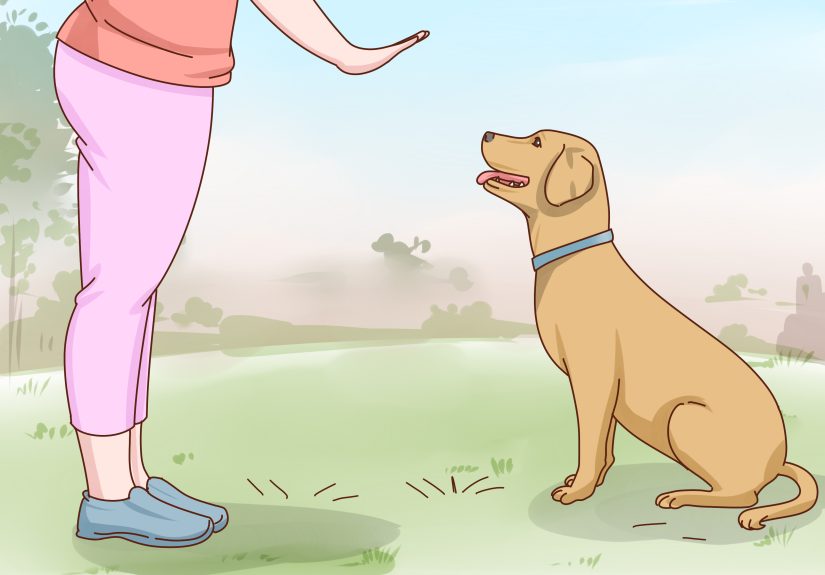
Labradors are intelligent, social, and usually eager to please, which makes them highly trainable. Start with basic commands such as sit, stay, come, leave it, drop it, and loose-leash walking. Use positive reinforcement: treats, praise, toys, and play. Harsh training can damage trust and create stress, while reward-based training teaches your Lab what to do instead of simply making them afraid to make mistakes.
Because Labs are strong dogs, leash manners are essential. A full-grown Labrador dragging you toward a squirrel is not a walk; it is a surprise fitness program.
12. Socialize Your Labrador Retriever Safely
Good socialization helps your Lab become confident around people, dogs, sounds, surfaces, and everyday life. Introduce new experiences gradually and positively. Puppies benefit from safe socialization during their early development, but follow your veterinarian’s vaccination guidance before visiting dog parks, pet stores, or busy public areas.
Socialization does not mean throwing your dog into overwhelming situations. It means helping your dog learn that the world is interesting, manageable, and not full of vacuum-cleaner monsters.
13. Keep Up With Veterinary Care and Prevention
Routine veterinary care is the backbone of responsible Labrador ownership. Your Lab should receive wellness exams, vaccinations, parasite prevention, dental evaluations, weight checks, and screenings recommended for their age and lifestyle. Ask your veterinarian about flea, tick, heartworm, and intestinal parasite prevention based on your region and your dog’s risk.
Labradors may be at risk for conditions such as hip dysplasia, elbow dysplasia, progressive retinal atrophy, exercise-induced collapse, ear infections, obesity, and certain heart or orthopedic issues. This does not mean your Lab will develop these problems. It means you should know what to watch for and work with your veterinarian before small concerns become big ones.
14. Create a Safe, Enriching Home
A Labrador’s brain needs exercise too. Puzzle feeders, training games, scent work, safe chew toys, fetch sessions, and rotating toys can prevent boredom. Labs often enjoy having a job, even if that job is “carry this toy proudly from the kitchen to the hallway.”
Pet-proof your home. Keep medications, chocolate, grapes, raisins, xylitol, household cleaners, small toys, sharp objects, and trash out of reach. Labs are curious and food-motivated, which is a polite way of saying they may investigate the garbage like a tiny raccoon in a dog costume.
Common Labrador Retriever Care Mistakes to Avoid
Overfeeding “Just a Little” Every Day
One extra biscuit does not seem like much, but small daily extras can lead to weight gain. Use part of your Lab’s regular food as training treats, choose low-calorie rewards, and keep human snacks limited and safe.
Skipping Mental Stimulation
A tired Lab is not only physically exercised; a tired Lab has also used their brain. Ten minutes of training can be more satisfying than a long walk with no engagement. Teach tricks, hide treats, practice recall, or let your dog sniff on walks.
Letting Swimming Happen Without Supervision
Many Labs love water, but they still need supervision. Use a dog life jacket for boating or unfamiliar water, rinse after swimming in lakes or pools, and prevent access to unsafe ponds, strong currents, or frozen water.
Ignoring Small Health Changes
Changes in appetite, energy, weight, bathroom habits, breathing, mobility, coat, or behavior deserve attention. Dogs cannot say, “Excuse me, I believe my elbow feels suspicious.” You have to notice the clues.
Real-Life Experience: What Caring for a Labrador Often Feels Like
Living with a Labrador Retriever is a little like sharing your home with a cheerful athlete, a snack detective, and a professional best friend. The first thing many Lab owners learn is that routines matter. A Lab who knows when walks, meals, training, and rest usually happen is often calmer and easier to manage. Without structure, that same dog may invent hobbies, and Labrador hobbies can include sock relocation, counter inspection, and dramatic sighing beside the food bowl.
One of the best practical experiences is learning to use daily life as training. Before opening the door, ask for a sit. Before tossing the ball, ask for eye contact. Before placing the food bowl down, ask for calm behavior. These tiny moments teach patience without turning your home into a military academy. Labs usually respond beautifully because they love interaction. They want to be part of the action, preferably all of it, ideally with snacks.
Another common lesson is that exercise has to be balanced. A young adult Lab may seem like they can run forever, but endless fetch can create an overexcited dog and put stress on joints. Many experienced owners mix activities: a morning walk, a few short training sessions, a puzzle toy after lunch, and a relaxed game of fetch in the evening. Swimming can be wonderful, but the dog still needs breaks. Labs are famous for enthusiasm, not always for making wise life choices.
Grooming becomes easier when it is treated as bonding rather than a battle. Keep a brush near the back door and brush for a few minutes after outdoor play. Touch the paws, ears, tail, and mouth gently when your dog is relaxed. This makes vet visits, nail trims, and ear checks much less dramatic. A Lab who learns that handling predicts praise or treats is far more cooperative than one who only sees the nail clippers appear like a horror movie villain.
Food management is also a real-life skill. Labs can be persuasive. They can stare at a carrot stick like it is a five-star steak. They can hear a cheese wrapper from another floor. Successful owners plan ahead by measuring meals, storing food securely, and agreeing as a household on treat rules. Otherwise, one person says, “I only gave him a tiny bite,” and three tiny bites later the dog has eaten a second dinner.
Most of all, caring for a Labrador Retriever teaches consistency. Labs thrive when they are included, guided, exercised, and loved with reasonable boundaries. They are not decorative dogs. They want to walk with you, train with you, swim with you, nap near you, and supervise all kitchen activity with unnecessary seriousness. Give a Lab good care, and you get a companion who brings humor, loyalty, muddy paw prints, and a ridiculous amount of joy into ordinary days.
Conclusion
Caring for a Labrador Retriever is not about perfection. It is about building strong daily habits: feed the right food in the right amount, keep your dog active, train with kindness, groom consistently, visit the veterinarian regularly, and make your home safe. Labs are generous dogs. They give their whole heart, their full attention, and occasionally their entire wet body after a swim. In return, they need structure, patience, and thoughtful care.
If you meet your Labrador’s physical, mental, and emotional needs, you will have more than a pet. You will have a loyal shadow, a walking buddy, a family clown, and a four-legged reminder that life is better when someone is always excited to see youeven if you only left the room for 42 seconds.
Note: This article is for educational purposes and should not replace advice from a licensed veterinarian. For diet changes, medical concerns, behavior problems, or unusual symptoms, consult your veterinarian.