Table of Contents >> Show >> Hide
- Do Cats Really Need Their Ears Cleaned?
- What Healthy Cat Ears Should Look and Smell Like
- When You Should Not Clean Your Cat’s Ears at Home
- Supplies You Need to Clean Cat Ears Safely
- How to Prepare Your Cat for Ear Cleaning
- Step-by-Step: How to Clean Your Cat’s Ears Safely at Home
- How Often Should You Clean Your Cat’s Ears?
- Signs Your Cat May Have Ear Mites or an Ear Infection
- Common Mistakes to Avoid When Cleaning Cat Ears
- How to Make Ear Cleaning Less Stressful
- Experience-Based Tips From Real Cat Care Routines
- When to Call the Veterinarian
- Conclusion
Cats are famously tidy little creatures. They wash their paws, polish their whiskers, and somehow manage to look offended when you suggest they might need help with hygiene. But even the most self-respecting feline cannot always keep the inside of their ears perfectly clean. That is where you, the loyal treat-dispenser and furniture-sharing human, come in.
Learning how to clean your cat’s ears safely at home is a useful skill for any cat parent. Done correctly, ear cleaning can remove light wax, help you spot early signs of trouble, and make routine grooming less stressful. Done incorrectly, however, it can irritate the ear canal, push debris deeper, or turn your peaceful living room into a tiny rodeo starring one very angry cat.
The good news is that cleaning cat ears does not require fancy equipment, heroic bravery, or a veterinary degree. It does require patience, the right supplies, a gentle touch, and the wisdom to know when not to clean and call your veterinarian instead. This guide explains when ear cleaning is appropriate, what warning signs to watch for, what products to use, and how to make the process as calm and safe as possible.
Do Cats Really Need Their Ears Cleaned?
Not every cat needs regular ear cleaning. In fact, many healthy cats go their whole lives with very little human involvement in the ear department. A normal cat ear usually looks pale pink, has little to no odor, and contains minimal wax or debris. If your cat’s ears look clean and your cat is not scratching, shaking their head, or acting uncomfortable, there may be no reason to interfere.
Think of cat ear cleaning like cleaning your phone screen. If it is spotless, you do not need to scrub it just because Tuesday arrived. Over-cleaning can irritate delicate tissue and may disrupt the ear’s natural balance. The goal is not to make the ear canal sparkle like a kitchen sink commercial. The goal is to remove mild visible dirt or wax when needed and monitor for health problems.
Some cats are more likely to need occasional ear checks or cleaning. Cats with a history of ear infections, allergies, excessive wax buildup, ear mites, or certain skin conditions may need more attention. Outdoor cats, kittens, senior cats, and cats living with other pets may also be at higher risk for ear issues. Your veterinarian can tell you whether your cat should have routine cleaning or only occasional checks.
What Healthy Cat Ears Should Look and Smell Like
Before you clean anything, take a look. A healthy cat ear should be light pink inside, not red, swollen, crusty, or greasy. A small amount of pale yellow or light brown wax can be normal, but heavy buildup is not. Healthy ears should not smell bad. If you notice a strong odor, black or yellow discharge, coffee-ground-like debris, blood, swelling, or obvious pain, skip the home cleaning and contact your veterinarian.
Your cat’s behavior matters just as much as appearance. Frequent head shaking, scratching, pawing at the ears, rubbing the head against furniture, holding one ear lower than the other, or suddenly becoming sensitive around the head can all point to discomfort. Balance problems, disorientation, hearing changes, or a head tilt are more serious warning signs and should be checked promptly.
When You Should Not Clean Your Cat’s Ears at Home
There are times when cleaning at home is not the safe move. If your cat appears to be in pain, do not force the process. Pain can mean infection, injury, a foreign object, a polyp, a damaged eardrum, or heavy inflammation. Trying to clean a painful ear may make the problem worse and will definitely make your cat file a formal complaint with the household management department.
Do not clean your cat’s ears at home if you see thick discharge, pus, bleeding, severe redness, swelling, a foul smell, or dark crumbly debris that looks like coffee grounds. That coffee-ground look is often associated with ear mites, although other ear problems can look similar. Ear mites are contagious and usually need veterinary diagnosis and treatment. Cleaning alone will not solve the problem.
You should also call your veterinarian if your cat has recurring ear issues, is losing balance, seems dizzy, has a head tilt, cries when the ear is touched, or has recently had ear surgery or trauma. In these cases, a vet may need to examine the ear canal with an otoscope, check a sample under a microscope, prescribe medication, or perform a deeper cleaning safely.
Supplies You Need to Clean Cat Ears Safely
Simple supplies are best. You do not need a grooming salon setup or a toolkit that looks like it belongs in a spaceship. Gather everything before you bring your cat over, because once a cat senses “a plan,” they may suddenly remember an urgent appointment under the bed.
Recommended Supplies
- A veterinarian-approved cat ear cleaning solution
- Cotton balls, cotton pads, or soft gauze
- A clean towel or blanket
- Treats your cat actually cares about
- A calm room with good lighting
- Optional: a helper your cat trusts
Choose an ear cleaner made for cats or recommended by your veterinarian. Cat ears are delicate, and household products can be too harsh. Avoid alcohol, hydrogen peroxide, vinegar mixtures, essential oils, and homemade ear treatments unless your vet specifically instructs you to use them. These can sting, dry out the ear, irritate tissue, or worsen inflammation.
What Not to Use
Do not use cotton swabs deep inside your cat’s ear canal. Cotton-tipped swabs can push wax and debris farther into the canal or injure the eardrum. You may use a cotton swab only on the outer folds of the ear if you can clearly see what you are touching, but for most people, cotton balls or gauze are safer and easier.
Also avoid pouring random liquids into the ear. Water is not ideal because moisture trapped in the ear can contribute to irritation. Human ear drops are not appropriate unless prescribed by a veterinarian. A product that is safe for a person is not automatically safe for a cat, because cats are not tiny humans with better balance and stronger opinions. Their bodies process ingredients differently.
How to Prepare Your Cat for Ear Cleaning
The secret to cleaning cat ears safely is preparation. Choose a time when your cat is relaxed, not zooming through the house like a furry meteor. A quiet room is better than a busy kitchen or a hallway full of distractions. Place the supplies within reach, open the ear cleaner bottle, and have treats ready.
If your cat is wiggly, wrap them loosely in a towel, leaving the head exposed. This is often called the “kitty burrito,” though your cat may call it “an unacceptable blanket situation.” The towel helps keep paws contained and reduces sudden scratching. Do not wrap tightly or restrain aggressively. The goal is comfort and control, not a wrestling match.
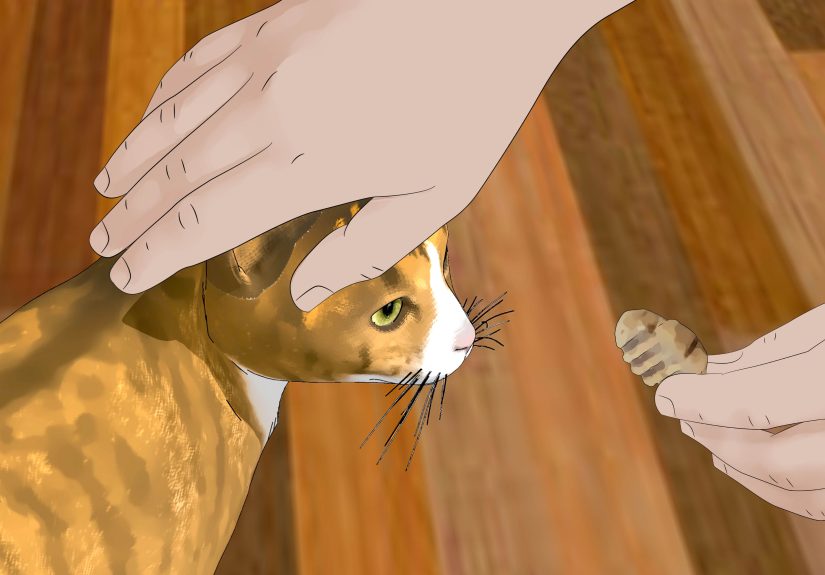
Spend a few moments petting your cat around the head and cheeks. Touch the ears gently before applying cleaner. If your cat pulls away, hisses, growls, or seems frightened, pause. It is better to do one ear calmly than to clean both ears while creating a lifelong household legend known as The Ear Cleaning Incident.
Step-by-Step: How to Clean Your Cat’s Ears Safely at Home
Step 1: Inspect the Ear First
Lift the ear flap gently and look inside. You are checking for redness, swelling, strong odor, discharge, blood, sores, or heavy debris. If anything looks severe or your cat reacts with pain, stop and contact your veterinarian. If you see only mild wax or dirt, you can continue.
Step 2: Apply the Ear Cleaner
Follow the instructions on the ear cleaner label or your veterinarian’s directions. Some products are applied directly into the ear canal, while others can be squeezed onto a cotton ball first. If applying directly, do not push the bottle tip deeply into the ear. Hold the tip near the opening and apply the recommended amount gently. Try not to let the bottle tip touch the ear, especially if you are cleaning both ears, because this can spread germs.
Step 3: Massage the Base of the Ear
After applying the cleaner, gently massage the base of the ear for several seconds. You may hear a soft squishing sound. That is normal and means the solution is moving around to loosen wax and debris. Keep your touch gentle. If your cat reacts as if the ear hurts, stop.
Step 4: Let Your Cat Shake
Release the ear and let your cat shake their head. This is not only allowed; it is useful. Head shaking helps bring loosened debris and extra solution out toward the outer ear. You may want to stand back slightly unless you enjoy surprise ear-cleaner confetti.
Step 5: Wipe the Outer Ear
Use a cotton ball, cotton pad, or gauze to wipe away visible loosened wax and cleaner from the outer ear and ear flap. Only wipe areas you can see. Do not dig. Do not chase debris deep into the canal. If you find yourself thinking, “Just a little farther,” that is your cue to stop.
Step 6: Reward Your Cat
Offer treats, praise, or a favorite toy right away. Positive reinforcement helps your cat associate ear handling with something pleasant. Even if the cleaning was not perfect, ending calmly is a win. Cats remember experiences, especially the dramatic ones, so make the final chapter a snack-based success story.
How Often Should You Clean Your Cat’s Ears?
There is no universal schedule for every cat. Some cats almost never need ear cleaning. Others may need occasional cleaning as part of a vet-recommended care plan. If your cat has normal ears, checking once a week or every couple of weeks is usually enough. Cleaning should happen only when there is mild visible wax or when your veterinarian recommends it.
For cats with chronic ear problems, your veterinarian may suggest a specific schedule. Follow that schedule carefully. Cleaning too often can irritate the ear canal, while cleaning too rarely can allow wax or debris to build up. If you are unsure, ask your vet to show you exactly how much cleaner to use and how frequently to clean.
Signs Your Cat May Have Ear Mites or an Ear Infection
Ear mites are tiny parasites that commonly affect cats, especially kittens and cats exposed to other animals. They can cause intense itching, head shaking, redness, and dark crumbly discharge that often resembles coffee grounds. Ear mites are contagious between pets, so if one animal in the household is affected, others may need attention too.
Ear infections can involve bacteria, yeast, inflammation, allergies, foreign material, polyps, or other underlying causes. Signs can include odor, yellow or black discharge, swelling, redness, pain, repeated scratching, head tilting, or balance changes. Because many ear problems look similar from the outside, guessing can lead to the wrong treatment. A veterinarian can examine the ear and determine the cause.
Never assume that dirty ears are “just wax.” Heavy buildup, odor, or repeated discomfort means something else may be happening. Cleaning may temporarily remove debris, but it will not cure mites, bacterial infections, yeast infections, or deeper ear disease. In some cases, using the wrong product can delay proper care and increase discomfort.
Common Mistakes to Avoid When Cleaning Cat Ears
The first common mistake is using too much force. Cat ears are sensitive, and cats are not known for politely enduring procedures they dislike. Gentle handling is safer and more effective than trying to “get it done quickly.” If your cat becomes stressed, take a break and try again later.
The second mistake is using the wrong product. Hydrogen peroxide, alcohol, vinegar, and essential oils can irritate the ear. Some ingredients that seem natural can still be unsafe for cats. Use a cat-safe product recommended by your veterinarian.
The third mistake is cleaning too deeply. You only need to clean what comes out and what you can see. The ear canal is not a tunnel you should explore. Leave deep cleaning to professionals, especially if there is pain or heavy discharge.
The fourth mistake is ignoring warning signs. If your cat keeps scratching after cleaning, shakes their head repeatedly, or develops odor or discharge, do not keep cleaning and hoping for magic. Your cat needs a veterinary exam. Cats are very good at hiding discomfort, so visible signs often mean the problem deserves attention.
How to Make Ear Cleaning Less Stressful
The best ear-cleaning sessions are short, calm, and predictable. Start by handling your cat’s ears casually during normal cuddle time. Touch the ear, give a treat, and stop. Over several days, your cat may become less suspicious. This slow approach is especially helpful for kittens or nervous adult cats.
Use treats strategically. Do not save the reward only for the end. Give a treat after wrapping in the towel, another after touching the ear, and another after cleaning. This turns the process into a series of tiny victories. Your cat may not love it, but they may decide it is survivable if the snack economy is strong.
If you have a helper, choose someone calm. A nervous helper can make the cat nervous too. One person can gently hold and comfort the cat while the other cleans. Avoid loud voices, sudden movements, and chasing the cat. If your cat escapes, let them settle before trying again.
Experience-Based Tips From Real Cat Care Routines
Anyone who has cleaned a cat’s ears more than once learns an important truth: the technique matters, but the mood matters more. A perfectly chosen ear cleaner will not help much if your cat already thinks something suspicious is happening. The best experiences usually begin before the bottle ever opens.
One practical habit is to place the supplies nearby but not make a big production out of them. Cats are excellent detectives. If you walk into the room holding a towel, cotton pads, and a determined expression, your cat may instantly vanish. Instead, sit down casually, offer a treat, and let your cat come to you. A calm beginning can save you ten minutes of negotiating with a creature hiding behind the laundry basket.
Another useful experience is to clean after a relaxed moment, not during chaos. For example, after a meal or a nap, many cats are calmer and more willing to be handled. Avoid cleaning right after playtime, when your cat is energized, or right before feeding, when your cat may be impatient. Timing can turn ear cleaning from a battle into a mildly annoying spa service.
It also helps to separate inspection from cleaning. On one day, simply lift the ear, look inside, give a treat, and stop. On another day, touch the ear with a dry cotton pad, give a treat, and stop. When cleaning day arrives, the process feels less surprising. This is especially valuable for cats who dislike grooming. You are not just cleaning ears; you are building trust in tiny steps.
Many cat owners discover that one ear per session is perfectly acceptable. If your cat handles the first ear well but becomes restless, stop there. You can clean the second ear later. Forcing both ears in one session may undo progress and make the next cleaning harder. Success is not measured by speed. It is measured by safety, comfort, and whether your cat still speaks to you afterward.
Another helpful tip is to warm the ear cleaner slightly by holding the closed bottle in your hands for a few minutes. Do not microwave it or heat it with hot water. A room-temperature or slightly hand-warmed solution may feel less shocking than cold liquid. Always test that it is not hot. Cats do not appreciate surprise cold drops, and honestly, neither would we.
Expect head shaking. It is part of the process. Some owners panic when their cat shakes after cleaner is applied, but that shake helps move loosened debris outward. Keep a towel nearby and avoid cleaning next to important paperwork, open laptops, or your favorite black shirt. Ear cleaner has a special talent for landing exactly where you least want it.
Finally, learn your cat’s personal limit. Some cats tolerate ear cleaning with mild annoyance. Others become stressed quickly. If your cat growls, pants, hides for a long time afterward, or becomes aggressive, ask your veterinarian or a professional groomer for help. There is no shame in outsourcing difficult grooming tasks. A safe cat and an uninjured human are both excellent outcomes.
When to Call the Veterinarian
Call your veterinarian if your cat has persistent scratching, repeated head shaking, odor, discharge, swelling, redness, pain, bleeding, balance problems, or hearing changes. You should also seek veterinary help if your cat’s ears get dirty again soon after cleaning, because recurring debris often means an underlying issue.
A vet may examine the ear canal, check the eardrum, look for mites, test debris for bacteria or yeast, and prescribe the right medication. This matters because treatments are not interchangeable. Ear mites need anti-parasitic treatment. Bacterial infections may need antibiotics. Yeast problems may need antifungal medication. Inflammation or allergies may require a broader plan.
Conclusion
Cleaning your cat’s ears safely at home is all about gentle technique, smart timing, and knowing when to stop. Healthy cat ears usually need very little cleaning, but occasional maintenance can help remove mild wax and give you a chance to spot early warning signs. Use only cat-safe ear cleaner, stick with cotton balls or gauze, avoid deep cleaning, and reward your cat generously.
Most importantly, do not treat ear cleaning as a cure for infection, mites, pain, or heavy discharge. If something looks or smells wrong, your veterinarian is the right next step. With patience and the proper approach, ear care can become a manageable part of your cat’s grooming routine not your household’s next action movie.