Table of Contents >> Show >> Hide
- Start Here: Know What Kind of Sausage You Have
- The Golden Rule: Use a Thermometer, Not Vibes
- How to Thaw Sausage Safely
- Best Ways to Cook Sausage
- How to Cook Sausage by Type
- Common Sausage Cooking Mistakes
- What to Serve with Sausage
- How to Store and Reheat Leftover Sausage
- The Bottom Line
- Kitchen Experience: What Cooking Sausage Taught Me
- SEO Tags
Sausage is one of those magical foods that can make a lazy Tuesday feel like a backyard cookout. It can show up at breakfast beside eggs, star in a weeknight pasta, or swagger into a bun like it owns the place. But sausage also has a mischievous side. Cook it too fast and the outside burns while the inside stays suspiciously pink. Cook it too long and it turns dry, tough, and deeply disappointing. In other words, sausage is delicious, but it does demand a little respect.
The good news is that learning how to cook sausage is not complicated once you understand one thing: not all sausages are the same. Fresh Italian sausage, smoked kielbasa, breakfast patties, bratwurst, chicken sausage, turkey sausage, and fully cooked links all play by slightly different rules. Get those rules straight, and suddenly you are no longer “guessing with confidence.” You are just confident.
This guide covers the basics, the best cooking methods, the most common mistakes, and the practical details that actually matter in a real kitchen. Whether you are using a skillet, oven, grill, or air fryer, here is how to cook sausage so it stays juicy, browned, and safely cooked through.
Start Here: Know What Kind of Sausage You Have
Before you turn on a burner, look at the package. This is not glamorous advice, but it is the difference between dinner and drama.
Fresh sausage
This is raw sausage that must be fully cooked before eating. Think fresh Italian sausage, breakfast sausage, bratwurst, or raw chicken sausage. These links or patties need time to cook through to a safe internal temperature.
Fully cooked or smoked sausage
These sausages are usually cured, smoked, or pre-cooked. Smoked sausage, kielbasa, and some breakfast links fall into this category. They are often safe once heated through, but they still taste far better when browned a little instead of being treated like a sad microwave emergency.
Bulk sausage
This is sausage meat without a casing. It is perfect for crumbling into gravy, pasta sauce, stuffing, soups, or breakfast scrambles. Since it is loose and cooks faster, you can break it up as it browns.
Pork, beef, or lamb sausage vs. poultry sausage
This matters for safe doneness. Pork and beef sausages are common, but chicken and turkey sausage are just as popular. Poultry sausage needs a higher finishing temperature than most fresh pork or beef sausage, so your thermometer earns its keep here.
The Golden Rule: Use a Thermometer, Not Vibes
If there is one thing to remember, it is this: sausage should be judged by temperature, not by color, not by grill marks, and definitely not by your uncle saying, “Eh, it looks done.”
For fresh sausages made with ground pork, beef, veal, or lamb, aim for an internal temperature of 160°F. For chicken or turkey sausage, aim for 165°F. Insert the thermometer into the thickest part of the sausage and avoid touching the pan or grill grate, which can throw off the reading.
Also important: color can lie. A sausage can look nicely browned on the outside and still be undercooked inside. On the flip side, some sausages stay a little pink even when fully cooked because of curing, smoking, or seasonings. Your thermometer is the adult in the room.
How to Thaw Sausage Safely
Frozen sausage is convenient, but how you thaw it matters. The safest options are:
- In the refrigerator: the easiest, safest method if you can plan ahead.
- In cold water: keep the sausage sealed, submerge it in cold water, and change the water every 30 minutes.
- In the microwave: fast, but cook the sausage right away after thawing.
You can also cook some sausage from frozen, but it will take longer and brown less evenly at first. That is fine if you are in a hurry, but not ideal if you are chasing peak sausage greatness.
Best Ways to Cook Sausage
There is no single perfect way to cook sausage. The best method depends on the sausage type, the equipment you have, and how much cleanup you are willing to emotionally process.
1) Stovetop: Best All-Around Method
The stovetop is the MVP for most fresh sausages because it gives you control. You can cook gently, watch the browning, and adjust heat as needed.
Method A: Straight pan-cook
- Heat a skillet over medium or medium-low heat.
- Add the sausages with a small amount of oil only if the pan is very dry.
- Cook slowly, turning every few minutes so all sides brown evenly.
- Continue until the sausages reach the proper internal temperature.
This method works especially well for breakfast sausage patties, thinner links, and sausages that are not overly thick. The secret is patience. High heat is not your friend here.
Method B: Simmer-then-sear
If you have ever burned the outside before the inside finished cooking, this is your fix. Place sausages in a skillet, add a shallow layer of water, cover, and let them gently simmer over medium heat. Once they are mostly cooked through, uncover the pan and let the water evaporate. Then let the sausages brown in the rendered fat.
This method is fantastic for thicker fresh links like Italian sausage or bratwurst because it cooks the interior gently before crisping the casing. You get a juicy center and a browned exterior instead of a charcoal shell with trust issues.
2) Oven: Best for Big Batches
The oven is ideal when you are cooking for several people or just dislike hovering over a skillet while grease pops like tiny fireworks.
- Preheat the oven to 400°F.
- Place sausages on a sheet pan or shallow baking pan with space between them.
- Roast for about 15 to 25 minutes, depending on thickness.
- Turn once halfway through for even browning.
- Check the internal temperature before serving.
If you want a built-in side dish, roast sliced onions, peppers, potatoes, cabbage, or squash on the same pan. Sausage and vegetables are one of the all-time great low-effort, high-reward dinner combos.
3) Grill: Best for Flavor
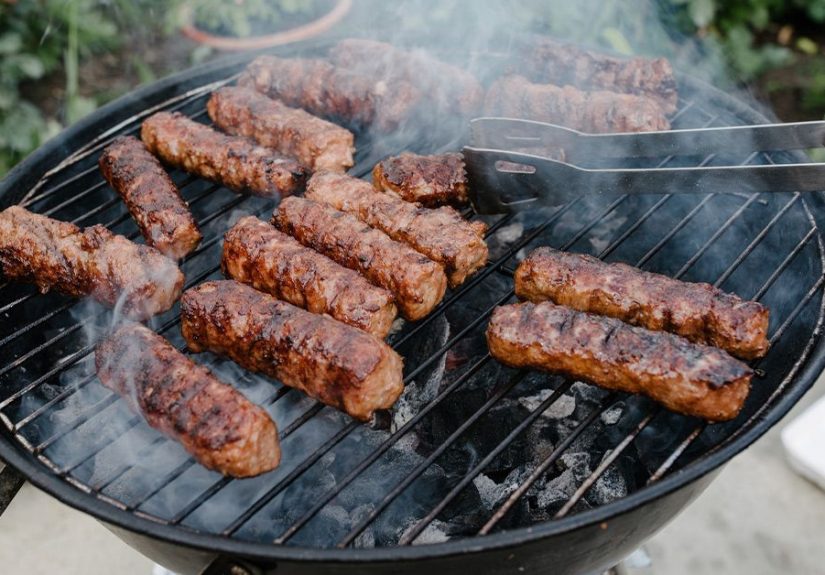
Grilling sausage is glorious, but it can go wrong fast if the heat is too aggressive. Sausage likes a more controlled approach than burgers do.
- Set up a grill with two zones: one side hotter, one side cooler.
- Start the sausages over indirect or cooler heat so they cook through gently.
- Finish them over direct heat just long enough to crisp and brown the casing.
- Turn them occasionally and avoid flare-ups.
This two-zone method gives you the best of both worlds: a juicy interior and that smoky, snappy exterior everyone wants. If you start over blazing direct heat, the casing can split and the fat can run out, which is just another way of saying flavor leaves the building.
4) Air Fryer: Best for Speed
The air fryer is excellent for quick sausage cooking, especially for breakfast links, patties, and smaller fresh sausages.
- Preheat the air fryer if your model recommends it.
- Cook sausage in a single layer so air can circulate.
- Use a moderate-to-high setting, usually around 360°F to 400°F.
- Flip once during cooking.
- Check doneness with a thermometer.
Most links finish in roughly 8 to 12 minutes, while patties can cook even faster. The exact time depends on thickness and whether the sausage is raw, thawed, or fully cooked. Translation: trust the thermometer more than the clock.
5) Fully Cooked Smoked Sausage: Heat It, Then Make It Delicious
Fully cooked smoked sausage does not need the same gentle raw-to-done treatment as fresh sausage. What it needs is reheating and browning.
You can:
- Slice it and brown it in a skillet for quick weeknight meals.
- Simmer whole links or ropes until hot, then brown if desired.
- Grill it until heated through with light char on the outside.
- Roast it with vegetables for a sheet-pan dinner.
This is the sausage category that saves many busy households. It is fast, forgiving, and always ready to jump into pasta, rice, beans, soups, or a toasted bun like a dependable dinner hero.
How to Cook Sausage by Type
Breakfast sausage patties
Cook in a skillet over medium heat, flipping once, until browned and cooked through. Because they are smaller and flatter than links, they cook quickly and are perfect for sandwiches, biscuits, or egg scrambles.
Italian sausage links
These shine with the simmer-then-sear method or in the oven. Serve them whole in buns with peppers and onions, or slice them into pasta sauce after cooking.
Bratwurst
Brats love gentle heat first, then browning. On the grill, indirect heat is your best friend. Serve with mustard, sauerkraut, or grilled onions and suddenly you are one picnic table away from greatness.
Chicken or turkey sausage
These can dry out faster than pork sausage, so moderate heat is especially important. Cook them until they reach 165°F, then pull them off the heat as soon as they are done.
Kielbasa or smoked sausage
Usually fully cooked and very weeknight-friendly. Slice and sauté, roast whole, or warm it on the grill. This is the sausage you call when your schedule is rude.
Bulk sausage
Cook and crumble it in a skillet over medium heat until browned and fully cooked. Drain excess fat if needed. It is excellent in gravy, pasta sauce, stuffing, casseroles, pizza, tacos, and breakfast hash.
Common Sausage Cooking Mistakes
Using heat that is too high
This is the big one. High heat can split the casing and send flavorful juices into the pan instead of keeping them inside the sausage where they belong.
Skipping the thermometer
Guessing works until it does not. Then dinner becomes “let’s all eat toast.”
Crowding the pan
If the sausages are packed too tightly, they steam instead of brown. Give them space.
Assuming all sausage is raw
Some sausages are fully cooked, some are not, and the package tells the story. Read it before you cook.
Pulling sausage too early because it looks done
A browned exterior is nice, but internal temperature is what matters.
What to Serve with Sausage
Sausage is rich and savory, so it pairs beautifully with foods that balance it out or soak up all that flavor.
- Peppers and onions
- Roasted potatoes
- Pasta with tomato sauce
- Rice or beans
- Sauerkraut
- Eggs and toast
- Polenta or mashed potatoes
- Mustard, pickles, and crusty bread
If you are feeding a crowd, sausage trays are wonderfully practical. A pile of browned sausage, roasted vegetables, mustard, buns, and a salad can make you look wildly competent with surprisingly little effort.
How to Store and Reheat Leftover Sausage
Let leftover sausage cool slightly, then refrigerate it within 2 hours. Store it in an airtight container and plan to use it within 3 to 4 days. Reheat leftovers until hot all the way through. Sliced leftover sausage reheats especially well in a skillet because it browns quickly and gets delicious crispy edges.
Leftovers are also where sausage becomes a meal-prep legend. Chop it into fried rice, add it to soups, toss it into mac and cheese, or slide it into a breakfast burrito. Yesterday’s sausage is often tomorrow’s best idea.
The Bottom Line
If you remember only three things, make them these: know whether your sausage is raw or fully cooked, use moderate heat instead of blasting it, and check the internal temperature before serving. That is really the whole game.
Once you get comfortable, sausage becomes one of the easiest proteins to cook well. It is flexible, flavorful, budget-friendly, and surprisingly forgiving when handled with a little patience. Pan-cook it, roast it, grill it, or air-fry it. Just do not rush it. Sausage rewards calm energy.
And honestly, that may be the greatest lesson sausage has to offer. Sometimes the best dinner is not flashy. Sometimes it is just a well-cooked link, a pile of onions and peppers, and the quiet satisfaction of knowing you absolutely nailed it.
Kitchen Experience: What Cooking Sausage Taught Me
The first time I tried to cook fresh sausage on my own, I approached it with the confidence of someone who had watched exactly one cooking show and clearly learned nothing from it. I cranked the heat too high, dropped the sausages into a pan that was way too hot, and stood back like I had just launched a rocket. The result was dramatic, if not exactly edible. The casings browned fast, then split. Fat sputtered everywhere. The outside looked ready for its close-up while the inside was still undercooked. It was less “rustic home cooking” and more “crime scene with mustard.”
That failure turned out to be useful because it taught me the main truth about sausage: it does not want to be rushed. Once I stopped treating sausage like a steak and started giving it gentler heat, everything changed. The stovetop became much less chaotic. The links stayed intact, the centers cooked through properly, and the texture went from dry and crumbly to juicy and springy. It was one of those annoying kitchen lessons where the boring advice turned out to be the correct advice.
Over time, I also learned that sausage is incredibly forgiving when you match the method to the moment. On busy mornings, breakfast patties in a skillet are fast and dependable. On weeknights, roasted sausage with peppers and onions is the kind of dinner that feels like you tried harder than you actually did. On weekends, grilled brats with mustard and buns feel festive even if you are just standing in the backyard in mismatched sandals holding tongs like they are a personality trait.
The biggest upgrade in my sausage life, though, was buying an instant-read thermometer. It sounds unromantic, and it is. It is also wildly effective. Instead of cutting into a link and squinting at the center like I was trying to read tea leaves, I could check the temperature and know. That little tool removed the guesswork, the overcooking, and the weird anxiety that comes from serving meat while secretly hoping for the best.
I also became a huge fan of the simmer-then-sear approach for thicker links. It feels almost too simple to work: a little water, a covered pan, a gentle cook, then an uncovered finish. But the payoff is real. The sausage cooks evenly, the casing browns beautifully, and the interior stays juicy. It is the method that made me stop fearing fresh sausage and start buying it on purpose.
Another thing experience taught me is that sausage is a team player. It improves almost everything it touches. A lonely bag of potatoes? Better with sausage. A pan of cabbage that sounds suspiciously healthy? Add sausage. Pasta, rice, white beans, lentils, scrambled eggs, mac and cheese, pizza, soup, stuffing, sheet-pan vegetables, breakfast sandwiches, even leftover roasted vegetables from the night beforesausage can walk into all of those situations and somehow make them feel more complete.
So if you are still figuring it out, welcome to the club. Everyone has made a dry sausage, a burnt sausage, or a suspiciously pale sausage at some point. The trick is not perfection. The trick is learning the rhythm: medium heat, enough time, a thermometer, and a little common sense. Once you get that down, sausage stops being tricky and starts being one of the most useful, satisfying things you can cook. Which is great news, because when sausage is done right, dinner gets a whole lot easierand a whole lot tastier.