Table of Contents >> Show >> Hide
- What Is Hormonal Acne?
- Common Signs Your Acne May Be Hormonal
- Start with a Simple Acne-Friendly Routine
- Ingredients That Can Help Adult Hormonal Acne
- When Over-the-Counter Products Are Not Enough
- Do Diet and Lifestyle Matter?
- Common Mistakes That Make Hormonal Acne Worse
- A Practical 12-Week Plan for Adult Hormonal Acne
- When to See a Dermatologist or Doctor
- Experiences and Real-Life Lessons from Adult Hormonal Acne
- Conclusion
Adult hormonal acne has a special talent for showing up at the exact wrong time. Big meeting tomorrow? Hello, chin volcano. Wedding photos next week? Surprise guest on the jawline. Finally bought that fancy serum your friend swears by? Your pores file a formal complaint.
The good news: adult hormonal acne is common, treatable, and not a sign that you somehow “failed” at skin care. The less-fun news: it usually requires more strategy than panic-buying five new products at midnight. Hormonal acne is driven by a mix of oil production, clogged pores, inflammation, bacteria, genetics, stress, and hormone shifts. In adults, it often appears around the chin, jawline, lower cheeks, neck, chest, or back, and it may flare before a period, during stress, after stopping birth control, during perimenopause, or alongside conditions such as polycystic ovary syndrome.
This guide explains how to deal with hormonal acne as an adult using a realistic, dermatologist-inspired approach: a simple routine, smart ingredients, prescription options when needed, lifestyle factors worth considering, and a few hard-earned experience lessons from people who have been through the “why is my face doing taxes and breaking out?” phase.
What Is Hormonal Acne?
Hormonal acne is acne influenced by hormone activity, especially androgens, which can increase sebum production. Sebum is the skin’s natural oil. A little oil is helpful; too much oil, mixed with dead skin cells inside pores, can create the perfect tiny apartment complex for breakouts. Add inflammation, and suddenly a pore that was minding its own business becomes a painful bump with main-character energy.
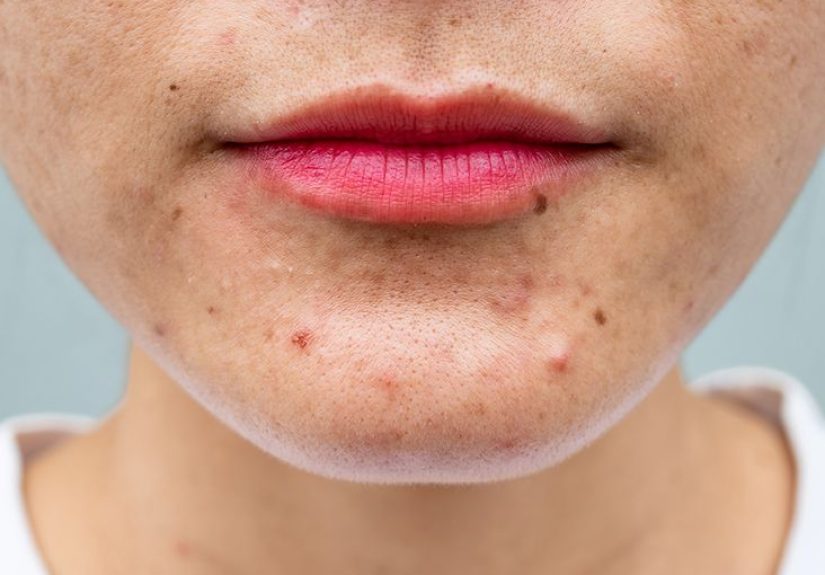
Adult hormonal acne often looks different from teenage acne. Instead of scattered forehead bumps or oily T-zone breakouts, adults may notice deeper, tender pimples on the lower face. These can be cyst-like, slow to heal, and annoyingly loyal. Some people also get blackheads, whiteheads, pustules, or recurring clusters that appear in the same place month after month.
Common Signs Your Acne May Be Hormonal
Not every adult breakout is hormonal, but there are clues. Hormonal acne often:
- Flares around the same time each month
- Appears along the chin, jawline, lower cheeks, neck, chest, or back
- Feels deep, sore, or cystic
- Worsens during stress, sleep disruption, or hormone changes
- Starts or changes after stopping, starting, or switching hormonal birth control
- Comes with irregular periods, increased facial hair, hair thinning, or weight changes
If acne appears with irregular periods, excess facial or body hair, scalp hair thinning, or sudden severe changes, it is worth talking with a health care professional. Conditions such as PCOS can involve higher androgen activity and may need medical evaluation beyond a skin-care routine.
Start with a Simple Acne-Friendly Routine
The first rule of adult hormonal acne care: do not declare war on your face. Skin is not a dirty kitchen counter. Scrubbing harder, washing six times a day, or layering every active ingredient in the bathroom cabinet usually leads to irritation, not victory.
Morning Routine
Start with a gentle, non-scrubbing cleanser. If your skin is dry or sensitive, a creamy or hydrating cleanser may be better than a foaming one. After cleansing, use one targeted acne treatment if tolerated. Benzoyl peroxide can help reduce acne-causing bacteria and inflammation, while salicylic acid can help loosen clogged pores. Then apply a lightweight, noncomedogenic moisturizer and broad-spectrum sunscreen.
Sunscreen matters even when you are breaking out. Many acne treatments, especially retinoids, can make skin more sun-sensitive. Sun exposure can also darken post-acne marks, turning a temporary breakout into a souvenir that overstays its welcome.
Night Routine
At night, cleanse gently again. If you wear makeup or heavy sunscreen, remove it fully without scrubbing. Then apply a retinoid if your skin can tolerate it. Adapalene is available over the counter in the United States, while tretinoin and other retinoids are prescription options. Retinoids help prevent clogged pores and are a cornerstone of acne care.
The key is consistency. Retinoids are not overnight magic; they are more like a responsible friend who shows up regularly and slowly fixes the chaos. Start two or three nights per week, use a pea-sized amount for the whole face, and moisturize to reduce dryness. More product does not mean faster results. It usually means flaking, stinging, and emotional negotiations with your mirror.
Ingredients That Can Help Adult Hormonal Acne
Benzoyl Peroxide
Benzoyl peroxide helps reduce acne-related bacteria and inflammation. It can be useful for red, inflamed pimples and is often used in morning routines. Lower strengths may work with less irritation. It can bleach towels, pillowcases, and shirts, so use white fabrics or let it dry completely before dressing.
Salicylic Acid
Salicylic acid is a beta hydroxy acid that can help clear oil and dead skin inside pores. It may be useful for blackheads, whiteheads, and mild clogged pores. Adults with sensitive skin should avoid using too many exfoliating products at once.
Adapalene and Prescription Retinoids
Retinoids help normalize skin cell turnover, which reduces clogged pores over time. They can also help prevent new acne from forming. Dryness and peeling are common early on, so ease in slowly. A moisturizer “sandwich” can help: moisturizer, retinoid, then another thin layer of moisturizer.
Azelaic Acid
Azelaic acid can help with acne, redness, and post-acne discoloration. It is often a good option for people who cannot tolerate stronger acids or who are dealing with brown or red marks after breakouts.
Clascoterone
Clascoterone is a prescription topical medication that targets androgen receptors in the skin. It may be used for acne in both males and females and can be especially interesting for people who want a hormone-targeting approach without taking an oral medication.
When Over-the-Counter Products Are Not Enough
If you have deep, painful, recurring hormonal acne or acne that leaves scars or dark marks, do not wait forever. A dermatologist can help create a plan that is stronger and safer than endless trial-and-error shopping. A good rule of thumb: if consistent over-the-counter treatment has not helped after about 8 to 12 weeks, or if acne is scarring, painful, or affecting your confidence, it is time to get professional help.
Topical Prescriptions
Dermatologists may prescribe topical retinoids, topical antibiotics, dapsone gel, azelaic acid, benzoyl peroxide combinations, or clascoterone. Topical antibiotics are often paired with benzoyl peroxide to reduce the risk of antibiotic resistance.
Oral Antibiotics
For moderate to severe inflammatory acne, short-term oral antibiotics may be used. They are not usually a forever plan. The goal is often to calm inflammation while topical treatments or hormonal therapies begin working.
Combined Oral Contraceptives
Some combined oral contraceptives are FDA-approved for acne treatment in people who can take them safely and also want contraception. They may help by reducing androgen effects that contribute to oil production. They are not right for everyone, so a clinician should review personal risk factors such as migraine history, blood clot risk, smoking status, blood pressure, and other health considerations.
Spironolactone
Spironolactone is a prescription medication often used off-label for adult hormonal acne, especially in women. It works by reducing androgen-related effects on oil glands. It can be very helpful for jawline and chin acne, but it requires medical guidance. Possible side effects and pregnancy considerations should be discussed with a clinician.
Isotretinoin
Isotretinoin is a powerful oral retinoid used for severe, scarring, nodular, or treatment-resistant acne. It can be life-changing for the right patient, but it is tightly regulated because it can cause severe birth defects if taken during pregnancy. In the United States, isotretinoin is managed through the iPLEDGE REMS program, and patients must follow strict safety requirements.
Do Diet and Lifestyle Matter?
Diet is not the whole acne story, and anyone promising that one “clean eating” trick will cure hormonal acne is probably selling something with a suspiciously beige label. Still, research suggests that some people may notice improvement when they reduce high-glycemic foods such as sugary drinks, sweets, white bread, and highly processed snacks. Some studies also suggest a possible link between milk consumption and acne in certain people.
The smartest approach is not an extreme elimination diet. Instead, try a calm experiment. For four to eight weeks, focus on balanced meals with protein, fiber-rich carbohydrates, healthy fats, fruits, vegetables, and plenty of water. If you suspect dairy or high-sugar foods worsen your breakouts, track patterns without turning meals into a courtroom drama.
Stress and Sleep
Stress does not usually create acne from nothing, but it can worsen acne that is already present. Stress hormones can influence inflammation and oil production. Sleep also matters because poor sleep can increase stress load and make routines harder to follow. Nobody has ever improved their skin by doomscrolling at 1:47 a.m. while whispering, “Just one more video.”
Exercise
Exercise supports overall health and stress management. Just remember to cleanse after sweating, avoid tight sweaty clothing for long periods, and choose noncomedogenic sunscreen or moisturizer before outdoor workouts. Sweat itself is not evil; letting sweat, oil, friction, and tight fabric form a tiny acne committee can be the problem.
Common Mistakes That Make Hormonal Acne Worse
Using Too Many Actives
A benzoyl peroxide cleanser, salicylic toner, glycolic serum, retinoid, clay mask, and drying spot treatment all in one night is not a routine. It is a group project with no leader. Irritated skin can look redder, bumpier, oilier, and more inflamed. Choose one or two proven treatments and give them time.
Picking and Squeezing
Picking can increase inflammation, delay healing, and raise the risk of scarring or dark marks. If you must do something, use a hydrocolloid patch on whiteheads or keep your hands busy. Your future skin will appreciate the restraint.
Changing Products Every Week
Acne treatments need time. Many people see early irritation before improvement, especially with retinoids. Unless you are having severe irritation or an allergic reaction, give a routine at least 8 to 12 weeks before deciding it failed.
Skipping Moisturizer
Acne-prone skin still needs moisture. When skin becomes too dry, the barrier gets irritated, and acne treatments become harder to tolerate. Look for lightweight, oil-free, noncomedogenic moisturizers.
A Practical 12-Week Plan for Adult Hormonal Acne
Weeks 1–2: Reset the Routine
Stop the chaos. Use a gentle cleanser, noncomedogenic moisturizer, sunscreen, and one acne treatment. Introduce retinoids slowly. Take photos in the same lighting once a week, not every 20 minutes under bathroom lights that make everyone look like they owe money.
Weeks 3–6: Build Consistency
Increase retinoid use if tolerated. Add benzoyl peroxide in the morning if inflammatory breakouts continue. Keep the skin barrier comfortable. Avoid new masks, peels, and “miracle” products while your skin adjusts.
Weeks 7–12: Evaluate Honestly
If acne is improving, keep going. If it is still painful, cystic, or leaving marks, book a dermatologist appointment. Bring your product list, photos, menstrual-cycle notes if relevant, and any medication or birth-control history. This makes the visit more useful and less like a guessing game.
When to See a Dermatologist or Doctor
Seek professional help if acne is painful, deep, widespread, scarring, or not improving with consistent treatment. Also consider medical evaluation if acne appears with irregular periods, excess facial hair, scalp hair thinning, sudden weight changes, or other hormone-related symptoms. A dermatologist can treat the skin, while a primary care doctor, gynecologist, or endocrinologist can evaluate possible underlying hormone issues.
Experiences and Real-Life Lessons from Adult Hormonal Acne
One of the most frustrating parts of adult hormonal acne is that it feels unfairly timed. Many people expect breakouts to be a teenage problem, something filed away with school photos and questionable haircut decisions. Then acne comes back in adulthood, right when life already includes work deadlines, bills, relationships, parenting, or simply trying to look awake on video calls. The emotional side is real. A small breakout can feel huge when it is painful, visible, and repeating every month.
A common experience is the “product spiral.” It starts innocently: one cleanser, one serum, one spot treatment. Then the breakout does not vanish, so another product joins the lineup. Soon the bathroom shelf looks like a tiny pharmacy with commitment issues. Many adults later realize their skin improved only after they simplified. A gentle cleanser, moisturizer, sunscreen, and one or two proven acne treatments often beat a 12-step routine that leaves the skin barrier begging for a vacation.
Another lesson is that hormonal acne often needs internal strategy, not just surface-level effort. Someone may use benzoyl peroxide faithfully and still get monthly jawline cysts. That does not mean they are doing skin care wrong. It may mean the acne is being driven partly by androgen activity, menstrual-cycle changes, or another hormone pattern. For these people, prescription options such as spironolactone, combined oral contraceptives, clascoterone, or isotretinoin may be discussed with a clinician. The right treatment depends on medical history, pregnancy plans, acne severity, and personal comfort.
Many adults also learn patience the hard way. Acne treatment is slow because acne forms before it appears. A pimple that shows up today may have started developing weeks ago. That is why a new routine can feel like it is “not working” even when it is preventing future clogged pores. Taking weekly photos can help because the brain is not a reliable historian when it is annoyed. Progress may look like fewer painful cysts, faster healing, less redness, or shorter flares before it looks like totally clear skin.
Diet experiments can be useful, but they can also become stressful. Some people notice fewer breakouts when they reduce high-glycemic foods or certain dairy products. Others see no clear pattern. The healthiest experience-based advice is to track gently, not obsessively. Acne is not a moral scorecard, and eating a cupcake does not make someone “bad at skin.” A balanced approach is easier to maintain and better for mental well-being.
Finally, many people discover that confidence cannot wait for perfect skin. Treating hormonal acne is worthwhile, but life should not pause until every pore behaves. Use makeup if you like it. Skip makeup if you hate it. Wear the outfit, take the photo, go to the event, join the meeting. Adult hormonal acne can be stubborn, but it is manageableand it does not get to vote on your worth.
Conclusion
Dealing with hormonal acne as an adult is not about punishing your skin into submission. It is about understanding the pattern, choosing evidence-based ingredients, protecting the skin barrier, and knowing when to bring in professional help. Start simple: gentle cleanser, targeted treatment, moisturizer, and sunscreen. Give products enough time to work. Watch for hormone-related clues. If acne is deep, painful, scarring, or persistent, a dermatologist can offer stronger options such as prescription retinoids, clascoterone, spironolactone, combined oral contraceptives, oral antibiotics, or isotretinoin when appropriate.
Adult hormonal acne may be stubborn, but it is not unbeatable. With consistency, patience, and the right medical support, clearer and calmer skin is a realistic goalno bathroom-shelf circus required.