Table of Contents >> Show >> Hide
- First: “Clean” vs “Disinfect” vs “Sanitize” (Yes, It Matters)
- When Disinfecting Is Worth Your Time (and When It’s Overkill)
- Safety Rules (Because “I Mixed Stuff” Is Not a Fun Story)
- Pick Your Disinfectant (and Use It Correctly)
- The “After Illness” Game Plan: Do This in Order
- Your High-Touch Hit List (The Stuff Everyone Forgets)
- Room-by-Room: What to Disinfect and How
- Laundry and Linens: The Quiet Germ Pipeline
- Trash, Tissues, and “Sickroom” Setup
- Special Situation: Cleaning Up After Vomit or Diarrhea (Norovirus-Style)
- How to Avoid Getting Sick: A “Maintenance Mode” Routine
- Common Disinfecting Mistakes (So You Don’t Waste Effort)
- A Quick Post-Illness Checklist (Printable-Friendly)
- Experience-Based Add-On: What People Learn the Hard Way (So You Don’t Have To)
- Conclusion
Someone in your home got sick, and now every doorknob feels like it’s plotting against you. Or maybe you’re just trying
to dodge whatever “seasonal mystery gunk” is currently making the rounds. Either way: you don’t need to bleach-bomb your
entire house like you’re preparing it for a space launch. You need a smart, targeted plan that actually works.
This guide walks you through what to clean, what to disinfect, what to leave alone, and how to do it safelywithout
turning your living room into a chemical fog bank. You’ll get a practical checklist, room-by-room tips, and real-life
examples so you can stop guessing and start winning.
First: “Clean” vs “Disinfect” vs “Sanitize” (Yes, It Matters)
These words get thrown around like confetti, but they’re not the same thing:
- Cleaning removes dirt and germs from surfaces (usually with soap/detergent + water). It doesn’t always kill germs, but it reduces them.
- Disinfecting uses chemicals to kill germs on surfaces. Many disinfectants only work well after you clean first.
- Sanitizing lowers the number of germs to a safer level. It’s common for food-contact items, but not always strong enough after certain illnesses.
The shortcut rule: Clean first, then disinfect high-touch areas (especially after illness).
When Disinfecting Is Worth Your Time (and When It’s Overkill)
Disinfecting is most useful when:
- Someone in the household has been sick (or is currently recovering).
- You have a high-risk person at home (older adult, infant, pregnant person, or someone immunocompromised).
- You’re dealing with stomach bugs (like norovirus), where germs can be stubborn.
- You want to reduce spread during outbreaks (flu, RSV, COVID-19, etc.).
Disinfecting everything dailywalls, floors, ceilings, the dog’s emotional support tennis ballis rarely necessary.
Focus on what hands touch all day long.
Safety Rules (Because “I Mixed Stuff” Is Not a Fun Story)
Before you start, keep these non-negotiables in mind:
- Never mix cleaners (especially bleach with ammonia, acids, or vinegar). This can create toxic gases.
- Ventilate: open windows/doors or run fans when using disinfectants.
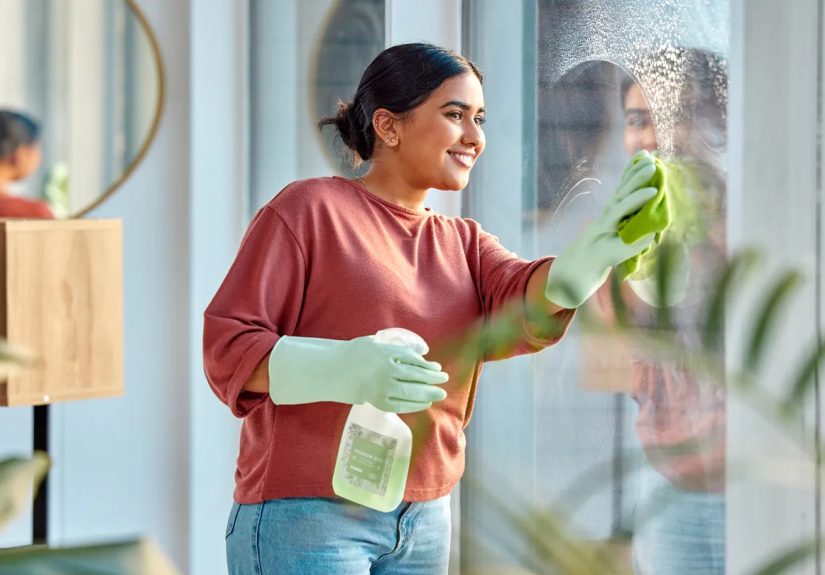
- Protect your skin: wear gloves; consider eye protection if splashing is possible.
- Keep kids and pets away from wet disinfectant surfaces until they’re dry (and always store products out of reach).
- Read the label: the product is only effective if used as directed (including how long it stays wet).
Pick Your Disinfectant (and Use It Correctly)
You don’t need a cabinet full of “miracle sprays.” Choose one or two reliable options and use them well:
Option A: EPA-Registered Disinfectants (Sprays or Wipes)
Look for an EPA registration on the label. These products are tested for specific germs when used properly.
The big trick most people miss: contact time.
Contact time means the surface must stay visibly wet for the amount of time listed on the label (often several minutes).
If it dries too soon, it may not fully disinfect. Reapply if needed.
Option B: Bleach Solution (Cheap, Effective, Needs Respect)
Household bleach can disinfect many hard, non-porous surfaces. A common dilution used for general disinfection is:
- 5 tablespoons (1/3 cup) bleach per 1 gallon of room-temperature water, or
- 4 teaspoons bleach per 1 quart of room-temperature water
Mix fresh when you can, label your bottle, and never use hot water (it can break down bleach faster). Don’t use bleach
on porous materials, many metals, or colored fabrics unless the item is bleach-safe.
Option C: 70% Alcohol for Small Surfaces and Electronics (When Appropriate)
Alcohol solutions at about 70% can be useful for small, hard surfaces and certain electronics (check manufacturer guidance).
Avoid soaking anythingespecially around screens, ports, and seams.
The “After Illness” Game Plan: Do This in Order
If you do these steps in the right sequence, you’ll get better results with less effortand fewer streaky, sticky
“disinfectant memories” on your countertops.
-
Declutter and remove “stuff” from surfaces.
The fewer objects you have in the way, the easier it is to clean properly. -
Clean first (soap/detergent + water).
Dirt and grime can block disinfectants. Wipe away crumbs, residue, and gunk before disinfecting. -
Disinfect targeted high-touch surfaces.
Use your chosen disinfectant and follow label directions (especially contact time). -
Let surfaces air dry.
Don’t immediately wipe everything dry unless the label instructs it. -
Wash hands when you’re done.
You just fought germs. Don’t shake their hands afterward.
Your High-Touch Hit List (The Stuff Everyone Forgets)
Start herethese are the biggest bang-for-your-buck surfaces:
- Doorknobs and handles (including fridge + microwave handles)
- Light switches
- Faucet handles
- Toilet handle and seat (top and underside)
- Remote controls, game controllers, keyboards, phones
- Bedside tables and drawer pulls
- Handrails and stair banisters
- Trash can lids and high-use bins
Room-by-Room: What to Disinfect and How
Kitchen (Where Germs Love to RSVP)
Kitchens are tricky because food-contact surfaces need both cleanliness and chemical safety.
- Clean first: soap/detergent + water on counters, table, and sink.
- Disinfect counters, fridge handle, cabinet pulls, faucet handles, and trash lid.
- Food-contact surfaces: if you use bleach or a strong disinfectant on areas that touch food, rinse afterward if the label requires it.
- Sponges and dishcloths: swap them out or run through a hot wash/dry cycle. Old sponges are basically tiny germ hotels.
Bathrooms (Small Room, Big Germ Energy)
Bathrooms deserve special attention after respiratory illness and especially after stomach bugs.
- Disinfect: toilet handle/seat, sink handles, counter edges, shower handles, and light switches.
- Use separate cloths for bathrooms if possible to avoid spreading germs to other rooms.
- If someone was actively ill, aim to disinfect daily high-touch bathroom surfaces until recovery, then do a deeper clean.
Bedrooms (Sleep, Sweat, Sneezes)
- Wash bedding: sheets, pillowcases, blankets if needed (especially if there was coughing/sweating).
- Disinfect: nightstand, lamp switch, phone charger area, drawer pulls, and door handle.
- Soft surfaces like upholstered headboards: vacuum or use a fabric-safe product according to instructions.
Living Room (The Remote Control Monarchy)
- Disinfect: remote controls, coffee table edges, game controllers, and frequently touched chair arms.
- Soft furniture: vacuum cushions and consider laundering removable covers. If not removable, follow fabric-safe cleaning guidance.
- Skip disinfecting walls and floors unless they’re high-traffic and frequently touched (or contaminated by bodily fluids).
Electronics (Clean Without “Killing” the Device)
Phones and keyboards get handled constantly. They also hate being soaked. Use manufacturer instructions when available.
In general:
- Power off devices first.
- Use a lightly dampened disinfecting wipe or clothdon’t let liquid pool.
- Target: phone screens, cases, keyboard keys, mouse, and TV remote buttons.
Laundry and Linens: The Quiet Germ Pipeline
Laundry is often overlooked, but it mattersespecially after flu, stomach bugs, or heavy coughing.
- Don’t shake dirty laundry (that can spread germs into the air).
- Wear disposable gloves if you’re handling laundry from someone who’s sick, then wash hands afterward.
- Wash using the warmest appropriate water setting for the fabric and dry items completely.
- Clean and disinfect laundry hampers and any surfaces the dirty laundry touched.
For bleach-safe whites (towels, sheets), bleach can add extra disinfection power. For non-bleach-safe items,
follow product directions for laundry sanitizers if you choose to use them.
Trash, Tissues, and “Sickroom” Setup
If someone is currently sick, set the home up for easier containment:
- Use a lined trash can in the sick person’s room for tissues and wipes.
- Empty trash regularly and wash hands after handling.
- If possible, limit shared items (cups, towels, throw blankets) until recovery.
Special Situation: Cleaning Up After Vomit or Diarrhea (Norovirus-Style)
If you suspect a stomach bug like norovirus, you’ll want a stronger approach because these germs can spread easily.
Safety first: gloves, ventilation, and disposable towels.
- Wipe up mess with paper towels and seal them in a plastic bag before tossing.
- Clean the area with soap/detergent and water.
-
Disinfect using either:
- An EPA-registered disinfectant effective against norovirus, or
- A bleach solution in the 1,000–5,000 ppm range (often described as 5 to 25 tablespoons of household bleach per gallon of water, depending on the situation).
- Leave disinfectant on the surface for the recommended time (often at least several minutes).
- Wash hands thoroughly with soap and water afterward.
How to Avoid Getting Sick: A “Maintenance Mode” Routine
You don’t need to live in a constant state of “spray and pray.” A simple routine helps cut down on household spread:
- Daily (2–5 minutes): wipe high-touch spots like kitchen faucet, phone screens, and doorknobs during illness season.
- Weekly: change hand towels, wash bedding, and clean remote controls and light switches.
- Anytime someone’s sick: increase cleaning of shared bathrooms and shared touchpoints.
- Ventilation helps: fresh air can reduce indoor buildup of respiratory particles.
Common Disinfecting Mistakes (So You Don’t Waste Effort)
- Skipping the clean step: disinfectant works better on surfaces that aren’t grimy.
- Wiping disinfectant off too fast: contact time matterswet means working.
- Using the wrong product for the germ: some illnesses (like norovirus) may need specific disinfectants.
- Mixing products: dangerous and unnecessary.
- Disinfecting everything: focus on high-touch areas; don’t “over-chemical” your home.
A Quick Post-Illness Checklist (Printable-Friendly)
- High-touch surfaces: doorknobs, switches, handles, remotes, phones
- Bathroom: toilet handle/seat, sink handles, counters
- Kitchen: counters, sink, fridge handle, trash lid
- Laundry: bedding, towels, frequently worn clothes; disinfect hamper
- Soft items: vacuum upholstery; wash throw blankets and pillow covers
- Trash: empty lined bins; wash hands after handling
Experience-Based Add-On: What People Learn the Hard Way (So You Don’t Have To)
The best disinfecting plans look great on paperuntil real life shows up wearing socks that somehow caught every germ
in a five-mile radius. Below are common “been there” household scenarios and the practical lessons they teach. These
aren’t horror stories; they’re the everyday moments that quietly make or break your efforts.
1) The “We cleaned everything… except the remote” problem.
In a lot of families, the living room becomes the recovery lounge: blankets, movies, naps, repeat. People diligently
wipe counters and bathroom faucetsthen pass the remote from hand to hand like it’s a ceremonial baton. A few days
later, someone else starts sniffling and everyone swears the illness “came back.” The lesson: disinfect the small,
shared objects that get touched constantlyremotes, controllers, phones, and the “one pen everyone uses.”
2) The “I sprayed, it dried in 30 seconds, so… done?” misunderstanding.
Plenty of folks assume a disinfectant works the second it hits the surface. But many products need the surface to stay
wet for a certain number of minutes. In real homes, people spray a table, immediately wipe it, and feel victorious.
Then they wonder why they’re still passing germs around. The lesson: check the label for contact time and apply enough
product to keep the surface wet for the full window. If that feels annoying, pick a disinfectant with a shorter contact
time or use pre-saturated wipes that keep surfaces wet longer.
3) The “laundry is clean, right?” assumption.
During illness, laundry piles grow fast: towels, sweatshirts, sheets, and the emotional-support hoodie that never leaves
the couch. People often wash items on a quick cycle with lukewarm water, toss them in the dryer, and move on. That’s
better than nothing, but the lesson is to lean on the warmest safe water setting for the fabric, dry completely, and
avoid shaking dirty laundry (which can send germs into the air). After a rough flu week or a stomach bug, that extra
attention helps break the “re-infection loop.”
4) The “stomach bug cleanup that wasn’t strong enough” moment.
When vomiting or diarrhea happens, many households clean it like a normal spill: wipe, spray a pleasant-smelling cleaner,
and open a window. Unfortunately, some stomach viruses spread easily and can be stubborn on surfaces. People often learn
this when another family member gets sick shortly after the first person recovers. The lesson: treat bodily-fluid cleanup
as a special category. Use gloves, clean first, then disinfect with a product effective for that type of germ (and follow
the recommended contact time). It’s not about panicit’s about matching the tool to the job.
5) The “chemical soup” mistake (aka cleaning TikTok gone wrong).
Many people have tried mixing “just a little” of two products because it seems more powerfulonly to end up coughing,
irritated, or scared. The lesson: never mix cleaners. If you need a stronger approach, rinse the surface thoroughly,
ventilate, and switch to a different product after the first is removed. A safe routine beats a risky experiment
every single time.
In real homes, the winning strategy is simple: clean first, disinfect what hands touch most, respect contact time, and keep
it safe. That’s how you reduce risk without turning your home into a science fair volcano.
Conclusion
Disinfecting your house after an illness doesn’t have to be dramatic (or involve a hazmat suit you bought at 2 a.m.).
Focus on the highest-touch surfaces, clean before you disinfect, follow label directionsespecially contact timeand use
safe practices like ventilation and never mixing products. Add smart laundry habits and a short maintenance routine, and
you’ll cut down on household germ-sharing without exhausting yourself.