Table of Contents >> Show >> Hide
- What Is a Job Application?
- Before You Start: Gather Your Information
- Step-by-Step Guide: How To Fill Out a Job Application
- 1. Read the Instructions First
- 2. Use a Professional Name and Email Address
- 3. Match Your Application to the Job Posting
- 4. Fill Out Every Required Field
- 5. Be Honest About Your Work History
- 6. List Employment History in the Requested Order
- 7. Explain Employment Gaps Briefly and Positively
- 8. Choose References Carefully
- 9. Handle Salary Questions Strategically
- 10. Upload a Clean Resume
- 11. Write Strong Short Answers
- How To Fill Out an Online Job Application
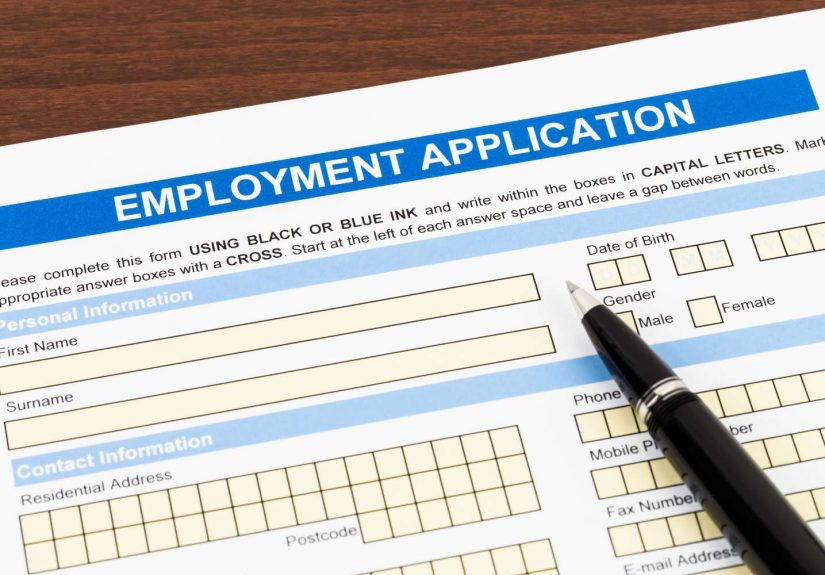
- How To Fill Out a Paper Job Application
- Common Job Application Mistakes To Avoid
- What Employers Can and Cannot Ask
- Examples of Strong Job Application Wording
- After You Submit the Application
- Extra Experience-Based Advice: What Actually Helps When Filling Out Job Applications
- Conclusion
Filling out a job application sounds simpleuntil the form asks for your employment dates from six years ago, your supervisor’s phone number, your exact hourly wage, three references, your availability, your legal work status, and a “brief” explanation of why you want the job. Suddenly, the application feels less like paperwork and more like a pop quiz written by someone who loves tiny boxes.
The good news? A strong job application is not about being perfect. It is about being clear, accurate, honest, and relevant. Whether you are applying online, completing a paper form in a store, submitting a government application, or emailing your resume to a hiring manager, the goal is the same: make it easy for the employer to understand who you are, what you can do, and why you fit the role.
This guide explains how to fill out a job application step by step, what information to prepare, how to avoid common mistakes, and how to make your application stand out without sounding like you swallowed a corporate buzzword dictionary.
What Is a Job Application?
A job application is an official form employers use to collect information about candidates. It usually asks for your contact details, work history, education, skills, availability, references, and permission to verify the information you provide. Some applications are short and friendly. Others are long enough to make you consider becoming a forest hermit.
Unlike a resume, which you design and organize yourself, a job application follows the employer’s format. That means every field matters. Employers may use applications to compare candidates fairly, confirm work history, screen for minimum qualifications, and decide who moves forward to an interview.
Before You Start: Gather Your Information
The smartest way to complete a job application is to prepare before you type your first letter. Online forms can time out, paper forms can get messy, and your memory may suddenly forget the name of your former manager the moment you need it.
Create a Personal Application Worksheet
Keep a simple document with the information you commonly need. Include:
- Your full legal name and preferred contact information
- Professional email address
- Phone number with voicemail set up
- Current address, if required
- Employment history with company names, job titles, dates, supervisors, and duties
- Education, certifications, licenses, and training
- Skills related to the jobs you want
- Professional references and their contact details
- Resume and cover letter files
- Availability, including start date and preferred schedule
This worksheet saves time and helps you stay consistent. Consistency matters because employers may compare your application with your resume, background check, or interview answers.
Step-by-Step Guide: How To Fill Out a Job Application
1. Read the Instructions First
Yes, the boring part matters. Before filling anything out, read the full application instructions. Some employers ask for specific file names, salary expectations, writing samples, keywords, or screening questions. Missing one instruction can make even a qualified applicant look careless.
For example, if the posting says, “Attach your resume as a PDF and include the job title in your email subject line,” do exactly that. Hiring managers are not hiding secret treasure in the instructions, but they are checking whether you can follow directions.
2. Use a Professional Name and Email Address
Your contact information should be easy to read and professional. Use the name you use professionally, and choose an email address that includes your name when possible. Something like [email protected] is better than [email protected]. Fun? Yes. Interview-ready? Not so much.
Also, make sure your voicemail greeting is appropriate. If an employer calls and hears a joke recording from 2014, they may not leave a message.
3. Match Your Application to the Job Posting
One of the best job application tips is to tailor your answers to the specific position. Read the job description carefully and look for repeated skills, tools, responsibilities, and qualifications. Then reflect those details naturally in your application.
If a customer service job emphasizes conflict resolution, scheduling, and point-of-sale systems, your work history should highlight those experiences. Instead of writing, “Helped customers,” write, “Assisted 40–60 customers per shift, resolved order issues, and processed purchases using a POS system.” Specific details are more convincing than generic claims.
4. Fill Out Every Required Field
Incomplete applications can slow down the hiring process or remove you from consideration. If a required field does not apply to you, write “N/A” if the form allows it. Do not leave blanks unless the instructions say you may.
For online job applications, save your progress often if the system allows it. Many applicants have learned the hard way that browser tabs are tiny agents of chaos.
5. Be Honest About Your Work History
Honesty is non-negotiable. Do not change job titles, invent responsibilities, stretch employment dates, or claim degrees you did not earn. Employers may verify details during background checks or reference calls.
That does not mean you need to undersell yourself. Use strong, accurate language. “Managed weekly inventory counts” sounds better than “Counted stuff,” and both can be true. Your job is to present your experience clearly, not decorate it with glitter and fictional achievements.
6. List Employment History in the Requested Order
Most applications ask for work history in reverse chronological order, meaning your most recent job comes first. Include the company name, location, job title, supervisor if requested, dates of employment, major duties, and reason for leaving.
For your duties, focus on accomplishments and responsibilities related to the job you want. If you are applying for an administrative assistant role, mention scheduling, data entry, customer communication, document preparation, and software skills. If you are applying for a warehouse role, highlight safety, inventory, shipping, receiving, equipment use, and accuracy.
7. Explain Employment Gaps Briefly and Positively
Employment gaps are common. People take time away from work for caregiving, school, relocation, layoffs, health, military transition, family responsibilities, or career changes. If the application asks about gaps, answer briefly and professionally.
Example: “Took time away from full-time employment for family caregiving; now available and ready to return to work.” Another example: “Completed coursework in bookkeeping and Excel while seeking a new administrative role.” Keep it factual. You do not need to write your autobiography, especially not the dramatic director’s cut.
8. Choose References Carefully
Professional references can include former supervisors, coworkers, instructors, clients, volunteer coordinators, or mentors. Choose people who can speak positively about your reliability, skills, work ethic, and character.
Always ask permission before listing someone as a reference. Send them the job title and a short reminder of your work together. This helps them give a stronger recommendation and prevents the awkward surprise call that begins, “Do you know a person named Alex?”
9. Handle Salary Questions Strategically
Some applications ask for salary expectations. Before answering, research typical pay for the role, location, industry, and experience level. If the form allows a range, use one based on real market data and your qualifications.
For example: “$48,000–$55,000, depending on responsibilities and benefits.” If the field requires a number and you are unsure, choose a reasonable figure that does not price you out or undervalue your work. Avoid writing “negotiable” unless the form accepts text.
10. Upload a Clean Resume
Even if the application asks you to type your work history manually, upload a resume when possible. Use a clean format with standard headings such as Summary, Experience, Skills, Education, Certifications, and Contact Information.
Many employers use applicant tracking systems, often called ATS, to scan applications for qualifications and keywords. A simple resume with relevant terms from the job posting is usually better than a heavily designed file with graphics, columns, and mysterious formatting decisions.
11. Write Strong Short Answers
Some job applications include short-answer questions such as “Why do you want to work here?” or “Describe your relevant experience.” Do not rush these. They are opportunities to show motivation and fit.
Weak answer: “I need a job.” Honest, yes. Inspiring, no.
Stronger answer: “I am interested in this role because it combines customer service, organization, and problem-solving. In my previous retail position, I helped customers resolve order issues, trained two new team members, and maintained accurate daily sales records.”
How To Fill Out an Online Job Application
Online job applications are convenient, but they can be picky. A single missing field, file format error, or accidental typo can cause problems. Take your time and treat the form like a professional document.
Use the Right File Format
PDF is often the safest format for resumes and cover letters because it preserves layout. However, if the employer requests a Word document, follow that instruction. Name your files clearly, such as Jordan-Smith-Resume.pdf and Jordan-Smith-Cover-Letter.pdf.
Copy Answers From a Draft Document
For longer answers, write them in a separate document first. Check spelling, grammar, tone, and length. Then paste them into the application. This prevents losing your work if the website refreshes or logs you out.
Check Auto-Filled Information
Application systems often parse your resume and fill fields automatically. Unfortunately, they sometimes place your job title where your city should be, or turn your carefully written resume into alphabet soup. Review every auto-filled field before submitting.
How To Fill Out a Paper Job Application
Paper applications still exist, especially in retail, restaurants, local services, small businesses, and walk-in hiring situations. If you complete one in person, bring a pen, your information worksheet, and a copy of your resume.
Write neatly. Use blue or black ink. Avoid crossing things out. If you make a major mistake, ask politely for a new form. A clean paper application shows attention to detail before you even shake hands.
Common Job Application Mistakes To Avoid
Submitting the Same Generic Application Everywhere
Hiring managers can spot a generic application from across the room, probably while drinking cold coffee. Tailor your experience and skills to the role. You do not need to rewrite your life story every time, but you should adjust your wording to match the job.
Using Vague Descriptions
Replace vague phrases with measurable details. Instead of “Worked with customers,” try “Answered customer questions, processed returns, and maintained a 95% satisfaction rating.” Numbers, tools, and outcomes make your experience easier to understand.
Ignoring Spelling and Grammar
Typos happen, but too many can make your application look rushed. Read your application out loud before submitting. You will catch mistakes your eyes skipped the first time.
Forgetting to Update Old Information
If your resume says you still work somewhere you left six months ago, or your phone number is from your previous area code, fix it. Outdated information creates confusion and missed opportunities.
Applying Without Researching the Employer
Research helps you answer questions better and avoid poor-fit jobs. Review the employer’s website, job description, mission, products, services, and workplace expectations. You do not need to become a company historian, but you should know more than “they appear to have chairs and payroll.”
What Employers Can and Cannot Ask
In the United States, employers generally should keep application questions job-related. Federal employment laws prohibit discrimination based on protected characteristics such as race, color, religion, sex, national origin, age, disability, and genetic information. Employers also face restrictions around certain medical questions before a job offer.
Employers may ask whether you are legally authorized to work in the United States, and after hiring they must complete employment eligibility verification requirements. However, some questions about citizenship, disability, religion, marital status, or family responsibilities can be problematic if they are not job-related.
If an application asks something that feels inappropriate, respond carefully. You may answer the job-related part of the question or seek clarification from the employer’s HR department.
Examples of Strong Job Application Wording
For Customer Service
“Assisted customers with product questions, returns, and account updates while maintaining a friendly and professional tone. Resolved an average of 35 customer inquiries per shift.”
For Administrative Work
“Scheduled appointments, prepared reports, organized digital files, and supported daily office operations using Microsoft Office and Google Workspace.”
For Food Service
“Prepared orders accurately during high-volume shifts, followed food safety procedures, operated the register, and supported team members during opening and closing tasks.”
For Entry-Level Applicants
“Developed communication, time management, and problem-solving skills through volunteer work, school projects, and part-time responsibilities.”
After You Submit the Application
Once you submit your job application, save a copy of the job posting and your submitted materials. This helps you prepare if the employer calls for an interview. Track the company name, role, date applied, contact person, and follow-up date in a spreadsheet or notebook.
If the posting allows follow-up, wait about one week before sending a polite message. Keep it short: mention the position, the date you applied, and your continued interest. Do not send five follow-ups in three days. Persistence is good. Turning into a calendar notification with shoes is not.
Extra Experience-Based Advice: What Actually Helps When Filling Out Job Applications
After seeing how applicants succeed and struggle with job applications, one lesson stands out: the best applications are not always the longest. They are the clearest. A hiring manager does not want to solve a mystery. They want to quickly understand whether you meet the qualifications, have relevant experience, and can communicate professionally.
One practical habit is to create a “master resume” that includes every job, project, achievement, skill, certification, volunteer role, and training experience you might use. This is not the resume you send. It is your private career pantry. When you apply for a specific job, you pull out the ingredients that match the recipe. Applying for a receptionist position? Use your phone, scheduling, customer service, and organization experience. Applying for a warehouse role? Use your inventory, safety, equipment, packing, and accuracy experience.
Another helpful experience is learning how to translate everyday tasks into employer-friendly language. Many applicants undersell themselves because they think their work sounds ordinary. For example, a cashier may write “Ran register.” That is true, but it misses the value. A stronger version is: “Processed cash, credit, and digital payments accurately while assisting customers during busy store hours.” A babysitter might write: “Watched kids.” A better version is: “Provided reliable childcare, planned age-appropriate activities, prepared meals, and communicated with parents about daily routines.” The job did not change, but the presentation improved.
Applicants should also remember that availability matters. If you are applying for shift work, retail, hospitality, healthcare support, delivery, or food service, employers often screen for schedule fit early. Be honest about your availability. Saying you can work every weekend when you cannot may get you an interview, but it can also create problems immediately. A realistic schedule is better than a fantasy schedule wearing a name tag.
For people with limited work experience, the best approach is to focus on transferable skills. School projects, sports, volunteer work, caregiving, community activities, internships, and personal projects can show responsibility, teamwork, communication, and persistence. Employers hiring for entry-level roles usually do not expect a 10-year career history. They want signs that you can learn, show up, follow instructions, and work well with others.
For career changers, applications should connect the old experience to the new job. A restaurant server moving into sales can highlight customer communication, upselling, multitasking, conflict resolution, and speed under pressure. A teacher moving into corporate training can highlight presentation skills, curriculum planning, coaching, assessment, and group facilitation. The bridge between industries is often stronger than people realize.
Finally, never underestimate the value of proofreading. A job application is often your first work sample. If the application is careful, organized, and specific, the employer may assume your work will be too. Before submitting, check names, dates, phone numbers, email addresses, file attachments, and required questions. Then check them again. It is not glamorous, but neither is realizing you applied to your dream job with “detail-oriented” misspelled.
Conclusion
Learning how to fill out a job application is really learning how to present your experience in a clear, honest, and employer-friendly way. Prepare your information before you start, read instructions carefully, tailor your answers to the job, use specific examples, and proofread before submitting. A strong application does not shout, “Hire me!” with fireworks. It calmly shows that you are qualified, reliable, and ready for the next step.
Think of your application as the handshake before the handshake. Make it neat, confident, and easy to understand. The interview invitation may come next.
Note: Before publishing or submitting this content as career advice, review it for your audience, industry, and location. Employment application practices can vary by employer, state, and role.