Table of Contents >> Show >> Hide
- What “Abscess” Usually Means (and Why It Matters)
- How to Get Rid of an Abscess in 12 Steps (Safely)
- Step 1: Pause and classify what you’re dealing with
- Step 2: Check for “don’t-wait” red flags
- Step 3: Do the safest home move firstwarm compresses
- Step 4: Don’t squeeze, lance, poke, or “just see if it pops”
- Step 5: Keep it cleangently
- Step 6: Cover it if it’s rubbing, draining, or likely to get contaminated
- Step 7: Manage pain the boring (effective) way
- Step 8: Watch the timeline like a detective, not a gambler
- Step 9: See a clinician if it’s large, persistent, or in a risky location
- Step 10: Use antibiotics only when they’re actually needed
- Step 11: Follow aftercare instructions like it’s your job
- Step 12: Prevent the “sequel” (because Abscess 2: The Return is not fun)
- Special Situations You Shouldn’t DIY
- FAQ
- What “Getting Rid of It” Actually Looks Like
- Real-Life Experiences (500+ Words): What People Commonly Go Through
- Conclusion
Quick reality check (with love): An abscess is basically your body’s “uh-oh” bubblean infected pocket that can fill with fluid and pressure. Some small ones improve with gentle home care, but many abscesses need a clinician to drain them safely. The goal isn’t to be brave; it’s to be smart.
Important: This article is for general education and is not personal medical advice. If you’re unsure, it’s always safer to get checkedespecially because infections can spread.
What “Abscess” Usually Means (and Why It Matters)
An abscess is a collection of infected material trapped under the skin or inside tissue. On skin, people often call it a boil or furuncle. In the mouth, you might hear tooth abscess. In the throat, there are abscesses that can affect swallowing or breathing. Different location = different risk = different plan.
Common signs
- A tender lump that feels warm or looks red
- Swelling and pressure (sometimes throbbing)
- It may grow over a couple days
- Sometimes fever or feeling run-down (this is a red flag)
The big mistake
Most people get into trouble trying to “handle it” with squeezing, poking, or cutting. That can push infection deeper, spread it to nearby skin, and turn a small problem into a bigger one.
How to Get Rid of an Abscess in 12 Steps (Safely)
-
Step 1: Pause and classify what you’re dealing with
Ask yourself: is this a skin abscess (boil), a tooth abscess, or something deeper (like near the throat)? If it’s not clearly a simple skin boil, skip the home-care mindset and move straight to professional evaluation.
Example: A painful gum bump with toothache is a “dentist-now” situation, not a “let’s try warm compresses for a week” situation.
-
Step 2: Check for “don’t-wait” red flags
Get urgent medical care (same day or emergency care) if you have any of the following:
- Fever, chills, or feeling significantly unwell
- Fast-spreading redness, red streaks, or rapidly increasing swelling
- Abscess on the face (especially near the eye), groin, or near the spine
- Severe pain, numbness, or trouble moving the nearby area
- Diabetes, immune system problems, or you’re on immune-suppressing meds
- Difficulty swallowing, speaking, or breathing (emergency)
If any of those are true, the “steps” are basically: go get seen.
-
Step 3: Do the safest home move firstwarm compresses
If it’s a small, uncomplicated skin boil and you have no red flags, start with warm compresses. Use a clean, warm (not scalding) damp cloth for about 10–15 minutes, several times per day.
Why it helps: warmth increases circulation and can encourage natural drainage without you trying to force anything.
-
Step 4: Don’t squeeze, lance, poke, or “just see if it pops”
This is the step people hate, because it requires patience. But it’s also the step that prevents complications.
Rule: No needles. No blades. No “pimple logic.” An abscess is not a blackhead with ambition.
-
Step 5: Keep it cleangently
Wash the area gently with soap and water. Avoid harsh scrubs, alcohol, or repeated “disinfecting” that irritates the skin. Irritated skin can crack, and cracked skin invites more trouble.
-
Step 6: Cover it if it’s rubbing, draining, or likely to get contaminated
Use a clean, dry bandage if clothing friction is making it worse or if there’s any drainage. Change it when it gets wet or dirty.
Bonus: This also helps protect other people in your house from contact with bacteria.
-
Step 7: Manage pain the boring (effective) way
Over-the-counter pain relief can help you function while the inflammation settles. Follow label directions carefully. Avoid mixing products that contain the same ingredient (for example, acetaminophen can hide in multiple cold/flu meds).
If pain is severe or escalating, that’s a clue you may need medical evaluation sooner.
-
Step 8: Watch the timeline like a detective, not a gambler
For a small boil, you’re looking for improvement within 24–48 hours of warm compresses and gentle care: less pain, less swelling, less redness.
If it’s growing, staying intensely painful, or not improving after a couple days, it’s time to move from “home care” to “professional care.”
-
Step 9: See a clinician if it’s large, persistent, or in a risky location
Many abscesses need a simple in-office procedure called incision and drainage (I&D). A clinician numbs the area, opens it safely, drains it, and may place packing depending on the situation.
This is not a punishment. It’s pressure relief with a medical license.
-
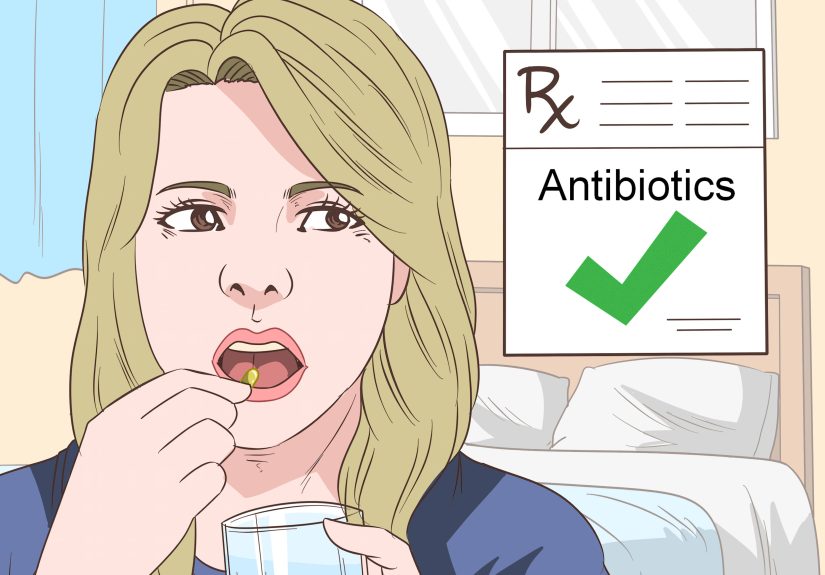
Step 10: Use antibiotics only when they’re actually needed
People often assume antibiotics are the whole solution. Sometimes they’re importantespecially if there are signs of spreading infection, fever, or higher risk health conditions. But for many skin abscesses, drainage and local care are the key steps.
If antibiotics are prescribed, take them exactly as directed and finish the course unless your prescriber tells you otherwise.
-
Step 11: Follow aftercare instructions like it’s your job
If you had I&D, your clinician will tell you how to care for the wound (cleaning, bandage changes, follow-up). This part matters as much as the procedure.
- Keep the area clean and covered as instructed
- Wash hands after touching the area or changing bandages
- Return for follow-up if you were told to (packing removal, re-check, etc.)
If symptoms worsen after treatmentmore redness, pain, swelling, feverget re-evaluated quickly.
-
Step 12: Prevent the “sequel” (because Abscess 2: The Return is not fun)
Abscesses and boils often start when bacteria enter through tiny breaks in the skin (shaving nicks, friction, sports contact, acne bumps, ingrown hairs). Prevention isn’t fancy, but it works:
- Don’t share razors, towels, washcloths, or sports gear that touches skin
- Shower after sports; keep cuts covered until healed
- Wear breathable clothing to reduce friction
- Address recurring boils with a clinicianrepeated infections can have treatable causes
Special Situations You Shouldn’t DIY
Tooth abscess
If you suspect a tooth abscess (tooth pain, gum swelling, sensitivity, bad taste, facial swelling), treat it as urgent dental care. Warm compresses on the face won’t fix the source. Dental treatment may involve drainage, a root canal, or other procedures.
Throat abscess or trouble swallowing
Any abscess that affects swallowing, voice, or breathing needs prompt medical attention. Don’t wait this out at home.
MRSA concerns (the “stubborn bacteria” you’ve heard about)
Some skin infections are caused by antibiotic-resistant bacteria (like MRSA). That doesn’t mean panicit means hygiene and wound coverage matter a lot, and you should be evaluated early if it’s worsening.
FAQ
Can an abscess go away on its own?
Some small skin boils can improve with warm compresses and time. But many abscesses don’t fully resolve without drainage. If it’s not improving quickly or keeps enlarging, get it checked.
Should I use “drawing salves” or random home remedies?
Warm compresses are the most consistently recommended home measure. Many “miracle” products have mixed evidence and can irritate skin. If you try anything topical, stop immediately if it burns, blisters, or worsens redness.
Will popping it make it heal faster?
It can feel like it willbut popping or squeezing can spread infection and delay healing. It’s the opposite of a shortcut.
What “Getting Rid of It” Actually Looks Like
Successfully dealing with an abscess usually means:
- Pain and pressure steadily decrease
- Redness stops expanding
- The lump shrinks over days (not hours)
- You don’t develop fever or new symptoms
Healing isn’t instant. Think “slow and steady,” not “overnight makeover.”
Real-Life Experiences (500+ Words): What People Commonly Go Through
When people talk about abscesses, the story usually starts the same way: “I thought it was just a pimple.” It might appear after shaving, a long workout in tight clothing, or a week of stress where sleep and hydration weren’t exactly winning awards. At first it’s just a tender bumpannoying, but ignorable. Then it becomes the main character of your day. Sitting hurts. Walking feels weird. You start doing that subtle “don’t touch it” dance while also thinking about it every five minutes. It’s a very rude lump.
A common experience is trying to bargain with it. People try to “be tough,” hoping it will disappear if they ignore it. Or they try the opposite: over-managing it with constant cleaning, squeezing, and experimenting with every internet trick known to humankind. The problem is that abscesses are not impressed by willpower or vibes. They respond to the basics: gentle warmth, cleanliness, protection, andwhen neededprofessional drainage.
Many people say the hardest part is patience. Warm compresses feel almost too simple, like you’re doing nothing. But after a day or two of consistent care, the area may start to feel less tense. That’s when people realize the goal isn’t to “win” by forceit’s to help the body calm the inflammation without spreading infection. Others notice the opposite: the lump grows, the redness expands, or the pain gets sharper. That’s often the moment the story shifts from “home care” to “I should probably get this looked at.”
For those who do see a clinician, the most common reaction afterward is surprise: “I waited way too long.” The idea of an in-office procedure can sound scary, but people frequently report feeling relief once the pressure is addressed and they have a clear care plan. They also appreciate having someone confirm what it is (and what it isn’t). That reassurance matters because abscess-like lumps can sometimes be cysts, inflamed follicles, or other issues that need different treatment.
There’s also a social side that people don’t expect. If an abscess is draining, you suddenly become very aware of hygiene: changing bandages, washing hands carefully, not sharing towels, and keeping laundry separate. Athletes often learn this lesson fast, especially in sports with close contact. Families learn it toobecause nobody wants a “pass-the-infection” household event.
Another frequent theme: guilt about trying to pop it. Lots of people do it once, realize it gets worse, then feel embarrassed. If that’s you, don’t spiral. The fix is not shameit’s switching strategies. Stop manipulating it, keep it clean and covered, and get medical advice if symptoms are worsening or if it’s not improving.
Finally, people who’ve dealt with recurring boils often become prevention pros. They learn which clothes cause friction, how shaving technique matters, why showering after workouts helps, and why “borrowed” razors are a terrible life choice. Their biggest takeaway is simple: early, calm action beats last-minute panic. The sooner you treat it safelyor get it checkedthe faster you get your life back from the world’s most inconvenient bump.
Conclusion
Getting rid of an abscess isn’t about being fearless with a needle. It’s about choosing the safest path: recognize red flags, use warm compresses for small uncomplicated boils, avoid squeezing or poking, and get professional care when it’s large, painful, persistent, or in a risky location. When in doubt, get evaluatedbecause infections are the one category of “maybe” that loves turning into “definitely.”