Table of Contents >> Show >> Hide
- First: What Kind of Centipede Are You Dealing With?
- Why Centipedes Are in Your Home (Hint: Your House Is a Great “Cave”)
- The Step-by-Step Plan to Get Rid of Centipedes (Without Losing Your Mind)
- Step 1: Do the immediate “get it out of here” move
- Step 2: Dry the house out (centipedes hate “crispy air”)
- Step 3: Remove their hiding places (clutter is their love language)
- Step 4: Eliminate their food source (the “stop feeding the wildlife” rule)
- Step 5: Seal entry points (because centipedes don’t respect boundaries)
- Step 6: Use monitoring tools so you’re not guessing
- Step 7: Targeted treatments (only if needed)
- Outdoor Fixes That Make Indoor Centipedes Disappear Faster
- How to Tell If You Have a Centipede Infestation
- When to Call a Pro (and What to Ask For)
- Quick FAQ
- Conclusion: The “No More Centipedes” Checklist
- Real-World Experiences People Commonly Have (and What Usually Works)
- 1) “They only show up in the bathroomso I kept spraying… and nothing changed.”
- 2) “Basement centipedes vanished after I stopped storing cardboard on the floor.”
- 3) “I kept killing them… until I realized they were hunting something.”
- 4) “Sticky traps made it obvious where they were coming from.”
- 5) “I wanted a ‘natural-only’ solutionand the winning combo was still boring: dry + seal + clean.”
- SEO Tags
You’re walking to the bathroom at night, flip on the light, andzipa many-legged blur rockets along the baseboard like it’s late for a meeting. Congrats: you’ve met the centipede, nature’s tiny hallway sprinter.
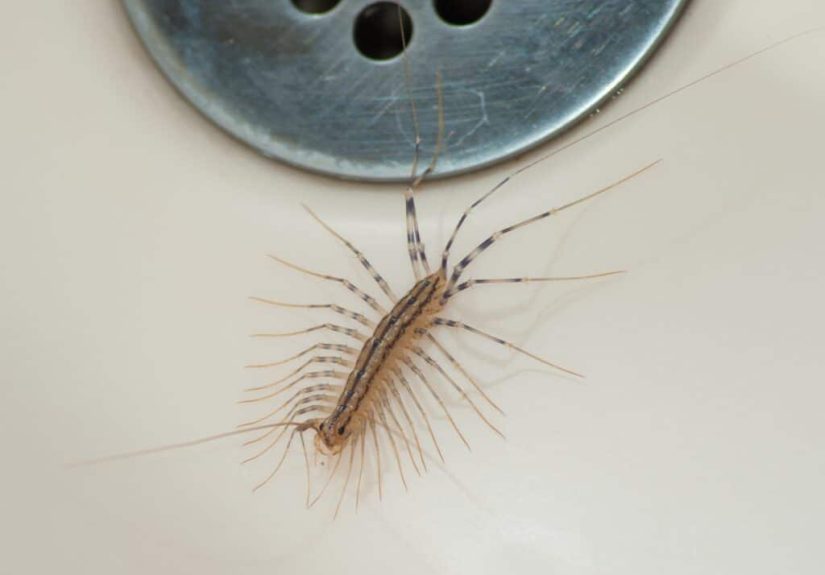
The good news: most household centipedes aren’t dangerous to people, and they’re actually predators that eat other pests. The bad news: “helpful” is not the same as “welcome,” especially when it shows up in your sink like it pays rent.
This guide walks you through how to get rid of centipedes (especially house centipedes) using practical, long-lasting steps: remove the conditions they love (moisture + hiding spots + prey), block how they get in, and use targeted treatments only when needed.
First: What Kind of Centipede Are You Dealing With?
In most U.S. homes, the “centipede problem” is really a house centipede situation. House centipedes are typically grayish with long, delicate legs and move fastlike “why do you have 30 legs but still run better than me?” fast.
House centipede vs. millipede (quick sanity check)
- Centipedes are flatter, faster, and are predators (they hunt other bugs).
- Millipedes are rounder, slower, and tend to curl up; they usually feed on decaying organic matter.
Why it matters: if you’re actually dealing with millipedes, the strategy shifts a bit. But for house centipedes, the core plan is the same: dry it out, clean it up, seal it up, and reduce their food source.
Why Centipedes Are in Your Home (Hint: Your House Is a Great “Cave”)
Centipedes generally come indoors for three reasons: moisture, shelter, and food (which usually means other insects). If you’re seeing centipedes, it can be a sign your home is also supporting the pests they hunt.
Common centipede hotspots
- Basements and crawl spaces
- Bathrooms and laundry rooms
- Under sinks, around drains, behind toilets
- Under appliances (think: fridge drip pan areas, utility rooms)
- Cluttered storage zones (cardboard boxes are basically luxury condos)
Translation: If your home has humidity, leaks, or a thriving population of small insects, centipedes aren’t “random.” They’re the late-night cleanup crewjust with terrible PR.
The Step-by-Step Plan to Get Rid of Centipedes (Without Losing Your Mind)
Step 1: Do the immediate “get it out of here” move
If you spot one right now and want it gone right now:
- Vacuum it up using a hose/crevice tool (fast, low-drama, very effective).
- Sweep and trap it with a dustpan if vacuuming feels too personal.
- Sticky traps can catch them overnight if you’re seeing them regularly.
Pro tip: If you vacuum centipedes and other bugs often, empty the vacuum canister or change the bag promptly. Otherwise, you’re essentially running a tiny insect Airbnb.
Step 2: Dry the house out (centipedes hate “crispy air”)
Moisture control is the single biggest lever for centipede prevention. Many centipedes thrive in damp environments and struggle when conditions dry out. Your goal is to turn their favorite hangouts into places they don’t want to be.
- Fix leaks: dripping pipes, sweating lines, HVAC condensate issues, leaky hose bibs.
- Run exhaust fans during showers and cooking (and let them run a bit afterward).
- Use a dehumidifier in basements/crawl spaces or any area that smells musty.
- Improve airflow: don’t store items tight against walls; lift storage off floors when possible.
Step 3: Remove their hiding places (clutter is their love language)
Centipedes prefer dark, undisturbed spaces. Reduce those spaces and you reduce centipede comfortplus you make it easier to spot the real causes (moisture and prey insects).
- Declutter basements, utility rooms, and under-sink cabinets.
- Swap cardboard for plastic bins with tight lids in damp areas.
- Clean up damp floor corners and behind stored items (where dust bunnies go to retire).
Step 4: Eliminate their food source (the “stop feeding the wildlife” rule)
House centipedes are predators. If your home has silverfish, roaches, ants, spiders, or other small insects, centipedes may stick around because the buffet is open. To reduce centipedes long-term, reduce the pests they eat.
- Vacuum regularly along baseboards, corners, and behind furniture.
- Store pantry foods in sealed containers; wipe up crumbs and spills promptly.
- Address other pest issues (especially if you’re seeing roaches, silverfish, or ants).
- Check pet food areas: food bowls and water stations can raise moisture and attract small insects.
Step 5: Seal entry points (because centipedes don’t respect boundaries)
Even if you reduce moisture and prey, you’ll get better results if you also stop new centipedes from wandering in. Focus on small cracks, gaps, and utility penetrations.
- Caulk cracks around baseboards, trim, and foundation edges.
- Weather-strip doors and windows; add door sweeps if you see daylight under doors.
- Seal around pipes and wiring where they enter the home (foam and appropriate sealants help).
- Screen vents and confirm window screens fit tightly.
Step 6: Use monitoring tools so you’re not guessing
You don’t need a full-on detective corkboard, but you do need evidence. Place sticky (glue) traps near where you’ve seen centipedes: along baseboards, behind toilets, under sinks, and near basement walls.
Traps help you answer: Where are they coming from? and Are your changes working? If traps fill up with other insects, that’s your neon sign that prey control matters.
Step 7: Targeted treatments (only if needed)
If you’ve dried things out, cleaned up, reduced prey, and sealed gapsbut you’re still seeing frequent centipedestargeted treatments can help. The key is precision, not “spray the whole house like it’s on fire.”
Low-toxicity dust options
- Diatomaceous earth (food-grade): works by damaging/dehydrating many insects. Apply a light dusting in cracks, crevices, and voids (avoid breathing the dust).
- Boric acid: another dust used in cracks/voids; follow label instructions carefully, especially around kids and pets.
Residual insecticides (read the label like it’s your job)
Many consumer indoor insecticides use pyrethroids (common active ingredients include bifenthrin, cyfluthrin, deltamethrin, permethrin, and cypermethrin). These are often applied to cracks, crevices, and baseboard edges, not sprayed into open air.
- Use only products labeled for indoor use and for your specific application area.
- Keep children and pets away during application and until the product is fully dry (per label).
- Don’t treat “wet problems” with chemicals alonemoisture issues will overpower your efforts.
If you prefer to avoid pesticides altogether, focus harder on moisture reduction, sealing, and prey control. That trio solves most centipede issues for good.
Outdoor Fixes That Make Indoor Centipedes Disappear Faster
Centipedes often live outdoors in moist, protected areas and then wander inside through gaps. A few outdoor adjustments can drastically reduce how many even reach your foundation.
- Remove leaf litter, rotting wood, and damp debris near the house.
- Store firewood away from the home and off the ground when possible.
- Watch mulch: avoid piling thick, wet mulch directly against the foundation.
- Improve drainage: make sure downspouts push water away from the home, and address pooling.
- Trim vegetation so plants aren’t pressed against siding.
Think of it as making your home less like a cool, damp cave and more like a place where centipedes say, “Nice house. Too dry. I’ll pass.”
How to Tell If You Have a Centipede Infestation
Seeing one centipede occasionallyespecially in older homes or during seasonal shiftsdoesn’t always mean an infestation. But consistent sightings can signal a bigger issue.
Signs the problem is more than “a random visitor”
- You see centipedes multiple times per week, especially in the same area.
- You find molted skins or repeated sightings in bedrooms and living spaces.
- Sticky traps catch centipedes and lots of other insects (a strong food supply).
- You have ongoing humidity, leaks, or damp odors in basements/crawl spaces.
If you check those boxes, skip the whack-a-bug routine and move straight to moisture + prey + sealing. That’s the long-term fix.
When to Call a Pro (and What to Ask For)
If you’ve done the basics and are still seeing persistent activity, a pest professional can help identify hidden moisture sources, entry points, or prey infestations you may not notice (like insects in wall voids).
What to ask for
- An inspection-focused visit (not just “spray and leave”).
- Recommendations for moisture correction and exclusion (sealing gaps).
- A plan that follows integrated pest management principles: prevention first, targeted treatment second.
Quick FAQ
Are centipedes dangerous?
House centipedes are generally not considered dangerous to humans. Bites are uncommon, and most issues are more “startling” than “serious.” If you’re allergic to insect stings/bites or you experience unusual symptoms, contact a healthcare professional.
Do centipedes come up through drains?
People often assume so because they’re spotted near tubs and sinks. More commonly, centipedes are attracted to moisture and prey near bathrooms and kitchens, and they hide in nearby cracks and voids.
Do natural sprays work?
Some homeowners use vinegar-based sprays or essential oil blends as deterrents. These may help as short-term repellents, but they rarely solve the root cause. For lasting results, focus on drying, sealing, and reducing other insects. If you clean drains, use either vinegar-based cleaning or bleach-based cleaningnever mix them.
Conclusion: The “No More Centipedes” Checklist
To get rid of centipedes and keep them from coming back, think less “battle” and more “home makeover.” You’re not just removing a bugyou’re removing the conditions that make your home attractive to them.
- Dry it out: fix leaks, ventilate, dehumidify.
- Clean it up: reduce clutter, vacuum edges, store items off floors.
- Starve them out: reduce other household pests.
- Seal it up: caulk cracks, weather-strip, block gaps around pipes.
- Monitor: sticky traps show where activity really is.
- Treat precisely (if needed): dusts/targeted crack-and-crevice products, label-first.
Do those steps in that order, and centipedes typically go from “nightly jump scare” to “was that even a thing?”
Real-World Experiences People Commonly Have (and What Usually Works)
Since centipedes love to show up when you’re least emotionally prepared (often barefoot, often at night), a lot of centipede “success stories” follow the same arc: panic, overreaction, then finally the boring fix that actually works. Here are common experiences homeowners describeand the practical lessons behind them.
1) “They only show up in the bathroomso I kept spraying… and nothing changed.”
This is a classic. People see centipedes near tubs, toilets, and sinks and assume the drain is the portal. They’ll spray the bathroom like they’re trying to fumigate a pirate shipthen get frustrated when another centipede shows up two nights later. What typically makes the difference isn’t more spray; it’s humidity control.
The turning point is usually small: running the exhaust fan longer, fixing a slow leak under the vanity, re-caulking a gap where plumbing enters the wall, and keeping towels off the floor so the room dries faster. Once the bathroom is less damp and fewer tiny insects hang around the edges, sightings often drop sharply.
2) “Basement centipedes vanished after I stopped storing cardboard on the floor.”
Basements are centipede heaven: dim, cool, a little humid, and packed with hiding spots. Many people notice that centipedes cluster around stacked boxes, old rugs, and forgotten storage corners. The surprisingly effective move is switching to plastic bins, lifting storage onto shelves or pallets, and vacuuming along baseboards.
Add a dehumidifier and suddenly the basement goes from “damp cave” to “unfinished room.” In many stories, that’s the moment centipedes start showing up far lessbecause the entire environment becomes less livable for them.
3) “I kept killing them… until I realized they were hunting something.”
Another common experience: centipedes appear regularly, but only after a homeowner starts noticing other pestssilverfish in books, tiny spiders in corners, or ants near a pantry. After a while, people connect the dots: centipedes aren’t the original problem; they’re the symptom of a snack supply.
When homeowners focus on the underlying pest issueimproving food storage, reducing crumbs, sealing pantry gaps, using traps for the prey insects, or addressing a roach problemcentipedes often fade out on their own. The centipede “infestation” was really an “ecosystem.”
4) “Sticky traps made it obvious where they were coming from.”
Many people feel like centipedes teleport. Sticky traps are the reality check. Set traps along baseboards in the problem area and you’ll usually find a pattern: a basement wall corner, a laundry room baseboard, the space behind a water heater, or a gap near a door threshold.
Once you know the path, the fix gets specific: caulk a crack, add a door sweep, seal pipe gaps, adjust outdoor drainage, and keep that corner dry and clean. Homeowners often report that after a week or two of monitoring plus exclusion, trap counts drop and sightings become rare.
5) “I wanted a ‘natural-only’ solutionand the winning combo was still boring: dry + seal + clean.”
Plenty of people prefer to avoid pesticides, especially in homes with kids or pets. They’ll try strong-smelling deterrents first (peppermint, vinegar blends, etc.). Sometimes that helps a littlebut it’s usually temporary. The consistent “natural” wins come from changing conditions: reducing humidity, repairing leaks, decluttering damp storage, and sealing entry points.
Some households add food-grade diatomaceous earth in cracks and crevices as an extra tool, but they treat it like a supplementnot the whole plan. And that’s the theme of most successful centipede stories: centipedes don’t “lose” because you found the perfect spray. They leave because your home stops meeting their needs.