Table of Contents >> Show >> Hide
- What Is Celosia (and Why Gardeners Keep Planting It)?
- Choose Your Celosia “Personality”: Plume, Cockscomb, or Wheat
- Where Celosia Thrives: Sun, Heat, and Drainage
- How to Start Celosia From Seed (Without Losing Your Mind)
- Planting and Spacing: Give Them Room to Breathe
- Watering Celosia: The “Goldilocks” Method
- Fertilizing Celosia: Feed Lightly for More Flowers
- Pinching and Deadheading: The Secret to a Fuller Plant
- Common Celosia Problems (and Fixes That Actually Work)
- How to Use Celosia as a Cut Flower (and Dry It for Forever-Bouquets)
- Saving Celosia Seeds (Because Free Plants Are the Best Plants)
- Design Ideas: Making Celosia Look Like You Hired a Pro
- Extra: of Real-World Celosia Experiences (What Gardeners Learn Fast)
- Conclusion: Grow Celosia Once, and You’ll Want It Every Summer
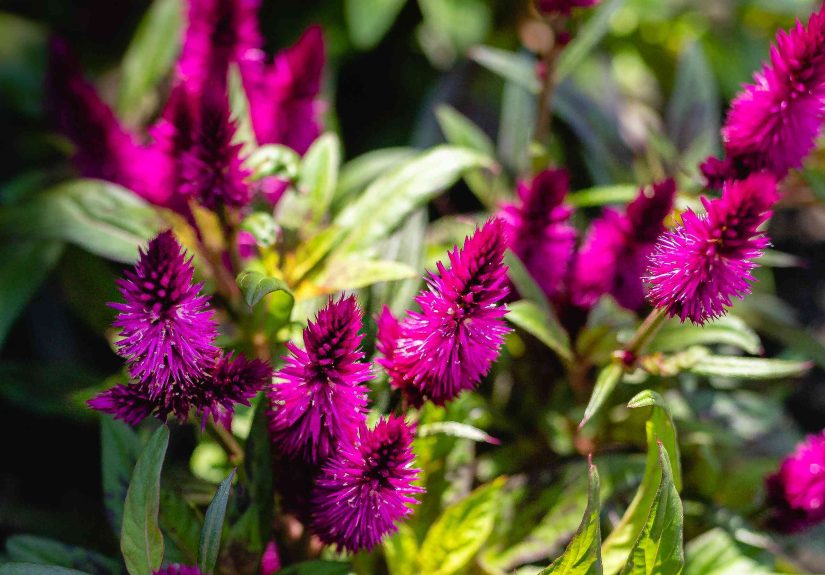
Celosia is the plant equivalent of showing up to a backyard party in a sequined jacket: loud, confident, and somehow still appropriate.
With flowers that look like velvet flames, coral reefs, or a rooster’s fancy hairdo, celosia brings big summer color without demanding
a full-time gardener on payroll.
In this guide, you’ll learn exactly how to grow and care for celosiawhether you’re planting a border, filling containers, or growing it
as a cut flower. We’ll cover the right sun, soil, watering, feeding, pinching, pest fixes, and even how to dry blooms so your bouquets
can outlive your summer playlist.
What Is Celosia (and Why Gardeners Keep Planting It)?
Celosia (often called cockscomb or woolflower) is a warm-season annual famous for its intense color and unusual flower shapes.
Most gardeners grow it as an annual, but in frost-free climates it can behave like a tender perennial. Either way, it loves heat, bright sun,
and well-drained soiland it rewards you with flowers that look like they were designed by a neon sign artist.
Quick Celosia Care Cheat Sheet
- Sun: Full sun (the more, the better).
- Soil: Well-drained, average to moderately rich.
- Water: Regular at first; let the top soil dry slightly between waterings.
- Fertilizer: Light to moderatetoo much nitrogen can mean leafy plants with fewer blooms.
- Best season: Summer through fall, until frost.
Choose Your Celosia “Personality”: Plume, Cockscomb, or Wheat
Celosia comes in three popular forms. Picking the right type is like choosing a haircut: they’re all great, but the vibe matters.
Plume Celosia (Feather-Like Flames)
Plume types produce upright, fluffy flower spikes that look like soft flames. They’re excellent for mass plantings, mixed borders,
and cut flower gardens. If you want “maximum color from a distance,” start here.
Cockscomb Celosia (Velvety Brain-Coral Blooms)
Cockscomb varieties form crested, fan-shaped blooms with a plush texture. They’re showstoppers in containers and make dramatic focal
points in beds. Bonus: they look unreal in arrangementsfresh or dried.
Wheat Celosia (Textured Spikes for a Softer Look)
Wheat types grow slender, upright spikes that add movement and texture. They’re a favorite for bouquets because they mix easily with other
flowers without stealing the whole show (even though they absolutely could).
Where Celosia Thrives: Sun, Heat, and Drainage
Sunlight: Full Sun Is Non-Negotiable
For sturdy stems and bold blooms, give celosia full sunthink at least 6 hours daily. In too much shade, plants can stretch, flop,
and bloom less. If your garden has one “hot spot” where other plants complain, celosia will move in and pay rent on time.
Temperature: Plant After Frost (and After the Soil Warms)
Celosia is a true warm-season annual. Wait until after your last frost, and ideally until nighttime temperatures are reliably mild.
If you plant too early into cold, wet conditions, seedlings can stall, stay small, or struggle with rot. In short: celosia doesn’t do “spring chills.”
Soil: Drainage First, Richness Second
Celosia grows best in well-drained soil. It can handle average garden soil as long as water doesn’t sit around the roots.
If you have heavy clay, improve drainage with compost and consider a raised bed. For containers, use a quality potting mix and a pot with
drainage holes (yes, holescelosia is not into indoor swimming pools).
How to Start Celosia From Seed (Without Losing Your Mind)
You can grow celosia from nursery starts, but seed is affordable and opens up more varietiesespecially for cut flower types.
Start indoors for earlier blooms, or direct sow once the garden is warm.
Starting Indoors (Best for a Head Start)
- Timing: Sow seeds about 4–6 weeks before your last expected frost date.
- Planting: Celosia seeds are tiny. Sprinkle on the surface and cover very lightly (or just press them into the mix).
- Warmth: Keep trays warm for faster germination. A seed-starting heat mat helps if your home runs cool.
- Light: Provide bright light immediately after sproutinggrow lights are ideal for sturdy seedlings.
- Watering: Keep the mix lightly moist, not soggy. Good airflow helps prevent damping-off.
- Hardening off: Before transplanting outside, acclimate seedlings to sun and wind for about a week.
Pro tip: If you’ve ever over-loved a seed tray with water, celosia will teach you restraint. Let the surface dry slightly between
wateringshealthy seedlings prefer “pleasantly dry-ish,” not “boggy drama.”
Direct Sowing Outdoors (Simple, Often Bigger Blooms)
Direct sow after frost once the soil is warm. Scatter seeds, press them into the surface, and keep the area evenly moist until germination.
Thin seedlings so plants have room to branch and dry out after rain. Many gardeners report that direct-sown celosia can develop larger flower heads,
especially in consistently warm climates.
Planting and Spacing: Give Them Room to Breathe
Spacing depends on variety. Compact bedding types can be planted closer, while taller cut flower varieties need more room for airflow and strong stems.
As a general rule, space celosia about 6–12 inches apart for smaller varieties and 12–18 inches for larger types.
Planting in Beds
- Plant on the same depth they were growing in their pot.
- Water in well, then let the top inch or two of soil dry before watering again.
- Mulch lightly to reduce weeds and keep soil moisture steadierjust don’t pile mulch against stems.
Planting in Containers
Celosia is fantastic in pots because it’s upright, colorful, and doesn’t mind heat reflecting off patios. Use a container with drainage,
fill with potting mix, and place in full sun. For a classic look:
- 12-inch pot: 1–2 plants (compact types), or 1 plant (taller types).
- 14–16-inch pot: 3 compact plants spaced evenly for a full, “bouquet” effect.
Watering Celosia: The “Goldilocks” Method
Celosia likes consistent moisture while establishing, but it generally tolerates a little dryness better than soggy soil.
Aim for soil that’s evenly moistnot soaked. A reliable approach:
- Water deeply, then wait until the top 1–2 inches of soil feel dry before watering again.
- Water at the base of the plant to keep foliage drier (helpful for preventing fungal issues).
- In containers, check more oftenpots dry out faster, especially in heat and wind.
Common mistake: Daily “spritzing.” It feels nurturing, but it often leads to shallow roots and higher disease risk.
One good soak beats seven tiny sips.
Fertilizing Celosia: Feed Lightly for More Flowers
Celosia isn’t a heavy feeder. If your soil is moderately fertile, you can often get by with minimal fertilizer. If growth looks pale or slow,
use a balanced fertilizer at planting time and then feed lightly during the season.
- Choose a fertilizer that doesn’t overdo nitrogen (too much nitrogen = lots of leaves, fewer blooms).
- For steady blooming, many gardeners use a monthly feeding schedule at a mild rate.
- In containers, a diluted liquid feed every few weeks can help because nutrients leach out faster.
Pinching and Deadheading: The Secret to a Fuller Plant
Pinch Early for Branching (Especially Plume Types)
Pinching means removing the top growing tip when the plant is young. This encourages branching, which often means more flowers.
When seedlings are about 6–8 inches tall, snip the top inch or so right above a set of leaves. The plant responds by producing side shoots.
Deadheading: Optional, But Helpful
Celosia can keep flowering without constant deadheading, but removing spent blooms can improve appearance and encourage fresh growth.
If you’re using celosia as a cut flower, harvesting stems regularly acts like deadheadingand you get bouquets as a reward.
Common Celosia Problems (and Fixes That Actually Work)
Leggy Plants
- Cause: Not enough sun, or plants crowded too tightly.
- Fix: Move containers to sunnier spots, thin crowded seedlings, and pinch young plants for branching.
Yellowing Leaves or Sudden Decline
- Cause: Overwatering or poor drainage is a top suspect.
- Fix: Let soil dry slightly between waterings; improve drainage with compost or raised beds; ensure containers drain freely.
Pests: Aphids, Spider Mites, Whiteflies
In hot, dry weather, spider mites can show up; in lush, crowded growth, aphids may appear. Start with the least dramatic solution first:
- Blast pests off with a strong stream of water.
- Use insecticidal soap if populations persist (follow label directions).
- Encourage beneficial insects by avoiding broad-spectrum pesticides.
Diseases: Damping-Off, Leaf Spots, Stem Rot
Most disease issues trace back to cold, wet conditions or poor airflow. Keep plants warm, avoid waterlogged soil,
space for airflow, and water at the base. If a plant collapses from rot, remove it promptly so problems don’t spread.
How to Use Celosia as a Cut Flower (and Dry It for Forever-Bouquets)
Celosia is a cut-flower superstar: strong color, great texture, long vase life, and it dries beautifully.
For fresh arrangements, harvest early in the morning when plants are hydrated.
Harvesting for Fresh Bouquets
- Cut stems when blooms are fully colored and feel firm.
- Strip leaves that would sit below the water line in a vase.
- Change vase water regularly for longer life.
Drying Celosia (Simple and Satisfying)
- Cut stems when blooms are mature and dry to the touch.
- Bundle small groups with a rubber band.
- Hang upside down in a warm, dry, dark area with good airflow.
- After a couple of weeks, blooms should feel papery and ready for arrangements.
Saving Celosia Seeds (Because Free Plants Are the Best Plants)
Celosia produces lots of seeds. If you want to save them, allow a few flower heads to mature and dry on the plant.
When the head is dry, gently crumble it over a paper platetiny dark seeds will fall out.
- Store seeds in a labeled paper envelope (variety name + year is helpful).
- Keep in a cool, dry place until spring.
- Note: Seeds from hybrids may not grow true to the parent plant, but they’re still fun surprises.
Design Ideas: Making Celosia Look Like You Hired a Pro
Celosia plays well with other sun-loving annuals. Use it to add vertical “thriller” structure in pots or a bold ribbon of color in beds.
A few easy combos:
- Bright + bold: Celosia with zinnias and marigolds for nonstop summer color.
- Modern contrast: Pair red celosia with silvery foliage plants and deep purple leaves for a high-design look.
- Pollinator-friendly mix: Combine celosia with salvias and cosmos to keep bees and butterflies visiting.
Extra: of Real-World Celosia Experiences (What Gardeners Learn Fast)
If you ask gardeners what celosia teaches them, the answer is usually: “Heat is your friend, and patience is mandatory.”
Celosia is one of those plants that looks a little unimpressed in early summer, then suddenly turns into a full-on color parade once the weather
gets properly warm. People often panic too soonespecially if they’re used to cool-season flowers that bloom politely in spring.
Celosia waits for the real party: July, August, and that stretch of September where everything else starts looking tired.
One of the most common experiences is learning the difference between “watering” and “overwatering.” Gardeners will say celosia is easy
and it isbut it has one big boundary: it hates wet feet. In beds with heavy clay, you might see gorgeous plants in the nursery turn sulky after
a week of rain. The fix many gardeners land on is simple: raise the planting area with compost, give the plants more spacing, and stop treating the
soil like it’s supposed to feel like a wrung-out sponge 24/7. Celosia does better when the surface dries a bit between waterings.
Container growers learn a different lesson: pots can dry fast, but they can also stay too wet if the container has poor drainage or a saucer that
never empties. A classic “aha” moment is drilling extra holes or swapping to a lighter potting mixand suddenly the plant goes from limp to lively.
Another common win is using celosia as the upright centerpiece (“thriller”) in a pot, then surrounding it with trailing plants. It creates a
ready-made bouquet look on the patio and makes the whole container feel intentional.
Cut-flower gardeners tend to fall in love with celosia because harvesting actually improves the plant’s performance. The more stems you cut,
the more branching you encourageespecially if you pinched early. Many people who grow just a few plants for bouquets end up planting more the next year
because celosia is both generous and dramatic: it fills vases, dries well, and keeps its color like it’s showing off.
Finally, celosia teaches gardeners to embrace “imperfect” blooms. A cockscomb that twists oddly or a plume that forks into two spikes isn’t a flaw;
it’s personality. And in a garden, personality is the whole point.
Conclusion: Grow Celosia Once, and You’ll Want It Every Summer
If you want heat-tolerant, high-impact color that doesn’t require complicated care, celosia is a smart pick. Give it full sun, warm soil,
and good drainage. Water thoughtfully (not constantly), feed lightly, pinch early for fuller plants, and harvest blooms if you love bouquets.
Do that, and celosia will deliver bold flowers from summer into falllike a tiny fireworks show that doesn’t need batteries.