Table of Contents >> Show >> Hide
- What Is an Osiria Rose?
- Why Gardeners Love It
- Best Growing Conditions for Osiria Rose
- How to Plant an Osiria Rose
- How Often to Water Osiria Rose
- Feeding and Fertilizing for Better Blooms
- Pruning and Deadheading Osiria Rose
- Common Problems With Osiria Rose
- Winter Care for Osiria Rose
- Can You Grow Osiria Rose in a Container?
- Is Osiria Rose Worth Growing?
- Experience: What It’s Really Like to Grow an Osiria Rose
- Conclusion
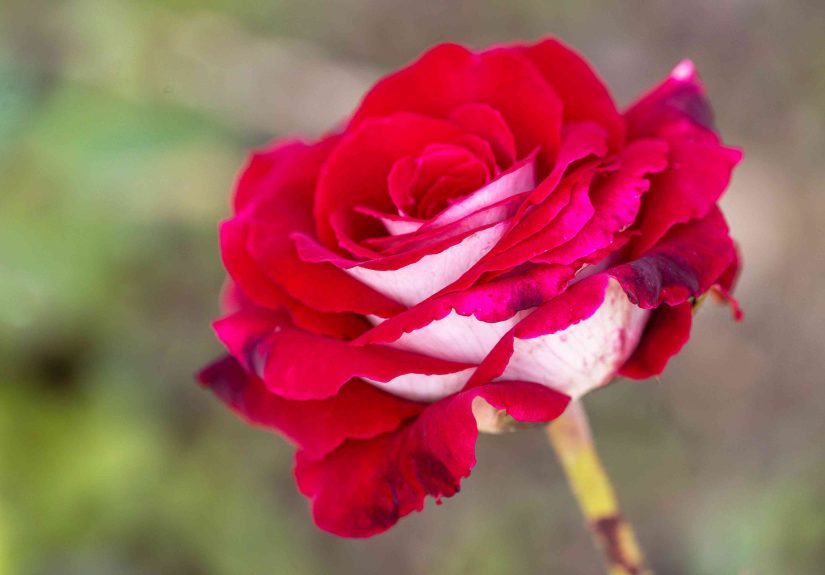
If roses had a red-carpet category, the Osiria rose would arrive overdressed, perfectly lit, and absolutely aware of it. This dramatic hybrid tea rose is famous for its velvety deep red petals and pale, silvery-white reverse. It looks like something a florist dreamed up after three espressos and a very successful Valentine’s Day. But while the blooms are gorgeous, Osiria is not what you’d call low-maintenance. This rose is more “luxury sports car” than “reliable pickup truck.”
That said, if you love unusual flowers and don’t mind giving a plant a little extra attention, growing Osiria rose can be deeply rewarding. The secret is to treat it like a finicky hybrid tea rose from day one: give it plenty of sun, fast-draining soil, steady moisture, regular feeding, smart pruning, and enough airflow to keep disease pressure down. In return, you get stunning blooms with serious wow factor and a fragrance that feels wonderfully old-school.
This guide walks you through how to grow and care for Osiria rose the right way, from choosing a planting site to dealing with pests, pruning for repeat blooms, and helping it survive winter without throwing a botanical tantrum.
What Is an Osiria Rose?
Osiria is a hybrid tea rose best known for its dramatic two-tone flowers. The inner petals are usually a rich cherry to velvety red, while the reverse side is creamy white to silvery white. The blooms are large, elegant, and often strongly fragrant, which explains why gardeners keep falling for them even when the plant itself can be a bit demanding.
One important reality check: the viral internet photos are often edited. A real Osiria rose is still beautiful, but it usually looks a little softer and more natural than the hyper-saturated images floating around online. That doesn’t make it less special. It just means your garden is growing a real flower, not a movie poster.
Osiria is also considered somewhat hard to find in the United States, and genuine plants are a much better bet than seeds sold online. Because this is a hybrid rose, seeds will not grow true to the parent plant. In plain English: if you buy “Osiria seeds,” you’re basically entering the floral lottery.
Why Gardeners Love It
People don’t grow Osiria because it’s easy. They grow it because the flower is unforgettable. A healthy bloom looks almost hand-painted, and the contrast between the dark upper petal surface and the pale reverse gives it a theatrical, high-drama look in the garden and in a vase.
Osiria also appeals to gardeners who enjoy growing unusual hybrid tea roses rather than only the toughest landscape varieties. If you like the process of pampering a plant into greatness, this rose can be a satisfying project.
Best Growing Conditions for Osiria Rose
1. Choose a sunny site
The best location for an Osiria rose gets at least six hours of direct sun a day, and more is usually better. Morning sun is especially helpful because it dries dew quickly and lowers the odds of fungal problems. If you garden in a very hot climate, light afternoon protection can help preserve bloom quality, but this rose still needs a bright, open setting.
2. Prioritize drainage like your rose’s reputation depends on it
It does. Roses hate soggy soil, and Osiria is not the variety to forgive you for “close enough.” Plant it in loose, well-drained soil rich in organic matter. A soil pH around slightly acidic to neutral works well; think roughly 6.0 to 6.8. If your yard has heavy clay, improve drainage broadly with compost rather than creating a tiny amended pocket that turns into a bathtub after rain.
3. Give it breathing room
Good airflow matters. Crowded beds, dense hedges, and tight corners invite disease and pest trouble. Leave enough space around the plant so air can move freely through the foliage. This is especially important for a hybrid tea like Osiria, which can be more vulnerable than tougher shrub roses.
4. Pick the warmest, most protected microclimate you have
Osiria generally performs best in warm conditions, especially in USDA Zone 7 and up. In colder areas, place it in a sheltered location near a wall or structure that offers a little extra warmth. Some gardeners grow it in a large container so it can be moved to a protected, unheated space in winter.
How to Plant an Osiria Rose
Plant in spring or early fall when temperatures are moderate and the plant can settle in without battling extreme heat or hard freezes. Whether you buy a grafted plant or an own-root rose, the planting basics stay the same: a wide hole, improved soil, deep watering, and patience.
Step-by-step planting
- Dig a hole wide enough to spread the roots comfortably.
- Mix compost or other organic matter into the surrounding native soil.
- Create a small mound in the center of the hole for bare-root plants and drape the roots over it.
- Set the plant at the correct depth. In warmer regions, the bud union can sit at soil level. In colder regions, place it 2 to 4 inches below the soil line for protection.
- Backfill with soil, water thoroughly, and let the soil settle naturally.
- Add mulch, keeping it a little away from the crown and canes.
After planting, water deeply and consistently while the rose establishes. Don’t judge it too quickly. Osiria is known for being slow to settle in, and this is not the plant to rush with motivational speeches.
How Often to Water Osiria Rose
Osiria likes consistent moisture but not swampy roots. A good starting point is about 1 to 2 inches of water per week, adjusted for rainfall, heat, soil type, and plant size. Sandy soil dries faster and may need more frequent irrigation. Clay soil needs closer monitoring so roots don’t stay wet too long.
The best approach is deep watering at the base of the plant. Let the top few inches of soil begin to dry between waterings, then soak the root zone thoroughly. Avoid overhead watering whenever possible. Wet leaves plus warm weather equals the kind of fungal drama no gardener asked for.
Feeding and Fertilizing for Better Blooms
If you want florist-style flowers, your Osiria rose needs regular nutrition. Hybrid tea roses are heavy feeders compared with many landscape shrubs. A balanced rose fertilizer or all-purpose garden fertilizer can work well.
For established plants, a simple schedule is to fertilize:
- in early spring right after pruning,
- again during or just after the first main flush of bloom,
- and once more in mid to late July.
Stop fertilizing after late July in colder climates so the plant can harden off before winter. Late-season feeding may push soft new growth that gets damaged by frost. Newly planted roses should be allowed to establish before heavy feeding, so don’t dump fertilizer on a fresh plant and expect gratitude.
Pruning and Deadheading Osiria Rose
Spring pruning
Prune Osiria like a hybrid tea rose. In spring, remove dead, damaged, weak, or crossing canes and shape the plant into an open vase. That open-center structure improves airflow and light penetration, which helps with both flowering and disease management. A moderate spring prune to about 12 to 18 inches is a common starting point for hybrid tea roses, though always cut back to healthy wood rather than following a ruler like it’s a tax audit.
Deadheading for repeat blooms
Deadheading helps encourage rebloom. On established plants, cut spent flowers back to a strong five-leaflet leaf with an outward-facing bud, making the cut about a quarter inch above the bud. On first-year plants, go a little easier and remove the faded flower above the uppermost three-leaflet leaf so you don’t strip too much foliage.
During summer, light corrective pruning can also help if the plant gets leggy or tired-looking. Remove spent blooms, weak interior growth, and anything diseased or broken.
Common Problems With Osiria Rose
Here’s the truth gardeners deserve: Osiria is prized for beauty, not toughness. It can be more disease-prone and less generous with blooms than easier roses. That doesn’t mean you can’t grow it well. It just means prevention matters more.
Black spot
Black spot is one of the most common rose diseases, especially in humid or wet conditions. Keep leaves as dry as possible, remove infected foliage promptly, and clean up fallen debris. Good sanitation is not glamorous, but neither is a half-naked rose bush in July.
Powdery mildew and botrytis
Poor airflow, damp weather, and crowded planting can invite powdery mildew or botrytis. Space plants properly, avoid overhead watering, and remove spent or damaged blooms before they turn into fungal real estate.
Aphids, spider mites, thrips, and beetles
Common rose pests include aphids, spider mites, thrips, and beetles such as Japanese beetles in some regions. Inspect your plant regularly, especially new growth and buds. A strong blast of water can knock off aphids and help suppress mites. If you need a treatment, start with the least toxic option that matches the pest and follow label directions carefully.
Weak flowering
If your Osiria rose is stingy with flowers, check the basics first: enough sun, not too much shade, no soggy soil, balanced fertilization, correct pruning, and steady moisture. Sometimes the problem is not a disease at all but simple stress from poor growing conditions.
Winter Care for Osiria Rose
Because Osiria is a hybrid tea rose, winter protection matters. In colder climates, continue watering during dry periods until the ground freezes, then mulch heavily to protect the root zone and graft union. Remove diseased leaves from both the plant and the soil surface before winter sets in, and do not compost infected debris.
In areas with tougher winters, mound mulch or soil over the graft area after the plant has gone dormant. If your Osiria is in a container, move it into a protected unheated garage, shed, or similar space where it stays cold but not brutally exposed.
Can You Grow Osiria Rose in a Container?
Yes, and in some climates it’s a smart move. Use a large container with excellent drainage and a high-quality potting mix amended for roses. Container-grown Osiria roses dry out faster than in-ground plants, so watering becomes more frequent, especially in summer. The upside is control: you can manage soil quality, improve drainage, and move the plant for winter protection or to find a better microclimate.
Is Osiria Rose Worth Growing?
If you want the easiest rose on the block, no. If you want a rare, striking, conversation-starting bloom and you don’t mind giving it a little extra care, absolutely. Osiria is the kind of rose people remember. It may not bloom nonstop like some modern landscape roses, and it may ask for better conditions than average, but when it opens properly, it earns its space.
Think of it this way: some plants are dependable background singers. Osiria is a dramatic lead vocalist in a velvet cape. High maintenance? A little. Memorable? Completely.
Experience: What It’s Really Like to Grow an Osiria Rose
Growing Osiria rose is usually less like planting a shrub and more like joining a long-term relationship with a very glamorous perfectionist. Gardeners are often drawn in by the flower first. The color contrast is dramatic, the bloom shape is elegant, and the fragrance can feel wonderfully romantic. The first reaction is usually something along the lines of, “I need this in my life immediately.” The second reaction, a few weeks later, is often, “Oh, this plant has opinions.”
One of the most common experiences people report is surprise at how slowly the plant establishes. You plant it expecting instant fireworks, and instead it spends a while deciding whether your garden deserves it. Early growth may seem modest. Blooms may be sparse at first. Stems can be less sturdy than you hoped. Then one good flower opens, and suddenly you forgive everything. It’s the rose equivalent of an actor who shows up late to rehearsal and still steals the show.
Another very real part of the Osiria experience is learning to pay attention. This is not a plant you ignore for three weeks while you deal with life, weather, and that one lawn chair that keeps blowing into the tomatoes. Osiria teaches observation. You begin noticing how quickly the soil dries, whether the leaves stay wet too long in the morning, how air moves through the bed, and whether the newest buds are attracting aphids. In an odd way, it can make you a better gardener because it rewards careful habits.
There is also the emotional roller coaster of bloom season. A healthy Osiria bloom can feel almost unreal when it opens well. People stop. Neighbors ask questions. You cut one stem for a vase and spend the rest of the day walking past it like you’re curating an art museum. But there can also be disappointment. A rainy spell may spoil petals. A hot week may shorten bloom life. A fungus may nibble away at the plant’s confidence and yours. Growing Osiria means learning not to judge the entire season by one imperfect flush.
What many gardeners end up loving most is the sense of satisfaction. Osiria is not the kind of rose that succeeds by accident. When it does well, it usually means you got the site, soil, watering, pruning, and timing more or less right. That feels good. It feels earned. And in a garden full of easy wins, there is something oddly charming about a flower that makes you work a little harder for the applause.
So the real experience of growing Osiria rose is this: some patience, some problem-solving, a few muttered complaints, several dramatic blooms, and at least one moment when you look at a flower and think, “Okay, you diva, you were worth it.”
Conclusion
If you’ve been wondering how to grow and care for Osiria rose, the formula is simple even if the plant is not: full sun, fast-draining soil, steady water, regular feeding, careful pruning, strong sanitation, and winter protection where needed. Treat it like the high-style hybrid tea rose it is, and you give yourself the best chance of enjoying those unforgettable red-and-white blooms.
Osiria is not the easiest rose to grow, but it can be one of the most rewarding for gardeners who love unusual flowers and don’t mind a little extra work. If you’re up for the challenge, this rose can turn an ordinary garden bed into a place people stop, stare, and ask, “Wait, is that real?”