Table of Contents >> Show >> Hide
- Before You Start: Adjust Your Expectations
- The 13 Steps to Help Cats Become Friends
- Step 1: Pick the Right Match if You Can
- Step 2: Create a Separate Safe Room for the New Cat
- Step 3: Give Both Cats Their Own Stuff
- Step 4: Keep Them Apart at First
- Step 5: Start with Scent Swapping
- Step 6: Let Them Explore Each Other’s Spaces
- Step 7: Feed Near the Door
- Step 8: Add Door Play and Treat Sessions
- Step 9: Introduce a Visual Barrier
- Step 10: Keep Early Meetings Short and Supervised
- Step 11: Use Play to Build Good Feelings
- Step 12: Watch Body Language Like a Hawk in Pajamas
- Step 13: Increase Freedom Gradually
- Common Mistakes That Make Cat Introductions Harder
- Signs Your Cats Are Actually Making Progress
- Real-Life Experiences: What This Process Usually Feels Like
- Conclusion
Bringing a new cat home can feel a little like casting two tiny, furry CEOs in the same office and expecting instant teamwork. One cat says, “I was here first.” The other says, “Lovely place. I live here now.” And suddenly you are the HR department, conflict mediator, snack distributor, and emotional support human.
The good news is that most cats can learn to live together peacefully, and some become true buddies. The less-fun news is that friendship usually does not happen on Day One. Cats are territorial, sensitive to change, and very serious about personal space. That means a slow cat introduction is not just helpful, it is often the whole game.
If you want to help cats become friends, think less “surprise roommate reveal” and more “carefully managed diplomatic summit.” With patience, smart setup, and a little bribery in the form of treats and play, you can stack the odds in favor of a peaceful multi-cat home.
Before You Start: Adjust Your Expectations
Not every successful cat relationship looks like cuddling in a sunbeam. Sometimes the win is two cats sharing a home without stalking, blocking hallways, or turning the living room into WrestleMania. Peaceful coexistence counts. In fact, it is often the first major milestone.
Also, timing matters. Some cats warm up in days. Others need weeks or even months. Go at the pace of the most stressed cat, not the pace of the human who already bought matching cat beds.
The 13 Steps to Help Cats Become Friends
Step 1: Pick the Right Match if You Can
Friendships get easier when personalities make sense together. A mellow senior cat may not appreciate a fearless kitten who treats every tail like a party favor. If possible, consider age, energy level, sociability, and past experience with other cats. You do not need clones, but you do want a pairing that feels realistic. A cat who enjoys other felines often adjusts faster than one who has spent years as a solo ruler.
Step 2: Create a Separate Safe Room for the New Cat
Your new cat needs a private launchpad. Set up a quiet room with food, water, a litter box, toys, bedding, scratching surfaces, hiding spots, and a perch if possible. This room helps the newcomer decompress and prevents your resident cat from feeling like a stranger just parachuted into the kitchen. It also gives you a way to manage the introduction in stages instead of hoping good vibes alone will carry the day.
Step 3: Give Both Cats Their Own Stuff
One of the fastest ways to create cat tension is resource competition. Each cat should have separate food and water stations, resting spots, scratchers, and litter boxes. A smart rule is one litter box per cat, plus one extra. Spread resources out so one cat cannot guard them all like a fluffy toll booth operator. When cats feel they do not have to compete, they are more likely to relax around each other.
Step 4: Keep Them Apart at First
Do not begin with a dramatic face-to-face meeting. That may work in movies, but cats prefer a slower plot. Let the new cat settle into the safe room while the resident cat continues normal life. This period allows both animals to get used to the new sounds and smells without direct pressure. Keep routines steady, give the resident cat reassurance and attention, and avoid making them feel replaced by the new whiskered intern.
Step 5: Start with Scent Swapping
Cats live by their noses. Before they feel comfortable seeing each other, they often need to feel comfortable smelling each other. Swap bedding, blankets, or soft toys between the cats. You can also gently rub a cloth around one cat’s cheek area and place it near the other cat’s space. The goal is simple: make each scent part of the environment before the cats ever have to negotiate eye contact.
Step 6: Let Them Explore Each Other’s Spaces
Once both cats seem calm with the scent-swapping phase, do a room swap. Put the resident cat in another room and let the new cat briefly explore the common area. Later, let the resident cat sniff around the new cat’s room while the newcomer is elsewhere. This helps each cat investigate the other’s scent without the social pressure of direct interaction. It is cat detective work, and honestly, they take it very seriously.
Step 7: Feed Near the Door
Food is one of the best tools for building positive associations. Feed both cats on opposite sides of the closed door to the safe room. Start with bowls far enough away that both cats remain relaxed, then gradually move them closer over several meals. The message you want to send is, “When I smell this other cat, good things happen.” If either cat stops eating, becomes agitated, or refuses to approach, increase the distance and slow down.
Step 8: Add Door Play and Treat Sessions
Before the cats see each other, help them enjoy each other’s presence indirectly. Use wand toys or toss treats on each side of the closed door. Some people use paired toys near the doorway so both cats can play at the same time. Keep these sessions short, upbeat, and low-pressure. End while things are still going well. In cat diplomacy, short successful meetings beat one long awkward summit every single time.
Step 9: Introduce a Visual Barrier
When both cats seem calm with scent and door routines, let them see each other through a barrier such as a tall baby gate, screen door, cracked door, or carrier setup that keeps everyone safe. This is the “Oh, so that is who has been smell-mailing me” phase. Offer treats, toys, and praise for calm behavior. Some hissing or cautious staring can be normal. A hard stare, lunging, swatting through barriers, or intense growling means back up a step.
Step 10: Keep Early Meetings Short and Supervised
Once barrier sessions are calm, try short face-to-face meetings under close supervision. Choose a roomy area with escape paths, hiding spots, and vertical space. Keep a wand toy, treats, or a soft distraction ready. Start with just a few minutes. You are not asking for friendship yet. You are simply looking for calm curiosity and the ability to disengage without drama. End sessions before tension rises, not after someone delivers a theatrical hiss solo.
Step 11: Use Play to Build Good Feelings
Interactive play is cat magic. It burns nervous energy, redirects intense focus, and can help both cats share a positive experience. Use separate toys if needed so nobody feels crowded. Reward calm body language, relaxed movement, blinking, sniffing without escalation, or simply existing in the same room without acting like security guards. Some cats even begin mirroring each other’s play rhythm, which is a promising sign that the relationship is softening.
Step 12: Watch Body Language Like a Hawk in Pajamas
To help cats become friends, you need to catch stress early. Warning signs include prolonged staring, body freezing, tail thrashing, flattened ears, stalking, blocking doorways, hiding, decreased appetite, litter box issues, excessive vocalizing, and chasing. Not all conflict looks like a dramatic fight. Sometimes one cat quietly controls access to hallways, food, or the couch. That still counts as a problem. When in doubt, slow down and give both cats more space.
Step 13: Increase Freedom Gradually
Do not rush to unsupervised time together just because one meeting went well. Build slowly. Let the cats spend longer supervised periods together, then short unsupervised stretches if there has been no aggression and both cats can eat, rest, and move around comfortably. Keep multiple resources available throughout the home. Even once the household feels stable, continue giving each cat individual attention. Friendships grow best when nobody feels like they have been demoted.
Common Mistakes That Make Cat Introductions Harder
The biggest mistake is forcing interaction. Holding cats near each other, cornering them, or insisting they “work it out” can backfire badly. Cats remember bad first impressions with Olympic-level dedication.
Another common mistake is moving too fast after one decent day. A calm breakfast does not automatically mean you are ready for a shared nap schedule. Likewise, punishing hissing is not useful. Hissing is communication, not a crime. It is your cue to create more distance, not deliver a lecture.
Finally, do not ignore health. Pain, illness, or stress-related behavior can make one cat far less tolerant of another. If either cat stops eating, seems unusually withdrawn, develops litter box issues, or shows escalating aggression, talk to your veterinarian. In some cases, a veterinary behaviorist can help create a tailored plan.
Signs Your Cats Are Actually Making Progress
Success may arrive quietly. Look for softer body language, shorter staring contests, sniffing without swatting, walking past each other without tension, playing in the same room, eating near each other, grooming in each other’s presence, or choosing nearby resting spots. Some cats start with polite indifference and slowly upgrade to companionship. That is still a lovely ending.
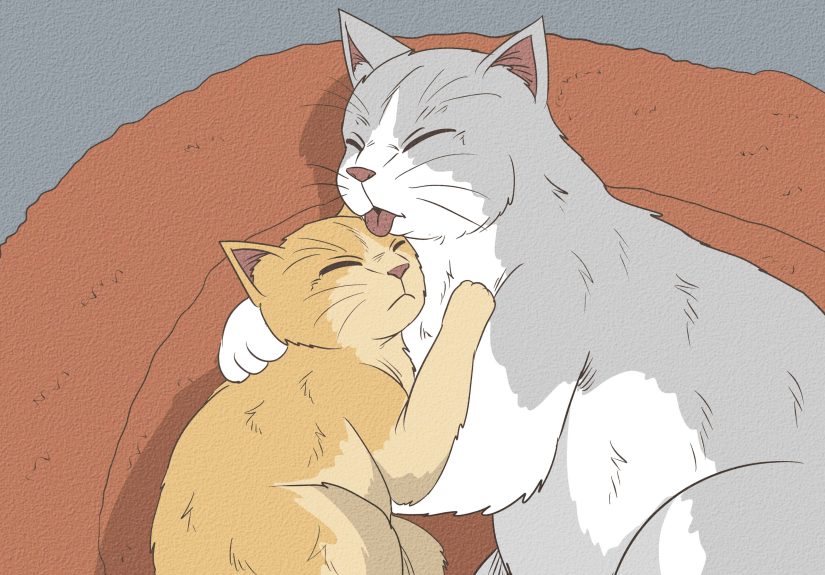
And yes, sometimes you eventually get the jackpot: mutual grooming, nose touches, or a shared sun puddle. At that point, feel free to act smug. You earned it.
Real-Life Experiences: What This Process Usually Feels Like
If you have never introduced cats before, here is the truth nobody mentions loudly enough: the process is emotionally weird. One minute you are encouraged because both cats sniffed the same doorway without theatrics. The next minute one of them growls because the other dared to breathe near the hallway rug. Progress with cat friendship is rarely a straight line. It is more like a staircase designed by a committee of raccoons.
Many cat owners start out convinced their pets will instantly adore each other. After all, they are both cats. They both purr. They both judge humans from high furniture. Surely this is the beginning of a charming buddy comedy. Then the resident cat sees the newcomer’s carrier and makes a face that clearly says, “Absolutely not.” That reaction can feel discouraging, but it is also incredibly normal. Cats do not automatically welcome change, even when the new arrival is objectively adorable.
One common experience is learning that tiny wins matter more than dramatic milestones. Maybe on Tuesday both cats eat treats on opposite sides of a door. Maybe on Thursday they look at each other through a gate and neither one turns into a fuzzy volcano. That may not sound glamorous, but in a real multi-cat household, those moments are gold. They are the building blocks of trust.
Another common lesson is that humans often need training as much as the cats do. People tend to move too fast right when things start going well. You see one calm interaction and think, “Great, problem solved.” Then you give them too much freedom too soon, somebody gets spooked, and suddenly you are back to separate rooms and apologizing to everyone with tuna. The experience teaches patience in a very direct way.
Owners also discover that friendship does not always look the way they imagined. Some cats become playful companions. Some become peaceful neighbors with a strict no-cuddling clause. Some take months to move from suspicion to tolerance, then one day you find them napping on opposite ends of the same couch like they signed a quiet treaty. That still counts as success.
Perhaps the most reassuring experience people report is that steady, boring consistency works. Daily routines, short sessions, multiple resources, calm supervision, and plenty of breaks often do more than any fancy trick. Cats tend to relax when life becomes predictable. Once they learn that the other cat is not stealing all the food, all the affection, or the entire concept of comfort, tension often begins to fade.
So if you are in the messy middle of introductions, do not panic. A few hisses do not mean failure. A need to slow down does not mean your cats are doomed to feud forever. Helping cats become friends is usually less about one magical step and more about stacking many small, smart choices over time. In other words, it is a marathon, not a speed date. But when it works, the payoff is wonderful: a calmer home, happier cats, and far fewer moments where you have to sprint across the living room yelling, “Everybody make good choices!”
Conclusion
If you want to help cats become friends, your best tools are patience, structure, and realistic expectations. Keep introductions slow, start with scent, give each cat room to retreat, and reward calm behavior. Do not aim for instant cuddles. Aim for safety, comfort, and trust. Friendship often grows from there.