Table of Contents >> Show >> Hide
- What “Bakery-Made” Actually Means (So You Know What to Aim For)
- Set Up Like a Pro Before You Crack an Egg
- Step-by-Step: Bake Flat, Even Layers That Don’t Dry Out
- 1) Prep pans like you’re never washing stuck cake again
- 2) Measure accurately (your cake can taste your disrespect)
- 3) Mix with intention: aerate, then stop
- 4) Divide batter evenly (so the layers stack like adults)
- 5) Bake evenly: your goal is flat tops
- 6) Know when it’s done (and don’t wait for a bone-dry toothpick)
- Cooling, Leveling, and Stacking Without Tears
- Frosting That Looks Like It Came From a Display Case
- A Simple “Bakery-Made” Finish That Anyone Can Pull Off
- Troubleshooting: Fixes Bakers Use (So You Don’t Start Over)
- A Concrete Example: A Bakery-Style Vanilla Layer Cake Plan
- Conclusion: Your Bakery-Made Checklist
- Real-World Experiences (500+ Words) That Make You Better Fast
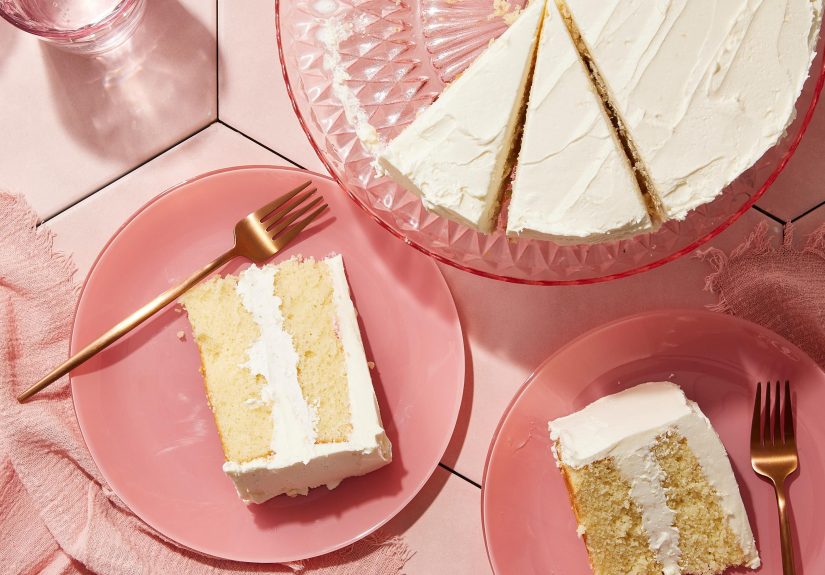
A bakery-made cake has a certain attitude: straight sides, level layers, frosting so smooth it could slide into your DMs,
and a crumb that screams “I was measured with intention.” The good news? You don’t need a pastry degree (or a rotating cake stand
blessed by a French chef). You need a few pro habits, a couple of simple tools, and the willingness to chill your cake when it’s
being dramatic.
This guide walks you through the full processmixing, baking, cooling, leveling, stacking, frosting, and finishingso your homemade
cake looks like it came from behind a glass case with a $9 slice price tag.
What “Bakery-Made” Actually Means (So You Know What to Aim For)
When bakers talk about a “professional” finish, they’re usually talking about four things:
- Even layers: flat tops, consistent thickness, no leaning-tower energy.
- Tender, moist crumb: not gummy, not dry, not “why is this squeaking?”
- Clean structure: fillings stay inside, layers don’t slide, frosting doesn’t crumble.
- Polished frosting: smooth sides, neat top, intentional texture or sharp edges.
Set Up Like a Pro Before You Crack an Egg
Use the right tools (you can keep it minimal)
You can make a gorgeous cake without turning your kitchen into a supply store. These are the highest-impact items:
- Digital kitchen scale: the #1 upgrade for consistent results.
- Two 8-inch or 9-inch round pans: light-colored metal helps with even baking.
- Parchment paper: for pan liners and tidy decorating.
- Offset spatula: makes frosting look like you meant it.
- Bench scraper (or straight-edged spatula): for smooth sides.
- Cooling rack: so steam doesn’t make your cake soggy.
- Optional but magical: cake strips for flat layers, a turntable for smoother frosting.
Choose a from-scratch cake recipe that behaves well
If your goal is “bakery-style,” pick a recipe designed for layer cakesone that’s sturdy enough to stack but still tender.
Many bakery-style vanilla and yellow cakes lean on a mix of cake flour (for a finer crumb) and a tangy dairy like
buttermilk or sour cream (for moisture and softness).
If you’re a beginner, start with a classic butter cake (vanilla, yellow, chocolate) rather than a super airy chiffon that can be
fragile. You can absolutely get a bakery look with a “simple” cakesimplicity just means fewer ways to ruin it.
Temperature and timing matter more than vibes
Bakery consistency comes from controlling variables. Aim for ingredients that are truly room temperature:
butter that’s pliable, eggs that don’t feel cold, and dairy that isn’t straight from the fridge. This helps the batter emulsify
properly, which affects both texture and how evenly the cake bakes.
Pro move: Set your ingredients out first. Then preheat the oven. Then line your pans. By the time you’re ready
to mix, everything is in the right zone.
Step-by-Step: Bake Flat, Even Layers That Don’t Dry Out
1) Prep pans like you’re never washing stuck cake again
- Grease the pan lightly (butter or baking spray).
- Place a parchment circle on the bottom.
- Grease the parchment and dust the sides lightly with flour (or use baking spray with flour).
Parchment on the bottom is the little “bakery secret” that isn’t secretjust underused. It helps your layers release cleanly and
stay intact.
2) Measure accurately (your cake can taste your disrespect)
If you want “bakery-made,” this is not the moment for a packed cup of flour and a prayer. Use a scale when possible:
you’ll get consistent hydration (moisture), consistent structure, and layers that match.
3) Mix with intention: aerate, then stop
Most layer cakes use a creaming method (beating butter and sugar until fluffy). That step builds tiny air pockets that lift the cake.
But once flour goes in, mixing too long builds excess gluten and leads to a tight, chewy crumb.
- Cream butter + sugar until lighter in color and fluffy.
- Add eggs gradually so the mixture stays smooth (scrape the bowl often).
- Alternate dry and wet ingredients, mixing on low until just combined.
4) Divide batter evenly (so the layers stack like adults)
Use your scale to portion batter evenly into pans. Equal batter means equal bake time, equal height, and fewer “why is this side taller?”
decorating emergencies.
5) Bake evenly: your goal is flat tops
Two easy habits dramatically improve your layers:
- Use cake strips (or a DIY damp cloth wrap) to insulate the pan edges, helping cakes rise flatter.
- Rotate pans once the cake has set (roughly halfway through baking) if your oven has hot spots.
6) Know when it’s done (and don’t wait for a bone-dry toothpick)
The old “toothpick comes out clean” rule can push cakes into dry territory. A better target is:
- Top springs back lightly when touched.
- Edges pull slightly from the pan.
- A toothpick shows moist crumbs, not wet batter.
- Optional thermometer: many classic cakes land roughly in the 200–210°F range, depending on the formula.
Cooling, Leveling, and Stacking Without Tears
Cool in stages (steam is the enemy of structure)
- Cool the cakes in the pans for 10–15 minutes (so they set and don’t break).
- Turn out onto a rack, peel parchment, and cool completely.
- For cleaner frosting later, wrap layers and chill for at least 1–2 hours.
Chilled cake is easier to level, less crumbly, and far less likely to melt your frosting.
Level like you mean it
If your layers domed (it happens), level them with a serrated knife. Trim just enough to create a flat surface. Then:
- Flip the top layer upside down when assembling (cut side down). The flat bottom becomes your perfectly level top.
- Snack on trimmings immediately, for morale.
Build a stable stack
- Dab a spoonful of frosting on your cake board/plate (acts like glue).
- Place first layer down, centered.
- Pipe a “dam” of frosting around the edge if using a soft filling (jam, curd).
- Spread filling inside the dam, then add the next layer.
- Press gently and check level from the side.
Bakery trick for moisture: Lightly brush layers with a simple syrup before filling (especially helpful if you’re baking a day ahead).
Don’t soakjust a thin, even layer.
Frosting That Looks Like It Came From a Display Case
Pick the frosting that matches your goal
If you want ultra-smooth sides and a less-sweet, “bakery” mouthfeel, consider a meringue-based buttercream
(like Swiss meringue buttercream). If you want the quickest path, American buttercream worksjust whip it well and manage the temperature.
- Swiss meringue buttercream: silky, stable, smooth finish, less sweet.
- American buttercream: fast, sweet, crusts slightly, easy to pipe.
- Whipped ganache: glossy, chocolate-forward, elegant, very forgiving.
Do a crumb coat (yes, even if you “never do that”)
A crumb coat is a thin layer of frosting that traps crumbs and creates a clean base for the final coat.
It’s the reason bakery cakes don’t look like they’re wearing a sweater made of cake fuzz.
- Apply a thin layer of frosting over the entire cake (top and sides).
- Scrape excess offdon’t worry about perfection.
- Chill 15–30 minutes until the frosting firms up.
Get smooth sides with the “spin and scrape” method
Apply a thicker final coat. Then hold a bench scraper straight against the cake’s side and rotate the cake (turntable helps here).
Keep the scraper steady; let the cake do the moving.
- Wipe the scraper often (clean tool = clean finish).
- Fill gaps with a little more frosting, then scrape again.
- For extra-smooth results, chill briefly, then do one final smoothing pass.
Sharp edges without fancy gear
Want that crisp bakery top edge? Build a slight “lip” of frosting above the top rim as you smooth the sides, then pull it inward
with your offset spatula in small sweeps. Chill, repeat once, and you’ll get that clean line.
A Simple “Bakery-Made” Finish That Anyone Can Pull Off
These decorations look intentional, not like you panicked at the last minute (even if you did):
- Textured swoops: use the back of a spoon or offset spatula for soft waves.
- Sprinkle border: press sprinkles around the bottom edge for a neat frame.
- Drip (controlled): slightly cooled ganache + a spoon = elegant drips, not chocolate waterfalls.
- Fruit + herbs: berries + a few mint leaves can look boutique instantly.
- Chocolate shards: spread melted chocolate thin, chill, break into pieces, stand them up on top.
Troubleshooting: Fixes Bakers Use (So You Don’t Start Over)
My cake is dry
- Next time: pull it earlierdon’t wait for a totally clean toothpick.
- Right now: brush layers with simple syrup, add a moist filling, and frost generously.
My cake domed and cracked
- Try cake strips and confirm your oven temp runs true.
- Level the domebakery cakes are leveled all the time.
My frosting is melting or sliding
- Chill your cake layers and pause to chill between coats.
- If your kitchen is warm, work in short rounds: frost 5–7 minutes, chill 10 minutes, repeat.
My buttercream looks curdled or soupy
- Usually it’s temperature. Chill briefly if it’s soupy; warm slightly and re-whip if it’s curdled.
- Use a thermometer if you want to be extra precisesmall shifts matter.
My filling is bulging out the sides
- Use a frosting “dam” around the edge before adding filling.
- Don’t overfill. A cake isn’t a burrito.
- Chill after filling before final frosting.
A Concrete Example: A Bakery-Style Vanilla Layer Cake Plan
If you want a clear blueprint, here’s a straightforward (and very bakery-friendly) approach:
- Cake: vanilla butter cake made with cake flour and buttermilk for a softer crumb.
- Filling: raspberry jam (thin layer) + a frosting dam to prevent seepage.
- Frosting: Swiss meringue buttercream for smooth sides and less sweetness.
- Finish: textured top swoops + sprinkle border or fresh berries.
Timeline (because bakery cakes are planned, not rushed)
- Day 1: Bake layers, cool, wrap, chill (or freeze).
- Day 2: Make buttercream, level layers, fill and stack, crumb coat, chill, final coat, decorate.
Conclusion: Your Bakery-Made Checklist
If you remember nothing else, remember this: bakery-made cakes are rarely “harder” recipesthey’re better
process. Measure accurately, bake flat layers, cool completely, chill before frosting,
crumb coat, then smooth with patience. When things go sideways (they will, occasionally), chill the cake,
adjust the frosting temperature, and keep going. Most “bakery” looks are just a series of small, calm decisions.
Real-World Experiences (500+ Words) That Make You Better Fast
Home bakers often expect the big challenge to be the recipe, but the real learning curve is the “between steps” stuff:
what the batter feels like, how warm the kitchen is, and how long you should wait before doing the next thing. One of the
most common experiences is discovering that cake decorating is basically a temperature-management hobby with sprinkles.
The first time someone tries to frost a cake while the layers are still slightly warm, the frosting turns soft, slides,
and looks like it’s trying to escape the room. The lesson is instant: cool completely, then chill. Cold cake is calmer cake.
Another classic moment happens when a baker finally levels a cake and realizes two things at once: (1) the cake instantly stacks
straighter, and (2) the trimmings are the best snack they’ve had all week. People often feel guilty about trimming domes, as if
it’s “ruining” the cake. In reality, trimming is how professionals get those clean linesand it’s how you take control of the final look.
The experience of stacking two perfectly flat layers for the first time can be weirdly satisfying, like organizing a drawer that actually stays organized.
Then there’s the crumb coat revelation. Many bakers skip it until they see crumbs streaking through the frosting and suddenly understand
why bakery cakes look so clean. The first crumb coat usually looks rough and thin, which can feel wronglike you didn’t use enough frosting.
But after a quick chill, that thin layer firms up and becomes a tidy base that makes the final coat glide on smoothly. It’s one of those
“trust the process” experiences that changes how someone approaches every cake after that.
Buttercream has its own set of learning moments. Someone will inevitably whip a batch that looks curdled or soupy and assume it’s ruined,
only to learn that it’s often just too cold or too warm. The experience of fixing buttercream by chilling it briefly and re-whipping (or warming
it gently and whipping again) is empoweringsuddenly frosting isn’t a fragile mystery; it’s something you can troubleshoot. Even bakers who prefer
American buttercream learn quickly that over-soft butter makes frosting droopy, while properly softened butter makes it spread like velvet.
Finally, many bakers discover that “bakery-made” doesn’t always mean “perfectly smooth.” Sometimes the most professional-looking cakes are
intentionally textured: swoops on top, a neat sprinkle border, a controlled ganache drip, or a simple cluster of berries. The experience of
choosing a decoration style that matches your skill level is a huge confidence boost. Instead of chasing one flawless finish, you build a cake
with one or two strong visual decisionsand it looks deliberate. That’s the real bakery trick: not doing everything, but doing a few things well,
on purpose, and with good timing.