Table of Contents >> Show >> Hide
- What Makes a Stir Fry Low Fat?
- How to Make a Low Fat Stir Fry: 11 Steps
- Step 1: Choose the Right Pan
- Step 2: Prep Everything Before the Heat Starts
- Step 3: Pick a Lean Protein
- Step 4: Use a Small Amount of Oil Strategically
- Step 5: Start with Aromatics
- Step 6: Cook the Protein First
- Step 7: Add Vegetables in the Right Order
- Step 8: Use Broth or Water to Reduce Oil
- Step 9: Make a Light, Flavor-Packed Sauce
- Step 10: Bring Everything Together
- Step 11: Serve Smart
- Best Vegetables for Low Fat Stir Fry
- Low Fat Stir Fry Mistakes to Avoid
- Easy Low Fat Chicken Stir Fry Example
- Meal Prep Tips for Low Fat Stir Fry
- Experience Notes: What Really Makes a Low Fat Stir Fry Taste Good
- Conclusion
A good stir fry is the weeknight dinner equivalent of a magic trick: a handful of vegetables, a lean protein, a hot pan, and suddenly dinner appears before anyone can ask, “Are we ordering takeout?” Better yet, learning how to make a low fat stir fry gives you all the flavor, color, crunch, and saucy satisfaction of your favorite restaurant-style bowl without turning the pan into an oil slick.
The secret is not removing every drop of fat. Fat adds flavor, helps aromatics bloom, and gives food that glossy “I know what I’m doing” finish. The real goal is using a small amount of healthy oil wisely, loading the pan with vegetables, choosing lean protein, and building big flavor with ginger, garlic, citrus, vinegar, herbs, chiles, and low-sodium sauces. In other words, your stir fry should taste excitingnot like steamed sadness wearing broccoli shoes.
This guide breaks the process into 11 practical steps, from choosing the right pan to finishing your sauce. You will also find smart swaps, low fat cooking tips, meal-prep ideas, and a real-world experience section at the end to help you avoid the most common stir fry mistakes.
What Makes a Stir Fry Low Fat?
A low fat stir fry is built around vegetables, lean protein, controlled oil, and a lighter sauce. Traditional stir frying often uses high heat and a small amount of oil, which can already be a healthy cooking method when done correctly. The problem usually comes from extra oil, fatty cuts of meat, sugary bottled sauces, oversized portions of noodles, and toppings such as fried wontons, heavy nut sauces, or “just a little extra sesame oil” that somehow becomes a tablespoon parade.
A balanced low fat stir fry usually includes three main parts: a generous amount of non-starchy vegetables, a moderate serving of lean protein, and a sensible portion of whole grains or noodles if you want a heartier meal. The sauce should be flavorful but not overly salty, greasy, or syrupy. Think of sauce as the supporting actor, not the main character who refuses to leave the stage.
How to Make a Low Fat Stir Fry: 11 Steps
Step 1: Choose the Right Pan
Use a large nonstick skillet, carbon-steel wok, or well-seasoned cast-iron pan. A wide cooking surface helps vegetables sear instead of steam. If your pan is too small, the ingredients pile up, release moisture, and turn into a soft vegetable traffic jam.
For a low fat stir fry, a nonstick pan is especially helpful because it lets you cook with less oil. You do not need a professional wok burner to make a great stir fry at home. What you need is enough space, steady heat, and the confidence to stop poking the vegetables every two seconds.
Step 2: Prep Everything Before the Heat Starts
Stir frying moves fast. Once the pan is hot, there is no time to hunt for soy sauce, mince garlic, or wonder where the carrots went. Slice all vegetables, cut the protein, mix the sauce, and place everything near the stove before cooking.
Cut ingredients into similar sizes so they cook evenly. Thin strips of chicken breast, small shrimp, tofu cubes, sliced mushrooms, matchstick carrots, broccoli florets, bell pepper strips, snap peas, cabbage, zucchini, and onions all work beautifully. The thinner and more uniform the pieces, the faster they cookwhich means less time in the pan and better texture.
Step 3: Pick a Lean Protein
Lean protein keeps the stir fry filling without pushing the fat content too high. Great choices include skinless chicken breast, turkey breast, shrimp, scallops, white fish, extra-firm tofu, tempeh in moderate portions, egg whites, edamame, or lean cuts of beef or pork trimmed of visible fat.
For a simple example, use 12 ounces of chicken breast for four servings. Slice it thinly across the grain so it cooks quickly and stays tender. If using tofu, press it first to remove extra water, then cube it and sear it lightly. If using shrimp, cook it only until it turns pink and opaque; shrimp can go from tender to rubber band audition very quickly.
Step 4: Use a Small Amount of Oil Strategically
You can make a flavorful low fat stir fry with 1 to 2 teaspoons of oil for the entire pan, especially if using nonstick cookware. Choose an oil that handles medium-high to high heat, such as canola, avocado, peanut, or light olive oil. Toasted sesame oil has a strong flavor, so use it as a finishing accent rather than the main cooking oil.
Instead of pouring oil freely into the pan, measure it. This tiny habit makes a big difference. One tablespoon of oil contains about 120 calories, so “a quick drizzle” can quietly turn into the most expensive ingredient in your calorie budget. Add the measured oil, swirl it across the hot pan, and let it coat the surface before adding food.
Step 5: Start with Aromatics
Aromatics are the flavor engine of a stir fry. Garlic, ginger, scallions, shallots, lemongrass, chile flakes, and fresh herbs add depth without needing much fat. Cook them brieflyusually 15 to 30 secondsjust until fragrant.
Do not burn the garlic. Burnt garlic tastes bitter and will bully the entire dish. If your pan is very hot, add aromatics after the protein or vegetables have already started cooking, or stir them into the sauce so they are protected by moisture.
Step 6: Cook the Protein First
Add your lean protein in a single layer and let it sear. Avoid crowding the pan. If needed, cook protein in two batches. Crowding lowers the temperature and causes the protein to steam instead of brown.
Chicken should be cooked until it reaches a safe internal temperature of 165°F. Shrimp should be opaque and firm. Tofu should be lightly golden on the edges. Once the protein is cooked, transfer it to a plate while you cook the vegetables. This prevents overcooking and keeps the final stir fry lively instead of limp.
Step 7: Add Vegetables in the Right Order
Vegetables are the heart of a low fat stir fry. They bring fiber, color, volume, vitamins, minerals, and crunch. Add firm vegetables first, then quick-cooking vegetables later.
Start with broccoli, carrots, cauliflower, green beans, cabbage stems, onions, or bell peppers. After a few minutes, add softer vegetables such as zucchini, mushrooms, snow peas, spinach, bok choy leaves, bean sprouts, or shredded cabbage. This order keeps everything from turning mushy at the same time. Nobody wakes up excited for beige broccoli pudding.
Fresh vegetables are great, but frozen stir fry blends are perfectly useful. They are convenient, affordable, and reduce prep time. For best results, cook frozen vegetables straight from frozen over high heat, and avoid adding too much liquid at the beginning.
Step 8: Use Broth or Water to Reduce Oil
One of the easiest low fat cooking tricks is to use a splash of low-sodium broth or water when the pan gets dry. This helps lift browned bits from the pan and lightly steam firm vegetables without adding more oil.
Add liquid by the tablespoon, not by the cup. Too much broth turns stir fry into soup with ambition issues. A small splash keeps the ingredients moving and prevents sticking while maintaining that bright, crisp-tender texture.
Step 9: Make a Light, Flavor-Packed Sauce
A healthy stir fry sauce should taste bold without relying on lots of oil, sugar, or sodium. A basic low fat sauce can include low-sodium soy sauce, rice vinegar, fresh lime juice, garlic, ginger, a small amount of honey or maple syrup, chile paste, and a little cornstarch to thicken.
Try this easy sauce for four servings:
- 3 tablespoons low-sodium soy sauce
- 3 tablespoons low-sodium chicken or vegetable broth
- 1 tablespoon rice vinegar or lime juice
- 1 teaspoon honey, brown sugar, or maple syrup
- 1 teaspoon grated ginger
- 1 minced garlic clove
- 1 teaspoon cornstarch
- Optional: chile flakes, sriracha, or black pepper
Whisk the sauce before adding it to the pan because cornstarch settles quickly. Pour it in near the end, when the vegetables are almost done and the protein is ready to return. Stir until glossy and lightly thickened.
Step 10: Bring Everything Together
Return the cooked protein to the pan, pour in the sauce, and toss everything together. Let the sauce bubble for 30 to 60 seconds so it thickens and coats the ingredients. The finished stir fry should look shiny, colorful, and saucybut not drowned.
If it becomes too thick, add a tablespoon of broth or water. If it is too thin, let it simmer briefly. Taste before serving. You may need more acidity, heat, or herbs rather than more salt. A squeeze of lime can brighten the entire dish faster than you can say, “Why did I ever buy bottled orange sauce?”
Step 11: Serve Smart
Serve your low fat stir fry over brown rice, quinoa, cauliflower rice, soba noodles, or a modest portion of whole-grain noodles. If you want a lower-calorie option, use extra vegetables as the base. If you need more energy after a workout or a long day, add a reasonable serving of whole grains.
Finish with fresh scallions, cilantro, basil, lime wedges, toasted sesame seeds, or a very small drizzle of toasted sesame oil. Keep toppings intentional. Nuts and seeds are nutritious but calorie-dense, so a teaspoon or two can add flavor without turning your low fat dinner into a surprise trail mix convention.
Best Vegetables for Low Fat Stir Fry
The best vegetables are the ones that hold their shape and cook quickly. Broccoli, bell peppers, snow peas, carrots, mushrooms, cabbage, bok choy, spinach, zucchini, asparagus, green beans, onions, and bean sprouts are all excellent choices. Use at least three colors if possible. A colorful stir fry is not just prettier; it usually means a wider variety of nutrients and textures.
For a classic combination, try broccoli, carrots, bell peppers, mushrooms, and snow peas. For a budget-friendly version, use cabbage, onion, frozen broccoli, and carrots. For a lighter spring-style stir fry, use asparagus, snap peas, mushrooms, and scallions.
Low Fat Stir Fry Mistakes to Avoid
Using Too Much Oil
Oil is easy to overdo. Measure it instead of free-pouring. A teaspoon or two is often enough for a family-size stir fry when using the right pan and small splashes of broth.
Overcrowding the Pan
Too much food in the pan creates steam. Cook in batches if needed. A little patience gives you better browning, better flavor, and vegetables that still have personality.
Adding Sauce Too Early
Sauce should go in near the end. If you add it too early, the vegetables may become soggy, and sugars in the sauce can burn.
Forgetting Acid
Low fat food needs brightness. Rice vinegar, lime juice, lemon juice, or orange zest can make a light sauce taste lively and complete.
Relying Only on Soy Sauce
Soy sauce is flavorful, but it can be high in sodium. Use low-sodium versions, balance them with vinegar and aromatics, and taste before adding more.
Easy Low Fat Chicken Stir Fry Example
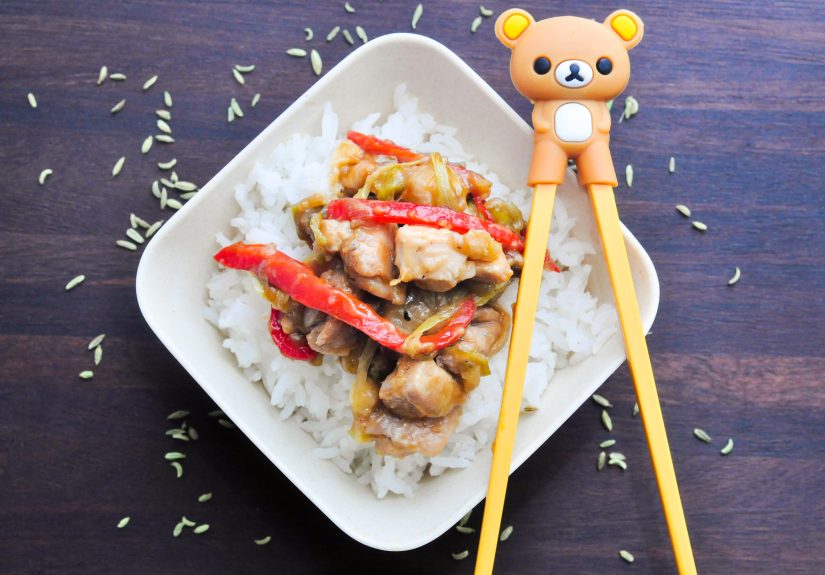
For a practical dinner, slice 12 ounces of chicken breast into thin strips. Chop 4 cups of vegetables, such as broccoli, bell peppers, carrots, and mushrooms. Mix the light sauce from Step 9. Heat a large nonstick skillet, add 1 teaspoon of canola oil, and cook the chicken until done. Remove it, add the vegetables, and stir fry with small splashes of broth until crisp-tender. Return the chicken, add the sauce, toss until glossy, and serve over brown rice or cauliflower rice.
This meal is fast, flexible, and easy to adjust. Want it spicy? Add chile garlic sauce. Want it sweeter? Add orange juice and zest. Want it vegetarian? Swap chicken for tofu or edamame. Want fewer carbs? Serve it over shredded cabbage or cauliflower rice. Stir fry is forgiving, which is wonderful because dinner should not require the emotional stamina of assembling furniture.
Meal Prep Tips for Low Fat Stir Fry
Stir fry works beautifully for meal prep if you store components wisely. Wash and slice vegetables ahead of time, but keep watery vegetables such as zucchini or mushrooms separate until cooking. Mix sauce in a jar and refrigerate it for up to several days. Slice protein ahead of time and store it safely in the refrigerator until ready to cook.
For leftovers, store cooked stir fry in shallow containers and refrigerate promptly. Reheat until steaming hot. If the sauce thickens in the fridge, add a splash of broth or water before reheating. Avoid reheating too many times, because vegetables become softer each round.
Experience Notes: What Really Makes a Low Fat Stir Fry Taste Good
The first time many home cooks try to make a low fat stir fry, they make one understandable mistake: they remove the fat but forget to replace the flavor. The result is technically healthy, yes, but emotionally confusing. It looks like dinner, smells like vegetables, and tastes like someone whispered “soy sauce” from another room.
The biggest lesson from making low fat stir fry regularly is that flavor needs layers. A small amount of oil starts the process, but aromatics carry the dish. Fresh ginger gives warmth, garlic gives depth, scallions add sharpness, and citrus wakes everything up. When these ingredients are ready before cooking begins, the stir fry tastes intentional instead of improvised under pressure.
Another experience-based tip: the pan must be hot, but not chaotic. Medium-high heat is usually enough for most home stoves. If the pan is barely warm, vegetables release water and go limp. If it is screaming hot and unattended, garlic burns, sauce scorches, and dinner develops what chefs politely call “character.” Let the pan heat, add measured oil, and keep ingredients moving once they hit the surface.
Texture is also more important than people think. A great low fat stir fry is crisp-tender, not raw and not mushy. The vegetables should still have a little snap. Cutting them evenly helps, but so does adding them in stages. Broccoli and carrots need a head start. Spinach and bean sprouts need only a brief appearance, like celebrity cameos.
Sauce control may be the most valuable skill. Bottled stir fry sauces are convenient, but many are heavy on sodium and sugar. A homemade sauce lets you adjust the balance. If it tastes flat, add vinegar or lime. If it tastes harsh, add a small touch of sweetness. If it lacks body, use cornstarch. If it tastes salty, add more vegetables or broth instead of trying to fix it with more sauce.
Finally, a low fat stir fry becomes easier when you stop treating it as a strict recipe and start treating it as a method. Protein, vegetables, aromatics, sauce, heat, and timingonce you understand that pattern, you can use whatever is in the refrigerator. Half a bell pepper, a lonely carrot, frozen broccoli, leftover chicken, tofu, cabbage, mushrooms: all of them can become dinner. That flexibility is what makes stir fry one of the most useful healthy cooking skills. It saves money, reduces food waste, and helps you eat more vegetables without feeling like you joined a raw celery support group.
Conclusion
Learning how to make a low fat stir fry is really about learning balance. Use a hot pan, a measured amount of oil, plenty of vegetables, lean protein, and a light sauce that brings flavor without drowning the dish. Keep your ingredients ready, cook in the right order, and finish with brightness from citrus, vinegar, herbs, or chiles.
The best part is that a low fat stir fry does not feel like a compromise. It is fast, colorful, customizable, and satisfying. Whether you choose chicken, shrimp, tofu, or a vegetable-packed version, the method gives you a reliable dinner that tastes fresh and fits into a healthier eating routine. Once you master the 11 steps, you can turn almost any collection of vegetables into a meal that looks plannedeven when it absolutely was not.
Note: This article is for general cooking and nutrition information. People with specific medical conditions, allergies, or prescribed diets should follow guidance from a qualified healthcare professional or registered dietitian.