Table of Contents >> Show >> Hide
- Why Shutter Word Art Works So Well
- Supplies You’ll Need
- Step 1: Choose and Prep the Perfect Shutter
- Step 2: Paint and Distress the Shutter (If You Want)
- Step 3: Design Your Word Art
- Step 4: Paint and Finish the Letters
- Step 5: Lay Out and Attach the Letters
- Step 6: Add Finishing Touches
- Step 7: Hang or Display Your Shutter Word Art
- Style Ideas for Different Décor Looks
- Common Mistakes to Avoid
- How To Make Word Art With a Shutter: Quick Recap
- Real-Life Tips and Experiences with Shutter Word Art (Extra Deep Dive)
- 1. Start with the Word, Not the Shutter Size
- 2. Test in the Actual Space Before You Commit
- 3. Use Painter’s Tape as Your Layout Superpower
- 4. Mix Finishes for a High-End Look
- 5. Think of Your Shutter as Part of a “Layered” Display
- 6. Plan Ahead for Seasonal Swaps
- 7. Don’t Be Afraid to Go Big
- 8. Accept Imperfections – They’re Part of the Charm
Got an old wood shutter lurking in the garage, looking like it’s one paint chip away from retirement?
Perfect. That’s not junk – that’s the start of a gorgeous piece of DIY word art that can hang on your porch,
in your entryway, or above your sofa looking all kinds of rustic and expensive.
The original Hometalk project that inspired this idea turns a lonely shutter and a simple word or phrase
into décor with personality. Add in what DIYers all over the U.S. are doing with old shutters – welcome
signs, memo boards, shelves, and wall art – and you’ve got endless ways to customize your own shutter word art
for any style or space.
In this guide, you’ll learn how to make word art with a shutter step by step – from cleaning and painting to
choosing letters, attaching them safely, and styling the finished piece. We’ll also walk through real-world tips,
common mistakes crafters make, and how to adapt the project whether your style is farmhouse, cottagecore, coastal,
or “I-just-like-pretty-things-on-the-wall.”
Grab that shutter. We’re about to give it a second life – and a whole lot of charm.
Why Shutter Word Art Works So Well
Before you start painting and gluing, it helps to understand why this project is such a home décor favorite:
- Instant character: Slats, chipped paint, and dings add built-in texture that new décor just can’t fake.
- Vertical impact: Shutters are tall and narrow, which makes them perfect for awkward skinny walls or porch corners.
- Budget friendly: Old shutters are easy to find at yard sales, salvage yards, and reuse centers for just a few dollars.
- Endlessly customizable: You can spell anything – “HOME,” “WELCOME,” a last name, or a seasonal phrase like “JOY” or “FALL.”
- Eco-conscious: You’re upcycling instead of buying new, which is kinder to the planet and to your wallet.
In short: shutter word art hits that sweet spot between easy, cheap, and looks-like-you-bought-it-from-a-boutique.
Supplies You’ll Need
Exact materials can vary, but this is a solid basic list for most shutter word art projects.
Core Materials
- One old wood shutter (interior or exterior)
- Wood or MDF letters (for your chosen word)
- Chalk paint, latex paint, or acrylic craft paint
- Primer (if your shutter has a glossy or unknown finish)
- Wood filler (optional, for patching holes)
- 120–220 grit sandpaper or sanding sponge
- Clear topcoat: polycrylic or clear wax for protection
Adhesives & Hardware
- Strong craft or construction adhesive or wood glue
- Small finish nails or brad nails (optional, for extra security)
- Picture-hanging hardware or D-rings for the back
- Wall anchors and screws (if hanging on drywall)
Tools
- Drop cloth or old sheet
- Cleaning rag or sponge and mild cleaner
- Paintbrushes and/or foam brushes
- Measuring tape or ruler
- Pencil and painter’s tape
- Level (to keep letters and shutter straight)
- Drill and drill bits (if adding hardware or sturdy hangers)
- Hammer or brad nailer (optional)
Step 1: Choose and Prep the Perfect Shutter
Picking the Right Shutter
Not all shutters are created equal. When browsing flea markets, salvage shops, or your own shed, look for:
- Solid wood construction: It’s easier to sand, paint, repair, and nail into compared with brittle plastic.
- Manageable size: For indoor art, something between 36 and 60 inches high usually works well. For porch décor, go taller if you like.
- Decent structure: Cracks and nicks are fine; loose slats and major warping are not.
Cleaning and Light Repairs
- Clean the surface. Wipe down the shutter with a damp rag and mild soap, removing dust, cobwebs, and old dirt. Let it dry fully.
- Check for damage. Tighten loose joints with wood glue and clamps if needed. Fill screw holes or deep dings with wood filler; allow to dry and sand smooth.
- Scuff sand. Lightly sand glossy finishes so paint and primer can grip. You don’t need to sand to bare wood – just knock down the shine.
Step 2: Paint and Distress the Shutter (If You Want)
Many DIYers love using chalk-style paint on shutters because it covers well, sticks to older finishes, and distresses beautifully. Brands that focus on chalk or matte furniture paint are commonly recommended for upcycled shutter projects.
Basic Painting Steps
- Prime (if needed). If your shutter is very glossy, dark, or has an unknown old finish, apply a bonding primer. Let it dry according to the label.
- Apply your base color. Use a brush to work paint into the slats. Two light coats usually look better than one heavy coat and are less likely to drip.
- Optional: Distress for character. Once the paint is dry, use fine sandpaper to gently rub edges, corners, and raised areas. Let hints of the wood or original color peek through.
- Seal the finish. Add a coat of clear polycrylic or furniture wax if the piece will be handled often or hung in a high-traffic area.
Don’t stress about perfection. A tiny drip, a rough spot, or uneven coverage can actually make your piece look more authentically vintage.
Step 3: Design Your Word Art
Now for the fun part: deciding what your shutter will say and how it will look.
Pick the Right Word or Phrase
Some popular ideas for shutter word art include:
- Porch or entry: “WELCOME,” “HOME,” “HELLO,” or a house number
- Living room: “FAMILY,” “GATHER,” “RELAX”
- Seasonal: “JOY,” “NOEL,” “FALL,” “SPRING”
- Personal: A last name, nickname, or favorite short quote
Shorter words are easier to center and read from a distance, especially when your shutter has narrow slats.
That’s why so many shutter projects lean on bold, simple words.
Choose Letter Size and Style
You can buy pre-cut letters from craft stores, order them online, or cut your own with a jigsaw or laser cutter.
When choosing letters, think about:
- Height: Letters should be big enough to read quickly but small enough to leave a margin top and bottom.
- Thickness: Thicker wood letters look more substantial than thin cardboard or chipboard, especially on a textured shutter.
- Font style: Block fonts feel modern and bold; script fonts feel softer and more romantic.
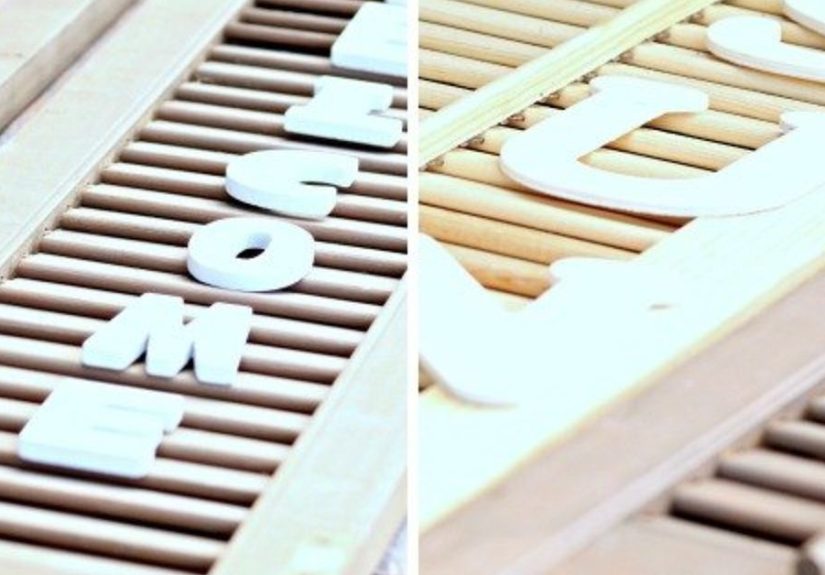
Lay the letters right on top of the shutter to test different arrangements before you commit. Move them around
until the spacing feels balanced – this is exactly what many crafters did in the original Hometalk-style projects
before gluing anything down.
Step 4: Paint and Finish the Letters
Your letters don’t have to match the shutter. In fact, contrast usually makes the word pop more.
Color Options
- Classic contrast: White letters on a dark shutter, or charcoal letters on a white shutter.
- Soft neutrals: Cream, taupe, or greige letters for a quieter, farmhouse look.
- Bold accent: Navy, mustard, or deep green letters for a more modern statement.
Paint the letters before attaching them. If you want a distressed look, you can lightly sand the edges and seal them
with a clear coat for durability.
Step 5: Lay Out and Attach the Letters
Centering the Design
- Find the vertical center. Measure the width of the shutter and mark the center lightly with a pencil.
- Work from the middle out. For odd-numbered words like “HOME,” start with the middle letters and space outward.
- Use painter’s tape as a guide. Run a strip of painter’s tape straight down the center or across the shutter to help keep letters aligned.
Attaching the Letters Securely
Depending on your materials, try one or a combo of these methods:
- Strong craft or construction adhesive: Great for most wood-on-wood projects. Apply small dots or a thin bead on the back of each letter and press it firmly into place.
- Wood glue: Works well for bare or sanded wood surfaces but may need clamps while it sets.
- Finish nails or brad nails: Helpful if the shutter will be outdoors or handled a lot. Pre-drill tiny holes through thicker letters and into solid parts of the shutter.
Check your word from a few steps back before the adhesive dries. DIYers frequently recommend stepping away,
then coming back with fresh eyes to spot any crooked letters before things set permanently.
Step 6: Add Finishing Touches
At this stage, your shutter already looks like word art – but a few small details can make it look truly custom:
- Light distressing on letters: Gently sand edges to tie them into the shutter’s worn look.
- Subtle shading: Dry-brush a slightly darker color into grooves and corners for depth.
- Simple embellishments: Add a small wreath, bow, faux greenery, or seasonal ornament near the top or bottom.
- Protective clear coat: If the piece will hang outdoors or on a porch, seal everything with an exterior-rated clear topcoat.
Step 7: Hang or Display Your Shutter Word Art
Hanging Indoors
- Attach D-rings or sawtooth hangers on the back near the top.
- Use wall anchors if you’re screwing into drywall without a stud.
- Check with a level before calling it done – slightly crooked word art is only cute for about two days.
Using It on a Porch or Patio
For outdoor use, try:
- Securing the shutter directly to siding or brick with appropriate screws and masonry anchors.
- Using outdoor-rated sealer and paint so the colors don’t fade or peel too quickly.
- Placing the shutter under a covered porch to extend its life.
Many shutter projects are used as porch welcome signs or as part of a layered display with planters, lanterns, and wreaths.
The shutter acts like a tall, rustic backdrop that makes everything else look more styled and intentional.
Style Ideas for Different Décor Looks
Farmhouse & Rustic
- White or cream shutter with black block letters spelling “HOME” or “FARMHOUSE.”
- Lightly distressed finish with natural wood peeking through.
- Small eucalyptus or cotton-stem wreath attached near the top.
Coastal & Beachy
- Soft aqua, seafoam, or weathered gray shutter.
- White letters spelling “BEACH,” “RELAX,” or your favorite coastal town.
- Rope detail, shells, or driftwood accents for extra seaside charm.
Bold & Modern
- Matte black shutter with crisp white or metallic letters.
- Clean, sans-serif font for a graphic look.
- No distressing – just sharp lines and high contrast.
Common Mistakes to Avoid
- Skipping prep: Painting a dirty, glossy shutter without cleaning or scuffing can lead to peeling paint later.
- Using flimsy letters: Thin cardboard or paper letters don’t hold up well on a textured base and are easy to damage.
- Uneven spacing: Not marking a center line or using a guide can make your word look slightly “off,” even if each letter is straight.
- Weak adhesive: Hot glue alone can pop off in heat or cold; pairing it with stronger adhesive helps long term.
- Ignoring weight and hardware: Shutters can be heavy. Always choose hanging hardware rated above your piece’s total weight.
How To Make Word Art With a Shutter: Quick Recap
- Find a solid wood shutter and give it a good clean and light sand.
- Prime if needed, then paint and optionally distress the finish.
- Choose a short, bold word and pick letters that fit your shutter’s size.
- Paint letters in a contrasting color, let them dry, and arrange on the shutter.
- Attach letters with strong adhesive (and nails if needed) and add finishing touches.
- Install sturdy hanging hardware and display your new word art indoors or outdoors.
That’s it – you’ve turned a neglected shutter into custom décor that looks store-bought but comes with a story.
Real-Life Tips and Experiences with Shutter Word Art (Extra Deep Dive)
Beyond basic instructions, there are a lot of little “insider” lessons crafters pick up as they make shutter word art
again and again. Think of this as the bonus round: the stuff you usually only find out after you’ve glued a letter in
the wrong place or realized your shutter weighs approximately as much as a small refrigerator.
1. Start with the Word, Not the Shutter Size
Many people do this project backward: they find a shutter they love, then struggle to fit a word on it. A smarter
approach is to decide your word first, then measure how tall each letter needs to be for it to read clearly. Once
you know your ideal letter size, you can pick a shutter that gives you enough breathing room above, below, and around
the word. This is especially helpful when you’re spelling something longer like “WELCOME” or a last name with lots
of letters.
2. Test in the Actual Space Before You Commit
A shutter that looked perfect in the garage can feel completely different indoors or on the porch. Before attaching
letters, take the bare painted shutter to the wall where you plan to hang it. Lean it in place, step back, and see
if the scale and color really work with your furniture, trim, and existing décor. If it looks off, this is the easiest
moment to pivot – darker paint, lighter paint, different word, or you move it to a different wall.
3. Use Painter’s Tape as Your Layout Superpower
Painter’s tape isn’t just for clean paint lines. You can use strips of tape to represent the top and bottom edges of
your letters, then adjust them until the spacing feels right. Once the tape is in place, you simply center each letter
between the lines. This quick trick saves you from doing math on every single letter and helps keep everything tidy even
if your shutter’s slats make the surface visually busy.
4. Mix Finishes for a High-End Look
One small design upgrade that makes a big difference is mixing matte and satin finishes. For example, a chalky matte
shutter paired with gently satin letters adds depth and catches the light in a subtle way. Some DIYers also love
dry-brushing a second color over the letters – like a soft white over gray – to mimic the layered patina you see in
boutique décor shops. It doesn’t take long, but it makes your project feel custom rather than mass-produced.
5. Think of Your Shutter as Part of a “Layered” Display
Shutter word art really shines when it’s part of a vignette. Instead of hanging it alone on a bare wall, try layering
it with a wreath, a small shelf, or a pair of planters on the floor underneath. On a porch, a tall “WELCOME” shutter
looks amazing next to a doormat, potted flowers, and a lantern. Indoors, a “HOME” shutter can anchor a gallery wall by
adding vertical height and rustic texture among framed photos and prints.
6. Plan Ahead for Seasonal Swaps
If you love decorating for holidays, you can design your shutter to be a year-round base that changes outfits. For
example, choose a neutral shutter color and a classic word like “HOME” or your last name. Then, use removable hooks,
magnets, or ribbon loops to attach interchangeable details: a mini wreath for spring, small ornaments for the winter
holidays, a plaid bow for fall. This way, you don’t have to store a different sign for every season – just a few small
accessories.
7. Don’t Be Afraid to Go Big
Old shutters are often tall, and that’s a good thing. Many homes have one awkward tall wall – the one by the front
door, next to a staircase, or beside a sliding glass door – that’s hard to decorate without a huge budget. A single
oversized shutter word art piece can fill that vertical space at a fraction of the cost of a giant framed artwork.
When in doubt, it’s usually better to go slightly larger than you think, especially for porch or entry displays that
need to be read from farther away.
8. Accept Imperfections – They’re Part of the Charm
Finally, remember that shutter word art is supposed to feel a little imperfect. Old screw holes, subtle warping, a
bit of uneven paint, or a tiny chip in a letter’s edge all add to the “collected over time” look that makes this style
so popular. As long as the piece is safe, sturdy, and readable, those quirks are not flaws – they’re what make your
project uniquely yours.
When you step back and see your finished shutter word art hanging proudly, you’re not just looking at a sign. You’re
looking at something rescued, reimagined, and made meaningful with your own hands – and that’s the kind of décor that
never really goes out of style.