Table of Contents >> Show >> Hide
- Butterfly weed at a glance
- Where butterfly weed thrives (site selection)
- Planting: seeds vs. transplants
- Care: water, feeding & mulch
- Maintenance: deadheading, pods & pruning
- Propagation: what works (and what to skip)
- Pests & problems (and how to be monarch-safe)
- Companions & design ideas
- Wildlife value: why it matters
- Safety & toxicity
- Quick planting recipe (step-by-step)
- FAQ
- of field-tested know-how: real-world “what actually works”
- Conclusion
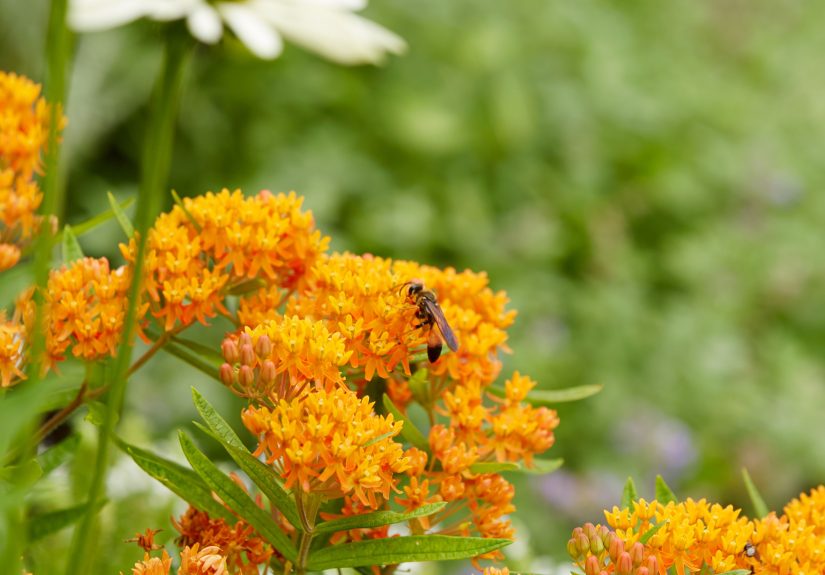
Butterfly weed (Asclepias tuberosa) is the traffic-cone orange wildflower that turns a regular bed into a pollinator pit stop. It’s tough, drought-tolerant, loved by bees and butterflies, and totally unbothered by poor soilas long as the site drains well. Give it sun, give it space, and then get out of its way.
Butterfly weed at a glance
- Botanical name: Asclepias tuberosa (a North American native milkweed).
- USDA hardiness: Zones 3–9.
- Size: Typically 1–2.5 ft tall, 1–2 ft wide; mounded habit.
- Bloom: Flat-topped clusters of vivid orange (sometimes yellow-orange) in early to mid-summer.
- Sun/soil: Full sun; thrives in dry, well-drained, even sandy or gravelly soils.
- Wildlife value: Nectar magnet for many pollinators; host plant for monarch caterpillars (plant several for meaningful habitat).
- Taproot alert: Deep taproot means it dislikes transplanting; choose the final spot carefully.
Where butterfly weed thrives (site selection)
Pick a full-sun location (6–8+ hours) with sharp drainage. This species naturally occurs in dry, rocky glades and prairies, so soggy clay is a no-go. Neutral to slightly alkaline soil is fine; fertility can be leanexcess nitrogen only feeds leaves, not flowers.
Planting: seeds vs. transplants
Starting from seed
Best windows: direct-sow in late fall (nature handles the chill), or start indoors after a brief “winter.” Most native milkweeds, including butterfly weed, respond well to 30 days of cold, moist stratification (refrigerator method). Sow seeds about ¼ inch deep, keep evenly moist, then provide warmth and light; germination typically follows in a few weeks.
Be patient: plants grown from seed often take 2–3 years to flower. They’re building that taproot first, then the fireworks.
Spacing: Set seedlings or thinned volunteers 12–24 inches apart for air circulation and a tidy clump.
Planting nursery starts
Container-grown plants are convenient, but handle gentlyroots hate disturbance. Plant at the same depth, water to settle, and keep the soil lightly moist until established, then taper off. After that, water deeply but infrequently.
Pro tip: Choose the forever home on day one. Butterfly weed is notorious for glowering at people who try to move it later.
Care: water, feeding & mulch
Water: Once established, butterfly weed is drought tolerant. Overwatering invites root issues; underwatering is rarely a problem.
Fertilizer: Skip it. This prairie native performs best in low-to-average fertility; heavy feeding encourages leafy growth at the expense of bloom.
Mulch: A light gravel or leaf mulch is fine, but don’t smother crowns. The key is drainage.
Maintenance: deadheading, pods & pruning
Deadhead to extend the bloom show, but consider leaving some late-season flowers to set pods for seed (and snacks for wildlife). If you don’t want volunteer seedlings, remove pods before they split and the silky seeds parachute away. Plants form clumps, not running colonies, but they will self-sow if happy.
Cut back old stems in late winter or very early spring; new growth emerges late, so don’t panic if neighbors leaf out first.
Propagation: what works (and what to skip)
From seed: Reliable and economicalsee stratification notes above.
Division: Hard pass. That deep taproot makes division difficult and generally not recommended.
Root cuttings: Feasible for experienced growers: in fall, cut 2-inch sections of the taproot, plant vertically, keep evenly moist until growth resumes.
Pests & problems (and how to be monarch-safe)
The most common nuisance is the oleander aphid (Aphis nerii): orange clusters along stems and buds. Start with nonchemical tacticshand wipe, blast with water, or use insecticidal soap when caterpillars aren’t present. Encourage beneficial insects and avoid unnecessary fertilizing (soft, sappy growth = aphid buffet).
Avoid systemic insecticides (especially neonicotinoids) on milkweed and nearby nectar plants; they’re linked to sub-lethal and lethal effects on monarchs and other pollinators. If you must treat something else in the garden, choose the least toxic option and time applications when butterflies aren’t active.
Culture beats cure: plant in well-drained soil and don’t overwater. This species is adapted to dry, lean sites and generally shrugs off disease under those conditions.
Companions & design ideas
Pair butterfly weed with natives that enjoy sun and sharp drainage: purple coneflower, black-eyed Susan, Liatris, and short native grasses like little bluestem. You’ll get layered bloom, sturdy structure, and nonstop pollinator traffic.
Have a wetter spot? Add swamp milkweed (Asclepias incarnata) there and keep butterfly weed up on the drier moundsame monarch mission, right plant/right place.
Wildlife value: why it matters
Milkweeds are the host plants for monarch caterpillars. Nectar-rich blooms also feed native bees, other butterflies, and more. Planting several clumps (or mixing in additional native milkweeds) transforms a yard into real habitat.
Safety & toxicity
As with other milkweeds, parts of butterfly weed contain cardiac glycosides and resinoids. Ingesting large quantities can cause GI upset and more serious symptoms; sap may irritate skin and eyes. Keep plants away from curious pets and children, and wear gloves if you’re sensitive.
For household pets (dogs/cats), milkweeds are considered toxicprevention beats vet bills.
Quick planting recipe (step-by-step)
- Choose a full-sun, fast-draining spot; loosen soil 8–12″ deep.
- Start seeds after 30 days of cold, moist stratification; sow ¼” deep. Or plant a nursery start carefully, keeping the root ball intact.
- Space plants 12–24″ apart; water to settle.
- Establish with regular but not soggy moisture for a few weeks, then water deeply only during prolonged drought.
- Maintain by deadheading early, collecting pods if you want fewer volunteers, and cutting back stems in late winter.
- Protect monarchs by avoiding systemic insecticides; rely on manual/least-toxic aphid control.
FAQ
Will monarchs actually use butterfly weed?
Yesmonarchs lay eggs on milkweeds, including A. tuberosa. For more impact, plant multiple clumps and include other native milkweed species suited to your site.
Does butterfly weed spread?
It’s clump-forming (not rhizomatous) and stays put, but it will self-seed if you let pods ripen and split. Remove pods early if you prefer a tidier look.
Can I grow it in containers?
Possible in a deep pot with excellent drainage, but long-term performance is better in the ground because of the deep taproot.
of field-tested know-how: real-world “what actually works”
Start more than you think you need. Gardeners aiming for visible monarch activity don’t stop at one plant. A dozen or more butterfly weed plantsor a mix of 6–8 butterfly weed plus swamp milkweed for wetter spotscreates a mosaic that’s easier for monarchs to find and use. Staggered spacing (12–18 inches) builds a dense nectar patch without sacrificing airflow.
Let fall do the stratifying when you can. Direct-sowing in November saves you fridge space and mimics nature. The cold, moist winter sets seeds up for spring germination; mark the area so you won’t weed out your own seedlings in April. If you’re spring-starting indoors, 30 days of cold, moist stratification plus a warm, bright setup produces sturdy, stocky starts.
Plant it once, plant it right. Butterfly weed sulks if transplanted after its taproot digs in. That’s why many seasoned growers start several plugs in cell trays, then install them where they’ll live forever rather than “parking” them in a holding bed. Nursery starts are finejust avoid teasing roots apart. If you’re trialing cultivars (like ‘Hello Yellow’), give each variety its own patch for easy comparison and seed control.
Water philosophy: front-load, then back off. The only time this plant wants regular sipping is the first few weeks after planting. After establishment, deep, infrequent watering during long dry spells is better than frequent sprinkles. In heavy soils, elevate beds or mix in mineral grit to keep crowns dry through summer thunderstorms.
Aphids happendon’t panic. A few oleander aphids are normal. If they explode, first hose them off or squish clusters wearing gloves. Avoid blanket sprays: soaps and oils can be useful only when caterpillars and eggs are not present. Planting companion flowers (dill, alyssum) nearby invites hoverflies and lacewings that vacuum aphids for you. And skip high-nitrogen feedlush new growth is aphid catnip.
Leave some stems over winter. The tidy instinct is strong, but hollow stems and leaf litter shelter native bees and beneficials. Clean up in late winter just before new growth pushes. Bonus: you’ll spot and collect ripened pods for next year’s seed trades.
Be pesticide-savvy when shopping. Even well-intentioned garden centers may sell plants pre-treated with systemic insecticides. Ask for neonic-free stock, or start from seed to be sure. Your monarchs will thank you (silently, with wings).
Root cuttings = advanced mode. If you’re building numbers quickly and you already have mature clumps, fall root cuttings can work: 2-inch vertical sections, barely covered, kept evenly moist until growth resumes. It’s not essential, but it’s a handy trick once you’re hooked.
Conclusion
Butterfly weed is a set-and-admire perennial: it wants sun, drainage, and elbow room. In return, you get months of neon bloom and a front-row seat to the busiest pollinator show in town. Plant several, skip the pesticides, and let this milkweed do what it does bestfeed your local ecosystem.
SEO wrap-up
sapo: Butterfly weed is the tough, blazing-orange milkweed that pollinators adore. This in-depth guide covers everythingfrom picking a sunny, well-drained site and starting seeds with quick cold stratification, to spacing, watering, and monarch-safe aphid control. Get pro tips on deadheading, pods, and when (not) to transplant so your patch thrives for years.