Table of Contents >> Show >> Hide
Generated with GPT-5.4 Thinking
Growing rice indoors sounds a little rebellious, doesn’t it? Tomatoes on a windowsill feel normal. Basil in a kitchen pot feels downright wholesome. But rice? That sounds like your houseplants and your pantry got together and came up with a side hustle. The good news is that indoor rice growing is absolutely possible. The even better news is that it is fascinating, surprisingly pretty, and a fantastic way to learn how one of the world’s most important grains actually grows.
That said, let’s set expectations before your inner farmer orders a tiny combine harvester. Indoor rice is best treated as a hobby crop, an educational project, or a small-batch experiment. You can grow it in containers, watch it move through real rice growth stages, and even harvest a modest amount of grain. What you probably will not do is feed your whole household from one sunny corner of the living room. This is more “botanical flex” than “food security strategy.”
Can You Really Grow Rice Indoors?
Yes, but success depends on copying the conditions rice likes outdoors: warmth, strong light, steady moisture, and enough room for the plants to tiller and mature. Rice is a grass, and once it gets established, it looks a bit like a handsome, upright ornamental grass with ambition. Later, when panicles form, it finally starts looking like the grain crop it is.
The biggest challenge indoors is not water. Rice and water are old friends. The real challenge is light. Rice is not a “dim apartment and positive vibes” type of plant. If you try to grow it in a gloomy corner, it will respond with weak growth, pale leaves, and disappointment. A bright south-facing window can help, but most indoor growers get better results by combining natural light with a grow light.
What Rice Needs Before You Start
1. Viable Rice Seed
Start with viable, untreated seed rice from a reputable supplier whenever possible. That gives you the best chance of getting uniform germination and healthy plants. Pantry rice is a gamble, and polished white rice is not the place to pin your agricultural dreams.
2. A Wide Container
Rice grows best when it has horizontal room, not just depth. A wide plastic tub, nursery container, or waterproof planter works better than a tall, skinny pot. You need enough space for several plants to establish, tiller, and hold moisture without becoming cramped. One practical setup is a container with drainage holes placed inside a larger waterproof tray or tub so you can control standing water more easily.
3. A Light Potting Mix
Use a high-quality potting mix or soilless container medium rather than garden soil. Garden soil gets dense and compact in containers, which is bad news for roots and bad news for your patience. Rice likes moisture, but even moisture is not the same thing as concrete disguised as dirt.
4. Strong Light
If you have a very bright window, great. If not, use a grow light. Keep the light source close enough to stay effective without overheating the plants. A timer is your friend here. Rice is much happier under a consistent schedule than under a “whenever I remember to flip the switch” system.
5. Warm Temperatures
Rice germinates and grows best in warm conditions. Think cozy, not drafty. A chilly windowsill in winter is basically a polite way of asking the seed not to bother. During germination and early growth, steady warmth makes a major difference.
6. Regular Water and Light Feeding
Container plants lose nutrients fast because frequent watering flushes them out. Rice indoors benefits from gentle, regular feeding with a balanced fertilizer used according to the label. Heavy-handed fertilizing is not a shortcut. It is just a faster route to lush leaves, possible nutrient issues, and very smug algae.
How to Plant Rice Indoors Step by Step
Step 1: Soak the Seed
Many growers pre-soak rice seed to kick-start germination. A simple soak in water for about a day is a smart place to begin. Some rice-growing systems use pre-germinated seed after soaking and draining, which can speed up emergence. If you try this, handle sprouted seed gently. Tiny roots are not known for emotional resilience.
Step 2: Prepare the Container
Fill your container with pre-moistened potting mix. The medium should be damp all the way through before planting, not dry in the middle like a cake that lied on its résumé. Level the surface so watering will stay even. Rice does not love random dry pockets.
Step 3: Sow the Seed
Scatter the seed across the surface with modest spacing, then cover it lightly with potting mix. You do not need military precision. You do need restraint. If you sow far too densely, the seedlings will compete for light and become crowded before the fun part begins.
Step 4: Keep the Soil Evenly Moist at First
During germination and the earliest seedling stage, keep the medium moist rather than deeply flooded. This matters. Rice can germinate under water, but for home container growing, constantly saturated conditions too early can raise the odds of rot and weak establishment. At this stage, think “consistently wet” rather than “miniature swamp documentary.”
Step 5: Give the Seedlings Serious Light
As soon as seedlings emerge, place them in the brightest available location and use a grow light if needed. A good rule for indoor seed starting is roughly 16 hours of supplemental light each day, with 18 hours as a practical upper limit for many home setups. Keep the fixture only a few inches above the tops of the seedlings and raise it as they grow. If the plants stretch, they are voting for more light.
Step 6: Transition to Shallow Standing Water
Once the plants reach the 3- to 4-leaf stage, you can begin maintaining shallow standing water. Start with about 1 inch of water and gradually increase to around 2 to 4 inches as the plants get taller and better rooted. That mirrors the general principle used in rice production: establish the seedlings first, then maintain a shallow flood. Going too deep too early can reduce tillering and slow things down.
Step 7: Feed Lightly but Regularly
After the plants are established, start feeding with a balanced all-purpose fertilizer at a light rate, following the product label. In containers, weaker but more frequent feeding often works better than occasional heavy doses. Rice needs nutrients, especially nitrogen, but overdoing it can create a jungle of leaves with less impressive grain production later.
Step 8: Improve Airflow
A small fan set to a gentle setting can help strengthen seedlings and reduce stale, humid air around the plants. You do not need a wind tunnel. Just enough movement to keep the plants from acting like they were raised entirely by indoor lighting and compliments.
What Happens After Planting?
First comes seedling growth. Then, once the plants reach the 3- to 4-leaf stage, tillers begin to form. Tillers are side shoots that emerge from the base of the plant, and they matter because more productive tillers can mean more panicles later. This is the stage when rice suddenly stops looking like a cute experiment and starts looking like it has plans.
After the vegetative stage, the plant enters reproductive development. Panicles begin forming, then emerge, flower, and fill grain. Indoors, this part requires patience and stable conditions. Strong light remains essential, and consistent water matters even more. Rice is especially sensitive to water shortage around flowering, so this is not the moment to forget the container for a weekend and hope for plant-level forgiveness.
Best Indoor Rice Growing Tips
Use More Light Than You Think You Need
Indoor gardeners almost always underestimate light. Rice is not trying to be difficult; it is just biologically honest. More light usually means sturdier plants, better color, and a much better chance of getting grain instead of just decorative grass energy.
Do Not Flood Too Early
One of the most common mistakes is adding standing water immediately after sowing. It feels logical because rice is associated with paddies, but young plants need to establish first. Moist early, shallow flood later is the more reliable rhythm for a home setup.
Choose a Wide Container
Rice does not need a skyscraper pot. It needs room to spread, tiller, and stand upright. Wider containers also make water management easier and look much less awkward than one lonely clump of rice stranded in a deep decorative planter.
Expect a Small Harvest
Indoor rice can be deeply satisfying, but it is rarely a high-yield venture. Treat any harvested grain as a bonus, not a birthright. The real reward is seeing the full life cycle of a staple crop from seed to panicle in your own home.
Common Problems and Easy Fixes
Pale, Stretchy Seedlings
Cause: Not enough light.
Fix: Move the plants closer to a stronger light source and extend the light schedule.
Seeds Rotting or Patchy Germination
Cause: Too much standing water too soon, weak seed, or cool conditions.
Fix: Start with viable seed, keep the medium moist rather than flooded, and maintain warmth during germination.
Lots of Leaves, No Grain
Cause: Insufficient light, too much nitrogen, or a season that never really got warm and bright enough.
Fix: Increase light intensity, feed moderately, and keep conditions stable through maturity.
Plants Drying Out Fast
Cause: Warm indoor conditions and container culture.
Fix: Check water daily, especially once the plants are larger. Container crops can go from “fine” to “dramatic” with shocking speed.
How to Harvest Indoor Rice
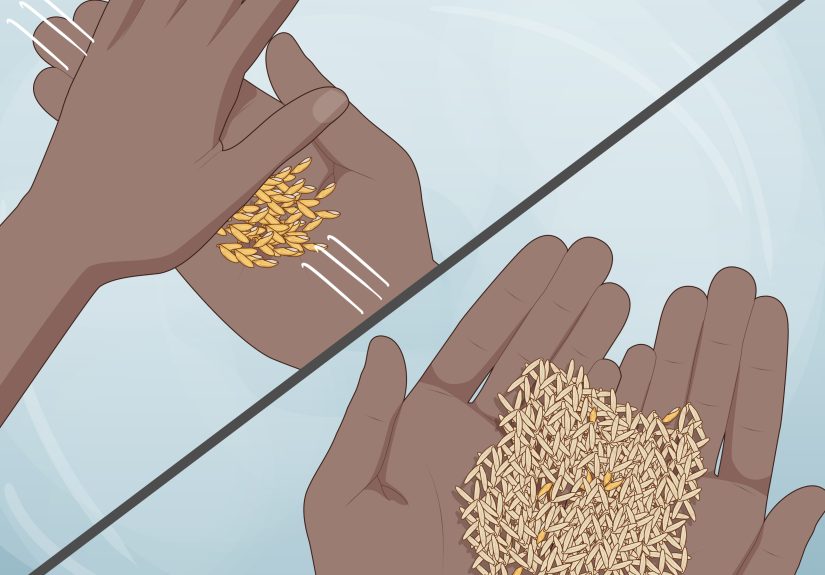
When the panicles turn from green to golden or tan and the grains feel firm, you are getting close. At that point, reduce water, let the plants dry down a bit, and cut the stalks. Bundle them loosely and dry them in a warm, airy place. After drying, you can thresh by hand, rubbing the heads to release the grain. Hull removal is another step, and it is not glamorous. This is the point where indoor rice growing stops being a gardening project and becomes a lesson in why humans invented tools.
Even if your harvest is small, it is still impressive. You took a grain most people only meet in a bag, gave it light and water and patience, and turned it back into a living crop. That is not nothing. That is excellent weekend-nerd energy.
Indoor Rice Growing Experiences: What It Actually Feels Like
One of the most interesting experiences people have with indoor rice is how quickly the project changes from novelty to obsession. At first, it feels like a quirky experiment. You soak a handful of seed, press it into damp mix, and think, “This will either be brilliant or deeply embarrassing.” Then the seedlings emerge, and suddenly you are checking on rice before coffee like it is a tiny green stock market. The first emotional phase is usually germination anxiety. Is it too wet? Too dry? Too cool? Did the seed fail? Then the shoots appear and all that stress gets replaced by ridiculous pride over what is, objectively, glorified grass.
The second common experience is realizing how much indoor growing is really about light management. People often begin with optimism and a bright window, then discover that rice is not impressed by optimism. The plants lean, stretch, and politely demand a grow light. Once stronger lighting is added, the change can be dramatic. Leaves get greener, stems look sturdier, and the whole planting starts to feel less like a science fair rescue mission. Many growers say this is the point when they realize rice indoors is genuinely possible, not just theoretically possible.
Another recurring experience is surprise at how elegant the plants become. Rice has a clean, upright habit, and when several plants start tillering in a container, they can look beautiful in a minimalist, architectural way. People expecting a muddy mess are often shocked that the setup can look neat and even decorative. Of course, the opposite experience also exists: the moment you realize you have created a shallow indoor wetland and now must explain it to anyone who visits your home. Both realities can be true.
Then comes the patience test. Rice is not a crop for people who need constant fireworks. There are stretches where the plants look almost the same every day, and you wonder whether anything important is happening. Something is. Rice teaches you to notice small changes: a new leaf, the start of tillering, a stronger stem, a shift in color, the first hint of reproductive growth. When panicles finally emerge, it feels earned. Not dramatic in the way a sunflower blooms, but deeply satisfying in the way a long-running project finally says, “Yes, that work counted.”
The harvest experience is often equal parts joy and humility. Joy, because you actually grew rice indoors, which still sounds like a sentence invented during a dare. Humility, because processing grain by hand makes you appreciate every person and every machine involved in agriculture. Even a tiny handful of rice can feel strangely meaningful after months of care. That is really the heart of the indoor rice experience. It is part gardening, part botany lesson, part patience training, and part quiet appreciation for one of the world’s most important foods.
Conclusion
Planting rice indoors is not the fastest way to grow food, but it may be one of the most memorable. With viable seed, a wide container, strong light, warm conditions, and careful water management, you can take rice from seed to harvest in your own home. The trick is respecting what rice actually needs instead of relying on the cartoon version of a rice paddy. Keep it warm, give it more light than you think, flood only after the seedlings establish, and feed lightly but consistently. Do that, and your indoor rice project can go from “funny idea” to “why is this working so well?”