Table of Contents >> Show >> Hide
- Why Fall Pruning Can Backfire
- First Rule: Know Whether Your Shrub Blooms on Old Wood or New Wood
- What You Can Safely Prune in Fall
- What to Avoid Pruning in Fall
- How to Prune Shrubs in Fall the Right Way
- Branch-by-Branch Shaping Beats the “Green Meatball” Method
- What to Do With Overgrown Shrubs
- Common Fall Pruning Mistakes
- A Simple Fall Shrub Pruning Checklist
- The Smartest Fall Mindset: Tidy, Don’t Transform
- Extra Experience and Practical Lessons From Real Fall Pruning
- Conclusion
Fall has a sneaky way of making every yard look like it needs a haircut. The leaves drop, the branches show themselves, and suddenly you’re out there holding pruners like a suburban samurai. But when it comes to shrubs, autumn is not always the right time to start snipping. In fact, the wrong cut in fall can quietly sabotage next spring’s flowers, trigger tender new growth that gets blasted by winter, or leave evergreens looking like they lost a bet.
The good news is that fall pruning is not forbidden. It just needs a little strategy and a lot less enthusiasm. If you know which shrubs bloom on old wood, which ones bloom on new wood, and which branches deserve a one-way ticket out of the plant, you can tidy your landscape now without sacrificing next year’s growth.
This guide breaks down exactly how to prune shrubs in fall without causing trouble later. We’ll cover what you can cut, what you absolutely should leave alone, how to shape a shrub without turning it into a green meatball, and what to do instead if a full pruning job needs to wait until late winter or right after bloom. Your shrubs can still look neat this season without paying for it next year.
Why Fall Pruning Can Backfire
The biggest mistake homeowners make is treating every shrub the same. Shrubs do not appreciate that. Some form next year’s flower buds on stems they grew this year, which means those buds are already sitting on the plant by fall. If you prune those stems now, you are not “tidying up.” You are quietly deleting next spring’s bloom show before tickets even go on sale.
Other shrubs bloom on new wood, meaning they flower on growth produced the following spring. Those plants usually handle pruning best in late winter or early spring, not during fall cleanup. Why? Because pruning in late summer or early fall can stimulate soft new growth. That fresh growth often does not harden off before freezing weather arrives, making the plant more vulnerable to winter injury, dieback, and an overall bad attitude.
Evergreen shrubs are even touchier. A heavy fall trim can leave them more exposed to winter burn, drying winds, and cold damage. So while fall feels like the season for “getting everything done,” shrub pruning often rewards patience more than hustle.
First Rule: Know Whether Your Shrub Blooms on Old Wood or New Wood
If you remember only one thing from this article, make it this: prune based on when the shrub forms flower buds.
Shrubs that bloom on old wood
These shrubs set their flower buds on the previous season’s growth. By fall, next year’s flowers are already in place. Pruning them in fall, winter, or very early spring usually means fewer blooms.
Common examples include:
- Forsythia
- Lilac
- Azalea
- Rhododendron
- Weigela
- Some viburnums
- Spirea varieties that bloom in spring
These shrubs are usually best pruned right after they finish flowering in spring or early summer.
Shrubs that bloom on new wood
These shrubs flower on growth produced in the current growing season. They usually respond best to pruning in late winter or early spring, just before vigorous new growth begins.
Common examples include:
- Rose of Sharon
- Butterfly bush
- Beautyberry
- Some shrub roses
- Potentilla
- Smooth hydrangea and panicle hydrangea
- Crape myrtle in regions where it is commonly grown
Even with new-wood bloomers, fall is usually not the ideal time for major pruning. The calendar matters almost as much as the shrub type.
What You Can Safely Prune in Fall
Now for the practical question: what is actually fair game in autumn? Quite a bit, as long as you focus on cleanup and restraint rather than dramatic shaping.
1. Dead, damaged, and diseased wood
This is the easiest yes. Branches that are dead, broken, cracked, rubbing badly, or clearly diseased should be removed. These stems are not helping the plant, and they may create entry points for pests or disease. If a branch snapped in a storm, is hanging awkwardly over a walkway, or has obvious dieback, go ahead and remove it with a clean cut.
2. Crossing and rubbing branches
If two branches are scraping against each other, one of them needs to go. That constant friction wounds bark, opens the door to disease, and creates structural problems later. Think of it as breaking up a bad relationship before it ruins the whole household.
3. Water sprouts and obvious suckers
Fast, upright shoots shooting out from the interior, and suckers at the base of the plant, can often be removed if they are clearly unwanted. These shoots usually contribute little to the shrub’s natural form and can steal energy from better-placed growth.
4. Light branch-by-branch shaping
If a shrub has one or two wildly long stems sticking out like antennae, you can shorten those selectively by cutting back to a side branch or outward-facing bud. This is very different from shearing the whole plant into a perfect dome. Light correction is fine. Full makeover? Save that for the proper season.
5. Safety pruning
If branches are blocking paths, touching the house, scraping windows, or creating a hazard, correct the issue. Plants are important, but so is being able to exit your front door without getting slapped by a viburnum.
What to Avoid Pruning in Fall
Spring-blooming shrubs
If your shrub flowers before summer or carries showy spring blooms, avoid major fall pruning. Those buds are likely already formed. A fall haircut can equal a flowerless spring.
Evergreen shrubs
Skip major pruning on broadleaf and needled evergreens in fall, especially boxwood, yew, rhododendron, and similar plants. Late cuts can encourage vulnerable new growth or increase winter damage.
Newly planted shrubs
If a shrub was planted recently, resist the urge to “shape it up.” New shrubs need as much healthy leaf area as possible to support root establishment. Remove only broken or damaged stems. Otherwise, let the plant settle in before asking it to audition for topiary school.
Heavy rejuvenation cuts
Cutting an overgrown shrub almost to the ground or removing a large percentage of live growth is usually a late-winter or early-spring job. Heavy fall pruning can stress the plant and reduce next year’s bloom, especially on old-wood shrubs.
How to Prune Shrubs in Fall the Right Way
Step 1: Identify the shrub before you cut
Do not start pruning mystery shrubs at random. Identify the plant, then find out whether it blooms on old wood or new wood. That one step prevents most pruning regrets. If you do not know what the shrub is, play it safe: remove only dead or damaged wood and postpone major shaping until you can identify it.
Step 2: Use the right tools
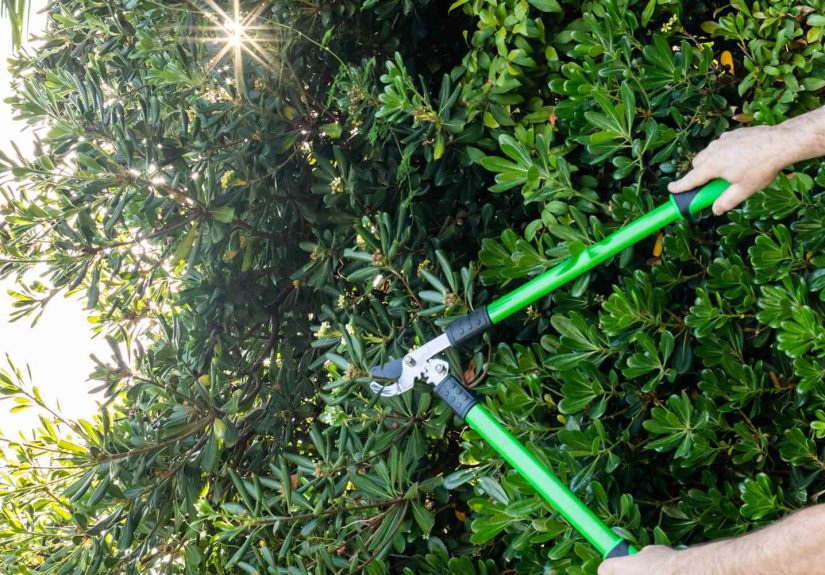
Sharp tools make clean cuts, which heal better than ragged tears. For most shrub work, bypass hand pruners are the best choice for small stems. Loppers help with thicker branches. Hedge shears should be reserved mainly for formal hedges, not casual shrub shaping. If you shear everything, the plant often gets dense on the outside, woody on the inside, and less attractive over time.
Step 3: Sanitize when disease is involved
If you are cutting out diseased wood, disinfect the blades between cuts or between plants. A quick wipe or dip with rubbing alcohol is a common, practical method. The goal is to avoid spreading problems from one branch or plant to another.
Step 4: Start with the problem wood
Remove dead, damaged, diseased, and rubbing branches first. That alone often improves the shrub more than you expected. It also helps you see the plant’s natural structure before you make any optional cuts.
Step 5: Make thinning cuts, not random stubs
Whenever possible, cut back to a branch union, side branch, or outward-facing bud. This is called pruning with intention, which sounds fancy but mostly means “don’t leave awkward sticks sticking out.” Thinning cuts preserve a more natural shape and usually avoid the burst of dense outer growth caused by repeated shearing.
Step 6: Keep it light
Fall pruning is not the time to remove a huge amount of healthy live growth. Think cleanup, not reconstruction. If the shrub truly needs renovation, make a note and schedule proper renewal pruning for late winter or early spring, depending on the species.
Branch-by-Branch Shaping Beats the “Green Meatball” Method
Let’s talk about shearing. It is quick. It is satisfying. It also causes a surprising amount of long-term trouble when used on the wrong shrubs. Repeated shearing pushes growth to the outside of the plant, shades the interior, reduces airflow, and creates a woody shell with fewer flowers. Over time, your shrub can end up looking neat from across the yard and exhausted from up close.
A better method is branch-by-branch shaping. Instead of clipping the entire exterior into a uniform outline, shorten select stems back inside the shrub to a branch union or bud. This keeps the plant’s natural form, improves light penetration, and avoids the “I trimmed it with kitchen scissors while wearing a blindfold” look.
If you maintain formal hedges, some shearing is part of the job. Even then, keep the hedge slightly narrower at the top and wider at the base so lower growth still receives light. Otherwise, the bottom thins out and the hedge develops bare legs like a badly styled houseplant runway model.
What to Do With Overgrown Shrubs
If a shrub has gone from “pleasant backdrop” to “small forest with opinions,” fall is still not your best season for aggressive rescue work. Overgrown deciduous shrubs are often better handled with renewal or rejuvenation pruning in late winter or early spring.
One common method is the one-third approach. Each year, remove about one-third of the oldest, thickest stems at ground level. Over a three-year period, the shrub is gradually renewed without shocking it all at once. This works well for many multi-stemmed shrubs such as lilac, forsythia, and redtwig dogwood, though bloom may be reduced depending on timing and type.
If you try that level of pruning in fall, especially right before winter, you may invite dieback, lose flower buds, or stimulate growth at the wrong time. The smartest fall move is usually to mark the plant mentally, clean up the obvious problem wood, and come back during the right pruning window.
Common Fall Pruning Mistakes
- Pruning everything because the leaves are gone. Visibility improves in fall, but that does not mean the timing is correct.
- Shearing spring bloomers. This is the fastest route to fewer flowers next year.
- Doing major cuts in early fall. Warm weather after pruning can trigger fresh growth that gets zapped by frost.
- Ignoring plant type. Boxwood, lilac, hydrangea, viburnum, and butterfly bush do not all want the same treatment.
- Using dull tools. Torn bark and ragged cuts are not a gift to the plant.
- Pruning newly planted shrubs too hard. New roots need support from healthy top growth.
- Turning every shrub into a ball. Nature did not design every landscape plant to resemble a green bowling pin.
A Simple Fall Shrub Pruning Checklist
- Identify the shrub.
- Confirm whether it blooms on old wood or new wood.
- Sharpen and clean your tools.
- Remove dead, damaged, diseased, and rubbing branches.
- Take out obvious suckers and poorly placed shoots.
- Do only light shaping if necessary.
- Skip major pruning on spring-blooming shrubs and evergreens.
- Schedule heavy pruning for the correct season.
The Smartest Fall Mindset: Tidy, Don’t Transform
If you approach fall shrub pruning like a light edit instead of a total rewrite, you will avoid most problems. The goal is to improve plant health, remove trouble spots, and preserve the buds and wood your shrub needs for next year’s performance. Fall is a great time to observe structure and fix obvious issues, but it is not usually the season for dramatic design decisions.
So yes, you can prune shrubs in fall without hurting next year’s growth. You just need to prune selectively. Remove the dead stuff. Correct the dangerous stuff. Resist the urge to over-shape. And when in doubt, remember this golden rule: if a shrub blooms in spring, your fall pruners should mostly stay in their holster.
Extra Experience and Practical Lessons From Real Fall Pruning
One of the most useful lessons gardeners learn is that shrubs often look worse right after leaves fall than they actually are. A branch that seemed “messy” in October may turn out to be full of buds for spring bloom. A shrub that looked uneven in November may leaf out beautifully in April and hide half the issues you were ready to attack. That is why experienced gardeners often slow down in fall. They know the bare structure reveals a lot, but it can also tempt you into solving problems that are not really problems.
A common real-world example is the overgrown lilac. In autumn, it may look crowded, leggy, and far too tall for the space. The first impulse is to shear the top down and square off the sides. That usually creates a neat silhouette for winter, but it also removes the tips carrying next spring’s bloom. Then spring arrives, and instead of a fragrant wall of flowers, you get leaves and disappointment. A better fall move is to remove dead wood, maybe take out one or two of the oldest canes if they are clearly failing, and save the main renovation for right after flowering or during the appropriate renewal window.
Another frequent situation involves boxwood and other evergreens. After a long summer, they may have a few lanky shoots that make the plant look untidy. Light touch-up pruning might seem harmless, but aggressive trimming late in the season can expose inner foliage and encourage tender new tips that are more vulnerable to winter injury. Gardeners who have been through one rough winter with browned edges tend to become very respectful of timing after that.
There is also the hedge problem. Homeowners often inherit hedges that have been sheared into perfect shapes for years. From outside, they look tidy. Inside, they can be a maze of dead twigs and empty space. In fall, that hidden structure becomes easier to see. The smart response is not always “cut harder.” Sometimes the better plan is to thin selectively, improve light penetration, and map out a longer-term renovation over multiple seasons. Shrubs respond surprisingly well to patience and surprisingly badly to panic.
Professional-looking results usually come from restraint. Gardeners with the healthiest shrubs tend to make fewer cuts, but better ones. They step back often. They cut to a bud or side branch instead of leaving stubs. They avoid pruning just because they are already outside wearing gloves and feeling productive. In other words, they prune with purpose, not momentum.
If you want a simple habit that improves fall pruning immediately, try this: after every few cuts, stop and look at the whole shrub again. That pause prevents over-pruning and helps you see whether you are improving the plant’s natural form or just chasing symmetry. Shrubs rarely need perfection. They need structure, airflow, and the right seasonal timing. Give them that, and next year’s growth will thank you without saying a word.
Conclusion
Pruning shrubs in fall is less about doing a lot and more about doing the right little things. Remove damaged wood, fix structural issues, and leave major shaping for the season that matches the shrub’s bloom cycle. If you respect old wood, avoid pushing late tender growth, and skip the all-over shearing habit, your shrubs can head into winter healthier and come back stronger in spring. In the gardening world, that counts as a very good deal.