Table of Contents >> Show >> Hide
- What Is an Intercostal Muscle Strain?
- Why Sleeping Is So Hard with This Injury
- Best Sleep Positions for an Intercostal Muscle Strain
- How to Set Up Your Bed for Less Pain
- How to Reduce Pain Before Bed
- How to Heal Faster During the Day
- How Long Does an Intercostal Muscle Strain Take to Heal?
- When It Might Not Be “Just a Strain”
- What Recovery Often Feels Like: Common Experiences People Report
If you have ever pulled a muscle between your ribs, you already know the rude truth: an intercostal muscle strain does not believe in personal space. It hurts when you laugh, cough, sneeze, twist, reach, and sometimes when you simply exist too enthusiastically. Then nighttime arrives, and suddenly the basic act of lying down feels like a complicated engineering project.
The good news is that many intercostal muscle strains do improve with time, smart positioning, activity changes, and a little patience. The less-fun news is that healing tends to go faster when you stop doing the exact things your body is begging you not to do. In other words, this is not the week to win a dramatic pillow-flipping contest in bed.
This guide explains how to sleep with an intercostal muscle strain, which positions usually feel best, how to calm the pain enough to rest, and what habits may help you heal faster. It also covers when rib-area pain may be something more serious than a simple strain.
What Is an Intercostal Muscle Strain?
Your intercostal muscles sit between your ribs and help your chest expand and contract when you breathe. When these muscles stretch too far or tear, the result is an intercostal muscle strain. This kind of injury can happen after hard exercise, forceful twisting, heavy lifting, repetitive movement, intense coughing, or even one spectacularly bad sneeze that seems almost too petty to cause so much pain.
Common symptoms include sharp or aching pain in the ribs or chest wall, tenderness when you touch the area, pain that gets worse with deep breathing, coughing, sneezing, bending, or twisting, and sometimes swelling, bruising, or muscle tightness. Because chest pain can have many causes, it is important not to assume every rib-area pain is “just a pulled muscle.”
Why Sleeping Is So Hard with This Injury
Sleeping with an intercostal muscle strain is tricky because your ribs move every time you inhale. Even small position changes can stretch irritated tissue. Rolling over can feel like your body accidentally hit the “surprise pain” button. On top of that, when pain wakes you repeatedly, your muscles may tense up even more, which makes it harder to relax and fall back asleep.
Many people also start taking shallow breaths without realizing it because deep breaths hurt. That can leave your chest feeling tight and your sleep feeling restless. The goal at bedtime is to reduce unnecessary rib motion, keep the chest supported, and find a position that lets you breathe comfortably without constantly aggravating the strain.
Best Sleep Positions for an Intercostal Muscle Strain
1. Sleep on Your Back with Your Upper Body Slightly Elevated
For many people, this is the most comfortable option. Sleeping on your back keeps your torso more neutral and reduces the twisting that often makes rib pain worse. Elevating your upper body a little with a wedge pillow or a few stacked pillows may also make breathing feel easier and reduce the discomfort that comes from lying flat.
Aim for a gentle incline, not a mountain expedition. You want support behind your upper back and shoulders, plus a small pillow under your knees if that helps your lower back stay relaxed. If you have a recliner and it feels comfortable, it can be a temporary MVP during the first few rough nights.
2. Sleep on Your Non-Injured Side with Pillow Support
If back sleeping is not your thing, side sleeping on the non-injured side is often the next best choice. Place a pillow in front of your chest and hug it lightly. This can help limit rotation through the rib cage and give your upper body a more secure, less floppy feeling. You can also place a pillow behind your back to stop yourself from rolling around like a rotisserie chicken at 2 a.m.
Some people do better with another pillow between their knees to keep the spine and torso aligned. The less twisting through your trunk, the happier your ribs usually are.
3. Try the Painful Side Only If It Actually Feels Better
This is where things get a little less one-size-fits-all. In some chest pain conditions, lying on the painful side can reduce rib motion and feel more comfortable. With an intercostal muscle strain, some people find light pressure on the sore side oddly calming, while others feel like they have made a terrible life choice within 14 seconds.
If you try this, use soft pillow support and stop immediately if it increases pain, makes breathing harder, or causes numbness, tingling, or severe discomfort. Comfort wins. Pride can sleep elsewhere.
4. Avoid Stomach Sleeping
Stomach sleeping usually puts your chest, shoulders, and torso in a rotated position, which can pull on the rib cage and make an intercostal muscle strain angrier. It also tends to encourage awkward neck and upper-back posture. In short, this is probably not the time to sleep face-down like a dramatic Victorian fainting scene.
How to Set Up Your Bed for Less Pain
Use Pillows Like You Mean It
Pillows are not just fluffy decoration right now. They are your nighttime support team. Try these setups:
- Behind your upper back: for gentle elevation.
- Under your knees: if back sleeping feels stiff in your lower back.
- In front of your chest: to hug while side sleeping.
- Behind your back: to prevent rolling.
Keep Essentials Within Reach
Before bed, place water, your phone, any approved pain medicine, and an extra pillow nearby. The fewer times you have to twist, sit up suddenly, or perform midnight acrobatics, the better.
Practice the Log Roll
When getting into or out of bed, avoid a hard sit-up. Instead, roll your whole body as one unit, then use your arms to push up. This “log roll” technique reduces twisting through the ribs and is often much less painful.
How to Reduce Pain Before Bed
Ice Early, Heat Later
If the injury is new, ice is often helpful during the first day or two. Use a wrapped ice pack for short sessions, not directly on bare skin. After the most acute soreness starts to settle, some people prefer heat to relax tight muscles before bed. You do not need to be loyal to Team Ice or Team Heat forever. The right answer is usually the one that helps and does not irritate the area.
Take Pain Relief Safely
Over-the-counter pain relievers may help you rest, but use them carefully and according to the label or your clinician’s advice. Some people can use acetaminophen, while others may use NSAIDs such as ibuprofen or naproxen. These are not always appropriate if you have kidney disease, ulcers, certain heart conditions, liver disease, or medication interactions. When in doubt, ask a healthcare professional instead of playing pharmacist roulette.
Brace When You Cough or Sneeze
If coughing triggered the strain, or coughing keeps making it worse, hug a small pillow against the sore area for support. That gentle bracing can reduce the sharp “why is my chest trying to leave my body?” feeling when you cough, laugh, or sneeze.
Use Gentle Breathing, Not Heroic Breathing
It is normal to guard the area, but try not to take only tiny breaths all day. Once pain is more controlled, do a few gentle, slower breaths before bed and during the day. The goal is to avoid becoming overly tight and shallow-breathing, not to force dramatic deep inhalations that make you see stars.
Keep Stretching Very Light
Some people feel better with gentle mobility work, but aggressive stretching too soon can make things worse. If movement helps, think small and controlled. If it stings sharply, stop. Intercostal muscles are not impressed by your commitment.
How to Heal Faster During the Day
Rest, But Do Not Become a Statue
The first phase of recovery usually calls for relative rest, which means avoiding movements that clearly worsen pain. That does not mean total bed rest for days on end. Long periods of inactivity can leave muscles stiffer and weaker. Move around gently, change positions, and return to normal activities gradually.
Avoid Heavy Lifting and Twisting
For a while, simple things matter: avoid hard workouts, heavy carrying, forceful reaching, golf swings, vigorous housework, and sudden twisting. Yes, even that one grocery bag you swear is “basically light.” Your ribs disagree.
Improve Your Posture
Hunching over a laptop or phone all day can tighten the chest wall and upper back. Sit tall, keep your shoulders relaxed, and take short movement breaks if you are working at a desk. A grumpy rib cage does not love a slumped spine.
Return to Exercise Gradually
Once daily activities hurt less, ease back in slowly. Start with walking or light movement before returning to lifting, upper-body workouts, or sports. If pain spikes with each session, you are probably moving too fast.
How Long Does an Intercostal Muscle Strain Take to Heal?
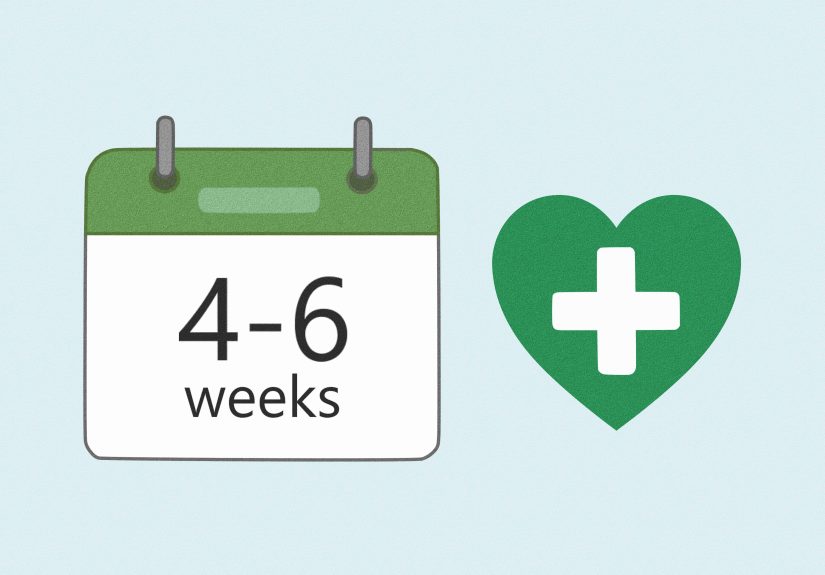
Recovery depends on how severe the strain is, your overall health, and whether you keep re-irritating the area. Mild strains may improve noticeably within days to a couple of weeks, while more painful or deeper tears can take longer. If your pain is not improving, keeps waking you at night, or is getting worse instead of better, it is time to get checked rather than hoping your ribs suddenly become cooperative.
When It Might Not Be “Just a Strain”
Because an intercostal muscle strain can mimic other causes of chest pain, medical evaluation matters if the picture is not clear. Call 911 or seek urgent care right away if you have:
- New, unexplained, severe, or crushing chest pain
- Chest pain with shortness of breath, fainting, sweating, nausea, or dizziness
- Pain spreading to your jaw, arm, neck, or between your shoulder blades
- Blue lips or nails, confusion, or severe trouble breathing
- Sudden sharp chest pain after a long trip, surgery, or a period of immobility
- Visible retractions or severe breathing effort around the ribs
Also call a clinician promptly if the pain followed major trauma, you heard a pop, you have a fever, you cannot take a full breath, the area is badly swollen or bruised, or you suspect a rib fracture, pneumonia, pleurisy, or another chest condition. Chest pain is one of those symptoms that should never be shrugged off just because Google gave you a confident answer at 1:12 a.m.
What Recovery Often Feels Like: Common Experiences People Report
One reason this injury feels so frustrating is that it often seems minor on paper and dramatic in real life. People commonly describe the first few nights as the worst part. During the day, they can move carefully, brace when needed, and distract themselves. At night, however, every little repositioning becomes obvious. Turning over in bed can feel like a full-body event. Some people wake up because they rolled the wrong way. Others wake up because they tried to cough in their sleep and their ribs immediately filed a formal complaint.
A very common experience is feeling better when perfectly still, then suddenly much worse during transitions. Getting into bed, getting out of bed, reaching for a blanket, pulling on a shirt, and even opening a heavy door can all remind you that the intercostal muscles help with far more than breathing. Many people say the pain is not constant in one dramatic way. Instead, it is sneaky. Quiet for a minute, sharp during a twist, then achy afterward.
Morning stiffness is another pattern people often notice. After sleeping in one position for hours, the chest wall can feel tight and guarded when you first sit up. This is where a slower start helps. Rolling to the side, pushing up with your arms, standing carefully, and taking a minute before moving around usually goes better than bolting out of bed like you are late for a flight.
Coughing, laughing, and sneezing deserve their own category because they tend to feel disproportionately offensive. Plenty of people say a simple laugh becomes a tactical error for a few days. Hugging a pillow against the chest often makes a real difference. It does not magically erase pain, but it can make those unavoidable moments more manageable.
Another familiar experience is fear of deep breathing. Because pain often spikes with inhaling, some people start taking smaller breaths without noticing. Then the chest begins to feel tight, tense, and tiring. Gentle breathing practice, especially once the initial pain calms down, often helps people feel less guarded and less worn out. The key is gentle and regular, not huge breaths that aggravate the injury.
Emotionally, people are often surprised by how draining a rib-area strain can be. Poor sleep plus pain with normal activities can make the whole thing feel bigger than expected. That does not necessarily mean something dangerous is happening, but it does mean the injury deserves respect. When people improve faster, it is usually because they stop provoking the pain every few hours, use smarter positioning, and return to activity gradually instead of trying to “push through.” Chest wall muscles are stubborn teachers, but they are very clear about the lesson.
Note: This article is for informational purposes only and is not a substitute for professional medical care. Any sudden, severe, or unexplained chest pain should be treated as urgent until a healthcare professional says otherwise.