Table of Contents >> Show >> Hide
- Why Spotting Pain Early Matters
- The 12 Signs Your Dog May Be in Pain
- 1) Limping, stiffness, or an abnormal gait
- 2) Reluctance to jump, climb stairs, or get into the car
- 3) Difficulty getting up, lying down, or finding a comfortable position
- 4) Changes in posture (hunched back, tucked tail, head held low)
- 5) Excessive panting or breathing changes at rest
- 6) Vocalizing (whining, whimpering, yelping, groaning)
- 7) Licking, chewing, or scratching one specific area
- 8) Sensitivity to touch, flinching, or guarding behavior
- 9) Changes in appetite or drinking
- 10) Sleep changes (sleeping more, sleeping less, or restless sleep)
- 11) Mood or personality changes (irritability, withdrawal, clinginess)
- 12) Facial expression changes (squinting, “worried” look, tense face)
- What to Do If You Think Your Dog Is in Pain
- Why Dogs Hide Pain (And Why You Shouldn’t Take It Personally)
- Real-Life Owner Experiences: What Pain Often Looks Like at Home (Extra 500+ Words)
- Conclusion
Dogs are tough. Sometimes too toughlike the friend who insists they’re “fine” while clearly walking like a folding chair.
The tricky part is that many dogs don’t broadcast pain. Instead, they whisper it through small changes in movement, mood, and daily habits.
If you learn those signals, you can get your dog help faster, prevent problems from snowballing, and keep their tail-wagging career alive and well.
This guide breaks down 12 common signs your dog may be hurting, plus what to do next (and what not to doyour dog should not be your DIY pharmacy project).
You’ll also find a “real-life” experience section at the end with scenarios owners commonly report at home, so you can compare what you’re seeing with what pain often looks like in the wild.
Why Spotting Pain Early Matters
Pain isn’t just uncomfortableit can change how your dog moves, sleeps, eats, and even trusts being handled.
When pain sticks around, dogs may compensate (shifting weight, moving differently), which can strain other joints and muscles.
And when the cause is something urgentlike severe abdominal discomfort, injury, or an infectionwaiting can turn a fixable problem into a scary one.
Here’s the big idea: your dog doesn’t need to cry to be in pain.
Often, the earliest clues are subtle “that’s weird” momentshesitating at stairs, skipping play, or suddenly preferring to be left alone.
The 12 Signs Your Dog May Be in Pain
One sign alone doesn’t always confirm pain. But patternsespecially new changes that last more than a day or twodeserve attention.
If your gut says, “This isn’t my dog,” take that seriously.
1) Limping, stiffness, or an abnormal gait
If your dog is limping, “toe-touching,” bunny-hopping, or moving like their legs filed a complaint with HR, pain is a top suspect.
Stiffness is often most obvious after rest (first thing in the morning or after a long nap), then improves slightly once they warm up.
Watch from the side: shorter strides, head-bobbing, or favoring a limb can point to joint, muscle, paw, or back pain.
Example: Your dog used to trot to the door, but now they take cautious stepsespecially on hard floors.
That “careful walk” can be a sign of discomfort.
2) Reluctance to jump, climb stairs, or get into the car
A dog who suddenly “forgets” how to jump on the couch may not be forgetfulthey may be hurting.
Pain in hips, knees, elbows, or the spine can make jumping and stairs feel like a bad deal.
You might see hesitation (false starts), slower movement, or choosing alternate routeslike staring at the couch as if it betrayed them.
Try this: Notice whether your dog avoids furniture, hesitates at stairs, or asks to be lifted when they never did before.
3) Difficulty getting up, lying down, or finding a comfortable position
Pain can make transitions hard. Dogs may rise slowly, shift their weight awkwardly, or “plop” down instead of lying gently.
Some will circle longer before settling. Others change positions frequentlyup, down, up, downlike they’re trying to sleep on a pile of Legos.
What you might see: A stiff back end when standing, trembling during movement, or needing extra time to lie down.
4) Changes in posture (hunched back, tucked tail, head held low)
Posture is pain’s body language. A hunched or arched back can indicate abdominal or spinal discomfort.
A tucked tail, pinned-back ears, or a rigid stance may show your dog is bracing or protecting a painful area.
Dogs may also sit “off to one side” to avoid pressure on sore hips or a tender belly.
Tip: Compare posture during calm momentsstanding still, waiting for meals, or watching outside.
Subtle posture shifts can be easier to spot when nothing else is happening.
5) Excessive panting or breathing changes at rest
Panting isn’t always heat or excitement. Pain and stress can increase breathing rateeven when your dog is resting in a cool room.
If your dog is panting with no obvious reason, especially alongside other signs (restlessness, hunched posture, unwillingness to move), pain should be on your radar.
Red flag: Labored breathing, pale gums, weakness, or collapse is an emergencyseek urgent veterinary care.
6) Vocalizing (whining, whimpering, yelping, groaning)
Some dogs vocalize when pain spikeslike when standing up, jumping, or being touched in a sensitive spot.
Others become unusually quiet, which can also be a clue. Vocalizing is more common with acute pain (injury) but can happen with chronic pain too.
And yes, some dogs are dramaticbut a “dramatic” dog can still be in real pain.
Example: A yelp when picked up, or a low groan when settling into bed, can suggest discomfort.
7) Licking, chewing, or scratching one specific area
Dogs often try to “fix” pain with their mouths. Obsessive licking or chewing at a joint, paw, tail base, or belly can signal pain, inflammation, or irritation.
Over time, this can cause hair loss, hot spots, or skin infectionsturning one problem into a two-for-one special you did not order.
What to watch: Repeated attention to the same area, especially if your dog guards it when you look closer.
8) Sensitivity to touch, flinching, or guarding behavior
A painful dog may pull away, tense up, or even snap when touchedespecially around the sore area.
They might avoid being brushed, resent being picked up, or freeze when your hand approaches.
Guarding can look like turning their head to watch your hand, shifting away, or placing their body between you and the painful spot.
Safety note: Don’t force handling. Pain can make even the sweetest dog feel defensive.
If you’re concerned about a bite risk, ask your vet how to approach safely.
9) Changes in appetite or drinking
Pain can reduce appetiteespecially dental pain, nausea, abdominal discomfort, or arthritis that makes reaching the bowl uncomfortable.
Some dogs become picky (“treats only, please”), while others eat less overall.
Drinking may change too, depending on the cause. Appetite shifts matter most when they’re new, persistent, or paired with lethargy, vomiting, diarrhea, or weight loss.
Example: Your dog eats soft food but avoids crunchy kibblethis can hint at mouth or tooth pain.
10) Sleep changes (sleeping more, sleeping less, or restless sleep)
Pain can make dogs sleep more to copeor sleep poorly because they can’t get comfortable.
You might notice your dog moving beds, changing positions repeatedly, or waking up and wandering at night.
If a once-energetic dog suddenly becomes a nap champion (and not in a cute “lazy Sunday” way), take note.
Clue: Restlessness at night plus stiffness in the morning can be a classic pattern in chronic pain.
11) Mood or personality changes (irritability, withdrawal, clinginess)
Pain can change behavior fast. Some dogs withdrawhiding, avoiding interaction, or skipping greetings.
Others become clingy, seeking constant reassurance. Irritability is common too: growling when approached, snapping when handled, or seeming “not themselves.”
If behavior changes appear suddenly, pain should be considered alongside training or emotional causes.
Example: A normally social dog starts spending more time alone in a quiet corner.
That’s worth investigating.
12) Facial expression changes (squinting, “worried” look, tense face)
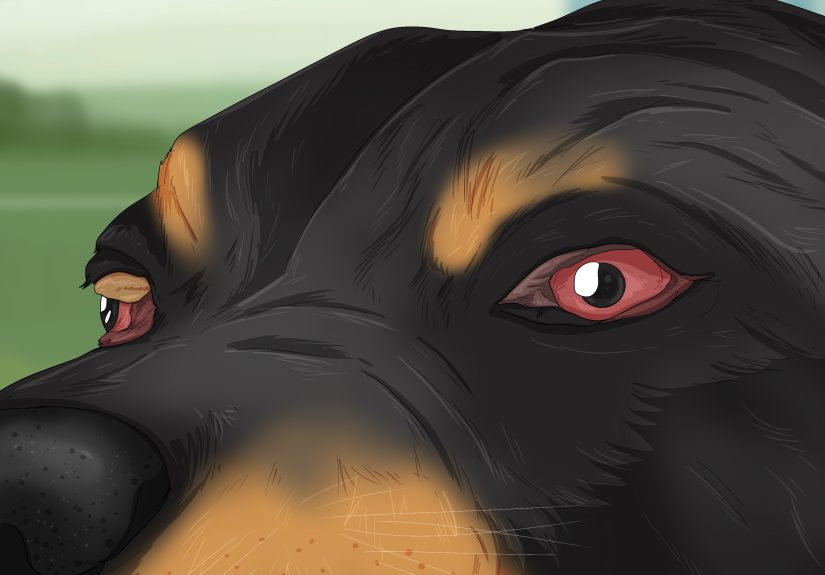
Dogs communicate a lot with their faces. Pain can show up as squinting, a tense or “grimacing” look, glazed/dull eyes, or a worried expression.
You may also see lip-licking, drooling, or a tight mouthespecially with nausea, dental pain, or stress.
The key is comparison: if your dog’s face looks different than usual at rest, don’t ignore it.
Tip: Take a clear photo when your dog looks comfortable, then compare it to what you’re seeing now.
Small changes can become obvious side-by-side.
What to Do If You Think Your Dog Is in Pain
Start with a simple at-home checklist
- What changed? Movement, appetite, mood, sleep, bathroom habits, or grooming?
- When did it start? Suddenly (acute) or gradually (chronic)?
- What makes it worse or better? Stairs, jumping, cold mornings, after play?
- Where does it seem to hurt? Any limping, licking, guarding, or flinching?
Take helpful evidence (your vet will love you for this)
Record a short video of your dog walking from the front and side, sitting/standing, and using stairs if safe.
Bring notes on behavior changes and any recent activity (new exercise routine, rough play, fall, grooming, travel).
The more specific your observations, the faster your vet can narrow down the cause.
Do NOT give human pain medication unless your vet tells you to
It can be tempting to “help” with over-the-counter pain relievers, but many human medications (especially NSAIDs like ibuprofen/naproxen)
can be dangerous to dogs. Always ask your veterinarian before giving any medication, including leftover pet prescriptions.
Why Dogs Hide Pain (And Why You Shouldn’t Take It Personally)
Dogs don’t always advertise painsometimes due to instinct, sometimes because they’ve learned that “acting normal” keeps life predictable.
Many signs of pain are subtle and look like “slowing down,” “being grumpy,” or “just getting older.”
But age isn’t a diagnosis. If your dog’s daily life is shrinkingless play, fewer walks, more hesitationpain may be part of the story.
The goal isn’t to turn you into a full-time canine detective with a magnifying glass and dramatic music.
It’s to help you recognize meaningful changes early, so your dog gets relief sooner.
Real-Life Owner Experiences: What Pain Often Looks Like at Home (Extra 500+ Words)
Below are common experiences dog owners describe when a dog is hurting. These aren’t meant to replace veterinary advicethink of them as
“pattern recognition” stories that can help you notice the small stuff before it becomes big stuff.
The “My Dog Is Just Getting Lazy” Phase
A classic scenario: your dog still eats, still wags, still wants treats… but their enthusiasm for walks quietly drops.
They stop doing the post-leash zoomies. They turn back earlier on your usual route. They pause at curbs like they’re negotiating with gravity.
Owners often chalk this up to temperament changes or age, but it can also be early joint discomfort.
When pain builds gradually, dogs adaptuntil one day you realize the dog you remember has been slowly shrinking their world for weeks.
The Couch Stare-Off
Many owners notice pain first at “jump moments.” The dog stands in front of the couch, looks at it, looks at you, looks back at the couch
like they’re waiting for the furniture to apologize.
Some dogs will attempt the jump, then bail mid-launch. Others will ask to be lifted.
This hesitancy often shows up before obvious limping, especially in hip, knee, or back pain.
If your dog used to leap like a furry gymnast and now auditions for the role of “careful climber,” that shift matters.
The Sudden Grump
Another common experience is a dog becoming unusually irritable: they growl when petted in certain spots, snap during brushing, or avoid being hugged.
Owners sometimes assume the dog is “being bad” or “testing boundaries.”
In reality, pain can make touch feel unpredictablesometimes okay, sometimes sharp.
The dog isn’t plotting a personality overhaul; they’re trying to protect themselves.
This is especially common when pain is triggered by movement or pressure (like arthritis, spinal pain, ear infections, or dental issues).
The Nighttime Restlessness Mystery
Owners also describe dogs who can’t settle at night: pacing, repositioning, changing beds, getting up to drink, or asking to go outside more often.
Sometimes they sleep more during the day because nighttime is uncomfortable.
It’s easy to misinterpret this as anxiety or “just being weird,” but pain is a frequent contributor.
A helpful clue is the morning pattern: if your dog seems stiff or slow to rise after a night of restless sleep, discomfort is a strong possibility.
The Lick-and-Repeat Loop
Many dogs respond to pain by licking a spot relentlesslyoften paws, wrists, hips, or the base of the tail.
Owners notice wet fur, thinning hair, or red skin and assume it’s purely allergies.
Allergies absolutely happen, but pain can drive the same behavior.
The repeating pattern is the giveaway: your dog focuses on one area, returns to it after distractions, and seems soothed by the licking.
If you see this, note the exact location and whether your dog reacts when you gently approach the area.
The “Everything Is Normal”… Except It Isn’t
One of the most important experiences owners describe is the feeling that nothing is dramatically wrongyet something is clearly off.
The dog still plays sometimes. They still greet you. They still eat treats.
But they’re less eager, less bouncy, less themselves.
Pain often lives in that gray zone.
If you’re noticing multiple small changesmovement plus sleep, appetite plus moodtrust that pattern.
Even if the cause isn’t pain, it’s still a health signal worth checking.
Bottom line: you don’t need a perfect diagnosis at home. You just need to notice meaningful changes, document them, and involve your veterinarian.
That combo is how dogs go from “quietly struggling” back to “stealing socks with confidence.”
Conclusion
Learning how to tell if your dog is in pain is one of the most practical skills a dog parent can build.
Look for changes in movement, posture, breathing, sleep, appetite, mood, and sensitivity to touch.
If something feels off, take notes, grab a short video, and call your veterinarianespecially if the changes are sudden, severe, or worsening.
And remember: helping your dog isn’t about being perfect. It’s about being observant, consistent, and quick to act when patterns appear.
Your dog can’t say, “Ouch.” But they can say it twelve different waysonce you know the language.