Table of Contents >> Show >> Hide
- Why Drought Along the Dutch Coast Feels So Strange
- What the Camera Actually Saw
- The Science Behind the Scene
- Europe’s Bigger Drought Story Shows Up on the Dutch Shore
- Why These Images Matter Beyond Aesthetics
- Climate Change Is the Background Music Nobody Can Turn Off
- How the Dutch Are Responding
- Why the Drought Photos Hit So Hard
- Conclusion
- Extended Experience: Walking and Photographing the Drought Along the Dutch Coast
When most people picture the Netherlands, they imagine a country that is basically on speaking terms with water at all times: canals, rain, mist, rivers, dikes, and enough puddles to keep every reflective photographer emotionally fulfilled. So when I captured the extreme drought along the Dutch coastlines, the scene felt almost absurd. The mud was cracked. The grass had faded from lush green to exhausted yellow. The shore looked less like the Netherlands and more like it had borrowed a backdrop from the American Southwest for a limited-time event.
That visual shock is exactly why these drought images matter. They are not just dramatic landscape photos. They are evidence of a deeper problem unfolding in one of the most water-engineered places on Earth. Along the Dutch coast, drought is not simply “a lot of sunny weather.” It is a chain reaction involving heat, low rainfall, stressed soils, reduced river flow, salt intrusion, struggling ecosystems, farming pressure, and a country trying to balance freshwater needs in a landscape that sits beside and in many places below the sea.
In other words, the cracked coast is not merely photogenic. It is a warning label.
Why Drought Along the Dutch Coast Feels So Strange
The Netherlands is a delta country. Major rivers such as the Rhine and Meuse empty into a low-lying coastal system shaped by tides, engineered channels, sluices, locks, dunes, and dikes. Dutch identity is famously tied to controlling water, surviving water, and politely refusing to let water win. That is what makes coastal drought so unsettling: it flips the usual script.
People often assume a coastal nation cannot really have a water problem because, well, there is obviously water right there. But seawater is not freshwater, and drought in a coastal delta can become especially tricky because when rivers weaken and rainfall drops, salty water gets bolder. The sea does not need a formal invitation. It just notices the freshwater push has weakened and starts creeping farther inland.
So yes, the Netherlands can worry about flooding and drought in the same broad climate conversation. That sounds contradictory only until you remember that water quantity, water timing, and water quality are three different headaches wearing the same trench coat.
What the Camera Actually Saw
Cracked mudflats that looked almost unreal
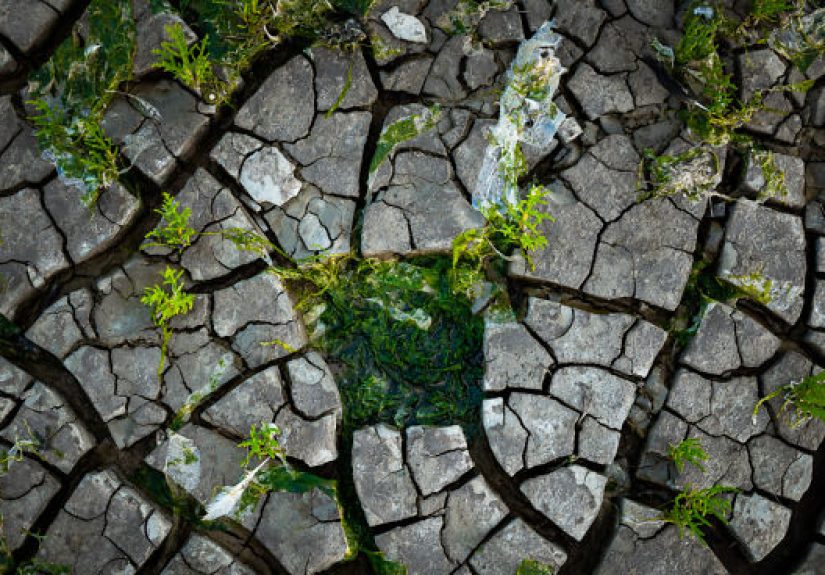
The most striking drought scenes along the Dutch coastline are often the mud patterns. Under prolonged dryness, wet coastal soils lose moisture, tighten, split, and open into intricate polygon cracks. When the tide returns, water slides through those fractures, creating a surreal contrast between dryness and motion. It is the kind of scene that makes viewers squint and ask, “Wait, this is the Netherlands?”
Yellow grass where green should be
Drought also changes the country’s color palette. Grasslands that usually read as richly green start looking brittle, sun-bleached, and tired. The transformation is visually simple but emotionally powerful. In a landscape known for moisture, a faded field feels like a sentence missing its verb.
Low water, exposed textures, and a sharper edge to the coast
Dry periods can leave marshy edges, tidal flats, and shallow coastal zones looking rougher and more exposed. Textures that usually sit under a sheen of moisture become visible. Sediment lines stand out. Soil crusts form. The coast stops looking soft and starts looking tense.
For photography, that tension is gold. For the environment, not so much.
The Science Behind the Scene
Drought is not just a rainfall story
When people hear “drought,” they usually think “not enough rain.” That is true, but it is not the full picture. Extreme drought is also driven by heat, evaporation, soil moisture loss, and the timing of precipitation. A place can experience rainfall at the wrong time, or in the wrong form, and still end up water-stressed.
That matters in coastal environments because hot, dry periods do more than dry the ground’s surface. They reduce freshwater inflow, strain wetlands, shrink moisture stored in soils, and make shallow ecological systems more vulnerable. Even where intense downpours still happen in a warming climate, higher temperatures can increase evaporative demand and worsen drought risk between storms.
Freshwater gets weaker, saltwater gets stronger
Along a coast, drought changes the balance between freshwater and saltwater. Rivers and groundwater normally help keep salinity from pushing too far inland. But when drought reduces those freshwater inputs, the salty edge can advance. In estuaries and delta channels, that can alter water chemistry, stress plants, disrupt habitats, and complicate freshwater management.
This is one of the least flashy but most important parts of the Dutch drought story. Cracked mud gets the photo. Salt intrusion gets the meeting with engineers, farmers, shipping managers, and people responsible for keeping the country functioning.
And unlike a dramatic thunderstorm, salinization is not always cinematic. It is sneaky. It changes what can grow, what can survive, and what kind of water remains usable.
Why the coast is especially vulnerable
Coastal drought behaves differently from inland drought because salinity becomes part of the problem. Scientists studying coastal systems have noted that salinity shifts are a defining feature of drought in estuaries and tidal rivers. That means a dry spell by the sea is not just about less water. It is about different water moving into places where it causes stress.
For the Dutch coast, this matters enormously. The country’s western regions, river mouths, and low-lying agricultural areas all depend on careful freshwater management. Once river flow drops and salt pushes farther inland, the challenge becomes not merely finding water, but preserving enough fresh water in the right places at the right times.
Europe’s Bigger Drought Story Shows Up on the Dutch Shore
The Dutch coastline did not become dramatically dry in isolation. It was part of a broader European drought story. Europe has experienced notable dry and hot periods in recent years, especially in 2018 and 2022. Those episodes brought heat, low river levels, agricultural stress, and highly visible environmental damage across multiple countries.
In 2022, the Dutch government even declared a national water shortage after a very dry summer. That move mattered because the Netherlands does not make water headlines lightly. When a country famous for hydraulic management says, “We have a shortage problem,” that should probably earn more attention than a casual weather app notification.
Across Europe, drought has also threatened shipping, crops, aquatic life, and hydrology. Satellite-based observations have shown groundwater stress in parts of the continent, reinforcing the idea that drought is not just a surface-level inconvenience. It reaches down into the hidden water reserves that communities and ecosystems depend on.
That broader context helps explain why a cracked Dutch coastline is more than a strange seasonal episode. It is part of a continental signal: hotter conditions, stressed water systems, and sharper swings between wet and dry extremes.
Why These Images Matter Beyond Aesthetics
Agriculture feels it first
Farmers tend to notice drought before the rest of us finish saying, “Wow, lovely sunshine.” In coastal parts of the Netherlands, drought can reduce soil moisture, increase irrigation pressure, and worsen salinity issues in fields and waterways. Some crops are far less tolerant of salt than people assume. Once saline conditions increase, yields can suffer and management gets more expensive.
Shipping and infrastructure do not enjoy shallow water
Low river levels and water shortages affect transport too. Barges need navigable waterways. Locks and channels need careful management. Water systems designed for a delicate balance become harder to operate when drought drags that balance out of alignment. This is one reason Dutch officials flagged impacts on shipping during severe dry periods.
Ecosystems take a double hit
Coastal wetlands, estuarine habitats, and plant communities are sensitive to both drying and salinity changes. Reduced freshwater inflow can increase salinity, harm vegetation, shift habitat conditions, and alter ecological functions such as nursery habitat, nutrient cycling, and water quality support. In plain English: drought can make coastal nature look rough, and then make it work worse too.
Climate Change Is the Background Music Nobody Can Turn Off
Not every dry spell can be blamed on climate change alone. Weather patterns still matter. Natural variability still matters. But the long-term climate context matters too, and increasingly so. Warmer temperatures make heat waves more likely and can intensify drying by increasing evaporation and plant water demand. That means a warm, dry period now often packs a bigger punch than a similar precipitation shortfall would have in a cooler climate.
Scientists have also projected that drought risk rises as temperatures rise, even when heavy precipitation becomes more intense in some regions. That sounds counterintuitive until you remember that climate change is very good at making water act rude in multiple directions at once.
For coastal systems, climate change adds another layer: sea-level rise. As sea levels rise, salt intrusion risks can increase. Research suggests future salt intrusion may expand in many estuaries worldwide, with sea-level rise often contributing even more than reduced river discharge. For a delta country like the Netherlands, that is not exactly relaxing bedtime reading.
How the Dutch Are Responding
The Dutch response to water stress is rarely theatrical. It is more practical, technical, and deeply engineered. Drought planning involves monitoring freshwater supplies, prioritizing uses, adjusting infrastructure operations, and trying to limit salt intrusion where possible. Researchers and water managers also study salinization, estuary dynamics, groundwater behavior, and freshwater storage options.
In short, the Netherlands is not standing on the shore yelling at the tide. It is doing what it usually does: measuring, modeling, managing, and redesigning systems where needed.
That said, adaptation has limits. Infrastructure can buy time. Smart policy can reduce risk. Better forecasting can improve decisions. But none of that changes the basic reality that hotter, drier, and saltier conditions create more stress for a low-lying coastal country.
Why the Drought Photos Hit So Hard
There is something emotionally unsettling about seeing the Dutch coast look thirsty. It disrupts expectations. A drought photo from a desert region says, “Yes, that checks out.” A drought photo from the Netherlands says, “Hang on, what happened here?”
That surprise is what gives the images their force. They capture contradiction: a wet country looking dry, a coastline looking cracked, a place famous for water control confronting water scarcity. They also reveal something important about climate storytelling. Sometimes the strongest climate image is not a disaster in flames or a city underwater. Sometimes it is quiet ground, splitting open.
And that quiet can be louder than people expect.
Conclusion
I captured the extreme drought along the Dutch coastlines, but the real story was never just the photograph. It was the tension behind the frame: heat without relief, freshwater under pressure, salt creeping inland, ecosystems straining, and a famously water-wise nation confronting a different kind of water crisis.
The cracked mud, yellow grass, and exposed coastal textures were visually stunning in the way only troubling things sometimes are. They made the Dutch coastline look alien for a moment. But the science behind those scenes is painfully grounded. Drought along the coast is not a visual oddity. It is a sign of how vulnerable even highly managed landscapes can be when heat, dryness, and salinity start working together.
If these images feel surprising, they should. Surprise is often the first step to paying attention.
Extended Experience: Walking and Photographing the Drought Along the Dutch Coast
I remember arriving at the coast expecting the usual Dutch moodiness: low clouds, damp air, slick boardwalks, and that soft silver light that makes everything feel calm and slightly cinematic. Instead, the first thing I noticed was the ground. It looked tired. Not dramatic at first, just wrong somehow. The mud at the edges of the shoreline had broken into plates and polygons, like somebody had carefully carved a giant mosaic and then forgotten to finish the job. The farther I walked, the stranger it felt. This was not the Netherlands behaving like the Netherlands. This was the coast wearing a drought costume, and unfortunately it fit.
As the tide shifted, the scene became even more surreal. Water moved through the cracks, filling the dark lines between the dry slabs of mud, so the landscape looked as if it could not decide whether it wanted to be wet or dry. That contradiction made the images stronger. Every frame carried tension. You could see the memory of moisture and the evidence of loss at the same time. Photography loves contrast, and drought had supplied it in abundance.
The colors were part of the story too. Places that should have looked fresh and green had gone pale, dusty, and slightly bruised. Grasslands appeared sunburned. Marsh edges looked fragile. Even the air felt sharper, as if the whole coastline had lost a layer of softness. I found myself stopping often, not because I had run out of compositions, but because the place demanded a second look. It was familiar geography presented with unfamiliar logic.
What stayed with me most was the silence. Coastal landscapes usually feel alive in a very obvious way: wind, gulls, moving reeds, glinting water, the constant suggestion that everything is in motion. During severe drought, the silence changes character. It feels drier, flatter, more brittle. You start noticing absence as much as presence. Less shine. Less lushness. Less give in the ground. Nature was still there, of course, but it felt stressed rather than generous.
And yet, from a visual perspective, it was undeniably compelling. The textures were incredible. The lines in the mud pulled the eye through the frame. Reflections formed in narrow channels. The cracked surfaces looked almost abstract from some angles and deeply documentary from others. It was the kind of location where you could shoot wide scenes, intimate details, and graphic patterns all within a few steps. The photographer in me was thrilled. The human being in me was slightly unnerved by how beautiful environmental stress can look when the light is good.
That is probably the emotional core of the whole experience. I was not only photographing drought. I was photographing a landscape out of balance. The Dutch coast was still striking, still elegant, still full of structure and atmosphere. But underneath the beauty was a message that felt impossible to ignore. Water shapes the Netherlands. When water is missing, or when salt begins taking the wrong kind of space, the land tells on itself. It cracks. It yellows. It exposes its stress. And once you have seen that up close, the photographs stop being just images. They become evidence.