Table of Contents >> Show >> Hide
- Why Minimalist Botanical Tattoos Feel So Modern
- The Influence Of Botanical Illustration On Tattoo Design
- What Fine-Line Tattooing Adds To The Look
- Popular Motifs In Minimalist Botanical Tattoos
- Why Clients Are Drawn To This Style
- How Artists Make These Tattoos Successful
- Things To Know Before Getting One
- Aftercare Matters More Than People Think
- The Lasting Appeal Of Nature In Ink
- Personal Experiences With Designing Tattoos Inspired By Minimalism And Botanical Illustrations
Some people collect plants. Some people collect coffee mugs. Some brave, beautifully committed souls collect tattoos that look like a field guide and a sketchbook had a very stylish baby. And honestly? I get it. There is something irresistible about tattoo art that borrows the quiet elegance of minimalism and the organic poetry of botanical illustration. It feels refined without being cold, expressive without shouting, and artistic without requiring a full TED Talk every time someone asks, “So… what does it mean?”
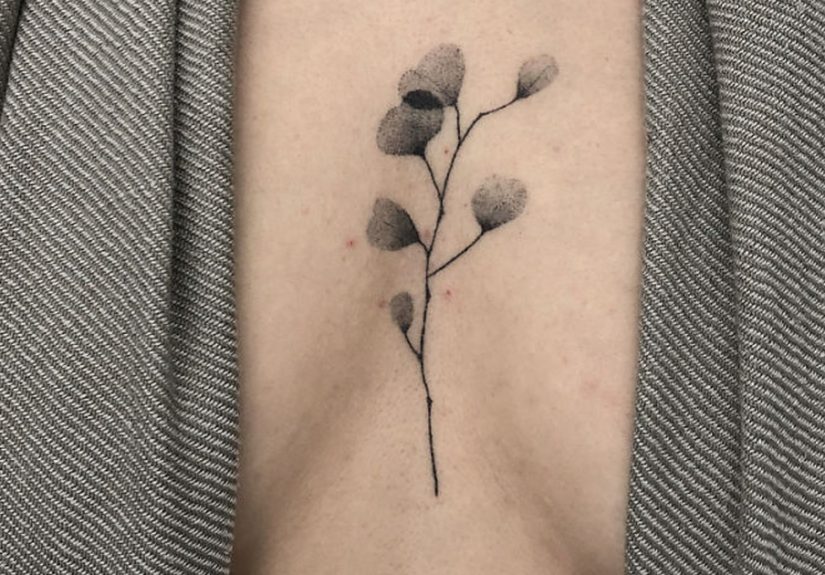
That is exactly why minimalist botanical tattoos have carved out a special place in contemporary body art. They combine clean lines, subtle composition, and nature-inspired imagery in a way that feels timeless rather than trendy. Whether it is a single stem of lavender, an airy branch of eucalyptus, a delicate wildflower, or an abstract leaf study flowing along the arm, this style proves that tattoos do not need to be loud to be unforgettable.
In this article, we are diving into what makes this aesthetic so magnetic, how botanical illustration influences tattoo design, why fine-line work continues to attract so many collectors, and what artists and clients should think about before turning a leaf, bloom, or vine into permanent art. Yes, there will be style analysis. Yes, there will be practical advice. And yes, there will be a respectful amount of poetic admiration for leaves.
Why Minimalist Botanical Tattoos Feel So Modern
Minimalism has long been associated with clarity, restraint, and intention. In tattooing, that translates into designs that strip away excess and keep only what matters most: line, shape, flow, and feeling. Botanical illustration, on the other hand, brings in observation, detail, and reverence for nature. Put them together, and you get tattoos that feel almost weightless on the skin while still carrying a surprising emotional charge.
This is part of the reason the style resonates so strongly today. Modern tattoo lovers often want something personal but wearable, artistic but subtle, delicate but not forgettable. Minimalist botanical tattoos answer that call. They sit comfortably in a world that appreciates thoughtful design, natural symbolism, and visual storytelling that does not scream for attention.
Unlike large, heavily saturated pieces, these tattoos often rely on negative space, graceful linework, and careful placement. A stem can curve naturally along a collarbone. A cluster of leaves can echo the line of a wrist. A flower can be drawn with just enough detail to suggest realism without drifting into visual overload. The result is elegant, intimate, and often incredibly flattering on the body.
The Influence Of Botanical Illustration On Tattoo Design
Botanical illustration is not just “pretty plant drawing.” It is a discipline rooted in accuracy, structure, and the study of form. Historically, botanical illustrators documented flowers, herbs, seed pods, stems, and leaves with scientific attention and artistic finesse. That legacy gives botanical tattoo work a distinct personality: it feels intentional, studied, and beautifully composed.
When tattoo artists borrow from botanical illustration, they are not simply sketching random petals and hoping for the best. They are observing how leaves bend, how flower heads tilt, how stems branch, and how negative space can make a plant feel alive. Even in highly minimalist work, that observational foundation matters. It is the difference between a tattoo that looks vaguely leafy and one that feels like it actually belongs to the natural world.
Many of the strongest tattoos in this category blend realism with reduction. They may simplify the number of lines, remove unnecessary texture, and soften shading, but they still preserve the botanical character of the subject. A fern still unfurls like a fern. A tulip still holds its quiet architecture. A sprig of rosemary still looks crisp and aromatic enough to make you suddenly crave focaccia.
What Fine-Line Tattooing Adds To The Look
Fine-line tattooing has become closely associated with minimalist and botanical work for good reason. Thin needles and delicate application can create tattoos that feel airy, precise, and almost drawn directly onto the skin with pen and ink. That softness pairs naturally with flowers, branches, herbs, grasses, seed heads, and other natural motifs that benefit from nuance rather than brute force.
Fine-line work also allows artists to suggest detail without overwhelming a design. A few clean strokes can define the shape of a petal. A tiny amount of shading can hint at curvature. A single uninterrupted line can give movement to a stem. It is a style built on discipline. There is nowhere to hide when the work is this restrained. Every line has to matter.
That said, minimalist does not mean effortless. In fact, this kind of tattooing is often harder than people expect. The cleaner and simpler the design looks, the more precision it requires from the artist. Placement, spacing, line consistency, and anatomy awareness all become incredibly important. One wobble in a bold traditional tattoo may disappear into the visual energy of the piece. One wobble in a fine-line minimalist tattoo? That little guy may become the star of the show, and not in a good way.
Popular Motifs In Minimalist Botanical Tattoos
Wildflowers
Wildflowers are endlessly popular because they feel personal, soft, and a little untamed. They are less formal than roses and less expected than peonies, which gives them a breezy, modern quality. They also work beautifully as single stems or small clustered arrangements.
Leaves And Branches
Eucalyptus, olive branches, ginkgo leaves, and delicate vine structures are favorites for clients who want something elegant and understated. These motifs are especially effective for placements that benefit from movement, such as forearms, ribs, ankles, and along the spine.
Herbs And Garden Elements
Lavender, rosemary, thyme, and other herbs have become increasingly appealing in tattoo art because they carry both visual charm and symbolic warmth. They can suggest calm, memory, healing, domesticity, or a connection to the natural rhythms of daily life.
Floral Specimens
Some designs borrow directly from specimen-style illustration, showing flowers almost like pages from a vintage botanical archive. These tattoos often feature a single bloom rendered with thoughtful linework and restrained shading, making them feel sophisticated and quietly dramatic.
Why Clients Are Drawn To This Style
People are not just choosing minimalist botanical tattoos because they look nice on Instagram. They are choosing them because the style offers a rare balance between beauty, symbolism, and wearability. These tattoos can feel deeply personal without needing to be explained in neon lights.
For some clients, the plant itself carries meaning. A birth flower may represent family. A healing herb may reflect recovery. A branch may symbolize resilience, growth, or starting over. For others, it is the visual language that matters more than the symbolism. They simply love the grace of natural forms and the calm that comes from pared-down design.
This style also appeals to first-time tattoo clients because it can feel less intimidating than larger or heavier work. Minimalist botanical tattoos often look refined, approachable, and timeless. They can be placed in subtle areas, scaled to fit different comfort levels, and designed to complement the body instead of overpowering it.
How Artists Make These Tattoos Successful
Great botanical minimalism is not about drawing the tiniest flower possible and calling it a day. The most successful artists think like designers as much as illustrators. They consider the body’s curves, the long-term readability of the tattoo, and the relationship between detail and negative space.
Good design starts with selection. Not every plant works equally well in a minimalist tattoo. Some subjects naturally lend themselves to simplification because their silhouettes are distinct. Others need careful interpretation to avoid turning into visual mush after healing. That is why experienced artists often guide clients toward compositions that will age better and read more clearly over time.
Placement matters, too. A tattoo that looks perfect on paper may need to be adjusted to fit the forearm, shoulder, rib cage, or ankle. Botanical designs often shine when they follow natural movement. A trailing stem can lengthen the arm. A curved branch can frame the shoulder. A tiny bloom at the wrist can feel like a whisper instead of a billboard.
Things To Know Before Getting One
Minimalist botanical tattoos may look delicate, but they still deserve serious planning. Start by choosing an artist whose portfolio clearly demonstrates strong fine-line work and floral or botanical understanding. This is not the time to gamble on someone whose feed is 90 percent bold skulls and one lonely daisy from 2022.
Review healed work when possible, not just fresh tattoos. Fresh tattoos are like house listings photographed at golden hour: beautiful, flattering, and not always the full story. Healed photos give a better sense of how lines settle, how details hold up, and whether the artist’s style remains legible over time.
You should also be realistic about scale. Tiny tattoos can be gorgeous, but if the design is too small for the amount of detail requested, it may not age gracefully. Sometimes the smartest choice is not “smaller,” but “slightly larger and much better.” Your future self, and your future leaves, will thank you.
Aftercare Matters More Than People Think
Once the tattoo is finished, the work is not truly over. Proper aftercare plays a major role in healing and in how crisp the final tattoo looks. Fine-line tattoos, especially delicate botanical pieces, can lose some of their charm if the skin is irritated, over-moisturized, picked at, or exposed to too much sun too soon.
Following professional aftercare instructions is essential. In general, that means keeping the area clean, using recommended fragrance-free products, avoiding soaking the tattoo while it heals, resisting the urge to scratch or pick, and protecting it from direct sun exposure. Long term, sunscreen is not optional if you want those graceful lines to stay graceful instead of fading into a vague memory of “Was that a fern? Or a confused feather?”
The Lasting Appeal Of Nature In Ink
There is a reason botanical tattoos continue to thrive across trends, aesthetics, and generations. Nature is endlessly rich with metaphor, shape, texture, and meaning. It offers visual forms that are both structured and fluid, familiar and symbolic. When translated through minimalism, those forms gain a contemporary edge that feels both stylish and enduring.
Minimalist botanical tattoos are not flashy in the traditional sense, but that is part of their power. They invite a closer look. They reward attention. They feel like personal artifacts rather than performance pieces. In a culture that often confuses louder with better, these tattoos make a strong case for quiet confidence.
And maybe that is the real magic of this style. It turns leaves, stems, blossoms, and branches into something intimate and lasting. It lets the body carry a piece of nature without clutter. It proves that restraint can be expressive, delicacy can be strong, and a simple line can say more than an entire visual monologue.
Personal Experiences With Designing Tattoos Inspired By Minimalism And Botanical Illustrations
Designing tattoos in this style feels less like creating decoration and more like editing a poem until only the necessary words remain. That is one of the most rewarding parts of the process. I am not trying to pack every petal vein, every shadow, and every possible flourish into a design. I am trying to find the visual essence of the subject. What is the one curve that makes this stem elegant? What is the smallest amount of detail needed for this flower to remain unmistakably itself? That challenge is both artistic and strangely meditative.
Some of the most satisfying moments come during the sketch phase, when a reference image starts transforming into something that belongs on skin rather than paper. A botanical illustration might be accurate, but a tattoo needs rhythm. It needs to move with the body. I often imagine how a branch will travel along an arm or how a bloom will sit against the collarbone before thinking about tiny details. If the flow is wrong, no amount of beautiful linework can save it. If the flow is right, even the simplest design can feel magical.
I have also learned that clients often arrive with emotional connections hidden inside what looks like a very simple request. Someone asks for lavender, and eventually you learn it reminds them of their grandmother’s garden. Someone wants a tiny ginkgo leaf because they associate it with endurance and healing. Someone else chooses a wildflower because they do not want a perfect rose; they want something freer, softer, and a little unpredictable. Those conversations shape the final design in meaningful ways. The tattoo becomes more than a plant. It becomes a memory with linework.
There is also a practical side to these experiences. Minimalist botanical tattoos teach patience. They teach respect for spacing, restraint, and longevity. They force careful decisions about scale because the margin for error is small. I have found that the strongest designs are rarely the busiest ones. Usually, the winning version is the one where a few unnecessary leaves are removed, a stem is allowed more breathing room, and the composition feels calm instead of crowded. Editing is not a loss in this style. Editing is the style.
Most of all, working with minimalism and botanical illustration has made me appreciate how powerful subtle tattooing can be. These pieces do not need dramatic theatrics to stay memorable. They live in elegance, softness, and precision. They catch attention slowly, then keep it. And every time I see a finished design settle naturally onto the body, I am reminded that sometimes the quietest tattoos are the ones that speak the longest.