Table of Contents >> Show >> Hide
- Why Quarantine Interiors Hit So Hard on Instagram
- 12 Glimpses of the Stylish Set Sheltering at Home
- 1. The Library Nook Became a Status Symbol
- 2. The Kitchen Table Became Mission Control
- 3. Tiny Home Offices Got Smarter, Not Bigger
- 4. Plants Stopped Being Accessories and Became Roommates
- 5. Organized Pantries and Pretty Storage Became a Love Language
- 6. Soft Comfort Replaced Cold Minimalism
- 7. Color Returned with Better Timing
- 8. The Background Shot Became a Legit Design Category
- 9. Outdoor Spaces Turned Into Emotional Infrastructure
- 10. Multi-Use Rooms Became the New Luxury
- 11. Hobbies Moved Into the Decor
- 12. Imperfection Became Part of the Charm
- What Quarantine Style Still Teaches Us
- Extra Reflections: The Experience of Living Inside an Instagram Interior
- Conclusion
Note: This article is an original, web-ready synthesis written in standard American English for publication. Unnecessary citation artifacts have been removed.
There was a strange moment during quarantine when the whole internet quietly agreed on one thing: if we were going to be stuck at home, we might as well stare at beautiful homes while doing it. Instagram became part design magazine, part therapy session, part accidental real-estate fantasy. Suddenly, bookshelves had fan clubs, kitchen tables were promoted to executive desks, and even a humble corner chair could become a supporting actor in a very chic domestic drama.
What made quarantine interiors so fascinating was not just the pretty lighting or the expertly rumpled linen. It was the intimacy. These were not always polished showhouses with velvet ropes and perfect flowers replaced every six minutes. They were lived-in rooms under pressure. Spaces had to perform. They had to work as offices, classrooms, gyms, retreat zones, video-call backgrounds, snack headquarters, and emotional support architecture. No pressure, house.
And yet, style did not leave the building. If anything, it got sharper. The stylish setdesigners, editors, artists, and aesthetically gifted humans who somehow own three perfect ceramic bowlsgave us a front-row seat to a new kind of interior inspiration. The feed was less about formal perfection and more about atmosphere, function, mood, and personality. In other words, quarantine did not kill good design. It made it more honest.
Why Quarantine Interiors Hit So Hard on Instagram
Before quarantine, people often treated home as a launching pad. It was the place you slept, changed outfits, reheated leftovers, and dramatically searched for your keys. During quarantine, home became the whole plot. That shift changed how interiors were seen and shared online. We were no longer admiring rooms from a distance; we were evaluating them like survival tools with nice lamps.
The most compelling spaces all seemed to have a few things in common. They felt comforting without being boring. They looked personal rather than showroom-stiff. They mixed beauty with adaptability. They embraced books, plants, layered textiles, meaningful objects, and corners that could do more than one job. Some rooms leaned spare and serene. Others went full maximalist and said, politely but firmly, “more wallpaper, please.”
Below are twelve defining glimpses of quarantine style that dominated the imagination and helped shape how we still think about home today.
12 Glimpses of the Stylish Set Sheltering at Home
1. The Library Nook Became a Status Symbol
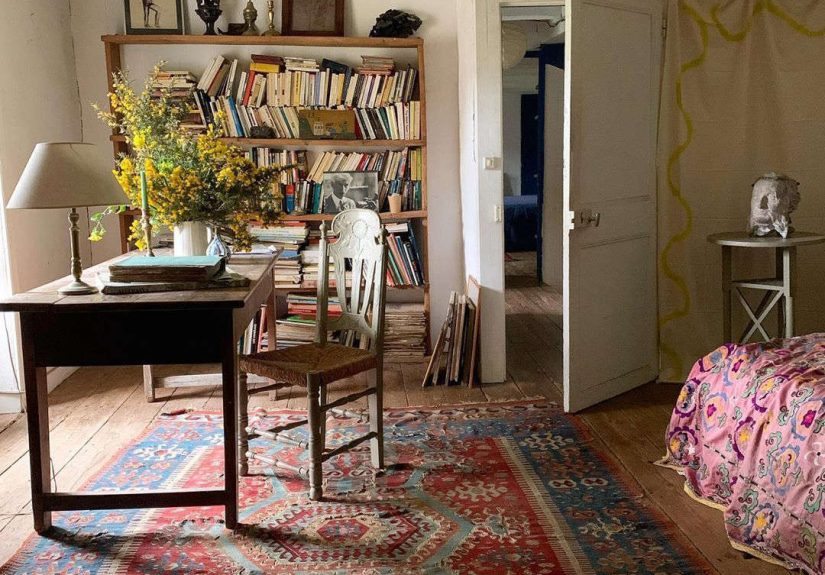
If quarantine had an unofficial mascot, it might have been the handsome bookshelf. Built-ins, freestanding shelves, stacks on the floor, color-coded rows, gloriously chaotic pilesit was all fair game. A room with books instantly suggested depth, calm, intelligence, and just enough mystery. Was that person reading philosophy, vintage cookbooks, or a thriller with a suspiciously cracked spine? Instagram wanted answers.
But the appeal went beyond literary peacocking. Bookshelves gave rooms texture and warmth. They softened hard lines, filled blank walls, and made a Zoom background feel collected rather than accidental. Add a reading lamp, a club chair, and a throw blanket, and suddenly the room said, “I am coping beautifully,” even if the person sitting there had eaten cereal for lunch at 3:17 p.m.
2. The Kitchen Table Became Mission Control
Quarantine exposed one of the great truths of domestic life: the kitchen table is the most overachieving employee in the house. It served as office, craft station, school desk, meeting room, and late-night snack tribunal. Stylish interiors did not fight this reality; they dressed it well. Think sculptural chairs, beautiful task lighting, a tray to control the chaos, and enough visual order to keep the room from looking like a stationery store exploded.
The best Instagram kitchens felt active but not frantic. Fruit bowls became decor. Ceramics suddenly mattered a lot. Countertops were less sterile and more human. Even the most polished spaces hinted that someone had just made coffee, answered emails, and maybe stared out the window for a dramatic five-minute reset.
3. Tiny Home Offices Got Smarter, Not Bigger
Not everyone had a dedicated study with French doors and a heroic desk. Many people had a corner. Or a hallway. Or a closet that had previously held winter coats and unresolved ambitions. Quarantine design made these small work zones feel intentional. The rise of the “cloffice” proved that square footage was helpful, but creativity was better.
Instagram loved compact desks tucked into alcoves, floating shelves above workstations, and chairs that looked camera-ready without destroying your spine. Function led the way, but style refused to sit in the back seat. A tiny lamp, a framed print, a good wall color, and a neat cord situation could transform a sad little nook into a productive spot with main-character energy.
4. Plants Stopped Being Accessories and Became Roommates
Houseplants had a spectacular quarantine run. Snake plants, trailing pothos, fiddle-leaf figs, and every other chlorophyll-rich overachiever moved from side note to lead performer. They gave people a sense of care, routine, and connection to nature while the outside world felt unstable. They also happened to photograph beautifully, which certainly did not hurt.
In stylish interiors, plants worked hard. They filled dead corners, softened modern rooms, added height, and brought life to shelves, sills, and tabletops. A room with greenery felt healthier, calmer, and just slightly superior. The visual message was clear: this household waters things, and perhaps itself.
5. Organized Pantries and Pretty Storage Became a Love Language
When uncertainty rises, many people reach for control. During quarantine, that control often arrived in the form of decanted pasta, labeled jars, neatly folded linens, and baskets that suggested moral excellence. Instagram rewarded this behavior immediately.
But the appeal of tidy storage was not only about aesthetics. It made everyday life easier. Beautiful organization turned repetitive tasks into smoother rituals. Open shelving looked less chaotic. Cabinets worked harder. Suddenly, utility rooms and pantry corners had the glow-up of the century. It was domestic order with a very photogenic side hustle.
6. Soft Comfort Replaced Cold Minimalism
Quarantine style did not completely abandon minimalism, but it definitely asked it to loosen up. Interiors grew warmer, softer, and more forgiving. Curves, cushions, layered bedding, vintage rugs, textured drapes, and cozy upholstery all stepped forward. Rooms were expected to soothe, not just impress.
This shift also opened the door for nostalgia. Cottagecore, grandmillennial details, floral patterns, heirloom pieces, and gently old-fashioned touches felt newly relevant. In stressful times, many stylish homes leaned into memory and comfort. The room did not need to look trendy for five minutes; it needed to feel good for five months.
7. Color Returned with Better Timing
While some quarantine interiors embraced calming neutrals, others answered stress with cheerful color. Deep greens, earthy terracottas, moody blues, and occasional jolts of optimistic pink or yellow made rooms feel less flat and more alive. Instagram especially loved spaces that balanced color with restraintone painted cabinet, one tiled backsplash, one brave wallpaper moment that did not scream for attention but definitely cleared its throat.
People were not just decorating for guests anymore. They were decorating for themselves. That subtle change made color feel less performative and more emotional. A vibrant room became a mood tool, not merely a trend report.
8. The Background Shot Became a Legit Design Category
Video calls changed interiors forever. People began designing not just whole rooms, but camera angles. The ideal background had depth, personality, and the ability to suggest competence before you even spoke. Art mattered. Shelves mattered. Lamps mattered. The random pile of laundry just off-screen mattered most of all, but we do not discuss that.
Instagram interiors from quarantine often looked composed from a lived-in angle rather than a formal architectural one. That changed the visual language of style. A room could be beloved because one corner looked fantastic at 10:00 a.m. on a Tuesday. Frankly, that is efficiency.
9. Outdoor Spaces Turned Into Emotional Infrastructure
Backyards, terraces, porches, rooftops, courtyards, and even narrow balconies became sacred. Stylish households treated outdoor space like a second living room, because in many cases, it was. A café table, a stripey cushion, potted herbs, string lights, and one excellent chair could suddenly create the illusion of escape.
What mattered most was not size, but intention. During quarantine, even tiny exterior spaces offered relief and rhythm. They became places to drink coffee, take calls, read, eat, breathe, and pretend you were on a very low-budget Mediterranean holiday. Instagram, naturally, was supportive.
10. Multi-Use Rooms Became the New Luxury
Quarantine made flexibility look glamorous. Rooms that could adapt felt smarter than rooms dedicated to one rare activity. Guest rooms doubled as offices. Dining areas became classrooms. Living rooms hosted workouts, movie nights, and occasional existential pacing. The stylish set embraced this with furniture that moved easily, layouts that created zones, and decor that connected everything visually.
The result was a more realistic idea of luxury. It was not just extra square footage. It was a home that could bend without breaking. Beautifully, preferably.
11. Hobbies Moved Into the Decor
One of the best parts of quarantine interiors was how personal interests started showing up in plain sight. Easels leaned against walls. Sewing baskets stayed out. Embroidery hoops, puzzles, records, instruments, and half-finished craft projects became part of the room rather than evidence that the room had failed. Home looked inhabited by actual people with actual obsessions. Revolutionary.
These visible hobbies made spaces richer. They added color, narrative, and humanity. Instead of a room saying, “Please do not touch anything,” it said, “Someone makes things here.” That is far more interesting.
12. Imperfection Became Part of the Charm
The most memorable quarantine interiors were not always the most polished. They were the most believable. A slightly wrinkled slipcover, a mismatched stack of art books, a dog in the frame, a mug on the windowsillthese details helped rooms feel intimate and relatable. Style became less about sterile control and more about visual ease.
That may be the biggest lesson of all. During quarantine, Instagram interiors succeeded when they looked styled enough to inspire but lived-in enough to trust. Beauty did not need to be museum-quiet. It just needed to make staying home feel a little more bearable and a lot more beautiful.
What Quarantine Style Still Teaches Us
The quarantine feed may belong to a very specific moment, but its design lessons stuck. We still want rooms that work harder and feel softer. We still like natural light, layered texture, flexible furniture, visible personality, and backgrounds that do not embarrass us on camera. We still want homes that feel intentional rather than merely expensive.
Most of all, quarantine-era interiors reminded people that style is not separate from daily life. The best rooms support routines, calm the nervous system, encourage creativity, and leave enough breathing room for real human mess. Great interiors are not just pretty to photograph. They make ordinary days better.
Extra Reflections: The Experience of Living Inside an Instagram Interior
There was also something emotionally strange and oddly comforting about watching interiors on Instagram during quarantine. People were isolated, worried, overstimulated, and trying to build some kind of rhythm inside the same walls every day. In that environment, rooms stopped being passive containers and became companions. A morning coffee spot by the window was not just a chair and a side table anymore; it was a routine, a checkpoint, a tiny promise that the day could still begin with a little peace. A well-made bed was not just a design detail; it was evidence that order had not completely abandoned ship.
Many people began to notice their homes more intensely because there was no escape hatch. The crack in the paint, the awkward lamp, the dining chair that looked elegant but felt like punishmentsuddenly these details mattered. But so did the good parts. The late-afternoon sun on the floor. The stack of books on the arm of a sofa. The plant that had somehow decided to thrive while the rest of humanity felt dramatically underqualified. Quarantine trained people to see interiors not just as visual backdrops, but as emotional landscapes.
That is part of why the stylish homes shared online felt so magnetic. They did not just offer envy; they offered possibility. You could see a tiny desk under a shelf and think, “Maybe my corner could work harder.” You could see a rumpled linen bed, a painted cabinet, a cluster of candles, or a bowl of lemons on a counter and realize that atmosphere is often built from small, repeatable gestures rather than a giant renovation budget. The feed made design feel less like a grand reveal and more like an ongoing conversation between people and the spaces they inhabit.
There was humor in it, too. Everyone suddenly became a stylist, a cleaner, a camera operator, and a part-time set designer for their own daily life. Entire moods were created by moving one chair two feet to the left. People discovered that a lamp can save a room, baskets can save a household, and a carefully cropped photo can save a reputation. The performance of domestic calm was alive and well, but underneath it was a real desire to make home feel gentler, brighter, and more manageable.
Even now, those quarantine interiors remain memorable because they captured something true: people do not just live in rooms, they lean on them. In difficult times, the soft sofa matters. The organized shelf matters. The tiny balcony matters. The color of the wall matters more than anyone once admitted. When the world outside feels loud, uncertain, or exhausting, a well-loved interior can provide structure, reassurance, and a bit of delight. That is why these glimpses still resonate. They were never only about style. They were about resilience wearing very good lighting.
Conclusion
Instagram interiors during quarantine were more than pretty distractions. They documented a moment when home became everything at onceoffice, refuge, studio, dining room, sanctuary, and social stage. The most memorable spaces were not perfect; they were useful, layered, warm, flexible, and deeply personal. From bookshelf-lined nooks and plant-filled corners to cloffices, color moments, and beautifully busy kitchen tables, the stylish set showed that design matters most when life gets real.
That is why these twelve glimpses still feel relevant. They reflect a version of style that values comfort without sacrificing character, and practicality without giving up beauty. In a world that still asks our homes to do a lot, that lesson is not just fashionable. It is foundational.