Table of Contents >> Show >> Hide
- Quick Answer: Is Dandruff Contagious?
- What Dandruff Actually Is
- What Causes Dandruff?
- Why Dandruff Feels “Contagious” Even When It Isn’t
- Flaky Scalp Problems That Can Spread
- How to Treat Dandruff (Without Declaring War on Your Scalp)
- Other Flaky Questions People Always Ask
- Common Real-Life Experiences With Dandruff (About )
- Conclusion
Let’s get the biggest scalp myth out of the way first: dandruff is not contagious. You cannot “catch” it from sitting next to someone, borrowing a hoodie, or accidentally using the same couch pillow once. Dandruff is a common scalp condition linked to things like seborrheic dermatitis, skin irritation, oil, yeast on the skin, and sensitivity to hair productsnot a social offense and definitely not a sign that someone is “dirty.”
That said, flaky scalp problems can get confusing fast. Some conditions that look like dandruff are contagious (like scalp ringworm), and others require different treatment. So if you’ve ever stared at your shoulders and thought, “Is this dandruff, dry scalp, or a villain origin story?” this guide is for you.
Quick Answer: Is Dandruff Contagious?
No. Dandruff itself is not contagious. It’s usually considered a mild form of seborrheic dermatitis, a chronic inflammatory skin condition that commonly affects the scalp. While it can flare up, calm down, and flare up again (because your scalp likes drama), it does not spread person to person.
The confusion happens because dandruff can look similar to other flaky scalp issues, including fungal infections and head lice, which can spread through close contact or shared items. More on that in a minute.
What Dandruff Actually Is
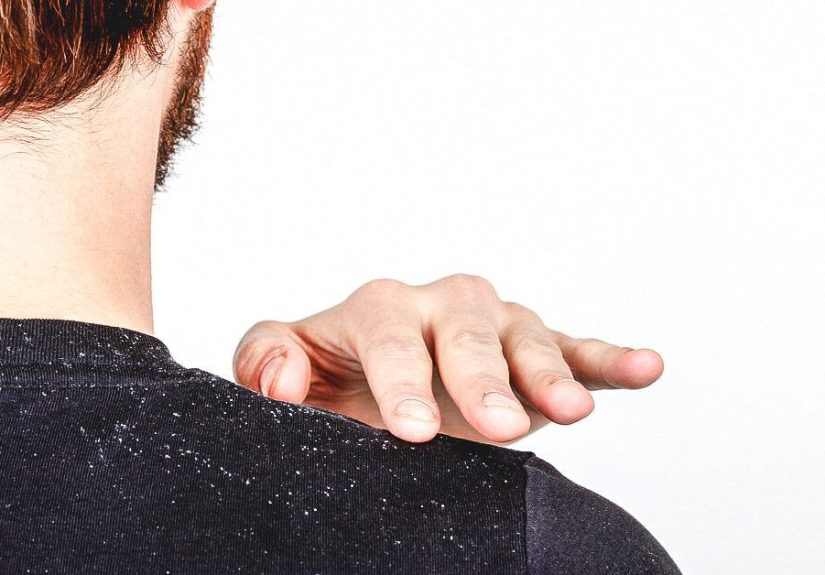
Dandruff is the visible flaking of skin from your scalp. Those white or yellow flakes can collect in your hair, on your collar, or on your favorite black shirt right before a meeting. Classic timing.
Dandruff often comes with itching, and it may be mild (a few flakes) or persistent (a shoulder snowstorm). It commonly starts after puberty and tends to be more common in males. It can also show up in areas beyond the scalp when seborrheic dermatitis is involved, including the eyebrows, beard area, sides of the nose, and behind the ears.
Dandruff vs. Seborrheic Dermatitis
These two terms are related, and many people use them interchangeably. A simple way to think about it:
- Dandruff = flaking mostly limited to the scalp.
- Seborrheic dermatitis = a broader inflammatory condition that can affect the scalp and other oil-rich areas of the body.
Seborrheic dermatitis can involve red, itchy, greasy-looking, or scaly patches. Dandruff is often the milder, scalp-only version. Both can be chronic, meaning they may improve with treatment and then return later.
What Causes Dandruff?
There isn’t one single cause. Dandruff is more like a “team effort” made up of skin oil, yeast, scalp sensitivity, and your body’s inflammatory response. Common contributors include:
1) Seborrheic Dermatitis
This is the most common cause of dandruff. Seborrheic dermatitis affects areas with more oil glands and can lead to white-to-yellow flaking, greasy scale, and itchiness. It may also worsen during stress or cold weather.
2) Malassezia Yeast on the Scalp
A yeast called Malassezia naturally lives on the skin of many adults. For some people, the scalp reacts more strongly to it, which can contribute to dandruff and seborrheic dermatitis symptoms. This doesn’t mean you have an “infection” in the everyday sense; it means your scalp may be more reactive to what’s already there.
3) Oily or Irritated Skin
Ironically, dandruff can happen with an oily scalp or a dry, irritated scalp. Skin oil, product buildup, and inflammation can all make flaking worse.
4) Sensitivity to Hair Products
Some shampoos, styling products, fragrances, or hair treatments can irritate the scalp. This is often called contact dermatitis. If dandruff seems to flare after using a new product, your scalp may be protesting the ingredient list.
5) Other Skin Conditions
Psoriasis and eczema can also cause scalp flaking that looks like dandruff. This is one reason dandruff that won’t improve with standard shampoo deserves a professional check.
Why Dandruff Feels “Contagious” Even When It Isn’t
Dandruff can show up suddenly, flare seasonally, and appear in multiple people in one householdespecially when winter air gets dry and everyone’s stress level rises. That makes it feel contagious, but often it’s just shared triggers:
- Cold, dry weather
- Stress
- Similar hair products
- Similar scalp/hair care habits
- Genetic tendency to seborrheic dermatitis
Think of it like chapped lips in winter. If several people have the same issue at once, that doesn’t mean they “caught” it from each other.
Flaky Scalp Problems That Can Spread
Here’s where it gets important: not every flaky scalp is dandruff. Some conditions are contagious and need different treatment.
Dandruff vs. Head Lice
Head lice spread mainly through direct head-to-head contact. They can also spread through hats, brushes, towels, or bedding in some cases. Lice are insects; dandruff is skin flaking. Dandruff flakes usually brush off easily, while lice eggs (nits) stick firmly to hair shafts.
If you see itching plus tiny oval specks attached to the hair (especially near the scalp), or if multiple kids in a household or classroom are itchy, think licenot dandruff.
Dandruff vs. Scalp Ringworm (Tinea Capitis)
Scalp ringworm is a fungal infection, and it is contagious. It can spread by direct contact and through shared hats, combs, brushes, and other items. It can also cause flaking that looks like dandruff, which is why people miss it.
Clues that point more toward scalp ringworm than dandruff:
- Patchy hair loss or broken hairs
- Swollen, red, or painful patches
- Severe scalp tenderness
- Swollen lymph nodes
- Flaking that doesn’t improve with dandruff shampoo
Ringworm usually needs prescription antifungal treatment (often an oral medication), not just an over-the-counter dandruff shampoo.
What About Cradle Cap?
Cradle cap (infant seborrheic dermatitis) is the baby version of seborrheic dermatitis on the scalp. It can look thick, yellowish, and flaky, and it often worries parents the first time they see it. The good news: cradle cap is not contagious, not caused by poor hygiene, and usually improves over time.
How to Treat Dandruff (Without Declaring War on Your Scalp)
Mild dandruff often improves with regular washing and a good anti-dandruff shampoo. The trick is using the right ingredient and giving it enough time to work.
Best Shampoo Ingredients to Look For
Different dandruff shampoos work in different ways. Common active ingredients include:
- Ketoconazole – helps reduce yeast on the scalp
- Zinc pyrithione – helps with yeast and flaking
- Selenium sulfide – slows flaking and helps control yeast
- Salicylic acid – helps lift and reduce scale
- Coal tar – slows skin cell buildup (but may stain lighter hair and increase sun sensitivity)
- Sulfur – sometimes used to help with scaling
If one shampoo doesn’t work, dermatologists often recommend switching or rotating to another active ingredient. Your scalp may respond better to one formula than another.
How to Use Dandruff Shampoo Correctly
The #1 mistake people make? Rinsing too fast. Medicated shampoos usually need time on the scalp.
- Apply the shampoo directly to the scalp (not just the hair).
- Massage it in gently.
- Leave it on for several minutes (follow the bottle directions).
- Rinse thoroughly.
- Repeat as directed based on your hair type and the product.
Hair texture matters too. Some people can use dandruff shampoo two to three times per week, while people with curly, coily, or textured hair may need less frequent use to avoid dryness. If you have textured hair, focusing the medicated shampoo on the scalp (not the hair length) can help.
When to See a Dermatologist
It’s time to get expert help if:
- Dandruff shampoo doesn’t help after a few weeks
- Your scalp is very red, painful, or swollen
- You notice patchy hair loss or broken hairs
- You have thick crusts or severe itching
- The flaking spreads to your face, ears, or chest
- You suspect psoriasis, eczema, or a fungal infection
A dermatologist can usually diagnose scalp conditions by examining the scalp and skin. They may recommend prescription-strength shampoos, antifungal treatments, or short-term anti-inflammatory medications depending on the cause.
Other Flaky Questions People Always Ask
Is dandruff caused by poor hygiene?
Not necessarily. Dandruff is not simply a “clean vs. dirty” issue. Yes, infrequent washing can make oil and flakes more noticeable, but dandruff is linked more to scalp biology, inflammation, and yeast than to hygiene alone.
Can stress make dandruff worse?
Yes, stress is a common trigger. A lot of people notice worse flaking during stressful periods, and major medical sources routinely note the connection between stress and dandruff flare-ups.
Can dandruff make you lose hair?
Dandruff itself doesn’t usually cause permanent hair loss. But intense scratching can irritate the scalp and lead to temporary shedding. If you’re seeing clear bald patches or broken hairs, get checked for conditions like scalp ringworm or other scalp disorders.
Can dandruff show up in the beard?
Absolutely. Beard dandruff is often seborrheic dermatitis affecting the beard and mustache area. It can look like a hygiene problem, but it usually isn’t. The same kind of anti-dandruff ingredients used on the scalp (especially ketoconazole, selenium sulfide, or zinc pyrithione products) may help, depending on your skin’s tolerance and your dermatologist’s advice.
Does dandruff ever fully go away?
Sometimes it improves for long stretches, but many people deal with it as a recurring condition. The goal is usually control, not a magic one-time cure. Once you find a routine that works, maintenance is the real win.
Common Real-Life Experiences With Dandruff (About )
One of the most common experiences people describe is the “mystery flare” right before an event. Their scalp has been mostly quiet for weeks, and then suddenly there are flakes on a dark sweater before a date, presentation, or school photo. In many cases, the trigger turns out to be something simple: colder weather, a stressful week, or trying a new styling product. The pattern can feel random until people start noticing what changed in the days before the flare.
Another very common experience is the shampoo hopping phase. Someone buys one anti-dandruff shampoo, uses it twice, sees a little improvement, then stops. A week later the flakes return, and now they assume “nothing works.” In reality, dandruff products often need regular use and a bit of patience. Many people also do better when they switch to a different active ingredient instead of giving up entirely. It’s not unusual for one person to respond best to ketoconazole while another gets better results from selenium sulfide or zinc pyrithione.
People with curly, coily, or textured hair often report a different challenge: medicated shampoos can help the scalp but leave the hair feeling dry. This creates a frustrating cycle where they treat the dandruff but dislike what it does to their hair texture. A lot of them find a better balance by using medicated shampoo mainly on the scalp, using it less often than someone with an oily scalp, and following with moisturizing hair products on the hair lengths only. Once they adjust the routine, they usually see better long-term control without feeling like their hair is paying the price.
Parents have their own version of the stress story when cradle cap appears in babies. The flakes can look dramatic, especially the first time, and many parents worry they did something wrong. A common experience is hearing from a pediatrician that cradle cap is common, not contagious, and not caused by poor hygiene. That reassurance alone reduces a lot of anxiety. Gentle washing and soft brushing often help, and most families feel much better once they know it is usually temporary.
Another frequent experience is confusion between dandruff and something more serious. A person may assume they just have stubborn dandruff, but they also notice patchy hair loss, broken hairs, or a painful bump on the scalp. That is often the moment they realize it may not be dandruff at all. In clinics, scalp ringworm and other scalp conditions are sometimes first noticed because the patient tried dandruff shampoo and nothing improved. The takeaway from these experiences is simple: dandruff is common, but not every flake is dandruff.
Finally, many people describe the emotional side of dandruff: embarrassment, over-checking their shoulders, avoiding dark shirts, or constantly touching their scalp to see if it is “still bad.” Once they learn dandruff is not contagious and not a cleanliness failure, there is usually a big shift. They stop treating it like a personal flaw and start treating it like what it isa manageable skin condition. That mindset change makes it much easier to build a routine, stay consistent, and get better results without the panic.
Conclusion
Dandruff may be flaky, annoying, and oddly talented at showing up on black clothing, but it is not contagious. In most cases, it is tied to seborrheic dermatitis, scalp oil, yeast, irritation, and inflammationnot hygiene. The key is knowing the difference between dandruff and lookalike conditions such as head lice or scalp ringworm, because those require different treatment.
If your flakes are mild, start with a medicated shampoo and use it correctly (yes, let it sit). If they are persistent, painful, or come with hair loss, see a dermatologist. With the right approach, dandruff is usually very manageableand your shoulders can finally retire from being the star of the show.