Table of Contents >> Show >> Hide
- Common Signs Your iPhone Camera Is Not Working
- 12 Easy Fixes to Try When Your iPhone Camera Is Not Working
- 1. Clean the Camera Lens First
- 2. Remove Your Case, Lens Cover, or Magnetic Accessory
- 3. Force Close the Camera App and Reopen It
- 4. Switch Between the Front and Rear Cameras
- 5. Restart Your iPhone
- 6. Force Restart If the Phone Is Frozen
- 7. Check Camera Permissions for Third-Party Apps
- 8. Check Screen Time Restrictions and Allowed Apps
- 9. Free Up Storage Space
- 10. Update to the Latest Version of iOS
- 11. Reset All Settings
- 12. Test the Camera in Other Apps and Know When to Get Repair Help
- When the Problem Is Probably Hardware, Not Software
- Real-World Experiences: What This Problem Often Looks Like in Everyday Life
- Final Thoughts
- SEO Tags
If your iPhone camera suddenly shows a black screen, refuses to focus, freezes at the worst possible moment, or turns your once-beautiful dog photo into an abstract art project, do not panic just yet. A broken camera is annoying, yes. Heartbreaking when you need it for a receipt, a memory, or proof that your cat truly did sit in the sink, absolutely. But in many cases, the problem is caused by a software glitch, a blocked lens, outdated iOS, incorrect permissions, low storage, or settings that got a little too creative.
The good news is that you can often fix an iPhone camera that is not working without a trip to the Apple Store. The better news is that most of these solutions take only a few minutes. In this guide, we will walk through 12 easy fixes to try when your iPhone camera is not working, whether the issue is a black screen, blurry photos, a frozen Camera app, flash problems, or a front camera that seems to have gone on vacation.
This article is written in plain American English, with practical troubleshooting steps, real-world examples, and enough detail to help you actually solve the problem instead of just aggressively squinting at your phone.
Note: These fixes are designed for common iPhone camera problems caused by software, settings, accessories, or minor user-side issues. If your iPhone has been dropped, exposed to water, or shows obvious physical damage, hardware repair may be the real answer.
Common Signs Your iPhone Camera Is Not Working
Not every camera issue looks the same. Your iPhone camera may be acting up if you notice any of these symptoms:
- The Camera app opens to a black screen
- The front or back camera will not switch on
- The image is blurry, shaky, or slow to focus
- The flash does not work correctly
- The Camera app freezes or crashes
- The camera works in one app but not another
- You see “no preview” or a blank viewfinder
Now let us go step by step.
12 Easy Fixes to Try When Your iPhone Camera Is Not Working
1. Clean the Camera Lens First
Yes, this is the obvious fix. Yes, it is still worth doing first. Your iPhone spends all day in pockets, bags, car cup holders, and other places that are not exactly sterile photo studios. Smudges, lint, fingerprints, and dust can make your camera look broken when it is really just dirty.
Use a soft microfiber cloth and gently wipe both the rear and front camera lenses. If your photos look blurry, foggy, or oddly soft, this simple step may solve the issue immediately. Avoid paper towels, rough fabric, or household cleaners. Your camera lens is not a kitchen counter.
2. Remove Your Case, Lens Cover, or Magnetic Accessory
Sometimes the problem is not the iPhone camera itself. It is the overly enthusiastic case wrapped around it. Thick cases, poorly aligned camera protectors, clip-on lenses, and magnetic mounts can block the lens, interfere with focus, or cause the flash to bounce back into the camera.
If your iPhone camera is blurry, flickering, or showing shadows in photos, remove the case and any accessories, then test the camera again. This is especially helpful if the problem started right after changing your case or adding a lens cover.
3. Force Close the Camera App and Reopen It
Apps glitch. It is one of technology’s least charming traditions. If the Camera app is frozen, showing a black screen, or acting like it forgot how cameras work, force close it and start fresh.
Swipe up from the bottom of the screen and pause in the middle to open the App Switcher. Then swipe up on the Camera app to close it. Reopen the app and see if the camera starts working normally.
This quick reset can fix temporary software hiccups that affect the viewfinder, shutter, or camera switching.
4. Switch Between the Front and Rear Cameras
If one camera is not working but the other one is, tap the camera flip icon to switch between the front and rear cameras several times. This can kick the camera system back into gear, especially if the app got stuck while trying to load one lens.
You can also switch between Photo, Video, Portrait, and other modes to see whether the problem affects the entire Camera app or only one function. If only one lens or mode is failing, that gives you a useful clue about whether the issue is software-related or more likely hardware-related.
5. Restart Your iPhone
If the iPhone camera is not working, restarting the phone is one of the best fixes to try. It clears temporary system bugs, refreshes memory, and can resolve background conflicts affecting the camera.
Turn your iPhone off, wait about 30 seconds, then turn it back on. After restart, open the Camera app again. This fix is especially useful if the issue appeared after heavy app use, an iOS update, or your phone running warm for a while.
It is simple, boring, and weirdly effective. Like drinking water and minding your business.
6. Force Restart If the Phone Is Frozen
If the Camera app is frozen and your iPhone is generally acting unresponsive, a normal restart may not be enough. In that case, do a force restart.
On most newer iPhones, press and quickly release Volume Up, press and quickly release Volume Down, then press and hold the Side button until the Apple logo appears. This does not erase your data. It simply forces the phone to reboot when the system is stuck.
This fix can help when the camera shows a black screen, crashes instantly, or stops responding entirely.
7. Check Camera Permissions for Third-Party Apps
If your camera works in Apple’s Camera app but not in Instagram, Snapchat, Zoom, WhatsApp, or FaceTime, the problem may be permissions rather than the camera itself.
Go to Settings > Privacy & Security > Camera and make sure the app you are trying to use has permission turned on. You can also scroll down to the individual app in Settings and check whether Camera access is enabled there.
This is one of the most common reasons the iPhone front camera or back camera appears not to work in specific apps. The hardware may be completely fine. The app just is not allowed to use it.
8. Check Screen Time Restrictions and Allowed Apps
This one catches more people than you might expect. If the Camera app has been restricted in Screen Time settings, it may disappear, fail to open properly, or seem disabled.
Go to Settings > Screen Time > Content & Privacy Restrictions > Allowed Apps & Features and make sure Camera is allowed. If the restriction was turned on for a child’s device, a shared family phone, or by accident during a settings cleanup spree, turning it back on may solve the issue immediately.
If you have ever tapped around in Screen Time like you were defusing a bomb, this is worth checking.
9. Free Up Storage Space
An iPhone that is nearly full can behave strangely, and the camera is often one of the first places where that weirdness shows up. You may be unable to take photos, save videos, or open the Camera app smoothly.
Go to Settings > General > iPhone Storage and see how much space is left. If storage is almost full, delete unused apps, large videos, duplicate photos, downloads, or old messages with attachments. Offloading unused apps can help too.
If your camera works but will not save photos, storage is a prime suspect.
10. Update to the Latest Version of iOS
Sometimes the camera is not the problem. The software is. Apple regularly releases iOS updates that fix bugs, app crashes, camera glitches, and system-level issues. If your iPhone camera stopped working after an update, another update may actually be the fix.
Go to Settings > General > Software Update and install the latest version available for your device. If you cannot update wirelessly, you may be able to update using a computer.
This step matters even more if your camera problem started after a recent iOS change or if you are seeing a black screen, random freezing, or preview issues.
11. Reset All Settings
If the iPhone camera is still not working, resetting all settings can help clear deeper software conflicts without deleting your photos, apps, or personal files.
Go to Settings > General > Transfer or Reset iPhone > Reset > Reset All Settings. This will reset things like Wi-Fi settings, privacy settings, display preferences, and keyboard dictionary entries, but it will not erase your data.
This is a strong middle-ground fix when simple restarts and updates do not help. It is especially useful if the camera issue started after system changes, odd permission behavior, or update-related bugs.
12. Test the Camera in Other Apps and Know When to Get Repair Help
Open FaceTime, Instagram, Messenger, or another app that uses the camera. If the camera works there but not in the Camera app, the issue is probably app-specific or software-related. If the camera fails everywhere, you may be dealing with a hardware problem.
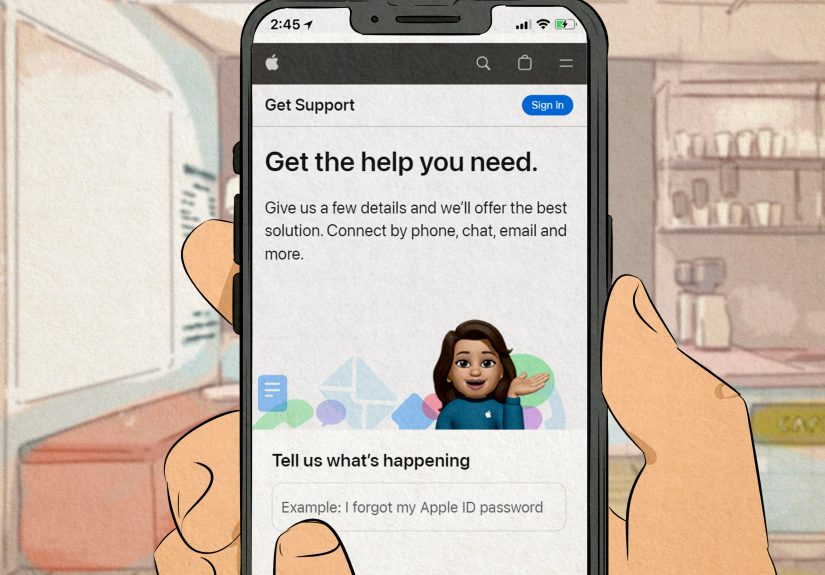
That is your signal to contact Apple Support or visit an Apple Store or authorized repair provider. This is especially true if your iPhone has been dropped, exposed to water, or the camera module rattles, will not focus, or shows no preview at all.
One more important detail: Apple has an official service program for certain iPhone 14 Plus devices with a rear camera issue that may show no preview. If you have that model and the symptom sounds familiar, check whether your device qualifies for free service.
When the Problem Is Probably Hardware, Not Software
Software fixes are great, but they cannot perform miracles. If your iPhone camera still does not work after trying all 12 fixes, the issue may be physical. Common hardware signs include a cracked lens, camera shaking or buzzing, consistent black screen across all apps, severe focus failure, or problems after a drop or liquid exposure.
In those cases, continuing to mash random settings is unlikely to help. A professional diagnostic is the smarter move. Think of it this way: if your car tire is flat, adjusting the radio will not solve much.
Real-World Experiences: What This Problem Often Looks Like in Everyday Life
One of the most frustrating things about an iPhone camera issue is that it rarely arrives on a calm Tuesday when you are doing absolutely nothing. No, it usually shows up at the exact wrong moment. You try to open the camera at a concert, at your kid’s school event, during a sunset that finally looks like it belongs in a postcard, or when you need to scan a document five minutes before a deadline. Then your screen goes black, the camera freezes, or your photos come out so blurry they look like evidence from a paranormal investigation.
A very common experience is the “it worked yesterday” problem. People update iOS, install a new app, or restart their phone for some unrelated reason, and the next time they open the Camera app, something is off. Sometimes the rear camera will not load, but the front camera still works. Sometimes the front camera is the one that refuses to cooperate. In a lot of these cases, the fix turns out to be surprisingly simple: restart the iPhone, update iOS again, or reset permissions. The problem feels dramatic, but the solution is oddly low-key.
Another common scenario involves accessories. Someone gets a new case, a camera lens protector, or a magnetic mount and assumes all is well because everything fits. Then the camera starts having trouble focusing, the flash creates a weird glare, or the image looks shadowy around the edges. The phone is not broken. It is just mildly offended by the accessory setup. Removing the case or lens cover often clears up the issue in seconds.
Storage problems create another sneaky kind of camera failure. This usually happens after a vacation, a holiday, or a child’s sports season, when the phone is packed with videos, screenshots, duplicates, and about 900 photos of the exact same meal from slightly different angles. The Camera app may open, but it lags, fails to save shots, or crashes when you switch to video. Freeing up storage can make the phone feel functional again almost immediately.
There are also the more stressful experiences, like after a drop or liquid exposure. Many people hope the camera glitch is just temporary, but if the phone took a hard hit, the problem may be physical. In those cases, the black screen keeps returning, the lens refuses to focus, or the camera shakes like it drank six espressos. That is usually when home troubleshooting stops being helpful and professional repair becomes the sensible next step.
The big lesson from all these experiences is simple: do not assume the worst too quickly, but do not ignore the obvious either. Start with the easy fixes, test methodically, and pay attention to patterns. If the issue is caused by software, settings, storage, or permissions, you can often solve it yourself. If it is caused by damage, the faster you get expert help, the better your odds of avoiding a bigger repair bill later.
Final Thoughts
If your iPhone camera is not working, there is a good chance the fix is easier than you think. Start with the basics: clean the lens, remove accessories, close the app, restart the phone, check permissions, free up storage, and update iOS. Then move to stronger fixes like a force restart or Reset All Settings if needed.
Most importantly, test the camera carefully after each step. That helps you pinpoint what actually solved the problem instead of throwing every setting into chaos and hoping for a miracle. And if none of these fixes work, do not keep suffering through a black screen and blurry nonsense. That is what repair support is for.
Your iPhone camera should help you capture life, not make you negotiate with it like a moody coworker.