Table of Contents >> Show >> Hide
- What you’ll learn
- What is jackfruit, exactly?
- Jackfruit nutrition facts
- Jackfruit benefits: what the nutrition actually supports
- 1) Digestive support (fiber = the quiet MVP)
- 2) Immune and skin support (hello, vitamin C)
- 3) Heart and blood pressure support (potassium + overall fruit pattern)
- 4) Antioxidant compounds (more than just vitamins)
- 5) Blood sugar considerations (the “it depends” section)
- 6) Plant-based eating support (with one honest warning)
- How to eat jackfruit (fresh, canned, ripe, green)
- Risks, side effects, and who should be cautious
- Real-world jackfruit experiences (the part you’ll actually relate to)
Jackfruit is the overachiever of the produce aisle: it’s the size of a small dog, smells like tropical bubblegum when ripe,
andwhen it’s young and greenmysteriously turns into “pulled pork” after five minutes in a skillet and a good barbecue sauce.
If you’ve ever wondered whether jackfruit is actually healthy (or just a vegan magic trick), you’re in the right place.
Below, we’ll break down jackfruit nutrition in plain English, explain the real, evidence-based benefits, and call out the
places where jackfruit gets a little too hyped on the internet. You’ll also get practical tips for eating itfresh, canned,
ripe, unripe, and even the seedswithout turning your kitchen into a sticky soap opera.
What is jackfruit, exactly?
Jackfruit (Artocarpus heterophyllus) is a tropical fruit that grows on trees and can get impressively largelike “do we need
a seatbelt for this?” large. It’s native to South Asia, but it’s now grown in many warm climates and sold widely in U.S.
grocery stores, especially in international markets and the canned goods aisle.
The thing that confuses most people: jackfruit shows up as two totally different foods depending on ripeness.
Ripe jackfruit = fruit dessert energy
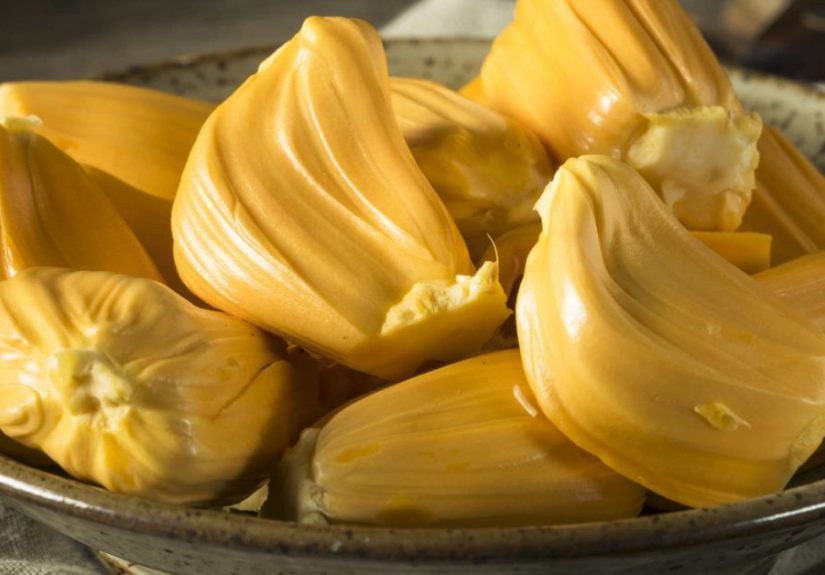
When ripe, jackfruit is sweet, fragrant, and golden. The edible “pods” taste like a mash-up of mango, pineapple, and
bananawith a soft, chewy bite. This is the version you’ll snack on like fruit.
Young green jackfruit = savory, shred-and-sauce energy
When unripe (young and green), jackfruit is much less sweet and more neutral. Cook it and it pulls apart into strands,
which is why it’s famous as a plant-based substitute for pulled pork, chicken, or taco filling. The texture is impressive.
The protein content? Not so much (we’ll get to that).
Jackfruit nutrition facts
Jackfruit offers a mix of carbohydrates, fiber, and helpful micronutrientsespecially vitamin C and potassium. The exact
numbers vary based on ripeness, variety, and whether you’re eating it fresh, dried, or canned.
Ripe raw jackfruit (about 1 cup sliced)
A commonly referenced serving is 1 cup of sliced raw jackfruit (about 165 g). Here’s the big-picture nutrition snapshot:
| Nutrient | Amount | Why it matters |
|---|---|---|
| Calories | ~157 | Moderate for fruit; portion size matters if you’re watching calories. |
| Carbohydrates | ~38 g | Mostly natural sugars and starch; helpful energy, but can raise blood sugar in larger portions. |
| Fiber | ~2.5 g | Supports digestion and can slow sugar absorption a bit. |
| Protein | ~2.8 g | Higher than many fruits, but still not “protein food” territory. |
| Fat | ~1 g | Very low. |
| Vitamin C | ~22.6 mg | Antioxidant; supports immune function and collagen formation. |
| Potassium | ~739 mg | Supports normal muscle/nerve function and healthy blood pressure regulation. |
Young green jackfruit (canned in brine or water)
Young jackfruit is typically used like a “blank canvas” ingredient. Nutrition varies a lot by brand and packing liquid.
Compared with ripe jackfruit, young jackfruit usually has less sugar, fewer calories, and a more neutral flavor.
- Watch sodium: Canned jackfruit in brine can be salty. Rinsing and draining helps.
- Don’t confuse texture with protein: It shreds like meat, but it doesn’t bring meat-level protein on its own.
Jackfruit seeds: the underrated side quest
Jackfruit seeds are edible when cooked (boiled, roasted, or pressure-cooked). They’re starchy and mildly nuttykind of like a
chestnut-potato hybrid. They can add variety and extra nutrients, but don’t eat them raw; cook them for better texture and
digestibility.
Jackfruit benefits: what the nutrition actually supports
Jackfruit isn’t a miracle fruit, but it earns a solid “useful and tasty” ratingespecially when it replaces ultra-processed
snacks or helps you eat more plant foods overall.
1) Digestive support (fiber = the quiet MVP)
Jackfruit contains dietary fiber, which helps keep digestion moving and supports a healthier gut environment. Fiber is also
linked with better satiety (feeling full) and improved blood sugar patterns because it slows digestion.
Translation: fiber won’t solve your entire life, but it’s one of those boring, unglamorous nutrients that keeps your body
from filing daily complaints.
2) Immune and skin support (hello, vitamin C)
Vitamin C is a classic antioxidant nutrient involved in immune function and collagen production. Jackfruit contributes a
meaningful amount per cup, though it’s not the highest-vitamin-C fruit on Earth. Think of it as a helpful contributor, not a
superhero wearing a cape.
3) Heart and blood pressure support (potassium + overall fruit pattern)
Jackfruit is notably rich in potassium for a fruit serving. Potassium helps with normal nerve and muscle function and works
in balance with sodium in the body. Diet patterns higher in fruits and vegetables are associated with better cardiovascular
outcomes, and potassium is part of that bigger picture.
Practical angle: if your diet is heavy on salty packaged foods, potassium-rich produce can help you build a more
heart-friendly balanceespecially when paired with reasonable sodium intake.
4) Antioxidant compounds (more than just vitamins)
Like many colorful plant foods, jackfruit contains natural plant compounds (often discussed as polyphenols, flavonoids, and
carotenoids). These compounds help plants protect themselves, and when we eat them, they can contribute to the overall
antioxidant “toolbox” in our diets.
Important nuance: antioxidant-rich foods are generally great, but the benefits are strongest when they’re part of an overall
produce-forward dietnot when you try to outsmart your lifestyle with a single ingredient.
5) Blood sugar considerations (the “it depends” section)
Ripe jackfruit has a decent amount of carbohydrates and natural sugars per cup. That doesn’t make it “bad,” but it does mean
portion size matters if you’re managing diabetes, insulin resistance, or reactive hypoglycemia.
- Ripe jackfruit: sweet, higher-carb, best treated like other sweet fruits (greatjust portion-aware).
- Young green jackfruit: less sweet, usually lower sugar, but it often gets cooked with sauces that can add sugar or sodium.
Some small research has explored jackfruit flour as an ingredient swap in meals for people with type 2 diabetes, with
promising signals. But that doesn’t mean eating unlimited ripe jackfruit lowers blood sugar. The more realistic takeaway is:
jackfruit can fit in a balanced diet, and the total meal matters (fiber, protein, fat, portion size, and timing).
6) Plant-based eating support (with one honest warning)
If jackfruit helps you eat more home-cooked, plant-forward mealsamazing. It’s a fun gateway ingredient for tacos, chili,
sliders, and curry. But here’s the honest warning: jackfruit is not a high-protein meat replacement.
It’s a texture replacement.
If you’re using jackfruit as your main “protein,” pair it with actual protein sources like beans, lentils, tofu, tempeh,
Greek yogurt (if you eat dairy), eggs, chicken, fish, or nuts/seedsdepending on your dietary pattern.
How to eat jackfruit (fresh, canned, ripe, green)
Ripe jackfruit: simple snack mode
- Eat the ripe pods as-is (chilled is especially good).
- Add to yogurt bowls, oatmeal, or smoothies for tropical flavor.
- Use in fruit salads with lime, mint, and a pinch of salt (yessalt).
Young green jackfruit: savory “shred it” mode
Most U.S. shoppers start with canned young green jackfruit in water or brine. It’s convenient and less sticky than wrestling
a whole fruit.
- Drain and rinse: especially if packed in brine.
- Pat dry: moisture can make it mushy.
- Season boldly: it’s mild, so it needs spices, aromatics, and sauce.
- Brown it: sauté or roast to improve texture and flavor.
Flavor pairings that make jackfruit shine: smoked paprika, cumin, chili powder, garlic, onion, lime, barbecue sauce, chipotle,
curry paste, coconut milk, and tomato-based sauces.
Jackfruit seeds: cook, don’t wing it
- Boil: until tender, then season like potatoes or add to curries.
- Roast: for a chestnut-like snack (peel the outer layer after cooking if needed).
- Mash: into soups for a creamy texture without dairy.
Buying and storing tips
- Fresh ripe jackfruit pods: keep refrigerated; eat within a few days for best flavor.
- Whole jackfruit: store at room temp briefly; refrigerate cut pieces well-sealed.
- Canned young jackfruit: pantry-stable; once opened, refrigerate and use within a few days.
- Dried jackfruit: tasty, but often more calorie-dense and sometimes sweetenedcheck the label.
Risks, side effects, and who should be cautious
Jackfruit is generally safe as a food, but a few situations deserve extra attentionbecause health is fun, and by “fun” I mean
“occasionally complicated.”
Allergies (especially latex or birch pollen cross-reactivity)
There are medical reports of jackfruit triggering allergic reactions, including in people with latex allergy and possible
cross-reactivity with certain pollens. If you have latex allergy or a history of food allergy, try jackfruit cautiously (and
talk with a clinician if you’re unsure).
Kidney disease or potassium restrictions
Because jackfruit can be high in potassium per serving, people with kidney disease (or anyone told to restrict potassium)
should check with their healthcare team about portion sizes.
Blood sugar management
If you monitor blood glucose, treat ripe jackfruit like other higher-sugar fruits: enjoy it, but pay attention to portion
size and what you eat it with. Pairing fruit with protein/fat (like nuts or yogurt) often leads to steadier post-meal numbers.
GI sensitivity
Large servings of fruit can cause gas or bloating for some peopleespecially if your usual fiber intake is low. If you’re new
to jackfruit, start with a smaller portion and work up.
Reminder: Nutrition info supports general education, not personal medical advice. If you have a medical condition or take medications,
ask your clinician what fits your plan.
Real-world jackfruit experiences (the part you’ll actually relate to)
Let’s talk about the lived reality of jackfruitbecause nutrition facts are helpful, but the real question is:
“Will I enjoy eating this, and will it make my kitchen smell like a tropical candle store?”
The “fresh jackfruit adventure” experience
If you’ve ever bought a whole jackfruit, you already know it’s less of a fruit and more of a lifestyle choice. First,
there’s the size. You don’t casually pick it up; you commit. Then there’s the sticky sap (often described as latex-like),
which can cling to knives and hands like it’s paying rent. Many home cooks learn quickly that a little oil on the knife
and hands can make prep less… dramatic. Another common move is to buy pre-cut ripe pods insteadbecause you value joy.
Flavor-wise, first-timers often expect “mango sweet,” but jackfruit is its own character. The aroma can be bold, and the
texture is chewier than many fruits. People who love it describe it as candy-like and tropical. People who don’t love it
often say, politely, “It’s interesting.” (That’s the fruit version of “Let’s just be friends.”) If you’re undecided,
try a small pack of pods before you bring home the entire fruit equivalent of a beanbag chair.
The “jackfruit as pulled pork” experience
Young green jackfruit is where the biggest expectations live. The first time you cook it, you’ll probably be impressed by
how it shredsespecially after you rinse, squeeze out extra moisture, and sauté it until lightly browned. Then you add
sauce and spices and suddenly your tacos look suspiciously like something from a barbecue place. That texture is the
headline.
But here’s what experienced jackfruit cooks figure out: seasoning isn’t optional. Jackfruit is mild. It wants you to bring
the flavor. Smoky spices, garlic, onion, chiles, citrus, and a sauce that has both tang and depth (barbecue, adobo, curry
paste, or a tomato-chili base) make all the difference. Also, if your goal is a satisfying meal, many people pair jackfruit
with beans or lentils, or serve it alongside a protein, because jackfruit by itself doesn’t provide a large protein boost.
The best jackfruit meals treat it like a flavorful, fiber-friendly basenot the only star on the plate.
The “label-checking adult” experience
Canned jackfruit is convenient, but it comes with the classic canned-food plot twist: sodium. People often notice that “in brine”
versions can taste salty before they’ve even been seasoned. The simple fix is to drain, rinse, and pat dry. Another detail:
some products are packed in syrup or flavored sauces. That can be great if you want sweet, but it changes the nutrition
picture fast. If you’re buying jackfruit for health goalsblood pressure, blood sugar, or general balancereading the label
is worth the ten seconds.
The “seed snack” experience
Jackfruit seeds are a quiet win for people who like nose-to-tail cooking (or, in this case, pod-to-seed). When cooked, seeds
can be roasted like chestnuts or boiled and tossed into savory dishes. A lot of people describe them as comforting, starchy,
and surprisingly filling. If you like snacks that feel “real” (not neon orange dust in a bag), roasted jackfruit seeds with
salt, pepper, and chili powder can hit the spot.
What people tend to learn after a few tries
- Start small: taste preferences vary, and jackfruit is unapologetically itself.
- Pair smart: ripe jackfruit is great with protein/fat sides (nuts, yogurt) for steadier energy.
- Season boldly: young jackfruit becomes amazing when you treat it like a savory ingredient, not a fruit.
- Respect portions: “It’s fruit” doesn’t mean “infinite servings,” especially for blood sugar goals.
- Choose the format that fits your life: pre-cut pods and canned young jackfruit are popular for a reason.
In other words: jackfruit can absolutely be part of a healthy diet, but it shines brightest when you use it intentionally
ripe as a sweet fruit, young as a savory texture tool, and seeds as a bonus ingredient. And if the first recipe doesn’t wow
you? Try again with better seasoning. Jackfruit is like a good actor: it needs the right script.