Table of Contents >> Show >> Hide
If your kidneys could talk, they’d probably say something like, “We work 24/7, we take zero vacation days, and all we ask is that you drink some water and skip the third salty snack.” Yet kidney disease remains one of the most common chronic conditions in the United Statesoften silent until it becomes serious. Today, let’s break down everything you need to know about kidney disease: the causes, symptoms, treatment options, and smart prevention strategies… all in a friendly, human, slightly humorous tone that your kidneys would approve of.
What Is Kidney Disease?
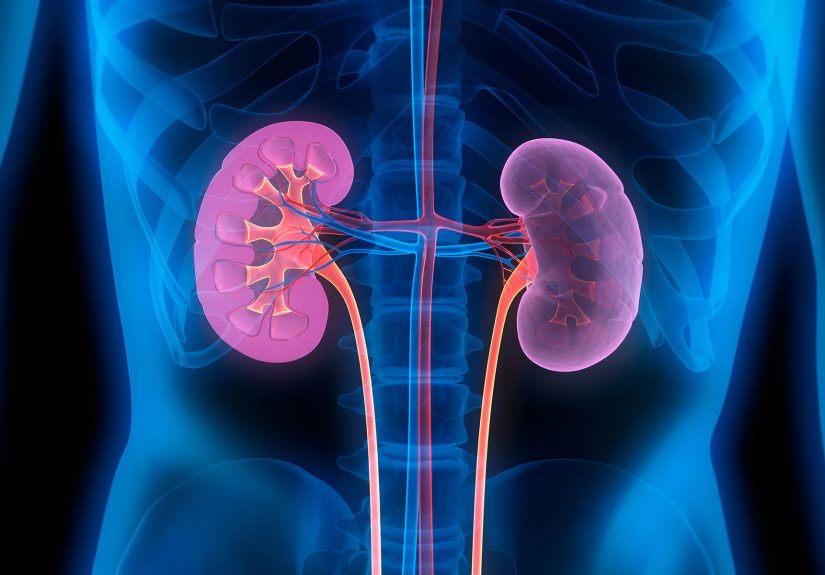
Kidney disease occurs when the kidneysthose two bean-shaped filters located just below your ribcagestop functioning properly. Their main job is to remove waste, balance fluid levels, regulate blood pressure, and keep important minerals like sodium, potassium, and calcium in check. Chronic kidney disease (CKD) develops gradually and can worsen over time. Acute kidney injury (AKI), on the other hand, can happen quickly due to severe dehydration, infections, medications, or sudden damage.
According to major U.S. health organizations, millions of Americans are living with CKD, many without knowing it. Why? Because kidney disease can be sneaky. Symptoms often show up only after significant kidney damage has already occurred. But with the right knowledge, you can catch warning signs earlyand protect your long-term health.
Causes of Kidney Disease
Kidney disease develops from a variety of factors. Some are lifestyle-related, while others are genetic or tied to medical conditions. Understanding these root causes can help you reduce risks and make informed choices.
1. Diabetes
The number one cause of kidney disease in the U.S., diabetes can damage the tiny blood vessels inside the kidneys, reducing filtration efficiency. Over time, high blood sugar levels can overwhelm the kidneyslike trying to clean an entire beach with a toothbrush.
2. High Blood Pressure
Chronic high blood pressure forces the kidneys to work harder than they’re designed to. This constant pressure can weaken blood vessels and eventually impair kidney function.
3. Heart Disease
Your heart and kidneys are best friendswhen one struggles, the other often feels the consequences. Reduced heart function can limit blood flow to the kidneys, causing long-term damage.
4. Genetic Conditions
Some people inherit kidney problems. Polycystic kidney disease (PKD), for example, causes fluid-filled cysts to form, impairing kidney tissues over time.
5. Infections and Autoimmune Disorders
Conditions like lupus and recurring kidney infections (pyelonephritis) can inflame kidney tissues and reduce their ability to function properly.
6. Overuse of Certain Medications
Long-term or high-dose use of nonsteroidal anti-inflammatory drugs (NSAIDs) such as ibuprofen may increase the risk of kidney damageespecially in people with underlying health conditions.
7. Dehydration and Poor Fluid Intake
Your kidneys depend on adequate hydration to flush out toxins. When you consistently don’t drink enough water, the kidneys struggle to filter efficiently.
Symptoms of Kidney Disease
Early kidney disease often has no obvious symptoms. But as kidney function declines, your body begins sending SOS signals that shouldn’t be ignored.
1. Fatigue and Weakness
When the kidneys can’t filter waste properly, toxins build up in the bloodstreamleading to persistent fatigue and difficulty concentrating.
2. Swelling in Legs, Ankles, or Feet
Because the kidneys help regulate fluids, failing kidneys can cause fluid retention, particularly in the lower extremities.
3. Changes in Urination
This may include foamy urine, increased nighttime urination, blood in urine, or decreased urine output.
4. Shortness of Breath
Fluid buildup in the lungs or anemia related to kidney disease can cause trouble breathing.
5. Muscle Cramps and Weakness
Imbalances in electrolytesespecially calcium and potassiumcan lead to cramps, twitching, or weakness.
6. Persistent Itching
Excess waste in the bloodstream may cause skin irritation and itchiness.
Treatment Options for Kidney Disease
Treatment depends on the stage and underlying cause of kidney disease. The goal is to slow disease progression, treat symptoms, and manage complications.
1. Medications
Doctors may prescribe medications to control blood pressure, manage blood sugar, reduce inflammation, or treat anemia. ACE inhibitors and ARBs are commonly used to protect kidney function.
2. Lifestyle Modifications
Changes such as reducing salt intake, staying hydrated, managing blood sugar levels, and eating a kidney-friendly diet can significantly improve kidney health.
3. Dialysis
When kidneys fail to filter waste effectively, dialysis is used to clean the blood. Hemodialysis and peritoneal dialysis are the two main types, each with different benefits and routines.
4. Kidney Transplant
In cases of end-stage kidney failure, a kidney transplant may be the best long-term treatment option. A healthy donor kidney can restore normal function and enhance quality of life.
5. Managing Underlying Conditions
Addressing root causessuch as treating diabetes or controlling hypertensionis essential to slowing disease progression.
Prevention of Kidney Disease
The good news? Many cases of kidney disease are preventable. You can make simple, consistent choices that protect your kidneys for the long haul.
1. Maintain a Healthy Diet
Focus on nutrient-rich foods: fruits, vegetables, lean proteins, whole grains, and heart-healthy fats. Limiting excessive salt, sugar, and processed foods helps the kidneys keep a balanced environment.
2. Stay Hydrated
Your kidneys love water. Drinking enough fluids daily helps them filter waste efficiently and reduces the risk of kidney stones.
3. Monitor Blood Pressure and Blood Sugar
Keep numbers in a healthy range to reduce stress on kidney tissues.
4. Exercise Regularly
Even moderate activitylike hitting 10,000 steps or dancing in your living roomcan improve cardiovascular health and support kidney function.
5. Avoid Overusing Pain Relievers
Use NSAIDs sparingly, and consult your doctor if you need long-term pain management strategies.
6. Get Regular Kidney Screenings
Early detection can make all the difference. If you have diabetes, hypertension, or a family history of kidney disease, regular monitoring is essential.
of Real-Life Experiences & Insights on Kidney Disease
Living with or caring for someone with kidney disease can be a transformative experienceemotionally, physically, and mentally. Many people describe the early stages of kidney disease as confusing, because symptoms can be subtle or mistaken for everyday tiredness. Someone might complain about feeling a little “foggy” or more exhausted than usual, brushing it off as a result of stress or poor sleep. It’s only after routine blood tests or a doctor’s visit that they discover their kidneys are working harder than they should.
One common experience shared across patient stories is the moment they learn about the importance of hydration. Many confess that they rarely drank water before their diagnosiscoffee, tea, and soda were the daily staples. After learning how essential hydration is for kidney function, they begin carrying water bottles everywhere as if preparing for a desert expedition. And slowly, they notice improvements: more energy, better digestion, and fewer muscle cramps.
Diet changes also become a meaningful part of the journey. Individuals with CKD often learn about phosphorus, potassium, sodium, and protein levelsthe “big four” of kidney nutrition. At first, this can feel overwhelming. Foods they never thought twice aboutlike bananas, potatoes, deli meats, cheese, and even certain canned soupssuddenly come under scrutiny. But with time, people become experts at creating kidney-friendly meals and discovering alternatives they love.
Emotionally, many describe kidney disease as a humbling experience. Needing dialysis, for example, can cause anxiety. The idea of spending multiple hours per week connected to a machine is daunting. Yet over time, patients often build strong relationships with their care teams and fellow dialysis patients. These connections create a support system that brings comfort and encouragement, turning a difficult process into a manageable routine.
Caregivers, too, share powerful insights. They often become the ones reminding loved ones to take medications, drink water, or stick with dietary guidelines. Balancing care responsibilities with personal life can be challenging, but many say the experience deepens their relationships and strengthens emotional bonds.
A recurring theme in these stories is the importance of early detection. Many people say they wish they had taken annual checkups more seriously. Kidney disease is much easier to manage in its early stages, and regular blood and urine tests can make all the difference in catching problems early.
Ultimately, the biggest lesson learned from those living with kidney disease is that small daily choices matter. Drinking enough fluids, limiting salt, staying active, and monitoring health numbersthese simple habits not only support kidney health but improve overall well-being. Kidney disease may be a lifelong journey, but with the right knowledge, support, and lifestyle adjustments, people can live fulfilling, active lives.
Conclusion
Kidney disease doesn’t have to be a silent threat. With early detection, proper care, and kidney-friendly lifestyle choices, you can protect your long-term health and keep your kidneys running smoothly. Think of your kidneys as your body’s hardworking cleanup crewthey deserve all the support they can get.