Table of Contents >> Show >> Hide
- What Is the Vinegar Epsom Salt Weed Killer Recipe?
- How Vinegar Weed Killer Actually Works
- The Truth About Epsom Salt in Weed Killer
- Where This Vinegar Weed Killer Recipe Works Best
- How to Make a Safer Vinegar Weed Killer Mix
- Important Safety and Environmental Tips
- Pros and Cons of the Vinegar Epsom Salt Weed Killer Recipe
- Smarter Strategies for Long-Term Weed Control
- Real-Life Experiences With Vinegar Weed Killer
- Final Thoughts
If the cracks in your driveway are starting to look like a tiny jungle, you’re not alone. Weeds have a special talent for showing up where they were never invitedbetween pavers, along the sidewalk, in that one corner of the gravel path you never quite reach with the mower. That’s where the famous vinegar Epsom salt weed killer recipe comes in. It’s all over social media, all over DIY gardening groups, and very likely already in your “screenshots to try later” folder.
But does this viral weed killer actually work? Is it safe for your yard, your soil, and the people and pets who live there? Let’s dig into what this popular recipe does well, where it falls short, and how to use a vinegar-based spray wisely so you can kill weeds fast without accidentally nuking the rest of your landscape.
What Is the Vinegar Epsom Salt Weed Killer Recipe?
The basic homemade weed killer you’ll see shared everywhere usually looks something like this:
- 1 gallon of white vinegar
- 2 cups of Epsom salt or table salt
- 1/4 cup of liquid dish soap
You mix everything together, pour it into a sprayer, and soak the weeds on a warm, sunny day. In photos and videos, the results look dramatic: leaves turning brown, stems drooping, and weeds shriveling up like they just starred in a garden horror movie.
Here’s the twist, though: according to horticulture experts, the real weed-killing power in that mix is not the Epsom salt at allit’s mostly the vinegar, with an assist from the dish soap. Epsom salt, which is magnesium sulfate, is actually a plant nutrient in many cases, not a true herbicide. Overusing it may even damage your soil instead of “helping” it.
How Vinegar Weed Killer Actually Works
Vinegar contains acetic acid, and that acid is what makes broadleaf weeds and tender young plants curl up and die. When you spray a vinegar solution directly on foliage, it dries out the plant’s leaf tissue by rupturing cells and stripping moisture. The more sun and heat you have, the faster this “desiccation” effect kicks in.
Most household white vinegar has around 5% acetic acid. That’s usually strong enough to seriously burn and often kill small, young weedsespecially those less than two weeks old or growing in shallow cracks. For tougher or more established weeds, gardeners sometimes use stronger “horticultural vinegar” (20–30% acetic acid), which is sold as an herbicide. That higher-strength vinegar is powerful but can also burn skin and eyes, so it requires goggles, gloves, and a lot of respect.
Dish soap doesn’t kill anything by itself, but it acts like a helper. It breaks the waxy coating on leaves so the vinegar clings better and penetrates more effectively. Think of the soap as the friend who holds the door open so vinegar can barge in and do the damage.
The Truth About Epsom Salt in Weed Killer
Epsom salt has a great PR team on the internet. It’s praised for everything from curing tomato problems to making roses bloom like crazy. In reality, Epsom salt is simply magnesium sulfate. Magnesium is a plant micronutrientsomething plants need in small amounts, especially for photosynthesis.
The catch? Many home gardens already have enough magnesium in the soil, especially if you regularly add compost or fertilizers. Dumping extra Epsom salt around for no good reason can:
- Increase soil salinity so roots struggle to take up water.
- Interfere with calcium uptake, which can lead to problems like blossom end rot in tomatoes.
- Leach into groundwater and contribute to water quality issues.
So when you add Epsom salt to your weed killer, you’re not making it “extra strong.” You’re mainly adding extra salt and magnesium that can linger in the soil and potentially stress nearby desirable plants.
In fact, many gardening pros now recommend skipping Epsom salt entirely in homemade weed killer mixes. Vinegar already does the heavy lifting; salt just increases the chance that nothing will grow in that spot for a long timeand not in a good, “weed-free forever” way, but more in a “scorched-earth driveway crack” way.
Where This Vinegar Weed Killer Recipe Works Best
Used carefully, a vinegar-based weed killer can be a fast, satisfying way to zap unwanted greenery in the right places. It shines in areas where you don’t need anything to grow, such as:
- Sidewalk and driveway cracks
- Gravel or crushed stone paths
- Along fence lines away from lawns or beds
- Between pavers on patios and walkways
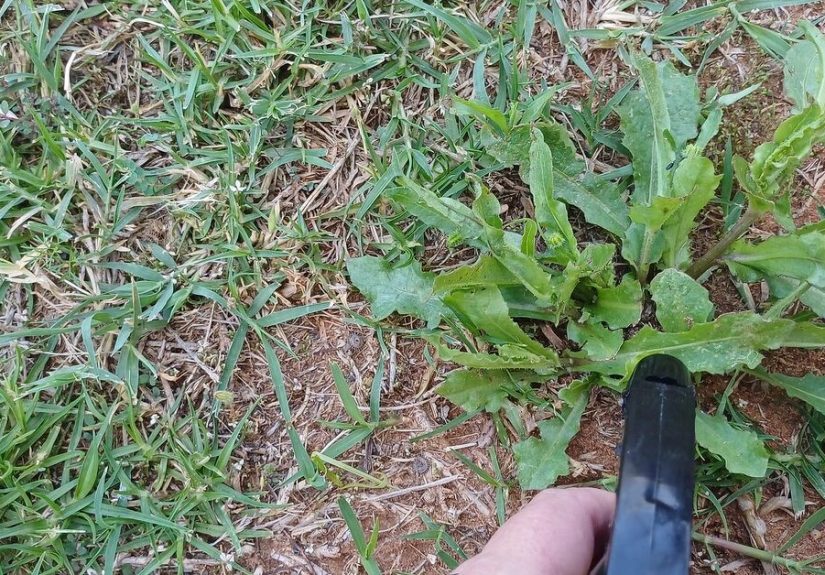
Because vinegar is non-selectiveit doesn’t care if it’s spraying a dandelion or your favorite perennialyou should avoid using it in lawns or mixed planting beds. If the spray drifts, it can burn the leaves of your flowers, shrubs, and even vegetables.
Another limitation: vinegar weed killer usually only damages the parts of the plant it touches. It’s very good at top-killing small annual weeds, but it doesn’t reliably reach deep roots or rhizomes. Perennial weeds like dandelions, plantain, or creeping charlie may bounce back from their root systems and need repeated treatments or, better yet, old-fashioned hand pulling combined with mulch.
How to Make a Safer Vinegar Weed Killer Mix
If you like the idea of a homemade weed spray but want to avoid unnecessary salt buildup, you can use a simple, streamlined recipe:
Basic Vinegar Weed Killer (No Epsom Salt Needed)
- 1 gallon white vinegar (5% acetic acid for ordinary use; stronger horticultural vinegar only with proper safety gear)
- 1–2 tablespoons liquid dish soap
Directions:
- Pour the vinegar into a garden sprayer or heavy-duty spray bottle.
- Add the dish soap and gently mix or swirl.
- On a warm, dry, sunny day, spray weeds until the foliage is thoroughly coated but not dripping everywhere.
- Avoid spraying on windy days, and shield nearby plants if necessary.
- Check back after 24 hours and reapply if needed, especially on tougher weeds.
This version still works quickly on tender weeds in hardscape areas, but it avoids dumping extra magnesium and salt into your soil. If you’re treating large or deeply rooted weeds, think of vinegar spray as the first punchfollow up by pulling or digging out the roots once the tops have browned.
Important Safety and Environmental Tips
“Homemade” doesn’t automatically mean “harmless.” Here are a few smart precautions whenever you use vinegar-based weed killers:
- Protect yourself. Wear gloves, long sleeves, and eye protection, especially with horticultural vinegar. Higher acetic acid solutions can burn skin and eyes.
- Keep pets and kids away while spraying. Vinegar is less risky than many synthetic herbicides, but it still stings if it gets in eyes or open cuts.
- Use it only where nothing needs to grow. Vinegar and salt can affect soil conditions, so stick to hardscape, gravel, or other non-planted areas.
- Don’t mix random chemicals. Combining cleaners, bleach, or other household products can create dangerous fumes. Stick to basic ingredients and never mix with bleach.
- Pair with other methods. For long-term weed control, combine vinegar sprays with mulching, hand weeding, and good lawn or bed care.
Pros and Cons of the Vinegar Epsom Salt Weed Killer Recipe
Pros
- Uses familiar household ingredients you probably already own.
- Works quickly on small, young weeds in sunny, dry conditions.
- Great for spot-treating hard-to-reach areas in hardscape.
- Avoids synthetic herbicides, which some homeowners prefer to limit.
Cons
- Non-selective: it can damage or kill any plant it touches, not just weeds.
- Often only top-kills weeds instead of reaching deep roots.
- Epsom salt doesn’t meaningfully improve weed control and can disrupt soil health if overused.
- Not ideal for lawns or densely planted beds.
- Multiple applications may be needed for tough perennials.
The bottom line: the vinegar Epsom salt weed killer recipe looks impressive in before-and-after photos, but the star of the show is vinegarnot the Epsom salt. If you want to kill weeds fast in cracks and gravel, a vinegar-and-soap mix is usually all you need, paired with good timing and a sunny day.
Smarter Strategies for Long-Term Weed Control
A quick spray is satisfying, but long-term weed control always comes back to gardening fundamentals. To keep weeds from constantly reappearing, try pairing your vinegar weed killer with these strategies:
- Mulch generously. A 2–3 inch layer of mulch in flower beds and around shrubs blocks light and makes it much harder for weed seeds to sprout.
- Hand-weed regularly. Pulling weeds when they’re small (before they set seed) is one of the most effective, eco-friendly methods you can use.
- Edge and maintain hardscape. After killing weeds in driveway or patio cracks, remove the dead plants and fill the gaps with caulk, sand, or polymeric jointing material to give weeds fewer places to establish.
- Keep lawns dense. Thick, healthy turf naturally crowds out many weeds. Overseed bare spots, mow at the right height, and water wisely.
- Consider registered natural herbicides. If you want a ready-made spray, look for EPA-registered products made with acetic acid or plant-based oils. They’re labeled, tested, and come with clear instructions.
Real-Life Experiences With Vinegar Weed Killer
Gardeners love to experiment, and this recipe definitely gets put to the test in real backyards. Here are some common experiences and takeaways from using a vinegar-based weed killer, inspired by what many home gardeners share:
1. The driveway transformation. One weekend warrior finally got tired of the green line marching down the middle of the driveway. After mixing a vinegar-and-soap solution (no Epsom salt this time), they sprayed the cracks on a bright, dry afternoon. By the next day, the once-cheery plantain and dandelions were limp and brown. A few days later, a quick scrape with a putty knife and a shop-vac made the cracks look almost new. The big lesson? Vinegar was excellent for a fast cleanupbut filling the cracks afterward was the real long-term fix.
2. The “oops, I hit my flowers” moment. Another gardener aimed at a clump of weeds along a gravel path. The breeze shifted at the worst possible second, and a fine mist of vinegar landed on the leaves of some nearby perennials. The result: scorched, yellowing patches on the ornamental plants. They recovered over time, but it was a reminder that “natural” does not mean “forgiving.” From then on, this gardener used cardboard or a piece of plywood as a shield when spraying near anything precious.
3. The repeat offender weed patch. Someone with a stubborn patch of broadleaf weeds in a gravel parking area tried the vinegar Epsom salt recipe and loved the quick browning effect. But a few weeks later, new green shoots appeared from the same spots. The top growth had been fried, but the roots were still very much alive. The gardener eventually combined vinegar sprays with hand pulling and then laid down fresh gravel. The verdict: vinegar was great as a “first strike,” but not a magic one-and-done solution.
4. The soil-conscious gardener. A more soil-focused homeowner decided to skip Epsom salt altogether after learning it doesn’t really help kill weeds and can alter soil nutrient balance. They used a simple vinegar-and-soap mix only on hardscape and stuck to mulch and hand weeding in beds. Over time, they noticed fewer weeds overall and healthier plants in the areas where they avoided extra salts.
5. The kid-and-pet household. In a yard where toddlers and dogs roam freely, the family wanted to reduce reliance on traditional herbicides. They switched to a combination of hand pulling, mulching, and occasional vinegar sprays on driveway cracks. They stored their vinegar solution safely, followed label precautions when using stronger horticultural vinegar, and always kept kids and pets indoors while spraying. The result wasn’t a perfectly weed-free yard (spoiler: that doesn’t exist), but it was a manageable, safer-feeling routine that fit their comfort level.
All of these experiences point to the same big idea: a vinegar weed killer can absolutely be part of a smart, practical approach to weed controlas long as you use it thoughtfully, understand its limits, and don’t expect it to replace every other tool in your garden toolkit.
Final Thoughts
“Kill weeds fast” always sounds tempting, especially when you’re staring at a driveway full of dandelions. The famous vinegar Epsom salt weed killer recipe delivers fast visual results, but the science says vinegar and soap are really doing the work. Epsom salt is more of an unnecessary extra that can cause soil problems if overused.
If you treat this recipe as a targeted, occasional toolgreat for hardscape cracks and gravel areasand complement it with good gardening practices like mulching, hand weeding, and dense plantings, you’ll be way ahead of the game. Your paths will look cleaner, your beds will be healthier, and you can retire that “mini jungle in the driveway” look for good.