Table of Contents >> Show >> Hide
- What Is a Trespa TopLab Countertop, Exactly?
- Why Consider TopLab for a Kitchen?
- Performance Reality Check: What It’s Great At (and What It Isn’t)
- Design and Aesthetics: Making “Lab-Grade” Look Like “Home”
- Installation and Fabrication Tips That Make or Break the Result
- Care and Cleaning: Keep It Simple (and Avoid the Weird Stuff)
- Pros, Cons, and Comparisons to Popular Countertop Materials
- Is a Trespa TopLab Countertop Worth It for a Kitchen?
- Kitchen-Friendly FAQ
- Conclusion
- Real-World Experiences: of “Living With It” Energy
If your kitchen countertop had a résumé, most would say things like “handles coffee spills” and “survived one Thanksgiving.” A Trespa TopLab countertop shows up with a different vibe: “Used in labs. Familiar with aggressive cleaners. Not impressed by chaos.”
Trespa TopLab was designed for scientific and educational environments, but the reasons it thrives in a lab are the same reasons it can shine in a real-life kitchen: it’s dense, non-porous, easy to clean, and built for repeated daily use. In other words, it’s the kind of surface that doesn’t panic when your pasta sauce goes rogue.
What Is a Trespa TopLab Countertop, Exactly?
Trespa TopLab is a high-performance compact laminate/phenolic-resin-based panel system engineered for work surfaces and cabinetry in demanding interiors. Think “lab-grade worktop” rather than “decorative sheet laminate.” Instead of being a thin decorative layer glued to a substrate (like many traditional laminate counters), compact laminate is built up from layers impregnated with thermosetting resins, pressed under high pressure, and finished with a tough, closed surface.
TopLab is sold in several “flavors,” and knowing the differences helps you choose the right one for a kitchen:
- TopLab PLUS: Designed for harsh environments where chemical resistance and frequent cleaning are a priority. Great for households that clean like they’re prepping for a cooking show finale.
- TopLab BASE: Built for heavy use, impact, wear, and frequent cleaningoften chosen where chemical resistance isn’t the main concern but durability is.
- TopLab VERTICAL: Made for vertical surfaces like backsplashes, wall panels, and other areas that take splashes, bumps, and wipe-downs.
Why Consider TopLab for a Kitchen?
Most people start exploring TopLab for the same reason they start exploring “indestructible phone cases”: life is messy, and they’re tired of babysitting their surfaces. Here’s where TopLab tends to stand out in a kitchen context.
1) Non-porous and hygiene-friendly
A closed, non-porous surface means everyday messes stay on the surface instead of soaking in. That’s good news for common kitchen offenders like coffee, turmeric, wine, beet juice, and “mystery drip from the takeout container.” It also means cleaning is straightforward: wipe, rinse, done.
2) Built for frequent cleaning (including stronger cleaners)
Many countertop materials can look great but get cranky when you clean them too enthusiastically. TopLab is designed for repeated wipe-downs and disinfecting. If your household includes toddlers, roommates, or a passionate sourdough hobbyist, a surface that tolerates frequent cleaning is a real quality-of-life upgrade.
3) Durable under daily wear
TopLab BASE, in particular, is commonly used where impact and wear resistance matter. For kitchens, that translates to fewer worries about dropped mugs, sliding small appliances, or the occasional “oops” with a heavy Dutch oven.
4) It doesn’t ask for “maintenance rituals”
No sealing schedules. No special stone oil. No “use only pH-neutral unicorn tears.” Day-to-day care is more like: mild cleaner + soft cloth + living your life.
Performance Reality Check: What It’s Great At (and What It Isn’t)
No countertop material is perfect. The smart move is matching the material to how you actually cook, clean, and liverather than how you behave in your best imaginary self’s kitchen.
Stains and spills
Because the surface is closed and non-porous, most household spills wipe up easily, even if they sit longer than they should. For colored spills (curry, red wine, tomato sauce), your best habit is still “wipe sooner,” but TopLab is generally forgiving compared with more porous options.
Moisture and humidity
Kitchens are humid, steamy, splashy places. TopLab is built with moisture resistance in mindone of the reasons it’s popular for worktops that see frequent cleaning. That said, good fabrication details still matter (especially around sink cutouts and seams).
Scratches and cutting
TopLab is tough, but it’s not a cutting board. Use one. Not because the surface will instantly fall apart if you don’t, but because knives are basically tiny, determined chisels. You’ll protect the finish and keep your counters looking new longer.
Heat
Here’s the honest answer: TopLab has documented resistance to heat, but it’s still not a “park a blazing skillet here forever” surface. Use trivets and hot pads as standard practiceespecially for cast iron, broilers, and anything that just left the oven at “surface-of-the-sun” temperatures.
Open flame and “hot zone” placement
If you have a gas cooktop, don’t treat the area right next to open flame like a parking spot for scorching-hot pans. Heat shields, smart layout, and basic kitchen habits go a long way. (Your eyebrows will also appreciate this plan.)
Design and Aesthetics: Making “Lab-Grade” Look Like “Home”
The word “laboratory” can make people picture sterile white rooms and dramatic goggles. But TopLab finishes are meant to be attractive and timeless, with color palettes that work beyond institutions.
Finish matters more than you think
In a kitchen, a matte finish often looks calmer and hides fingerprints better, while glossier finishes can feel more modern but show smudges faster. If you have kids, pets, or a partner who treats the fridge handle like a pull-up bar, matte can be your best friend.
Edge options and the “modern slab” look
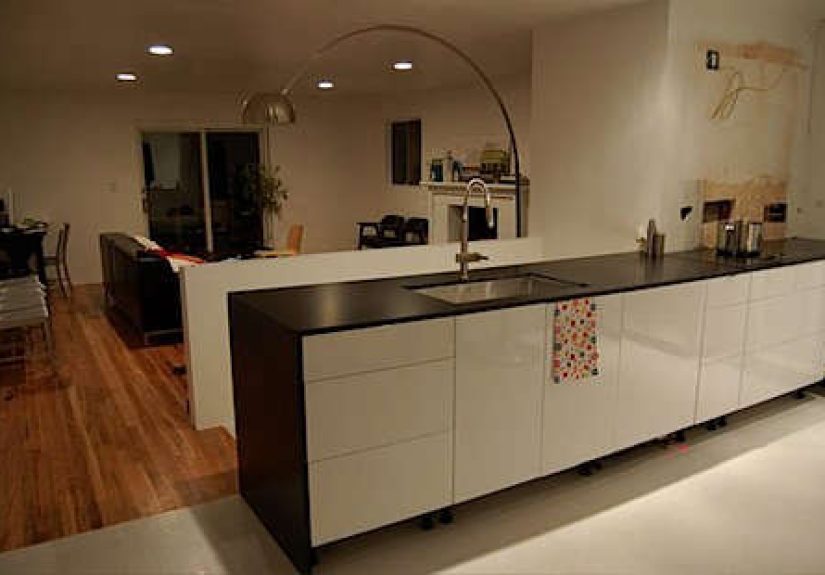
Compact laminate counters can pull off a clean, thin-profile look that reads modernespecially in minimalist kitchens. Edge finishing can be tailored (for example, softened edges for comfort). The edge can also become a design detail, depending on the panel core and finish selection.
Color pairing ideas
- Soft gray TopLab + white cabinets: Bright, contemporary, and easy to live with.
- Deep charcoal TopLab + warm oak: Modern with a cozy, grounded feel.
- Neutral TopLab + bold backsplash: Let the wall bring the drama while the counter stays calm.
Installation and Fabrication Tips That Make or Break the Result
This is the part many homeowners skip right up until the moment something looks “a little off.” With TopLab, professional fabrication matters, and the details below are the difference between “wow” and “why is that seam yelling at me?”
Use an experienced fabricator
TopLab panels are machinable, but they’re not installed the same way as stone. A fabricator familiar with phenolic/compact laminate can handle clean cutouts, proper support, seam strategy, and edge finishing.
Plan seams like you plan outlets: strategically
Even great seams are still seams. In a kitchen, place them away from sink splash zones when possible, and avoid putting a seam where it will be constantly soaked. If your layout forces a seam near the sink, detail it carefully and keep it protected.
Sinks: undermount, drop-in, and the “don’t wing it” rule
TopLab can be used with undermount or drop-in sinks, but the cutout finishing and mounting approach should be handled correctly. The key is clean machining, proper bracket support, and thoughtful sealing so water doesn’t get invited into places it shouldn’t live.
Backsplashes and vertical protection
Consider using TopLab VERTICAL (or a matching panel solution) for a backsplash behind the sink or prep area. It’s a practical way to create a cohesive “wipeable zone” where cooking mess tends to happen.
Don’t over-tighten fasteners; allow natural movement
Like many panel materials, compact laminates expand and contract slightly with temperature and humidity. Installation should allow for that movement instead of fighting it, because fighting materials is how you end up with stress, noise, or long-term issues.
Care and Cleaning: Keep It Simple (and Avoid the Weird Stuff)
A TopLab countertop is happiest when you treat it like a high-quality surface, not a science experiment.
Daily cleaning
- Use a soft cloth or sponge with mild dish soap and water.
- Rinse and wipe dry to reduce spotting (especially in hard-water areas).
Disinfecting and deeper cleaning
For heavier cleaning moments (raw chicken prep, flu season, or “I dropped something and now I’m emotionally disinfecting”), use a cleaner appropriate for non-porous surfaces and follow label directions. Avoid abrasives that can dull the finish over time.
Sticky, greasy, or stubborn spots
Most kitchen gunk comes off with patience, not aggression. Let a gentle cleaner sit briefly, then wipe. If you reach for harsh pads or powders, you’re basically trading a temporary mess for a permanent “matte spot” trophy.
What to avoid
- Abrasive scouring pads and powdered abrasives (they can scratch or dull the finish).
- Leaving scorching-hot cookware directly on the surface (use trivets).
- “DIY chemistry” mixtures you found in a comment section (save that energy for sourdough).
Pros, Cons, and Comparisons to Popular Countertop Materials
TopLab vs. quartz
Quartz is popular for its looks and low porosity, but it can be sensitive to high heat and can discolor with certain exposures. TopLab brings a different strength profile: durable, wipeable, and designed for repeated cleaning. If your home runs on disinfecting wipes and constant meal prep, TopLab can be compelling.
TopLab vs. granite or marble
Natural stone is beautiful, but some stones need sealing and can be affected by acids (hello, lemon juice and vinegar). TopLab doesn’t require sealing and is generally more “set-it-and-forget-it” for many households.
TopLab vs. standard laminate
Traditional laminate counters can be budget-friendly and stylish, but they often rely heavily on the substrate and edge/seam detailing for moisture performance. Compact laminate/phenolic-style worktops tend to be denser and more robust in demanding environments. Translation: fewer worries when life happensif fabrication is done right.
TopLab vs. stainless steel
Stainless steel is a hygiene superstar but scratches in a way that becomes part of its “patina.” TopLab offers an easy-clean surface with a warmer, more residential look.
Is a Trespa TopLab Countertop Worth It for a Kitchen?
If your priorities are durability, cleanliness, low maintenance, and a modern look, TopLab can be a strong contenderespecially for busy households, rental properties you want to “future-proof,” or kitchens that double as craft zones, homework stations, and snack factories.
Value isn’t just the purchase price; it’s also how the surface behaves over time. A countertop that stays attractive with normal use (and doesn’t punish you for being human) can be worth paying more for than a cheaper surface you replace sooner.
Kitchen-Friendly FAQ
Can I put hot pans directly on it?
You can do it once and probably survive, but you shouldn’t do it as a lifestyle. Use trivets and hot pads as standard practice.
Is it food-safe?
TopLab products are commonly certified and tested for properties relevant to hygiene and food contact in professional settings. In a home kitchen, it behaves like other non-porous, easy-clean countertop surfaces.
Does it need sealing?
No. That’s one of the big appeals: it’s designed to be low maintenance.
Will it scratch?
Like any surface, it can scratch under the right conditions. Use cutting boards and avoid abrasive pads, and you’ll preserve the finish.
Can I do a waterfall edge?
Often, yesdepending on thickness, support strategy, and the fabricator’s approach to seams and edge finishing. Talk through design details early so it looks intentional, not improvised.
Is TopLab only for “lab-looking” kitchens?
Not at all. With the right color/finish pairing, it can feel warm, modern, minimalist, or even quietly classic.
Conclusion
A Trespa TopLab countertop is the kitchen equivalent of a well-built work boot: it’s made to perform, it’s comfortable in demanding conditions, and it doesn’t need constant attention to do its job. If you want a surface that’s easy to clean, stands up to daily life, and keeps its cool when your kitchen gets loud, TopLab deserves a serious lookespecially when paired with a skilled fabricator who knows how to detail seams, sink cutouts, and support.
And if anyone asks why your counter sounds like it belongs in a lab, you can say: “Because my kitchen is a lab. I’m experimenting with tacos.”
Real-World Experiences: of “Living With It” Energy
Because I can’t move into your kitchen (and honestly, I’d just make crumbs), here’s what “day-to-day life” with a TopLab-style worktop typically feels likebased on common homeowner priorities and the way the material is engineered to behave.
The Monday Morning Coffee Incident
Imagine you set down a travel mug that’s doing that slow-motion drip. On some surfaces, you’d notice it hours later and wonder if you’ve just adopted a permanent brown ring. With a non-porous, closed surface, the usual experience is boring in the best way: wipe it up and move on. The countertop doesn’t absorb, and you don’t need a special ritualjust a cloth and mild soap. If your household runs on caffeine and chaos, “boring cleanup” is a luxury.
The “I Cook With Turmeric” Confidence Test
Turmeric is delicious and also behaves like a tiny yellow tattoo artist. The practical routine is to wipe spills sooner rather than later, but the surface is designed to tolerate frequent cleaning. That changes the emotional tone of cooking: you stop hovering over the counter like it’s wearing a white tuxedo. You still use common sense (don’t let curry sit overnight as a science project), but you’re not living in fear of every splash.
Kids, Crafts, and the Snack Tornado
Many kitchens aren’t just kitchensthey’re homework stations, craft tables, and snack distribution centers. That’s where TopLab’s “work surface” DNA feels most at home. Think: pencils, glue sticks, the occasional marker situation, and crumbs that appear out of thin air. A wipeable surface with strong resistance to daily wear is less likely to make you regret letting your kid build a popsicle-stick bridge next to the fruit bowl.
Cleaning Day Without the Drama
If your cleaning style is “quick wipe after dinner,” you’ll appreciate that the surface doesn’t demand more. If your cleaning style is “I’m erasing all evidence that humans live here,” you’ll appreciate that the material is designed for frequent cleaning and disinfecting. The most common “lesson learned” is to avoid abrasive padsbecause the countertop doesn’t need them, and they’re the fastest way to dull a finish you otherwise love.
The Heat Habit Adjustment
The biggest behavioral shift tends to be heat management. People who are used to stone sometimes get casual about setting down hot cookware. With TopLab, the happy pattern is simple: keep a trivet near the stove (or two, if you’re ambitious). Once that habit clicks, everything else feels easy. Many homeowners end up saying the same thing: “It’s not fragileit just expects me to use a hot pad like a grown-up.” Fair.
The Long-Term Feel
Over time, the standout “experience” is that the countertop stays consistent. It doesn’t ask for sealing. It doesn’t punish you for wiping it down often. And it keeps looking like the surface you choserather than slowly evolving into a scrapbook of stains, etches, and regrets. If you want your kitchen to be a place you actually use (not a museum exhibit titled Do Not Touch), that consistency is the whole point.