Table of Contents >> Show >> Hide
- First, the 30-second truth: Food helps symptoms; medicine clears the bacteria
- How to build an H. pylori-friendly eating style
- The best foods to eat when you have H. pylori
- Gentle carbohydrates (easy energy, less irritation)
- Lean proteins (healing support without the grease parade)
- Low-acid fruits (vitamins without the citrus “sting”)
- Cooked vegetables (especially soothing options)
- Probiotic foods (may help gut comfort during treatment)
- Polyphenol-rich picks (plant compounds under study)
- Cruciferous vegetables (including broccoli sprouts)
- Soothing drinks and add-ons (simple comfort)
- Foods that often make H. pylori symptoms worse (and easier swaps)
- A simple 1-day meal plan (mix-and-match)
- Eating during antibiotic treatment: how to make it less miserable
- When to get medical help (don’t “power through” these)
- Wrap-up: Your stomach wants calm, not perfection
- Experiences People Commonly Have With H. pylori (and what they often eat)
If you’ve been told you have H. pylori, congrats (??) you’ve met a tiny stomach “roommate” that’s way too comfortable. The good news:
it’s treatable. The slightly annoying news: while meds do the heavy lifting, what you eat can make the ride a whole lot less bumpy.
This guide is a practical, stomach-friendly foods-to-eat list for H. pylori, plus easy swaps, a sample day of meals, and a
real-world “what it actually feels like” section at the end. It’s written for regular humans (not robots) and designed to be easy to skim.
Important: food can help manage symptoms, but it does not replace medical treatment. If you’re on antibiotics,
finish the course exactly as prescribed.
First, the 30-second truth: Food helps symptoms; medicine clears the bacteria
H. pylori is a bacterium that can inflame the stomach lining and contribute to gastritis and ulcers. Standard care typically uses a
combination of acid suppression (often a proton pump inhibitor) plus antibiotics (and sometimes bismuth).
Diet alone usually won’t eradicate the infection but the right foods can help you feel better while your stomach heals.
Also worth knowing: major medical sources note that there’s no single “magic ulcer diet.” Many people still benefit from tailoring food choices
to reduce irritation and reflux-y misery. Translation: your stomach may not care about internet food wars, but it definitely cares about what
you tolerate.
How to build an H. pylori-friendly eating style
1) Choose “gentle” foods most of the time
When your stomach lining is inflamed, “gentle” usually means: lower fat, less acid, not spicy-hot, and easy to digest. Think comfort food, not chaos food.
2) Go cooked before raw (at least temporarily)
Cooked veggies and fruits (baked apples, steamed carrots, soups) are often easier on symptoms than big raw salads, especially if you’re nauseated or bloated.
3) Eat smaller, more frequent meals if you’re uncomfortable
A giant meal can sit heavy and increase burning. Smaller portions can reduce pressure on your stomach and lower the odds of “why do I feel worse now?”
4) Add supportive foods, but don’t over-hype them
Some foods (like probiotic yogurt or broccoli sprouts) have been studied for possible benefits alongside treatment. The results are mixed,
and they’re not a substitute for meds but they can be reasonable add-ons if they don’t aggravate symptoms.
The best foods to eat when you have H. pylori
Below is the “yes, please” list organized by what your stomach generally tolerates well, plus what research suggests may be helpful
as part of a supportive H. pylori diet.
Gentle carbohydrates (easy energy, less irritation)
- Oatmeal (plain or lightly sweetened; add banana or cooked apples)
- Rice (white rice is often easiest during flares; brown rice if you tolerate fiber well)
- Potatoes and sweet potatoes (baked, mashed, roasted go light on butter)
- Whole-grain toast or plain bread (choose what you tolerate)
- Pasta (simple sauces; avoid heavy tomato or very spicy options if they trigger burning)
Why it helps: these foods are typically low acid and can “buffer” your stomach, especially when medications make you queasy.
Lean proteins (healing support without the grease parade)
- Skinless chicken or turkey (baked, grilled, or in soup)
- Fish (salmon, cod, tilapia; baked or steamed)
- Eggs (scrambled, boiled, poached)
- Tofu and edamame
- Beans and lentils (start small if they cause gas; try well-cooked lentil soup)
Tip: if you’re nauseated, proteins in smaller portions (like eggs or tofu) can be easier than a huge slab of meat.
Low-acid fruits (vitamins without the citrus “sting”)
- Bananas
- Melons (cantaloupe, honeydew, watermelon)
- Pears
- Apples (baked or applesauce if raw bothers you)
- Berries (if tolerated; keep portions modest if they feel too tart)
If citrus triggers burning, skip oranges, grapefruit, lemon-heavy drinks, and super-acidic fruit smoothies for now.
Cooked vegetables (especially soothing options)
- Carrots, zucchini, green beans
- Spinach (cooked)
- Squash (butternut, acorn)
- Peas
- Oat-thickened veggie soups or blended soups
Hot tip: if salads make you feel worse, you’re not “bad at health.” Your stomach is simply requesting a softer playlist.
Probiotic foods (may help gut comfort during treatment)
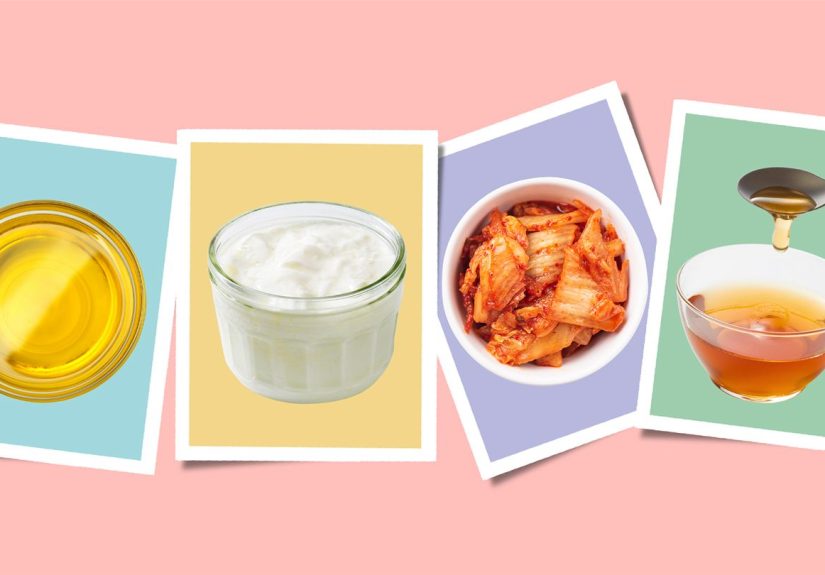
- Yogurt with live and active cultures (plain is best; add honey or banana for sweetness)
- Kefir (drinkable cultured dairy)
- Fermented vegetables like sauerkraut (rinse lightly if very salty or acidic; try small amounts)
- Miso (miso soup can be gentle; watch sodium)
Why people try these: probiotics are commonly used to support the gut during antibiotics, and research suggests they may reduce
antibiotic-associated diarrhea in some cases. That said, they’re not guaranteed, and they’re not “H. pylori nukes.”
Polyphenol-rich picks (plant compounds under study)
- Green tea (if caffeine doesn’t irritate you; try decaf if coffee is a trigger)
- Berries and blueberries (often easier than citrus)
- Cranberry juice (unsweetened or low-sugar; some studies suggest possible suppression support)
- Olive oil (use in small amounts; avoid deep-frying)
The vibe here: promising-but-not-miraculous. If cranberry juice helps, great. If it makes you feel like you swallowed a sour battery,
absolutely do not force it for “wellness points.”
Cruciferous vegetables (including broccoli sprouts)
Cruciferous veggies (broccoli, cabbage, cauliflower) contain compounds that have been researched for antimicrobial and anti-inflammatory effects.
Broccoli sprouts are especially studied because they’re rich in sulforaphane. Human research has explored whether regular broccoli sprout intake
may reduce colonization and inflammation markers.
- Broccoli (steamed, roasted)
- Cabbage (cooked; avoid very spicy kimchi if it triggers symptoms)
- Broccoli sprouts (food safety note below)
Food safety note: raw sprouts can carry a higher risk of foodborne illness. If you’re pregnant, immunocompromised, or simply not interested
in gambling, consider cooked sprouts or discuss safer forms with your clinician.
Soothing drinks and add-ons (simple comfort)
- Water (small sips through the day)
- Chamomile or ginger tea (if tolerated)
- Honey (small amounts in tea or yogurt; not for infants)
- Broth-based soups
Foods that often make H. pylori symptoms worse (and easier swaps)
These foods don’t necessarily “feed” the bacteria, but they can worsen irritation, reflux, or pain when your stomach lining is already inflamed.
If you feel fine eating something on this list, you’re allowed to keep living your life. If you don’t, your stomach is basically voting “no.”
Common triggers
- Spicy foods (hot peppers, heavy chili sauces)
- Highly acidic foods (citrus, vinegar-heavy foods, some tomato products)
- Fried and high-fat foods (greasy fast food, deep-fried anything, heavy cream sauces)
- Caffeine (coffee, strong tea, energy drinks, some sodas)
- Alcohol (can irritate the stomach and may clash with certain medications)
- Chocolate and peppermint (can worsen reflux in some people)
- Very salty/processed foods (not great for overall stomach health patterns)
Smart swaps
- Swap spicy salsa for a mild cucumber-yogurt sauce (if dairy sits well)
- Swap citrus drinks for water, herbal tea, or diluted low-sugar juice
- Swap fried chicken for baked chicken + mashed sweet potatoes
- Swap coffee for decaf tea, low-acid coffee, or warm water with a little honey
A simple 1-day meal plan (mix-and-match)
Use this as a starting point. Adjust portions and foods based on your appetite and symptoms.
Breakfast
- Oatmeal cooked with water or milk + sliced banana
- Optional: a spoonful of plain yogurt on top
- Chamomile tea
Mid-morning snack
- Applesauce or a ripe pear
- Water
Lunch
- Rice bowl: steamed rice + shredded turkey or tofu + cooked spinach + olive oil drizzle
- Optional: mild broth-based soup
Afternoon snack
- Kefir or yogurt (if tolerated)
- A small handful of berries (if they don’t feel too tart)
Dinner
- Baked salmon (or chicken) + roasted sweet potato + steamed broccoli
- Ginger tea after dinner if nausea is a thing
Eating during antibiotic treatment: how to make it less miserable
H. pylori therapy can be effective, but it can also be a lot: multiple pills, multiple times a day, and side effects like nausea, taste changes,
loose stools, or stomach upset.
Practical tactics
- Don’t take meds on an empty stomach unless your prescription specifically says to do so.
- Keep meals bland if nausea flares: oatmeal, rice, toast, bananas, broth soups.
- Hydrate especially if you have diarrhea.
- Consider probiotic foods if you tolerate them (yogurt/kefir). Some people find they help with antibiotic-related gut issues.
- Double-check alcohol warnings on your medication labels. Some antibiotics do not mix well with alcohol.
When to get medical help (don’t “power through” these)
Call your clinician promptly (or seek urgent care) if you have:
- Black/tarry stools or vomiting blood
- Severe, worsening abdominal pain
- Unexplained weight loss, trouble swallowing, or persistent vomiting
- Symptoms that don’t improve after treatment, or return quickly
Wrap-up: Your stomach wants calm, not perfection
The best “diet for H. pylori” is usually a symptom-friendly way of eating while you follow the treatment plan that actually clears the infection.
Aim for gentle carbs, lean proteins, cooked produce, and probiotic foods if tolerated. Avoid your personal triggers which commonly include spicy, acidic,
fatty foods, and caffeine and keep meals smaller when your stomach is acting dramatic.
Experiences People Commonly Have With H. pylori (and what they often eat)
Let’s talk about the part that doesn’t fit neatly into a medical handout: how it can feel day-to-day. People often describe H. pylori symptoms as a weird mix
of “I’m hungry” and “I regret food.” Some wake up with gnawing pain, others get burning after meals, and many deal with bloating or nausea that comes and goes
like it has its own calendar.
One of the most common experiences is realizing that tolerance is highly individual. Two people can have the same diagnosis and totally different
trigger foods. That’s why many people end up doing a short “reset” phase: a week or two of very gentle meals (oatmeal, rice, eggs, soup, bananas, mashed
potatoes), then slowly adding foods back in. It’s not glamorous, but it can be surprisingly effective at figuring out what actually causes flare-ups.
Another frequent theme: cooked foods feel safer than raw foods, at least early on. People often say salads, raw onions, and big bowls of crunchy
vegetables can feel like a lot when the stomach lining is irritated. Switching to steamed veggies, blended soups, or roasted vegetables can make meals feel
satisfying without the “stomach protest.” Even fruit sometimes goes better baked or as applesauce.
During antibiotic therapy, many people report that the hardest part isn’t always the stomach pain it’s the side effects: metallic taste, nausea, changes in
bowel movements, and appetite swings. That’s where simple foods really shine. People often lean on bland carbs (rice, toast, oatmeal) and small portions of lean
protein. Yogurt or kefir comes up a lot in personal routines, especially when diarrhea or gut discomfort shows up. Some people keep it very simple: “If I can
eat breakfast and not feel worse, I’m winning.”
A surprisingly common “aha” moment is that timing matters. Many people feel better when they stop eating a big meal late at night, or when they
avoid long gaps that lead to intense hunger and then overeating. Smaller meals spaced through the day can reduce the roller coaster effect. People also often
mention that staying hydrated helps more than they expected not as a cure, but as a way to feel less wiped out when the stomach is upset.
Finally, people frequently say the emotional part is real: constant stomach discomfort can make meals stressful, and stress can make symptoms feel louder.
Building a short list of “safe meals” can reduce decision fatigue. Think: oatmeal + banana, rice bowl + tofu, chicken soup, baked potato + steamed veggies.
It’s not forever just a bridge while treatment works and the stomach lining calms down. And yes, it’s totally normal to celebrate the first day you can drink
coffee again like it’s a national holiday.