Table of Contents >> Show >> Hide
- Why Milk Glass Lamps Are Worth the Makeover
- Before You Start: Quick Safety + Planning Checklist
- Supplies for a Milk Glass Lamp Makeover
- Step-by-Step: The Makeover That Actually Looks “Done”
- Step 1: Take “Before” Photos (Yes, Really)
- Step 2: Disassemble the Parts You Can Safely Remove
- Step 3: Clean Milk Glass the Gentle Way
- Step 4: Decide: Keep the Base as-is or Paint It
- Step 5: Prep the Base (The Step That Makes Paint Look Expensive)
- Step 6: Paint Like a Pro (Light Coats Win)
- Step 7: Refresh the Hardware for a Cohesive Look
- Step 8: Shade Strategy (This Is Where the Style Lives)
- Step 9: Bulb Choice for the Best Milk Glass Glow
- Step 10: If the Lamp Needs Electrical Work, Here’s the Safe Way to Handle It
- Design Recipes: 6 Milk Glass Lamp Looks That Always Work
- Troubleshooting: Common Problems (and Fixes That Don’t Look Like Fixes)
- How Much Does a Milk Glass Lamp Makeover Cost?
- Care Tips: Keep Milk Glass Looking Bright (Not Dingy)
- Extra: Real-World Makeover Experiences (The 500-Word “What I Wish I Knew” Section)
- Conclusion
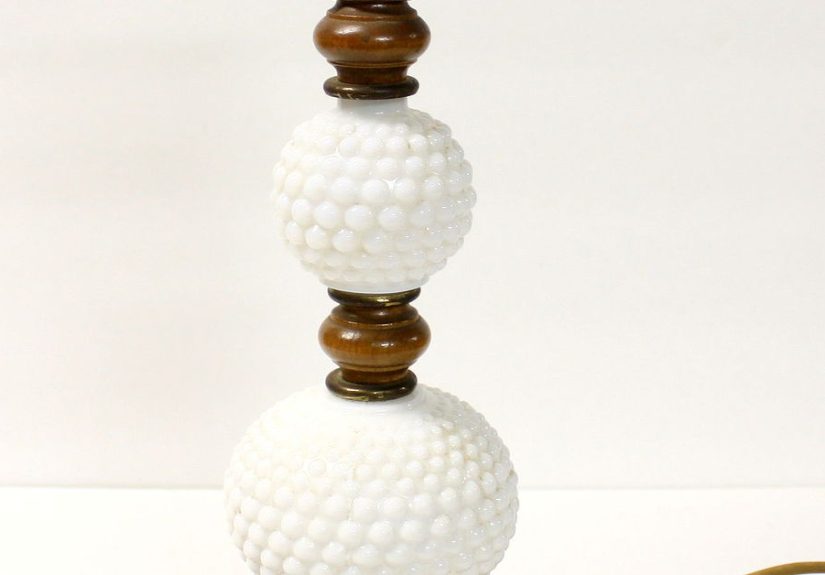
Milk glass lamps are the thrift-store equivalent of finding a designer bag with a loose button: they look fancy, they glow beautifully, and with a little TLC they can go from “grandma’s guest room” to “wow, where did you get that?”
This guide walks you through an in-depth milk glass lamp makeovercleaning, restoring shine, refreshing the base and hardware, styling the shade, and getting that light just right. We’ll also talk safety and when to hand off the electrical part to a qualified adult or pro, because “DIY glow-up” should never turn into “DIY smoke test.”
Why Milk Glass Lamps Are Worth the Makeover
Milk glass (that dreamy, opaque white glass) diffuses light in a way that feels softer than clear glass and more elegant than harsh, bare bulbs. It works in almost any stylecoastal, cottage, modern, even glambecause it’s neutral without being boring.
What makes milk glass special?
- Soft glow: The opaque finish spreads light evenly, reducing glare.
- Vintage character: Many milk glass lamps have curves, details, and weight you don’t see in mass-market décor.
- Mix-and-match friendly: Milk glass pairs well with brass, matte black, chrome, and even painted color accents.
Translation: a milk glass lamp makeover is one of the highest “style-per-dollar” DIY projects you can do.
Before You Start: Quick Safety + Planning Checklist
Even if you’re only repainting the base, start with safety. Old lamps can hide cracked sockets, brittle cords, and questionable past decisions (like that time someone “fixed” a lamp with tape and optimism).
Do this first
- Unplug the lamp and remove the bulb and shade.
- Inspect the cord for cracks, stiffness, fraying, or exposed wire. If you see damage, stop using it until the cord and/or socket is replaced.
- Check for wobble at the socket or stemloose parts can mean worn hardware inside.
- Decide your makeover scope: cosmetic refresh only, or cosmetic + electrical refresh by a qualified adult/pro.
Important: Electrical repairs can be dangerous. If you’re not trained (and especially if you’re under 18), don’t attempt rewiring or socket replacement yourself. Ask a qualified adult for help or hire a lamp repair shop/electrician. You can still do all the cleaning, painting, and styling steps safely.
Supplies for a Milk Glass Lamp Makeover
Think of this as your “lamp spa day” kit. You may not need everything, but you’ll want most of it.
Cleaning + prep
- Mild dish soap
- Soft microfiber cloths
- Non-abrasive sponge
- Small soft brush (old toothbrush works)
- Painter’s tape
- Rubbing alcohol (for final wipe on painted parts)
Painting (optional, for base/hardware)
- Fine sandpaper (220–400 grit) or a sanding sponge
- Spray primer (choose one compatible with metal/ceramic depending on the base)
- Spray paint or brush-on paint (durable finish)
- Clear topcoat (optional, helps with durability)
- Drop cloth + disposable gloves
Styling + finishing
- New shade (or shade cover/trim if you’re upgrading)
- New finial (tiny change, huge impact)
- Felt pads or a new felt base cover (for scratch protection)
- LED bulb (warm white is usually best for milk glass)
Step-by-Step: The Makeover That Actually Looks “Done”
Step 1: Take “Before” Photos (Yes, Really)
Snap photos from all sides and close-ups of how the shade, harp, and finial fit together. This is less about Instagram and more about avoiding the classic DIY finale: “Wait… where does this tiny ring go?”
Step 2: Disassemble the Parts You Can Safely Remove
Remove the shade, finial, and harp. If the milk glass portion is removable without tools, separate it. Place small hardware in a cup so nothing disappears into the same dimension as missing socks.
Step 3: Clean Milk Glass the Gentle Way
Milk glass can be sturdy, but the finish can scratch if you go at it with abrasive pads. Use mild dish soap with lukewarm water and a soft cloth or sponge. For grooves and details, use a soft brush.
- Avoid: harsh abrasives, scouring pads, and sudden temperature changes.
- Do: rinse well and dry with a soft cloth to prevent water spots.
Step 4: Decide: Keep the Base as-is or Paint It
The base is where you can modernize the vibe fast. Here are makeover directions that consistently look intentional:
- Vintage-modern: keep milk glass classic + update hardware to brushed brass.
- Moody contemporary: matte black base + white milk glass (high contrast, very “designer”).
- Soft and coastal: warm white base + natural linen shade.
- Playful retro: muted sage, dusty blue, or terracotta base + pleated shade.
Step 5: Prep the Base (The Step That Makes Paint Look Expensive)
If you’re painting, prep is non-negotiable. Paint sticks to clean, lightly scuffed surfacesnot to dust, oil, or “it looks fine to me.”
- Clean first: wipe the base thoroughly and let it dry.
- Scuff lightly: use fine sandpaper to dull glossy surfaces.
- Remove dust: wipe with a damp cloth, then do a final wipe with rubbing alcohol (painted parts only).
- Mask off: tape areas you don’t want painted (switch, cord, label, etc.).
Step 6: Paint Like a Pro (Light Coats Win)
Whether you’re spray painting or brushing, the magic formula is thin, even layers. Heavy coats lead to drips, texture, and heartbreak.
- Prime if needed: especially for slick metal or glossy ceramic bases.
- Use light coats: build coverage gradually.
- Let it cure: “dry to the touch” is not the same as “durable.” Give it time before reassembling.
Step 7: Refresh the Hardware for a Cohesive Look
Sometimes the base isn’t the problemthe hardware is. A shiny gold harp next to a brushed-nickel finial is the décor version of wearing one sandal and one sneaker.
Quick upgrades that matter:
- Swap the finial for something sculptural or simple and modern.
- Replace a bent harp (they’re inexpensive).
- Choose hardware finishes that match nearby décor (cabinet pulls, mirror frames, etc.).
Step 8: Shade Strategy (This Is Where the Style Lives)
The shade determines whether your lamp looks airy, dramatic, cozy, or “I bought this in 2009 and never looked back.” Here’s how to choose well:
Pick the right proportions
- Height: shade height is often about 1/3 of the lamp’s height (visual rule of thumb).
- Width: the shade’s widest point typically shouldn’t exceed the base width by a lotor it can look top-heavy.
Choose material intentionally
- Linen or cotton: warm, soft diffusion (perfect with milk glass).
- Pleated shades: instant vintage polish.
- Paper or textured shades: modern and sculptural, but pick a quality one so it doesn’t look flimsy.
Step 9: Bulb Choice for the Best Milk Glass Glow
The bulb is your lighting “seasoning.” A great lamp can look wrong with the wrong bulb.
- Go LED: less heat, energy efficient, and easier on vintage materials.
- Warm white: milk glass tends to look best with warm tones for a cozy, flattering glow.
- Brightness: use a bulb bright enough for the room’s purpose (reading vs. ambience).
Step 10: If the Lamp Needs Electrical Work, Here’s the Safe Way to Handle It
If the cord is cracked, the socket is loose, or the lamp flickers, it likely needs electrical attention. The safest makeover move is to:
- Stop using the lamp until it’s repaired.
- Use UL-listed replacement parts purchased from reputable retailers.
- Have a qualified adult or professional replace the socket/cord and test it properly.
You can still do the rest of the makeover (cleaning, painting, shade styling) while you wait for the electrical portion to be handled safely.
Design Recipes: 6 Milk Glass Lamp Looks That Always Work
1) Modern Minimal
Matte black base + crisp white milk glass + drum shade in white or oatmeal linen. Pair with a black picture frame nearby for a “planned” look.
2) Warm Vintage Revival
Brushed brass accents + pleated shade + warm LED bulb. Add a small vintage book stack next to it and pretend you read hardcover novels daily.
3) Cottage Cozy
Soft white painted base + floral or lightly patterned shade. Milk glass keeps it from feeling too busy.
4) Coastal Calm
Natural linen shade + light wood or woven accents nearby. The milk glass reads “sea glass’s classy cousin.”
5) Glam Glow-Up
Polished brass or gold + black shade or a shade with a gold-lined interior for dramatic light spill.
6) Retro Color Pop
Paint the base a muted mid-century color (sage, ochre, dusty blue) and keep everything else neutral so it looks curated, not chaotic.
Troubleshooting: Common Problems (and Fixes That Don’t Look Like Fixes)
The base feels wobbly
Check the bottom for missing felt or a loose screw/nut. Adding a new felt base or rubber pads can stabilize and protect furniture.
Paint looks streaky or bumpy
That’s usually heavy coats or painting over dust. Let it cure, lightly sand, and apply thinner coats.
The shade looks “off”
Try a different shape. Milk glass often looks best with simple drum shades or subtle tapers that don’t compete with the glass.
The lamp feels too dim
Use a brighter LED bulb (within the lamp’s stated limits). If the shade is very dark or thick, it will reduce brightness.
How Much Does a Milk Glass Lamp Makeover Cost?
It depends on how deep you go, but here’s a realistic range:
- Cosmetic refresh only: $10–$40 (cleaning supplies, paint, finial)
- New shade upgrade: add $20–$80+
- Electrical refresh by a pro/adult with proper experience: varies (often still cheaper than buying a comparable new lamp)
The best part? You end up with something that looks customnot like the lamp everyone else bought on the same “home décor must-haves” page.
Care Tips: Keep Milk Glass Looking Bright (Not Dingy)
- Dust regularly with a soft cloth.
- Hand-wash removable milk glass gently with mild soap and lukewarm water.
- Avoid abrasive cleaners that can scratch and dull the surface.
- Keep it away from dramatic temperature swings when cleaning.
Extra: Real-World Makeover Experiences (The 500-Word “What I Wish I Knew” Section)
Milk glass lamp makeovers tend to look easy on the internet because the internet doesn’t show the part where someone realizes they’ve been painting in a dust storm created by their own drop cloth. The most common “experience lesson” is that the small details are what separate a lamp that looks thrifted from a lamp that looks tailored.
One classic scenario: the milk glass is gorgeous, but the base finish is a weird in-betweenhalf shiny brass, half worn nickel, plus a finial that looks like it came from a different lamp’s life story. In real makeovers, the fastest win usually comes from choosing one finish family (brass, black, chrome, etc.) and making sure every visible metal piece feels like it belongs. That doesn’t mean everything has to match perfectlyjust that nothing should look accidental.
Another common experience: cleaning milk glass feels “done” right up until you turn the lamp on. Suddenly, a faint haze appears like a ghost of fingerprints past. That’s why gentle drying matters. A microfiber cloth and a final buff can be the difference between “nice” and “wow.” And if there’s ornate texture in the glass, a soft brush works better than pressing harder with a sponge (pressing harder mostly makes you mad, not cleaner).
Painting experiences are their own category of comedy. Many DIYers learn the hard way that “one thick coat to save time” is a trap. Thick coats sag. Thick coats drip. Thick coats gather dust like a magnet and then freeze it in place for everyone to admire forever. Light coats feel slower, but they’re faster than sanding down drips and trying to pretend the lamp has “artisan texture.” A smart approach is to paint in a calm, low-wind area, keep coats thin, and let the finish cure long enough that reassembly doesn’t leave fingerprints or pressure marks.
Shade swaps also come with a learning curve. In photos, a shade can look perfectand then in your room, it’s suddenly too short, too wide, or throws light in a way that feels harsh. A helpful real-life trick is to test shade shapes with what’s already on hand. Even holding a similar-size basket or a rolled piece of paper where the shade would sit can help visualize proportions before buying. And if you want a soft glow, fabric texture matters: a thick, dark shade can make milk glass feel moodier (great for ambience), while a light linen shade makes it feel airy and bright.
Finally, the biggest real-world takeaway: the “makeover” isn’t just paint. It’s the combination of clean glass, cohesive finishes, good proportions, and the right bulb. When those align, a milk glass lamp looks like it came from a boutique lighting studio, not from the “miscellaneous décor aisle” where it started its journey.
Conclusion
A milk glass lamp makeover is the perfect blend of practical and pretty: you restore the glow, update the style, and end up with a piece that looks far more expensive than it was. Focus on gentle cleaning, thoughtful finish choices, a shade that fits the lamp’s proportions, and a warm LED bulb that lets the milk glass do what it does bestdiffuse light beautifully.
If the lamp shows signs of electrical wear (cracked cord, loose socket, flickering), treat that as a “pause and repair safely” moment. Once it’s safe and solid, your refreshed milk glass lamp will look like it’s always belonged in your spaceonly now it’s dressed better.