Table of Contents >> Show >> Hide
- The Pajama Set Moment: Cute, Confident, and Very On-Brand
- Becoming a Mom: What’s Public, What’s Private, and Why That Line Matters
- When Comments Take a Disturbing Turn: What Happened in the Replies
- Why This Keeps Happening: The Internet’s Worst Incentives
- So What Should Have Happened Instead? A Quick Guide to Being Normal Online
- The Bigger Picture: Confidence, Motherhood, and Letting Women Exist
- FAQ: Quick Answers People Keep Asking
- Extra: Real-World Experiences That Make This Story Hit Home (500+ Words)
- SEO Tags
Pajamas are supposed to be the safe space of fashion. The “I’m comfy, don’t ask me to do math” uniform. And yet, the internet has a special talent for turning
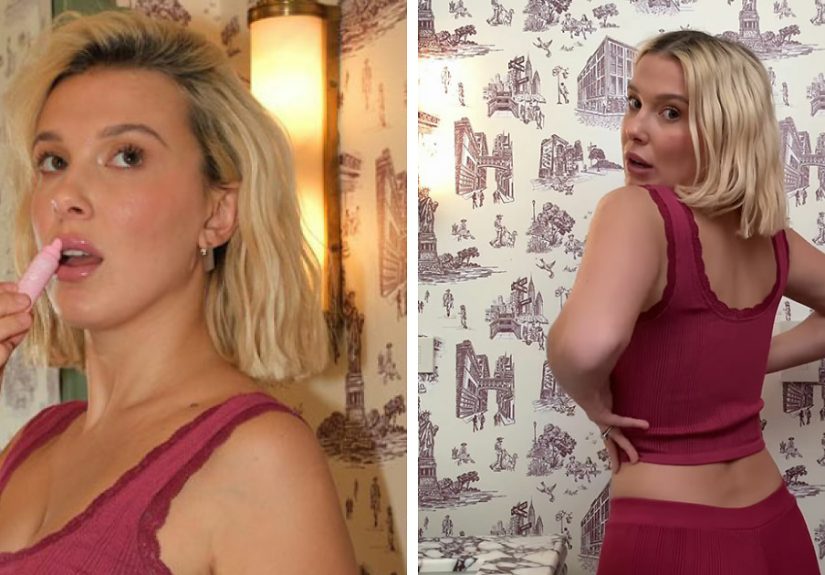
even the coziest moment into a full-contact debate. That’s basically what happened when Millie Bobby Brownfresh into her new role as a momposted herself in a
cherry-toned pajama set promoting her Florence by Mills Fashion line. The look was cute, confident, and very “yes, I own a lint roller and I’m not afraid to use it.”
Most people reacted the normal way: hearts, compliments, “where can I get that set,” the usual. But then the comment section took a turnthe kind that makes you
want to gently place your phone in a drawer and go touch grass. The moment turned into a reminder that the internet can be supportive… and also wildly entitled,
overly personal, and weirdly comfortable crossing boundaries.
The Pajama Set Moment: Cute, Confident, and Very On-Brand
The headline is simple: Millie Bobby Brown modeled a cherry-colored pajama set and looked great doing it. The subheadline is even simpler: she was doing her job.
She’s not only an actor; she’s also a business owner with a brand to promote. Florence by Mills (and its fashion offshoot) has been part of her public identity for
years, and product drops are often announced the same way most people announce big newsby posting a photo and letting the internet do the rest.
The pajama set itself hit that sweet spot between “loungewear” and “I could answer the door in this without pretending I was ‘just cleaning.’” The styling leaned playful
and polished: coordinated set, a pop of color, and a camera-ready vibe that says “this is a campaign,” not “I rolled out of bed five minutes ago.”
And that’s worth pausing on: sometimes the internet reacts like a celebrity posted a private diary entry when it was actually… marketing. A fashion promo photo is not a
request for strangers to weigh in on someone’s body, maturity, motherhood, or life choices. It’s literally: “Here’s the set. Here’s the vibe. Here’s the link in bio.”
Why the “Pajamas” Part Matters
Pajamas and loungewear have become modern-day confidence outfits. They signal comfort, self-possession, and (in the best cases) the quiet flex of owning your own life.
For a new parentespecially a young onecomfortable fashion can feel like reclaiming your identity in the middle of a schedule that’s suddenly ruled by tiny, unpredictable
needs. In other words: yes, it’s a pajama set. But it’s also a message: “I’m still me.”
Becoming a Mom: What’s Public, What’s Private, and Why That Line Matters
In summer 2025, Millie Bobby Brown and her husband, Jake Bongiovi, publicly shared that they welcomed a baby girl through adoption. They also made a clear request for
privacysomething that should be the easiest thing in the world to respect, and yet somehow becomes a group project the internet fails every semester.
Adoption is parenthood. Full stop. It’s not a “less-than” version of family, and it’s definitely not an invitation for strangers to demand details. In fact, many adoption
professionals emphasize child safety and privacy for good reasons: minimizing exposure, avoiding exploitation, and respecting a child’s identity and story as they grow.
What Brown and Bongiovi shared publicly was intentionally limited: the existence of their child, the joy of becoming parents, and the boundary they wanted respected.
They didn’t “owe” a name reveal, a face reveal, or a play-by-play. And the more famous you are, the more protecting your child’s privacy becomes a form of responsible parenting,
not secrecy.
Why People Get Weird About “New Mom” Celebrity News
The internet loves a storyline. “New mom era” becomes a narrative hook people think they can “participate” inby commenting, judging, advising, or demanding access.
But motherhood isn’t a public subscription service. Becoming a parent doesn’t turn your body into public property or your family into community content.
When Comments Take a Disturbing Turn: What Happened in the Replies
Let’s talk about the part no one wants to talk about, but everyone has seen: the moment a post stops being about the post. In this case, the conversation shifted from
“cute pajama set” and “congrats on parenthood” into invasive, sexualized, or disrespectful commentaryalong with the classic “I’m just joking” defense that people use
when they realize they crossed a line.
This pattern isn’t unique to Millie Bobby Brown. It shows up whenever a young woman posts something confidentespecially if she’s a new mom. There’s a specific kind of
internet expectation that moms should be either (a) invisible or (b) “perfect” in a very narrow, approved way. When someone doesn’t fit that scriptwhen they look glamorous,
playful, or simply comfortable in their own skinsome people react like it’s a personal offense.
The “Disturbing” Part Isn’t Just RudenessIt’s Entitlement
Rude comments are one thing. Entitled comments are another. Entitlement shows up as:
- Body policing: treating someone’s appearance like a public vote.
- Inappropriate objectification: turning a fashion post into a sexualized conversation.
- Intrusive curiosity: pushing for private details about a child or family life.
- “Mom expectations” pressure: implying motherhood should change how someone dresses or presents themselves.
- Parasocial overreach: acting like a celebrity’s boundaries don’t apply because “we made you famous.”
The uncomfortable truth: some people behave online in ways they would never dare in person. They confuse access with permission, and they mistake visibility for availability.
Why This Keeps Happening: The Internet’s Worst Incentives
If you’ve ever wondered why comment sections spiral so fast, here are the not-so-magical ingredients:
1) Algorithms reward intensity, not decency
Calm, kind comments don’t always get boosted. Hot takes do. Outrage does. “Look at me” behavior does. A comment section becomes a stage, and some users treat it like
open-mic nightwith no bouncer and no accountability.
2) People confuse “public figure” with “public property”
Being famous means your work is public. It does not mean your body, your family, or your child’s privacy are public resources. That distinction gets blurry online,
especially when gossip culture frames celebrity life as a reality show.
3) The “new mom” label becomes a permission slip
Pregnancy, postpartum, adoptionany path into parenthoodcan trigger unsolicited opinions. Some people feel oddly authorized to comment on parenting choices, family planning,
and personal identity. The bigger the platform, the louder the chorus.
So What Should Have Happened Instead? A Quick Guide to Being Normal Online
Here’s the part where we all pretend “being normal online” is easy (it is) and then actually do it (harder, apparently).
If you’re a fan
- Compliment the fashion, the confidence, the workwithout making it personal or invasive.
- Respect privacy requests about children. No digging, no speculation, no “I found the name” behavior.
- Skip “advice” unless it’s asked for. Support beats sermons.
If you see creepy or disrespectful comments
- Report what crosses the line. Platforms respond to volume and patterns.
- Don’t quote or amplify the worst remarks “to dunk on them.” That still boosts them.
- Leave a counter-message that’s calm and supportivethen move on.
If you’re a creator or brand (celebrity or not)
- Moderate comments aggressively when kids are involved. Boundaries are protective, not “dramatic.”
- Use filters for common harassment phrases and repetitive sexualized language.
- Consider turning off comments on posts that include family milestones.
The Bigger Picture: Confidence, Motherhood, and Letting Women Exist
Under the pajama set headline is a cultural tug-of-war: can a young woman be a mom and still be stylish, playful, and self-directed? Can she run a brand, enjoy fashion,
and set boundaries without being treated like she’s “asking for” commentary that crosses the line?
The healthier answer is obvious. Moms are whole people. Adoption is real parenthood. And clothes are clothesunless we decide to load them up with moral judgment and
internet entitlement.
Millie Bobby Brown’s post wasn’t controversial. The reaction was. And that’s why this story sticks: it’s less about cherry pajamas and more about how quickly the internet
tries to grab the steering wheel of someone else’s life.
FAQ: Quick Answers People Keep Asking
Is Millie Bobby Brown a mom?
Yesshe and Jake Bongiovi announced they welcomed a baby girl through adoption in summer 2025. They’ve asked for privacy and have kept details limited.
What pajama set did she wear?
The look was widely reported as a cherry-colored pajama/intimates-style set from Florence by Mills Fashion, the clothing line associated with her Florence by Mills brand.
Why did the comments become such a big deal?
Because a portion of the internet shifted from fashion feedback into intrusive, disrespectful, and boundary-crossing remarksespecially common when young women and
new parents post confidently online.
What’s the respectful way to respond to celebrity baby news?
Congratulate them if you want, respect privacy requests, and don’t speculate about a child’s identity. If you wouldn’t say it to a stranger in line at Target, don’t
say it in a comment section.
Extra: Real-World Experiences That Make This Story Hit Home (500+ Words)
Even if you’ve never been famous (and honestly, congratulations on that restful life choice), this story probably feels familiar. That’s because the dynamic isn’t really
“celebrity vs. internet.” It’s “person vs. comment section.” And plenty of regular people have their own version of the pajama-set momentposting something joyful or
confident, only to watch a small group of strangers try to turn it into a critique.
For many new parents, loungewear becomes less of a fashion category and more of a survival strategy. There’s the practical sidecomfort, easy movement, feeling like
yourself during long daysand then there’s the emotional side. After you become a parent, your identity can feel like it’s been placed in a waiting room while everyone
asks about the baby. Putting on something that feels cute, even if it’s “just pajamas,” can be a small way of reclaiming your sense of self.
That’s why it stings when people respond with judgment. A common experience for new moms is the “moving goalpost” phenomenon: if you look tired, people comment. If you
look polished, people comment. If you dress up, people assume you’re neglecting your role. If you dress down, they assume you’ve “let yourself go.” It’s exhausting
because the criticism isn’t actually about the outfitit’s about control and expectations.
Another experience that mirrors this story is the privacy tug-of-war. Many parentsespecially adoptive parentsare thoughtful about what they share online, even in private
accounts. They avoid posting identifying details, limit photos, or keep milestones vague. And yet, someone will still ask, “What’s the name?” or “Where are they from?”
or “Show us a picture!” The requests might be framed as curiosity, but the effect is pressure. The healthiest response is the same boundary Brown and Bongiovi modeled:
“We’re happy, and we’re keeping this private.”
There’s also the bystander experience: seeing a comment section go off the rails and feeling that split-second dilemmado I say something, do I report it, do I ignore it?
Lots of people have learned (sometimes the hard way) that quoting the worst comment to call it out can accidentally amplify it. What tends to help more is reporting,
leaving a supportive message that doesn’t repeat the harmful language, and then moving on instead of feeding the chaos.
And finally, there’s the experience of realizing you can curate your online environment. People sometimes treat comment sections like an unavoidable fact of nature, like rain.
But they’re not. You can filter keywords. You can limit replies. You can turn comments off. You can block aggressively. The lesson many creators learn is that boundaries
aren’t a sign of weakness; they’re a sign you value your peace.
So yes, this story is about Millie Bobby Brown in a cherry pajama set. But it’s also about something bigger: how quickly confidenceespecially from young women and new
parentsgets treated like public debate material. If there’s one takeaway worth keeping, it’s this: celebrate people’s joy, respect their privacy, and stop acting like a
comment box is a microphone you’re entitled to use.