Table of Contents >> Show >> Hide
- A Driveway, A Tiny Body, And A Desperate Plea For Help
- The Race To Save A Barely Alive Puppy
- Why Vets Call Dogs Like Her “Miracle” Patients
- How The Internet Turned One Puppy Into A Global Cause
- Lessons From Other “Miracle” Dogs
- From ICU To Couch Potato: Miracle’s New Life
- How You Can Help The Next Miracle Puppy
- Real-Life Experiences: What It’s Really Like To Care For A “Miracle” Puppy
- Conclusion: One Small Dog, One Big Reminder
Every now and then, the internet collectively falls in love with one small,
scruffy hero. This time, that hero is a tiny rescue dog known simply as
Miracle the “miracle puppy” who went from barely breathing
in a driveway to zooming around like she owns the world.
Her story has everything: a cruel start, a dramatic rescue, round-the-clock
veterinary care, and a happy ending powered by strangers on the internet.
It’s the kind of feel-good animal rescue story you expect to see on
Bored Panda and the kind of real-world comeback that reminds us
why we fight so hard for animals who can’t speak for themselves.
A Driveway, A Tiny Body, And A Desperate Plea For Help
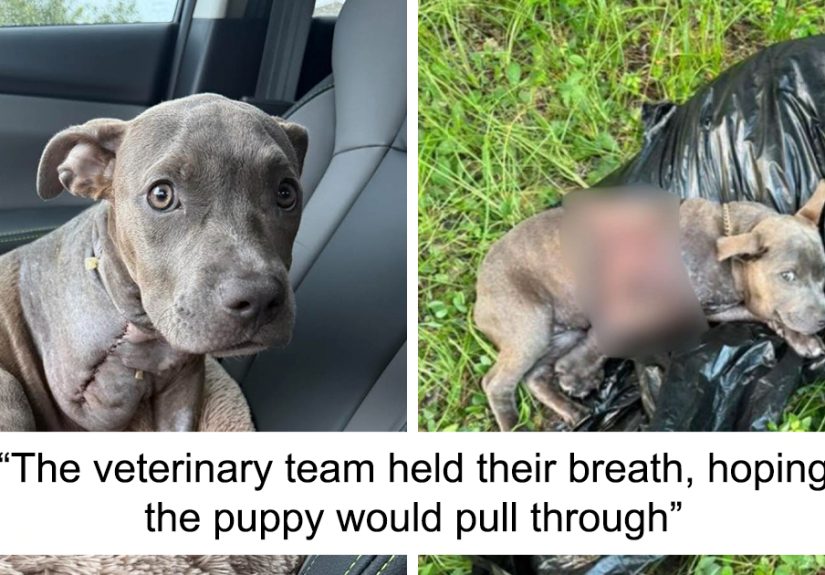
Miracle’s story began in the worst way. A woman in Texas walked outside one
day and noticed something unusual at the end of her driveway. As she got
closer, she realized it was a puppy limp, badly injured, and clearly
dumped there like trash. The little dog was breathing, but just barely.
Like many of us would, she panicked for a second. But then she did something
life-changing: she snapped a few photos, posted them on social media, and
begged for help. It didn’t take long for the post to start spreading.
Among the people who saw that plea was the founder of a street dog rescue
group. She knew exactly what she was looking at: a
critical-care puppy who would likely die without immediate
veterinary intervention. So she got in her car, drove out to the house, and
scooped Miracle up fragile, broken, but still holding on.
The Race To Save A Barely Alive Puppy
When vets talk about animals like Miracle, they use phrases like
“guarded prognosis” and “critical condition.” In normal-person language,
that means: we’re going to try everything, but we honestly don’t know
if she’ll make it.
Emergency Care: Stabilize First, Ask Questions Later
At the emergency hospital, the medical team focused on the basics:
stabilizing Miracle’s breathing, bringing up her temperature, and
controlling pain. Severely injured puppies are often in shock; their blood
pressure drops, their organs don’t get enough oxygen, and they can crash
fast without aggressive treatment.
Miracle received IV fluids to support her circulation, pain medication so
she wouldn’t suffer, and careful monitoring to make sure her tiny body
could handle each step. In many real-life cases like hers, vets also add
antibiotics, oxygen support, and blood work to check for internal bleeding
or organ failure.
Imaging revealed the full picture of Miracle’s traumatic injuries. While
every case is different, puppies in these situations often have fractures,
nerve damage, or deep wounds that require surgery and intensive wound care.
The medical team knew they were in for weeks not days of treatment.
Trauma Surgery, Rehab, And A Whole Lot Of Tape On The Vet’s Scrubs
Once Miracle was strong enough, surgeons went in to repair what they could
and clean what they couldn’t save. Complex wounds sometimes need repeated
procedures and special bandaging techniques honey bandages, laser
therapy, and soft dressings are all tools modern veterinary teams use to
encourage healing and prevent infection.
Recovery didn’t happen overnight. Miracle spent weeks learning to move
again, first wobbling a few steps, then slowly building strength with
physical therapy and gentle exercise. Think of tiny balance exercises,
short walks, and lots of encouragement (plus the occasional treat bribe
no judgment).
The rehab team celebrated every little win: her first tail wag, her first
curious sniff at a toy, the moment she tried to race down the hallway like
nothing bad had ever happened. That’s usually when staff quietly step into
the back room to cry happy tears.
Why Vets Call Dogs Like Her “Miracle” Patients
Miracle isn’t the only rescue dog whose story sounds impossible.
Veterinarians and rescue groups regularly see puppies who survive extreme
neglect, severe trauma, and near-fatal illnesses then somehow rebound
with a level of joy that puts the rest of us to shame.
Some puppies are found starving in trash cans, so weak
their blood sugar barely reads on the machine. Others arrive at emergency
clinics with heatstroke, their body temperature dangerously high after
being left outside in triple-digit heat. Still others are pulled from
disaster zones or roadside ditches with injuries that would flatten a much
bigger animal.
What these “miracle puppies” share is a combination of:
-
Fast human action: Someone sees something terrible and
refuses to look away. -
Advanced veterinary care: Emergency hospitals now use
tools like blood transfusions, intensive care, pain management, and
sophisticated wound treatment to save animals who once would not have
survived. -
Foster homes and adopters: The medical work is just the
beginning; full recovery happens in living rooms and backyards, not exam
rooms. -
A ridiculous amount of stubbornness: These dogs just
refuse to give up even when every chart says they should.
How The Internet Turned One Puppy Into A Global Cause
Miracle’s story didn’t stay local for long. Her rescuers shared updates
online: photos from the clinic, videos of her first wobbly steps, and
progress reports after every procedure. People around the world followed
along, rooting for a dog they’d never meet.
As the posts spread, donations poured in to cover her surgeries,
medications, and rehab. That’s the modern magic of social media one
heartbreaking image can turn into thousands of people pitching in five or
ten dollars at a time to save a life.
Pages like Bored Panda and other animal-focused outlets picked up
the story, highlighting Miracle’s transformation from broken puppy to
bright-eyed survivor. Readers could swipe through before-and-after photos,
watch short clips of her zooming around, and see the humans who made it all
possible.
For animal rescues, that kind of visibility is powerful. It doesn’t just
help one puppy it brings attention to the thousands of dogs still waiting
in shelters, streets, and rural backyards for someone to notice their
suffering.
Lessons From Other “Miracle” Dogs
Miracle’s comeback fits into a bigger pattern of incredible animal
recoveries that rescue groups and news outlets have documented in recent
years. A tiny husky puppy pulled from a trash can in Texas, a dog surviving
extreme heat in Arizona, and puppies saved from severe malnutrition all
show just how far veterinary medicine and human compassion have come.
These real-world cases highlight a few important truths:
-
Early intervention saves lives. The sooner a puppy gets
help, the better the odds. Rapid transport to a vet, even if you’re not
sure the animal will make it, is always worth it. -
Specialized care matters. Many rescues partner with
emergency hospitals, critical care units, and specialists who understand
complex injuries, heatstroke, and starvation. -
Online communities are game-changers. Fundraising
campaigns, foster pleas, and adoption posts can reach far beyond a single
town or shelter.
From ICU To Couch Potato: Miracle’s New Life
Today, Miracle looks like any other happy, slightly spoiled dog. Her scars
are still there, but they’re mostly hidden under a growing coat of fur and
an even thicker layer of love.
Instead of lying in a driveway struggling to breathe, she naps on soft
blankets, chases toys, and raids the treat jar with the confidence of a
dog who absolutely knows she’s the main character. Her rescuers and adopters
still keep in touch with the veterinary team those “pup-date” photos are
the emotional paycheck that keeps emergency staff going.
Miracle’s name fits. But her survival isn’t just a miracle; it’s a chain of
choices made by regular people who decided that one small life was worth a
fight.
How You Can Help The Next Miracle Puppy
You don’t have to run a rescue or work at an emergency hospital to change
an animal’s life. Miracle’s story offers a simple blueprint for anyone who
wants to help.
-
Speak up when something looks wrong. If you see an
injured or neglected dog, call local animal control, a rescue group, or a
veterinary clinic for guidance. Don’t assume someone else will step in. -
Support reputable rescues. Donations, fostering,
transporting animals, or even just sharing posts online can directly
fuel medical care for dogs like Miracle. -
Adopt, don’t shop. Many “miracle dogs” go on to become
gentle, loving companions sometimes with a few quirks and special
needs, but always with a huge capacity for gratitude. -
Consider pet insurance or emergency funds. For your own
animals, having a financial safety net can mean faster access to lifesaving
care if something unexpected happens. -
Share success stories. Feel-good rescues aren’t just
cute content; they’re powerful motivators that inspire others to act when
they see an animal in trouble.
Real-Life Experiences: What It’s Really Like To Care For A “Miracle” Puppy
It’s easy to fall in love with the “after” photos the shiny coats, big
smiles, and cozy dog beds. But behind every miracle puppy is a very human
experience that’s equal parts exhausting, emotional, and completely
worth it.
Foster families and adopters often describe the first days with a
critically recovered puppy as a blur of medications, vet appointments, and
learning curves. Feeding schedules can be strict, especially for dogs
recovering from starvation or digestive issues. Some need several small
meals a day to avoid overwhelming their systems. Others require special
diets to help them gain weight safely without causing refeeding problems.
There’s also the emotional side. Many miracle puppies come with a history
of trauma. They may flinch at sudden movements, panic at loud noises, or
freeze when a hand moves too quickly near their face. Caregivers learn to
move slowly, speak softly, and let the dog set the pace. Instead of big,
dramatic gestures, they build trust through repetition: food arrives at the
same time each day, walks are predictable, and affection is always gentle
and respectful.
Households adapt around the puppy’s limitations. A dog healing from
orthopedic injuries might need ramps instead of stairs, carpets instead of
slippery floors, and strict rules about jumping off furniture. Some
caregivers use harnesses or slings to support weak back legs. Others
schedule physical therapy, underwater treadmill sessions, or at-home
exercises that strengthen muscles without overloading them.
Then there’s the financial reality. Even when donations help with the big
surgeries, ongoing care can include follow-up imaging, medications,
supplements, or rehab sessions. Many adopters of medically fragile dogs
talk about budgeting carefully, working closely with their vets to balance
what’s ideal with what’s realistic. They also emphasize how important it is
to find a veterinary team that communicates clearly and treats them like
partners in the dog’s care.
But ask those same people if they’d do it again, and most don’t hesitate.
They talk about the first time the puppy runs without limping, the moment a
formerly terrified dog curls up next to them by choice, or the day their
vet uses the word “stable” instead of “critical.” These milestones are the
emotional payoff small victories that feel bigger than any inconvenience.
Living with a miracle puppy also changes how people see the world. Many
caregivers become fierce advocates for animal welfare, sharing their
dog’s story to encourage spay-and-neuter programs, tougher cruelty laws,
and support for shelters and rescues. They start recognizing signs of
neglect in their own communities and feel more confident speaking up.
Most of all, they describe a kind of quiet gratitude that settles in once
the chaos of emergency care has passed. Every silly zoomie, every peaceful
nap, every sloppy kiss is a reminder that this dog could easily have
disappeared unnoticed but didn’t. Instead, a chain of strangers chose to
care, from the person who made the first phone call to the final adopter
who opened their home.
That’s the heart of Miracle’s story and every story like hers: when humans
decide that even the smallest, most broken life is worth saving, “miracles”
stop being rare events and start looking a lot like teamwork.
Conclusion: One Small Dog, One Big Reminder
Miracle’s journey from a driveway to a forever home is the kind of
story that makes people laugh, cry, and immediately go hug their own pets.
It’s a powerful reminder that cruelty exists but so does an incredible
amount of kindness, skill, and determination.
The next time you scroll past a rescue post or see a frightened animal on
the street, think of Miracle. Think of all the hands that lifted her from
“barely alive” to “unstoppable.” And remember that while we call dogs like
her “miracles,” the real magic happens when ordinary people decide to do
something extraordinary.