Table of Contents >> Show >> Hide
- What Happened at the Sleepover
- When “It’s Just a Prank” Stops Being a Get-Out-of-Jail-Free Card
- Why Scald Burns Are Such a Big Deal
- The Costs Nobody Posts About
- Legal Consequences: When a “Joke” Becomes a Case File
- Why Kids Do It Anyway: Attention, Dares, and “Content Brain”
- Sleepovers, Supervision, and the Myth of “They’re Old Enough”
- If a Burn Happens: Simple, Safe First Steps
- How to Teach “Prank Literacy” (Yes, That’s a Thing Now)
- Real-World Experiences: What Families Learn After a Prank Goes Wrong
There are two kinds of pranks in this world: the kind where everyone laughs, and the kind where you end up learning the phrase
“burn center” way sooner than anyone should. Sadly, a Georgia family found themselves in the second category after a sleepover “joke”
turned into a medical emergency for a 12-year-old boy.
The story has traveled far because it hits a nerve we all recognize: kids can be impulsive, peer pressure can be loud, and calling
something a “prank” can make people forget the most important questionis it safe?
What Happened at the Sleepover
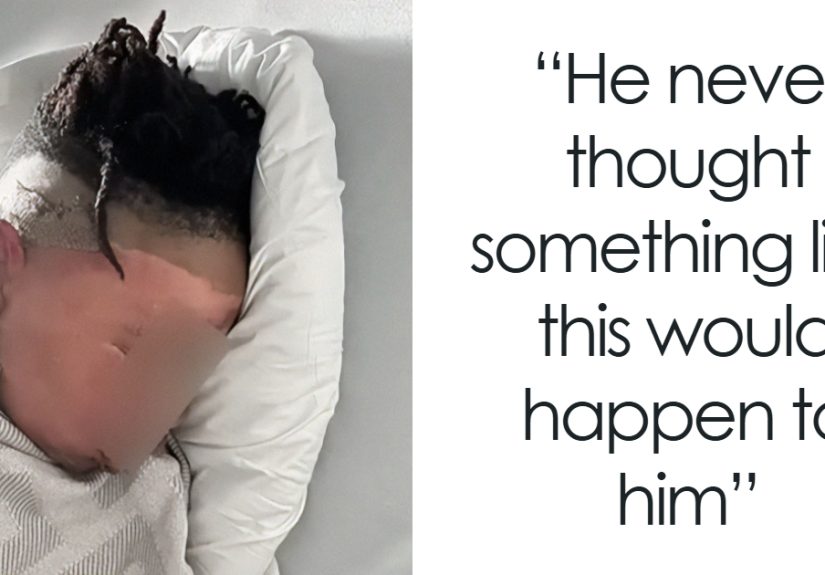
According to reports from local news and later national coverage, a 12-year-old boy in Tifton, Georgia, was spending time at a neighbor’s
apartment after a sleepover. Some kids were playing video games. The boy fell asleep. And that’s where the “prank” entered the chat in the
worst possible way: three other boysreported to be between 12 and 15allegedly poured scalding hot water onto the sleeping child.
The injuries were serious enough that he was transported to a burn center in Augusta, where he underwent surgery. His mother, Tiffany West,
spoke publicly about the shock and anger she felt, saying she was “mad” and “in shock,” focused only on getting her child help.
The boy’s identity has been kept private, which is exactly how it should be. Childhood is hard enough without a permanent Google trail.
Police said the boys involved were facing “serious charges,” and the family described a long road aheadnot just physically, but emotionally and
financially. It’s the kind of aftermath nobody imagines when someone says, “Relax, it’s just a prank.”
When “It’s Just a Prank” Stops Being a Get-Out-of-Jail-Free Card
Let’s be clear: humor doesn’t magically disinfect harm. The label “prank” doesn’t change the outcome, and it doesn’t reverse the damage.
If the “joke” ends with a child in the hospital, then the prank didn’t “go wrong.” It went exactly where unsafe ideas tend to go:
straight into consequences.
Part of why stories like this spread is because they reveal a modern loophole in kid logic:
if it’s filmed, posted, or said with a grin, it must be harmless.
That’s not how reality works. Reality keeps receipts.
Why Scald Burns Are Such a Big Deal
Hot water burns aren’t “minor injuries” that disappear with an ice pack and a brave face. Medical and burn-prevention experts have long warned
that scald burns can cause deep tissue damage quicklyespecially in children, whose skin is more delicate than adults’. That’s why burn organizations
and safety agencies emphasize prevention around hot liquids and tap water temperature.
Scald injuries are also common in pediatrics, which is a heartbreaking way to say this: emergency rooms see plenty of kids hurt by hot liquids,
steam, and overly hot tap water. Many of these injuries are preventable, which makes incidents tied to “pranks” feel even more painful.
No freak accident. No unavoidable mishap. Just one terrible decision and a chain reaction.
The extra sting: it happened while he was asleep
Sleep is supposed to be the safest setting. When harm happens while someone is sleeping, the injury isn’t only physicalit can scramble a kid’s
sense of trust. Families in this case have talked about the need for counseling. That makes sense. When the people you called “friends” become the
reason you’re afraid to close your eyes, that’s not a small emotional bruise.
The Costs Nobody Posts About
Social media loves a “before and after” moment. But it rarely shows the real “after”:
- Medical travel and time off work: burn care often means specialists, follow-ups, and long appointments.
- Ongoing wound care and discomfort: healing takes time, and it can be exhausting.
- Mental health fallout: fear, anxiety, and trust issues don’t vanish when the bandages come off.
- Family stress: parents juggle care, bills, and the emotional weight of watching their child suffer.
In interviews, the boy’s family described missing work and dealing with the strain of travel and recovery. That’s the hidden price tag of “funny.”
And the worst part is that the kid didn’t choose the “joke.” He was asleep. He didn’t consent. He couldn’t opt out.
Legal Consequences: When a “Joke” Becomes a Case File
The legal system is not known for laughing things off when serious harm occurs. In this situation, police said the youths involved were facing
serious charges and would go through hearings. Even when cases involve minors, the system can still treat the behavior as assaultive conduct,
especially if it results in significant injury.
This is a crucial point for parents and kids alike: the “intent” to prank doesn’t erase accountability. Courts focus on actions and outcomes.
A prank can quickly cross into criminal behavior if it involves violence, dangerous substances, property damage, or injury.
And even beyond criminal charges, there can be long-term consequences: school discipline, damaged reputations, fractured friendships, restitution,
and families dealing with the kind of conflict that doesn’t fit neatly into a viral clip.
Why Kids Do It Anyway: Attention, Dares, and “Content Brain”
If you’re thinking, “How could anyone think that was a good idea?”welcome to the baffling intersection of adolescence and the internet.
Pediatric and psychology experts note that kids and teens can be impulsive, drawn to attention, and more likely to underestimate riskespecially
in groups.
Add social media to the mix and the pressure can intensify. Online “challenges” and stunt culture reward shock value: the bigger the reaction,
the more views. The problem is that a child’s developing brain isn’t designed to weigh long-term consequences the way adults assume it should.
A moment of hype can bulldoze common sense.
Another ingredient is the “prank escalation” trap. One kid suggests something dumb. Another kid wants to top it. Nobody wants to be the “boring”
one who says no. And suddenly the group is treating danger like a dare instead of a warning sign.
Sleepovers, Supervision, and the Myth of “They’re Old Enough”
Sleepovers can be wonderfulbonding, late-night laughter, and kids making memories. But they also create perfect conditions for bad decisions:
less adult oversight, more peer influence, and tired brains that are easier to hype up.
A good takeaway here is not “never let your kid go to a sleepover.” It’s “treat sleepovers like the serious responsibility they are.”
Because even “good kids” can make terrible choices in groups.
Practical ways parents can reduce risk
- Ask direct questions before the sleepover: Who’s supervising? How many kids? What’s the plan overnight?
- Set a house rule about phones and filming: No recording other kids without consentespecially not while they’re sleeping.
- Make a clear “no harm” rule: No hot liquids, no sharp objects, no “surprise” anything. If it could injure someone, it’s off-limits.
- Give your child an easy exit: A text code or “call me and I’ll pick you up, no questions asked.”
- Talk about consent in kid language: “If they wouldn’t laugh, don’t do it.”
It’s also worth talking to your child about the difference between humor and humiliation. A prank that relies on someone being scared, hurt,
or embarrassed isn’t comedy. It’s a power play wearing a clown nose.
If a Burn Happens: Simple, Safe First Steps
If a child is burned, focus on safety and medical carenot home remedies. Health organizations commonly recommend cooling a burn with
cool (not icy) running water for a short period and removing tight items (like rings) before swelling beginsif it can be done gently.
Burns to the face, large burns, or burns with significant pain should be evaluated urgently by medical professionals.
Also: skip the “kitchen cabinet cures.” Butter, oils, toothpaste, and other DIY “fixes” can make burns worse and complicate treatment.
This is one of those times when the best “hack” is calling a professional.
How to Teach “Prank Literacy” (Yes, That’s a Thing Now)
Kids learn how to prank the same way they learn slangby absorbing what they see. So it helps to give them a simple filter they can use in the moment.
Try this “Prank Check” that doesn’t require a law degree or a TED Talk:
- Is it safe? If there’s any chance of injury, it’s not a prank.
- Is it kind? If it’s humiliating, it’s not funnyit’s mean.
- Is it reversible? If it can’t be undone easily, don’t do it.
- Would you do it to yourself? If not, that’s your answer.
- Would a trusted adult approve? If you’d hide it, it’s a red flag.
Parents can also help by creating a family media plan and having regular, non-lecture conversations about online trends. The goal isn’t to
police every scrollit’s to build judgment, so your child can pause before they participate in something reckless.
Real-World Experiences: What Families Learn After a Prank Goes Wrong
When stories like this go public, a predictable wave of reactions follows: disbelief, anger, “kids these days,” and a thousand comments that basically
translate to “I would have never…” The truth is, many parents who’ve faced a serious incident say the same thing afterward:
they didn’t think it could happen in their circle. That’s why the most useful takeaways come from people who’ve lived through the aftermath
not just the headline.
1) The shock is immediate, but the processing takes months.
Families often describe the first day as a blurracing for medical care, trying to stay calm for their child, and holding back panic until later.
Once the immediate crisis stabilizes, a second wave hits: appointments, paperwork, school coordination, and the emotional crash that comes when the
adrenaline fades. Parents say it’s not “over” when the child comes home. That’s when the long work begins.
2) The hardest part can be the betrayal, not the injury.
Counselors who work with kids after traumatic events often note that being hurt by peers can twist a child’s sense of safety. Some kids become wary
at school. Some pull away from friends. Others replay the event obsessively, asking “Why me?” or “How could they?” Parents report that rebuilding
trust may require patient conversations, supportive adults, and sometimes professional therapyespecially when sleep is disrupted or anxiety spikes.
3) Adults wish they’d taught “how to say no” earlier.
Teachers and middle school staff often talk about how group dynamics can steamroll good judgment. One practical lesson families share is teaching
refusal skills the same way you teach crossing the street: practice it. Give kids simple scripts like “No, that’s not funny,” “I’m not doing that,” or
“If you do it, I’m calling an adult.” The point is to make the “exit line” automatic, so your child doesn’t have to invent courage on the spot.
4) Parents become more proactive about sleepover rules.
Families who’ve dealt with injuries connected to pranks often change their approach: they ask more questions, set clearer boundaries, and communicate
with other parents more directly. Some parents create a “sleepover agreement” (nothing fancyjust a quick text) covering supervision, phone rules,
and an expectation that “pranks” involving sleeping kids are banned. It’s not about paranoia; it’s about clarity.
5) Kids need better models of humor.
One repeated observation from parents and educators is that many kids confuse “big reaction” with “big fun.” So families try to intentionally model
humor that doesn’t hurt. That might mean celebrating the kid who tells a clever story, not the kid who humiliates someone for laughs. It might mean
watching a comedy together and pointing out what makes it funny without being cruel. Over time, kids can learn a healthier definition of “hilarious”:
something that leaves everyone safe, included, and able to laugh afterward.
Bottom line: This case is heartbreaking, but it’s also a warning light for every household with kids and Wi-Fi. If we want fewer “pranks gone wrong,”
we need more conversations that start before the sleepover, before the dare, and before someone decides that pain is a punchline.