Table of Contents >> Show >> Hide
- What Is a Natural Jute Log Carrier?
- Why Choose Jute for a Log Carrier?
- Key Features to Look for in a Natural Jute Log Carrier
- Natural Jute Log Carrier vs. Canvas, Leather, and Metal Options
- How to Use a Natural Jute Log Carrier
- Firewood Storage Tips That Make a Log Carrier More Useful
- How to Care for a Natural Jute Log Carrier
- Decorating with a Natural Jute Log Carrier
- Creative Uses Beyond Carrying Firewood
- Who Should Buy a Natural Jute Log Carrier?
- Common Mistakes to Avoid
- Real-Life Experiences with a Natural Jute Log Carrier
- Conclusion
- SEO Tags
A natural jute log carrier may not sound like the most glamorous home accessory at first. It does not sparkle, brew coffee, or answer emails. But the first time you carry an armful of firewood without dropping bark on the rug, scratching your sweater, or performing an accidental living-room lumberjack dance, you understand its quiet genius.
For anyone with a fireplace, wood stove, fire pit, cabin, or backyard gathering spot, a log carrier is one of those practical tools that quickly becomes indispensable. A natural jute log carrier adds another layer of charm because it combines function with rustic style. It is sturdy enough for everyday firewood hauling, attractive enough to leave near the hearth, and made from a plant-based fiber that feels right at home beside stacked wood, stone fireplaces, wool blankets, and the smell of a winter evening.
This guide explores what a natural jute log carrier is, why it works, how to choose one, how to care for it, and how it fits into a cleaner, cozier, more organized firewood routine. In other words, it is the humble firewood helper your floors, arms, and dignity have been waiting for.
What Is a Natural Jute Log Carrier?
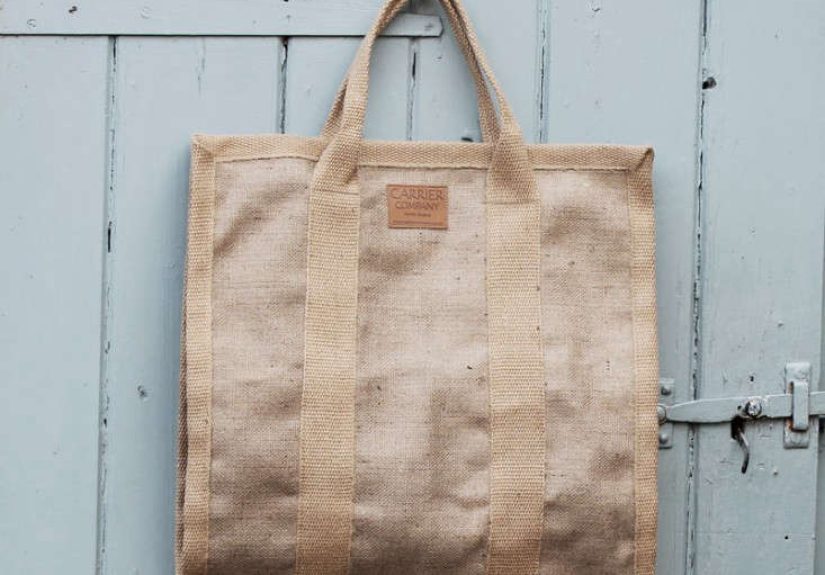
A natural jute log carrier is a reusable firewood tote made primarily from jute, a strong plant fiber commonly woven into burlap or hessian-style fabric. Instead of carrying logs loose in your arms, you place them inside the carrier, grab the handles, and transport the load from the woodpile, garage, porch, shed, or rack to your fireplace or fire pit.
Most log carriers are designed as either an open sling or a more structured tote. A sling-style carrier lies flat while you load wood, then folds up around the logs when lifted. A tote-style carrier may include side panels, reinforced stitching, or a boxier shape to help contain bark, twigs, and wood dust. Both styles can be useful, but jute gives the piece a warmer, more natural look than many synthetic alternatives.
The appeal is simple: firewood is useful, but it is not polite. It sheds. It pokes. It leaves behind dirt, bark, and splinters like tiny wooden calling cards. A good log carrier keeps the mess more contained and makes the trip easier on your hands, arms, clothes, and floors.
Why Choose Jute for a Log Carrier?
Jute Has a Naturally Rustic Look
Jute has the kind of texture that instantly says “cozy home,” without trying too hard. Its neutral tan color, woven surface, and organic feel pair beautifully with fireplaces, wood stoves, brick hearths, farmhouse interiors, cottage decor, and modern rustic spaces. Unlike plastic bins or metal buckets, a natural jute firewood carrier can look intentional when left in view.
That matters because fireplace accessories often become part of the room. You may tuck away a broom, but a log carrier often sits near the hearth during colder months. Jute softens the look of a utility item and turns it into something decorative as well as practical.
Jute Is a Plant-Based Fiber
Jute is derived from plants in the Corchorus family and is widely used for sacks, twine, burlap, rugs, storage bags, and home goods. It is known for being strong, breathable, and biodegradable under the right conditions. For buyers who prefer natural materials over petroleum-based fabrics, jute is an appealing choice.
A natural jute log carrier will not make you a forest wizard overnight, but it does support a more earth-conscious approach to household goods. It feels especially fitting for firewood because both the material and the cargo come from the natural world. There is a pleasing logic to carrying wood in a plant-fiber carrier instead of a disposable plastic bag that gives up after one dramatic trip.
Jute Is Strong Enough for Everyday Use
Firewood is awkward. A few small pieces may be easy enough to carry, but a proper load quickly becomes heavy, uneven, and determined to escape. Jute’s coarse weave and natural toughness make it suitable for carrying bulky items when the bag is well made. The key phrase is “well made.”
A quality jute log carrier should have reinforced handles, secure stitching, and enough fabric weight to support repeated use. Some designs use cotton webbing, leather accents, rope handles, or lining for extra strength. The best carrier is not just a rectangle of fabric with hope attached. It should be built for the real job: hauling split logs without turning your hallway into a bark confetti parade.
Key Features to Look for in a Natural Jute Log Carrier
Strong Handles
Handles are the heart of any firewood carrier. If they are uncomfortable, too short, poorly attached, or flimsy, the carrier becomes a decorative mistake with splinters. Look for handles that are wide enough to grip comfortably and securely stitched into the body of the carrier.
Full-wrap handles are especially useful because they extend underneath the load rather than simply attaching near the top edge. This design distributes weight more effectively and reduces stress on the seams. If you plan to carry larger loads, reinforced handles are not a luxury. They are the difference between a smooth trip and a sudden pile of logs at your feet.
Generous Size
A useful log carrier should be long enough to hold standard split firewood and wide enough to carry several pieces at once. Smaller carriers are easier to manage indoors, while larger carriers reduce the number of trips from the woodpile. Choose based on your storage location, fireplace size, and personal carrying strength.
If your firewood pieces are unusually long, an open-ended sling may be better. If your wood tends to shed bark or dirt, a tote with side panels can help contain debris. The goal is not to carry a heroic mountain of firewood in one trip. The goal is to carry a practical load safely, neatly, and without developing a new personality halfway across the porch.
Reinforced Stitching
Firewood carriers live a rough life. They scrape against bark, rest on porch floors, brush against brick, and carry uneven weight. Reinforced stitching helps the carrier survive repeated loading and lifting. Double stitching, bound seams, and extra fabric at stress points can improve durability.
Before buying, inspect photos or product descriptions carefully. Look at where the handles meet the body. Look at the corners. Look at whether the edges are finished or raw. A jute log carrier should feel rustic, not unfinished.
Debris Control
One major reason people buy log carriers is to keep bark, chips, dust, and dirt from scattering across the house. A flat sling keeps logs together, but small debris may fall out through the ends. A carrier with raised sides or closed ends can do a better job of containing mess.
For indoor fireplace use, debris control is worth prioritizing. For outdoor fire pit use, an open sling may be perfectly fine. After all, bark on the patio is nature. Bark on a cream-colored rug is a tiny domestic tragedy.
Comfortable Weight
Jute itself is relatively lightweight, which is helpful because firewood already brings plenty of weight to the party. A carrier should feel sturdy but not unnecessarily bulky. If it is too heavy when empty, it will be unpleasant when loaded.
Choose a carrier that matches your actual routine. If you bring in a few logs each night, a medium-size jute carrier is likely ideal. If you stock an entire wood rack at once, you may want a larger, reinforced carrier or a second carrier to balance loads.
Natural Jute Log Carrier vs. Canvas, Leather, and Metal Options
Jute is not the only material used for log carriers. Canvas, waxed canvas, leather, metal baskets, and synthetic fabrics are all common. Each has strengths, and the best choice depends on how and where you use firewood.
Jute vs. Canvas
Canvas is often very durable and may resist wear better in damp or rugged conditions, especially if waxed. Jute, however, has a more natural texture and a softer rustic look. If your main priority is heavy-duty outdoor use, canvas may win. If you want an eco-friendly, decorative, everyday carrier for dry logs and indoor hearth use, jute is a strong contender.
Jute vs. Leather
Leather log carriers are handsome and durable, but they can be expensive and require specific care. Jute offers a more casual, approachable style at a lower price point in many cases. Some of the best designs combine jute with leather handles for a balance of natural texture and grip strength.
Jute vs. Metal Baskets
Metal baskets can be excellent for stationary storage near a fireplace, but they are not always comfortable for carrying logs over distance. They may be heavier, noisier, and more likely to bump into walls or door frames. A jute carrier folds, stores easily, and is kinder to furniture when handled carefully.
How to Use a Natural Jute Log Carrier
Step 1: Lay the Carrier Flat
Place the carrier on a clean, dry surface near your woodpile or rack. For a sling-style design, spread it open so the center panel is ready to receive logs. This prevents awkward loading and keeps the weight centered.
Step 2: Load Logs Evenly
Place the heaviest logs in the middle and arrange smaller pieces around them. Avoid stacking logs too high. A balanced load is easier to carry and less likely to shift. If the handles strain before you even lift the carrier, take a few logs out. Firewood is not impressed by bravery.
Step 3: Lift with Control
Grip both handles firmly, bend slightly at the knees, and lift smoothly. Keep the load close to your body. Do not twist sharply while carrying. A natural jute log carrier makes transport easier, but it does not cancel the laws of backs, shoulders, and gravity.
Step 4: Empty Near the Hearth or Rack
Set the carrier down before unloading. If it is a sling, you can open it and roll logs gently into a wood box or rack. If it is a tote, remove logs by hand. Keep firewood at a safe distance from active flames, stoves, and heat sources according to your appliance guidelines.
Firewood Storage Tips That Make a Log Carrier More Useful
A log carrier works best when your firewood is properly stored. Dry, seasoned wood is lighter, cleaner, and better for burning than damp wood. Wet firewood can smoke, smell, attract pests, and make your fireplace experience feel less “cozy cabin” and more “camping trip gone emotionally sideways.”
Keep Firewood Off the Ground
Elevating firewood helps reduce moisture absorption and improves airflow. Use a rack, pallet, or raised platform when possible. Logs stored directly on soil or wet concrete can become damp and unpleasant to handle.
Allow Air Circulation
Stack wood loosely enough for air to move between pieces. Good airflow supports drying and helps prevent mold. A neat stack also makes loading your jute carrier easier because you can grab clean, accessible pieces instead of excavating a collapsing wood cave.
Cover the Top, Not the Entire Stack
Covering the top of an outdoor stack helps protect firewood from rain and snow, but fully wrapping the pile can trap moisture. A roof, shed, tarp arranged with open sides, or covered rack can help keep wood dry while still allowing ventilation.
Bring in Only What You Need
A natural jute log carrier is perfect for bringing in a manageable amount of wood for the evening. Keeping too much firewood indoors for too long may invite insects or clutter. A small indoor supply near the hearth is convenient; the main stack should usually stay in a better-ventilated storage area.
How to Care for a Natural Jute Log Carrier
Keep It Dry
Jute is breathable and natural, but it does not love prolonged moisture. Avoid leaving your carrier outdoors in rain or snow. If it gets damp, empty it and let it air dry completely before storing. Moisture can weaken natural fibers over time and may lead to odors.
Shake Out Debris Regularly
After a few loads, take the carrier outside and shake out bark, dust, and chips. This simple habit keeps the weave cleaner and prevents debris from grinding into the fabric. Think of it as flossing, but for your fireplace accessory.
Spot Clean When Needed
For small stains, use a dry brush or lightly damp cloth. Avoid soaking the carrier unless the manufacturer specifically says it is washable. Harsh detergents and heavy scrubbing can distort the texture of jute. Gentle care is usually best.
Store It Folded in a Dry Place
When fireplace season ends, shake the carrier clean, let it dry fully, and fold it for storage. Keep it in a closet, mudroom, garage shelf, or hearth cabinet. Do not store it under heavy objects that could crease or damage the handles.
Decorating with a Natural Jute Log Carrier
A natural jute log carrier can be more than a tool. It can also support the overall look of a room. Place it beside a fireplace with neatly stacked birch logs, a woven basket, black iron tools, or a wool throw, and suddenly your hearth area looks styled rather than simply supplied.
In farmhouse spaces, jute blends beautifully with reclaimed wood, stone, and linen. In modern homes, it adds texture and warmth to clean lines. In cabins, it looks like it has always belonged there. Even in apartments with decorative fireplaces, a jute carrier can hold kindling, rolled blankets, magazines, or seasonal decor.
That flexibility is part of the appeal. You are not buying a single-purpose object that looks awkward eleven months of the year. You are buying a useful, good-looking textile piece that can earn its keep in more than one season.
Creative Uses Beyond Carrying Firewood
Although its main job is hauling logs, a natural jute log carrier can do more. Use it to carry kindling, newspapers, pinecones, small garden tools, picnic blankets, beach towels, or camping supplies. It can also help gather fallen branches after yard cleanup.
Some homeowners use a clean jute carrier as a decorative storage piece for throws in the living room. Others keep one near the back door for outdoor chores. Its open shape and flexible body make it surprisingly versatile. Just avoid using the same carrier for dirty firewood and clean linens unless you enjoy explaining bark chips in your blanket basket.
Who Should Buy a Natural Jute Log Carrier?
A natural jute log carrier is a smart choice for homeowners who use a fireplace, wood stove, outdoor fire pit, chiminea, or campfire setup. It is especially useful if you value natural materials, want a rustic look, or need a cleaner way to transport firewood indoors.
It also makes a thoughtful gift. For new homeowners, cabin owners, fireplace lovers, campers, gardeners, or anyone who enjoys cozy winter evenings, a log carrier is practical without being boring. Pair it with fire starters, kindling, fireplace gloves, or a bundle of seasoned wood, and you have a gift that says, “I care about your comfort and your floors.”
Common Mistakes to Avoid
Overloading the Carrier
Even a strong carrier has limits. Carrying too much wood can strain seams, damage handles, and increase the risk of dropping logs. Use reasonable loads and make an extra trip when needed. Your future back will send a thank-you note.
Using It for Wet Logs
Wet logs are heavier, messier, and harder on natural fibers. Let firewood season and dry properly before bringing it indoors. If you must move damp wood, empty and dry the carrier afterward.
Dragging It on Rough Surfaces
Jute is tough, but dragging it across concrete, gravel, or brick can wear the fibers. Lift the carrier instead of pulling it. This protects the bottom and helps extend its life.
Ignoring Handle Quality
Beautiful jute fabric cannot rescue weak handles. Before buying, prioritize handle construction. Strong handles turn a pretty carrier into a reliable tool.
Real-Life Experiences with a Natural Jute Log Carrier
The real charm of a natural jute log carrier appears in everyday use. Imagine a cold Saturday evening. The house is quiet, the fireplace is waiting, and the woodpile is outside looking smug. Without a carrier, you grab four logs in your arms, tuck one under your elbow, pin another against your sweater, and shuffle toward the door like a person transporting a very prickly baby. By the time you reach the hearth, your sleeve has collected bark, your floor has collected dirt, and one rebellious log has rolled under the console table.
With a jute carrier, the routine feels calmer. You lay the carrier flat, choose a few seasoned logs, add kindling, lift the handles, and walk inside with everything gathered in one place. The difference is not dramatic in a movie-trailer sense. No one is composing heroic music. But in the rhythm of daily life, it is a small upgrade that makes the whole evening smoother.
People who heat with wood often appreciate tools that reduce repetitive hassle. A carrier helps with that. Instead of making several messy trips, you can bring in a useful amount at once. Instead of brushing bark from your shirt every time, you keep most of the debris contained. Instead of piling logs awkwardly against your chest, you carry them lower and more securely. It is a simple design solving a very old problem: wood is heavy, dirty, and weirdly determined to roll away.
The jute material also changes the experience visually. A plastic tub can carry logs, but it rarely makes a hearth look inviting. A natural jute log carrier feels warmer and more intentional. Set it beside a brick fireplace or wood stove, and it looks like part of the room rather than a temporary object borrowed from the garage. That matters when the fireplace is a focal point. During winter, the tools around it become part of the atmosphere.
Another practical experience is how easy it is to store. Many jute carriers fold nearly flat when not in use. This is a gift for anyone living with limited storage space. You can tuck it beside a rack, hang it on a hook, slide it onto a shelf, or keep it near the back door. Unlike a rigid basket, it does not demand much room when empty.
There are a few honest limitations. Jute is best treated as a dry-use material. If you leave it outside in wet weather, it may absorb moisture and lose some of its crispness. It may also collect fine wood dust in the weave, so regular shaking helps. And if you routinely carry huge loads of heavy hardwood, you should choose a reinforced model with excellent handles rather than buying purely for looks.
Still, for everyday fireplace use, a natural jute log carrier hits a satisfying balance. It is practical, attractive, lightweight, and pleasantly old-fashioned in the best possible way. It makes the act of bringing in wood feel less like a chore and more like part of the cozy ritual. And honestly, any household item that protects your floors, saves your arms, and looks good while doing it deserves a little applause.
Conclusion
A natural jute log carrier is a small household upgrade with a big impact on fireplace season. It helps carry firewood more neatly, protects your clothes and floors from debris, and adds rustic texture to your hearth area. The best designs combine sturdy jute fabric with reinforced handles, smart sizing, and practical construction that can handle repeated use.
Whether you are stocking a fireplace for a snowy night, hauling logs to a backyard fire pit, or looking for a thoughtful gift for someone who loves cozy living, a jute firewood carrier is both useful and attractive. It proves that practical tools do not have to look clunky, and beautiful home accessories do not have to sit around doing nothing. Sometimes, the best piece in the room is the one quietly carrying the firewood.