Table of Contents >> Show >> Hide
- What Happened at the Grammys 2025 Red Carpet?
- Jaden Smith’s “Castle Head” Look Explained
- Willow Smith’s Outfit and Why It Got Pulled Into the Same Roast Cycle
- Why Netizens Reacted So Hard: The Real Reasons Behind the Roasts
- Was It Fashion, a Stunt, or Both?
- The Backlash vs. the Defense: Two Internets, Same Timeline
- Why This Viral Moment Matters Beyond Celebrity Gossip
- Final Take: Did Jaden Really “Lose His Aura”?
- Extended Experience Section (Approx. 500+ Words): What It Feels Like to Watch a Viral Red-Carpet Roast in Real Time
The Grammys red carpet has always been where music, fashion, and chaos shake hands and smile for the cameras. If the Oscars are often polished and political, the Grammys are the cousin who arrives in sequins, says something confusing, and somehow becomes the main character by dessert. So when Jaden and Willow Smith stepped onto the 2025 Grammys red carpet in head-turning black looks, it was almost inevitable that the internet would react with equal parts fascination, applause, and absolutely unhinged memes.
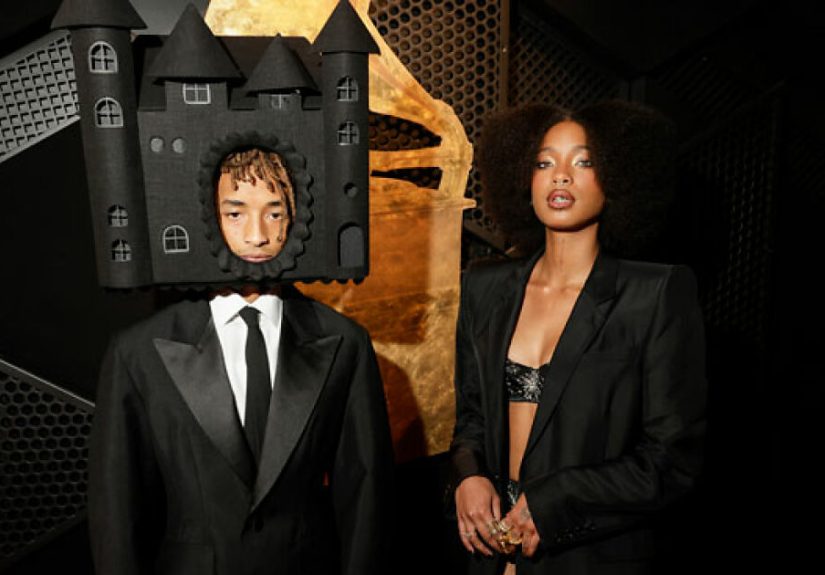
Jaden, in particular, ignited the timeline by wearing a sculptural black castle-shaped headpiece over a tailored black suit, while Willow leaned into a bold, minimalist-meets-lingerie aesthetic with a sparkling two-piece and dramatic outerwear. Within minutes, social feeds filled with jokes, critiques, screenshots, and the kind of commentary that only the internet can produce before the opening monologue even starts. One viral phrase summed up the mood in meme-speak: Jaden had supposedly “lost his aura.”
But beneath the jokes is a more interesting story about celebrity branding, avant-garde fashion, online pile-ons, and why the Grammys still function as the Super Bowl of red-carpet experimentation. Let’s break down what happened, why people reacted so strongly, and what this viral moment says about fashion culture in 2025.
What Happened at the Grammys 2025 Red Carpet?
At the 67th Annual Grammy Awards in Los Angeles, Jaden and Willow Smith arrived together and immediately became one of the most talked-about sibling duos of the night. That is not a small feat on a carpet packed with superstar fashion, glittering couture, and enough custom tailoring to make a seamstress cry happy tears.
Jaden wore a classic black formal look that, under normal circumstances, would have been considered sleek and understated. The catch? He paired it with a dramatic castle-shaped headpiece that framed his face and covered much of his head, transforming a standard tuxedo appearance into a full-on visual statement. The effect was theatrical, slightly gothic, and extremely meme-friendly.
Willow, meanwhile, embraced a daring, high-contrast look built around a sparkling black bra-and-briefs style set under a long tailored coat. Her styling leaned into confidence and performance energy: bold silhouette choices, platform footwear, and metallic detailing that made the outfit feel intentional rather than accidental. Together, the siblings looked coordinated in tone (dark, dramatic, fashion-forward) but very different in execution.
The timing also mattered. They were attending during a highly visible ceremony where red-carpet photos are clipped, reposted, and judged in real time. In other words, they didn’t just walk a carpet—they walked into the algorithm.
Jaden Smith’s “Castle Head” Look Explained
The Visual: A Tuxedo + Architecture
The reason Jaden’s outfit went viral so fast is simple: it read instantly. You didn’t need fashion training, a stylist friend, or a Vogue subscription to understand that something unusual was happening. He was wearing what looked like a black house or castle on his head. That kind of visual lands online in one second, which is exactly how meme culture works.
The rest of the outfit was comparatively restrained, which actually made the headpiece more effective. It wasn’t a maximalist pile-up of ten competing ideas. It was a classic formal base with one gigantic statement object. That contrast created the punchline and the artistry at the same time.
The Design: Avant-Garde, Gothic, and Intentionally Weird
Coverage of the look quickly identified the headpiece as ABODI’s “Vampire Castle,” a sculptural design rooted in Transylvanian-inspired imagery and gothic folklore aesthetics. The brand positioning and messaging around the piece emphasized individuality, audacity, and symbolism rather than simple novelty. In fashion terms, this wasn’t random costume energy; it was conceptual styling.
And honestly, that is very Jaden. He has spent years building a public image around nonconformity, eccentric style, and the refusal to look “normal” just because normal is easier to digest. So while the internet reacted like it had been personally attacked by a miniature mansion, the outfit fit neatly into his long-running persona.
Why the Internet Called It “Too Much”
The criticism came fast because the headpiece disrupted the unspoken rules people still expect from formalwear. A lot of viewers are fine with unusual fabric, unusual color, or unusual tailoring. But once you introduce an object that looks architectural, comedic, or impractical, people stop reading the look as fashion and start reading it as a stunt.
That shift is where most of the jokes were born. If the outfit becomes a punchline before it becomes a concept, the roast writes itself. You could practically hear the internet warming up its microphones.
Willow Smith’s Outfit and Why It Got Pulled Into the Same Roast Cycle
Willow’s look was bold in a different way. Where Jaden’s outfit triggered “What is that?” reactions, Willow’s sparked the familiar online debate around body-forward fashion, formal dress codes, and what people think women “should” wear to awards shows. That conversation is old, repetitive, and somehow always brand new.
Her styling blended glamour and provocation: a crystal-accented lingerie-inspired base layered with a tailored black coat, plus statement accessories that gave the whole look a polished edge. For fashion audiences, this read as part of a long-running red-carpet trend where underwear-as-outerwear has moved from scandal to styling language. For more traditional viewers, it read as “WTH.”
In short, the siblings triggered two different internet debates at the same time: Jaden activated the “What in the Tim Burton Zillow listing is this?” meme stream, while Willow activated the culture-war-lite argument about how revealing is too revealing on a red carpet. Put them together, and the comment sections practically combusted.
It also didn’t help that the duo arrived as a pair. Online audiences often flatten nuance when two headline-friendly looks appear together. Instead of assessing each outfit separately, people tend to package them into a single narrative: “the Smith siblings showed up in wild outfits.” That bundle effect increases virality and decreases fairness.
Why Netizens Reacted So Hard: The Real Reasons Behind the Roasts
1) The Outfit Was Instantly Memeable
Great meme material has three ingredients: visual clarity, surprise, and a built-in joke. Jaden’s headpiece had all three. It looked like a castle. It appeared at a globally televised awards show. And it created immediate practical questions people could joke about: How do you sit? Can the person behind him see? Does it need a mortgage?
This kind of reaction doesn’t necessarily mean the outfit failed. In red-carpet economics, being memorable can matter more than being universally liked. A look that gets 70% confusion and 30% admiration often outperforms a look that gets 100% polite approval and zero conversation.
2) The Internet Loves “Aura” Discourse
The phrase “lost his aura” is peak 2025 internet language. It sounds dramatic, vaguely philosophical, and just unserious enough to become a viral drag. “Aura” commentary is the modern cousin of “he fell off,” except it is more meme-coded and more aesthetic. It often says less about the person being discussed and more about the audience’s desire to reduce complex public images into a quick joke.
In this case, the phrase spread because Jaden already occupies a unique space in pop culture. He is famous, stylish, experimental, and frequently polarizing. That combination makes him a magnet for both admiration and mockery. The “aura” narrative gave people a catchy label to project whatever they already felt about him.
3) Celebrity Kids Get a Different Kind of Scrutiny
Jaden and Willow are not just artists and public figures; they are also celebrity kids from one of the most recognizable entertainment families in the world. That means every appearance gets filtered through years of public opinion about their parents, family reputation, privilege, and media history.
When viewers react to them, they are often reacting to a whole symbolic package, not just two outfits on one night. That makes the commentary louder, meaner, and more loaded than it might be for a lesser-known artist wearing something equally eccentric.
Was It Fashion, a Stunt, or Both?
The honest answer is: both. And the Grammys red carpet has always rewarded exactly that kind of ambiguity.
Red carpets are not ordinary sidewalks. They are staged media environments where attention is currency. Celebrities wear memorable looks because photos must compete against dozens of other photos within the same hour. If your image doesn’t stop the scroll, your stylist might as well have dressed you in wallpaper.
Jaden’s headpiece worked as a fashion object, a personal-brand statement, and a conversation grenade. Willow’s look worked as a body-confident, performance-adjacent fashion choice that aligned with her artistic image. Whether someone loved them or hated them, both looks succeeded at making people look twice. In red-carpet terms, that is a win.
Even better for the publicity machine, the controversy did not stop at the carpet. Follow-up coverage kept the story alive: explanations of the headpiece, designer backstory, pricing details, celebrity reactions, and commentary segments on daytime TV. That is how a single outfit becomes a multi-day media cycle.
The Backlash vs. the Defense: Two Internets, Same Timeline
One of the most interesting parts of this story is that the reaction was never one-sided. Yes, there were jokes, roasts, and the usual internet dunking. But there were also people defending the looks as creative expression, praising the nerve it takes to wear something that bizarre on one of the biggest red carpets in music.
This split is common in celebrity fashion discourse:
The Roast Crowd
This group treats the red carpet as public entertainment and sees outrageous fashion as fair game for jokes. Their argument is basically, “If you show up wearing a castle, we reserve the right to ask if the drawbridge is included.” They value humor, relatability, and common-sense visual reaction over fashion theory.
The Fashion/Art Defense Crowd
This group views the same outfit as performance, styling, and concept. They argue that red carpets are one of the few mainstream spaces where artists can still do something weird without asking permission. To them, mockery proves the look did its job because it challenged expectations.
Both camps can be right in part. The problem starts when playful criticism turns into personal cruelty. There is a difference between saying, “That outfit looks ridiculous,” and acting like a person deserves harassment for wearing something dramatic to an awards show.
Why This Viral Moment Matters Beyond Celebrity Gossip
It may seem like a trivial story about a famous family and a very committed headpiece, but this moment actually reveals a lot about digital culture.
Attention Is the Product
In the social media era, red-carpet fashion is no longer just about taste. It is about velocity. How fast can a look become a clip, a meme, a screenshot, a debate, a reaction video, and a brand talking point? Jaden and Willow’s looks moved through that pipeline at lightning speed.
Context Gets Lost Fast
Once a photo goes viral, most people never see the designer explanation, the styling intention, or the broader fashion conversation. They see one image, one caption, and a thousand jokes. That doesn’t make the jokes invalid, but it does make them incomplete.
Controversy Can Convert Into Commercial Value
The headpiece’s reported pricing and the post-event coverage around it gave the outfit a second life beyond the Grammys. That is a perfect example of how criticism and commerce can coexist. A lot of people mocked the look, but just as many clicked to learn what it was, who made it, and how much it cost.
Welcome to modern celebrity fashion marketing: if people are arguing, the campaign is probably working.
Final Take: Did Jaden Really “Lose His Aura”?
Not really. If anything, he doubled down on it.
The “lost his aura” line is funny because it sounds like a final verdict, but internet verdicts expire faster than red-carpet trends. What actually happened is more straightforward: Jaden wore a polarizing avant-garde piece, Willow wore a daring fashion-forward look, and the internet did what it always does when celebrity fashion gets weird—it turned the moment into a giant public group chat.
Some people saw art. Some saw nonsense. Some saw free meme content and got to work immediately. But love it or hate it, the Smith siblings created one of the most memorable red-carpet moments of Grammys 2025, and in a crowded media landscape, memorable still beats forgettable every time.
So no, he didn’t lose his aura. He just put a castle on it.
Extended Experience Section (Approx. 500+ Words): What It Feels Like to Watch a Viral Red-Carpet Roast in Real Time
One of the strangest and most fascinating parts of modern awards shows is that most people no longer experience the red carpet as a linear TV event. They experience it as a multi-screen social ritual. The show is on the television (or streaming in one tab), but the real-time emotional processing happens on phones: group chats, social feeds, meme pages, short clips, reaction posts, and quote-post chains. The Jaden-and-Willow-at-the-Grammys moment is a perfect example of that shared digital experience.
First comes the image shock. A photo pops up before many viewers even know who has officially arrived. In Jaden’s case, it was the castle headpiece. You don’t need a caption to react. The brain immediately goes, “Wait. Is that a house?” Then the comments begin. Within seconds, the image is detached from the original broadcast and starts circulating independently, sometimes with context, often without it. By the time some people see the photo, it’s already a meme template.
Then comes the split-screen experience of humor and judgment. In group chats, people tend to be funnier and more casual: they make jokes, compare the headpiece to random objects, and laugh about practical questions like sight lines and seating. In public comment sections, the tone often shifts. Humor can harden into mockery, and critique can become moralizing. That is where you start seeing the familiar internet escalation: from “this look is wild” to “what is wrong with these people,” which are not the same statement at all.
Willow’s look added another layer to the experience because it triggered the recurring online argument about revealing fashion. What’s interesting is how predictable the conversation felt. Some people praised the styling, confidence, and performance energy. Others framed it as “attention-seeking,” as if red carpets are not literally attention-based events by design. Watching this happen in real time can feel like seeing the same script rebooted with different costumes every year.
There’s also a social pressure element. Once a look becomes the joke of the night, users often feel invited to add their own roast, even if their take is basically the same as the previous 4,000 comments. That creates a pile-on effect where repetition starts to look like consensus. A phrase like “lost his aura” spreads because it gives people a ready-made label to join the conversation without needing an original thought. It’s meme shorthand, and meme shorthand is how online crowds move fast.
But the experience isn’t only cynical. Viral fashion moments also create a weirdly fun kind of collective participation. People who don’t normally care about the Grammys suddenly care. Fashion fans explain references. Casual viewers crack jokes. Stylists, music fans, and pop-culture watchers all collide in the same feed. For a few hours, everyone is attending the same giant digital after-party, and the outfit becomes the conversation starter.
The emotional aftertaste depends on how far the discourse goes. Playful roasting is part of red-carpet culture and probably always will be. Most celebrities know that. But when criticism turns personal or dehumanizing, the atmosphere changes from funny to ugly. The best online experiences keep the joke about the outfit and leave the person’s humanity intact.
In that sense, the Jaden-and-Willow Grammys moment felt like a case study in how internet culture works now: instant visual reaction, rapid meme production, polarized interpretations, and endless reposts. It was chaotic, funny, occasionally harsh, and incredibly effective at making one red-carpet appearance feel like a full cultural event. That’s the modern experience in a nutshell: the carpet lasts minutes, but the discourse can live for days.