Table of Contents >> Show >> Hide
- Why a Pool Deck Is a Bigger Deal Than “Just Some Boards”
- Planning the Deck: The Part Everyone Wants to Skip (Don’t)
- Choosing Materials for a Pool Deck
- Design Details That Make a Pool Deck Safer and More Comfortable
- How We Built It: A Practical Build Overview
- Mistakes to Avoid (Learned the Easy Way and the Hard Way)
- Maintenance: Keeping the Deck Looking Good Without Making It a Second Job
- Conclusion: A Pool Deck That Feels Like an Upgrade (Because It Is)
- My Experiences Building the New Pool Deck at My Son’s House (The Extra )
- SEO Tags
The day my son said, “Dad, the pool area needs a new deck,” I heard two things at once:
(1) a heartfelt invitation to help, and (2) the unmistakable whisper of my lower back filing a complaint in advance.
Still, if you’ve ever built something for your kid’s home, you know it’s not just a construction projectit’s a
memory you can sweep, hose off, and occasionally trip over.
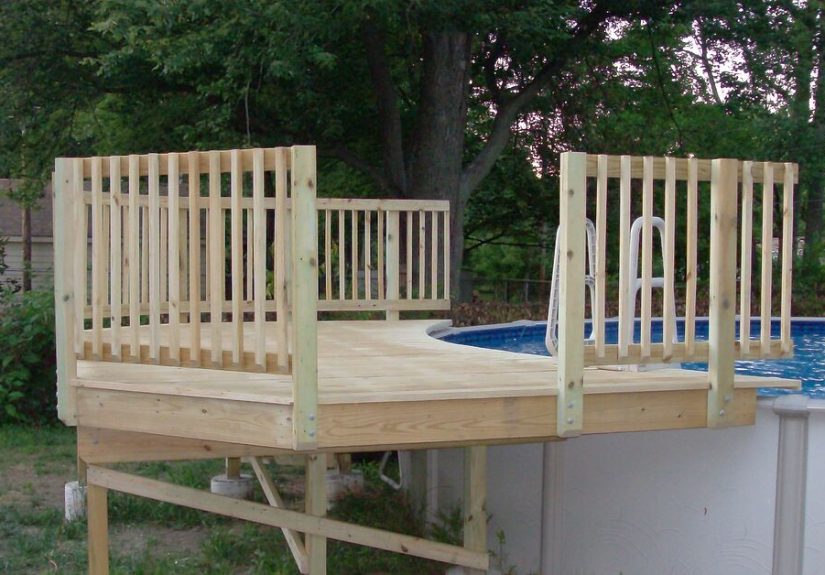
This article breaks down how I approached building a new pool deck at my son’s houseplanning, materials,
framing, safety, and all the small decisions that make the difference between “nice weekend project” and
“why is the deck humming when I walk on it?” I’ll keep it practical, detailed, and lightly amusedbecause if you
can’t laugh at yourself while measuring the same span three times, you’re doing DIY wrong.
Why a Pool Deck Is a Bigger Deal Than “Just Some Boards”
A pool deck is basically a stage where life happens: wet feet, sunscreen hands, cannonball applause, birthday
cupcakes, and the occasional dramatic flop onto a lounge chair. But poolside conditions are hard on materials and
even harder on shortcuts. Water exposure, chemicals, heat, and barefoot traffic demand a deck that’s
safe, stable, and comfortable.
When we planned the new deck, our goals were simple:
reduce slipping, avoid splinters, improve drainage, make movement easier (especially in and out of the house),
and create a layout that didn’t feel like an obstacle course.
Planning the Deck: The Part Everyone Wants to Skip (Don’t)
Start With the “Non-Fun” Stuff: Codes, Permits, and Safety Zones
Before you buy a single board, check your local requirements. Deck rules can vary by city and county, and pool areas
often have additional safety expectations. Even if you’re building at a family member’s house, “it’s my son’s place”
won’t convince an inspectoror your conscienceif something goes wrong later.
In many places, guardrails become important once the deck surface is elevated. And around pools, barriers and
controlled access matter for safety. If the pool area needs fencing or self-closing gates, handle that as a real
design requirement, not an afterthought.
Measure Like You’re Trying to Avoid a Second Trip to the Store
I measured the footprint, walking paths, door swing clearance, and the “furniture reality” (because that cute
patio set online will absolutely take up more space in real life). I also mapped out the traffic pattern:
where people naturally enter, where they drip water, and where they stand to chat.
One tip: mark the deck outline with stakes and string (or even hose lines) and live with it for a day.
You’ll spot awkward corners before they become permanent.
Choosing Materials for a Pool Deck
Material choice is where pool decks separate the “looks great on day one” builds from the “still feels great on year five”
builds. Poolside decking has to tolerate moisture, sun, and chemicalsand it needs to be friendly to bare feet.
Pressure-Treated Wood: Budget-Friendly, But Not Maintenance-Free
Pressure-treated lumber is common for framing and can be used for decking, too. It’s widely available and usually
costs less up front. The tradeoff is maintenance and comfort: wood can weather, check, and eventually splinter,
especially with constant wet/dry cycling. That’s not ideal when kids are sprinting around barefoot like the ground is lava.
If you use treated wood, take fasteners seriously. Modern preservatives can be corrosive to certain metals, and
pool environments add moisture to the equation. Choosing the right connectors and screws isn’t “overbuilding”it’s
preventing rust streaks and structural headaches later.
Composite and PVC Decking: Pool-Friendly Comfort (Usually Worth It)
Composite and PVC decking are popular for pool decks because they’re low-maintenance, don’t require staining,
and are generally more barefoot-friendly. Another perk: many composites resist splintering better than traditional wood,
which is exactly what you want when the deck becomes a barefoot highway.
The key is to follow the manufacturer’s installation details. Composite boards expand and contract with temperature,
and they require specific spacing and support. Skip the recommended gapping and you can end up with boards that
look like they’re trying to buckle into modern art.
Design Details That Make a Pool Deck Safer and More Comfortable
Slip Resistance: Texture Matters More Than You Think
Around a pool, everything is wet: the deck, the towel you thought was dry, and your confidence when you try to run in flip-flops.
Look for decking with a textured or embossed surface, and consider how it behaves when wet. No surface is magically
“slip-proof,” but the right texture and a good cleaning routine can dramatically reduce slick spots.
Drainage: Don’t Build a Giant Puddle Platform
Standing water is a triple threat: it increases slipping risk, speeds up grime and algae growth, and can shorten the life of materials.
Good drainage starts with smart layout and ends with the small detailslike consistent board gapping and airflow under the deck.
For pool deck surfaces in general, a common guideline is a gentle slope that moves water away to prevent standing water.
Even if your deck is elevated and water drains between boards, you still want water to flow away from structures and
avoid collecting in low areas.
Heat: Your Deck Shouldn’t Double as a Skillet
Dark surfaces can get hot in full sun. If your son’s pool gets afternoon sun, consider lighter colors, shaded zones,
and a “barefoot path” strategy (rugs or mats designed for outdoor use). A pool deck should feel inviting, not like a
dare.
How We Built It: A Practical Build Overview
Every pool deck is differentground conditions, pool shape, house elevation, and local requirements all matter.
But the workflow below is a solid roadmap for building a deck that feels solid and lasts.
1) Layout and Footings: Stability Starts Underground
We staked out the perimeter and confirmed the final height relative to doors and pool coping. Then we planned support points
so loads transfer correctly. Footings typically need to extend below local frost depth where applicable, and post bases should
be installed so the structure resists movement and moisture damage.
If you’re working in an area with freeze/thaw cycles, this step is not optional. A deck that heaves and settles will
eventually loosen fasteners, twist boards, and create trip hazards.
2) Framing: Make It Strong Before You Make It Pretty
The framing stage is where you win or lose the long-term feel of the deck. We focused on:
- Correct joist spacing based on the decking type and pattern (straight vs. diagonal).
- Blocking where needed for stiffness and clean edges.
- Solid connections using approved hardware, especially if attaching to an existing structure.
- Ventilation beneath the deck to reduce moisture-related issues.
A common framing rule of thumb is 16 inches on center for many decking applications, but composite products often require
closer spacing (like 12 inches on center) for diagonal layouts or when you want a more rigid feel. Follow the decking
manufacturer’s guidancethis is one of those details that affects every single step you take later.
3) Decking Installation: Spacing and Fasteners Are the Whole Game
Installing deck boards looks straightforward until you remember: water is involved, heat is involved, and the boards are going
to move a little over time. Proper gapping supports drainage and accounts for expansion and contraction.
We also paid attention to fastener choice. Poolside conditions mean moisture and often chemical exposure, and treated lumber
framing can be hard on the wrong metals. Using the recommended corrosion-resistant screws and connectors helps prevent
premature rusting and ugly staining.
4) Stairs, Handrails, and Guards: Where “Looks Nice” Meets “Don’t Fall”
Stairs and railings are not the place to improvise. Comfortable stairs depend on consistent rise and run, and safety details
matter more when surfaces are wet. If the deck surface is elevated, guards and handrails may be required. Even when not
strictly required, well-designed rails can make a pool deck feel secureespecially for kids, older relatives, and anyone
carrying a tray of drinks while trying to look relaxed.
We aimed for steps that felt natural, with uniform riser heights and solid treads. A pool deck should invite people to move
confidentlynot tiptoe like they’re sneaking past a sleeping dragon.
5) Lighting and Electrical Considerations
Good lighting makes a pool deck usable at night and reduces trips. For any electrical work near water, follow local codes and
consider hiring a licensed electrician. This isn’t fear-mongeringit’s just respecting physics. Water always wins.
Mistakes to Avoid (Learned the Easy Way and the Hard Way)
- Ignoring drainage: If water sits, algae and slickness follow.
- Underbuilding the frame: A bouncy deck feels cheap, even if the boards are expensive.
- Wrong fasteners: Rust is not a design feature, no matter what Pinterest says.
- Skipping manufacturer guidance: Composite products are greatwhen installed the way they’re designed.
- Forgetting furniture reality: Leave space for chairs, traffic, and the “towel drop zone.”
Maintenance: Keeping the Deck Looking Good Without Making It a Second Job
Pool decks don’t need to be babied, but they do need basic care. The best routine is boring and consistent:
sweep regularly, rinse as needed, and clean seasonally with the right method for your decking type.
For composites, manufacturers commonly recommend simple cleaning with soap and water and the appropriate brush type.
The real enemy is builduppollen, grime, sunscreen residue, and leaf tannins that stain and feed slippery growth.
Conclusion: A Pool Deck That Feels Like an Upgrade (Because It Is)
Building a new pool deck at my son’s house wasn’t just about replacing old boards. It was about creating a safe,
comfortable hangout zone that can handle wet feet, hot sun, and real family use. The winning formula was:
plan carefully, build the structure right, choose pool-friendly materials, and respect the little detailsspacing,
drainage, and connectionsthat make a deck last.
And if you’re building for your kid’s home: take pictures, label your leftovers, and write down what you learned.
Because someday, you’ll be backhelping “just fix one small thing”and you’ll want your past self to leave a few clues.
My Experiences Building the New Pool Deck at My Son’s House (The Extra )
Let me tell you the truth nobody puts on a “Weekend Deck Build” checklist: building a pool deck at your son’s house
is equal parts carpentry, diplomacy, and comedy. The carpentry is obvious. The diplomacy is because your son will
say things like, “I trust your judgment,” right before he shows you a photo of a resort deck that appears to be
floating on pure confidence. And the comedy? That’s you, realizing you’ve become the guy who owns six tape measures
and still can’t find one when it matters.
The first lesson was pace. I used to treat projects like a racefast start, strong finish, victory lap at the hardware store.
But pool decks punish rushing. Wet environments make every tiny mistake show up later: a slightly uneven board becomes
a toe-stubber, a missed spacing decision becomes a drainage annoyance, and one “it’s probably fine” fastener choice
becomes rust freckles by next season. So we slowed down. We snapped layout lines. We double-checked heights near doors.
We paused to imagine how people actually move: carrying food, stepping around chairs, rushing to grab a towel, herding
kids back from the edge like a lifeguard with a dad bod.
The second lesson was comfort beats cool. My son originally wanted a pattern that looked incredible onlinediagonal boards,
fancy borders, the whole architectural-magazine vibe. We talked it through and kept the look clean, but we prioritized a
deck that felt good underfoot and stayed easier to maintain. Pool decks get dirty. They get wet. They get used hard.
The best design is one you don’t resent when it’s time to clean it.
Third: build stiff. Nothing ruins the “new deck” feeling like bounce. Even if a deck is technically strong enough, a springy feel
makes people walk carefullyand nobody wants “careful” around a pool. We added the support and blocking that made the
platform feel solid. That was one of those decisions that doesn’t photograph well but pays off every day.
Fourth: people will judge your stairs. Not out loud (usually), but stairs are where everyone forms an opinion. If they’re comfortable,
the deck feels welcoming. If they’re awkward, everyone notices. We worked to keep them consistent and sturdy, and it
absolutely changed how the whole space felt.
Finally, the best part was the quiet moment after: the first evening we sat out there, the deck clean, the lights soft,
the pool calm. My son looked around like the place had “clicked.” And I realized that’s what you’re really building:
a space where your family actually wants to be. The boards matter. The fasteners matter. But the feeling matters most.