Table of Contents >> Show >> Hide
- The Four Hormones of the Apocalypse (and What They’re Doing in Your Kitchen)
- The Bonus Villain: Cortisol (a.k.a. Stress in Hormone Form)
- Why Nighttime Cravings Hit Harder: Your Body Clock Has Opinions
- The Most Common Setups That Lead to Night Binges
- Tame the Apocalypse: A Practical, No-Shame Game Plan
- 1) Eat Regular Meals (Yes, Including Earlier in the Day)
- 2) Build a “PYY-Friendly” Dinner
- 3) Watch the Refined Carb + Sugar Combo at Night
- 4) Put a Buffer Between Dinner and Bed (When You Can)
- 5) Plan an “Allowed” Evening Snack (Strategically)
- 6) Add a 10-Minute Post-Dinner Walk
- 7) Create a Stress Off-Ramp
- 8) Upgrade Sleep Like It’s a Health Supplement (Because It Kind of Is)
- 9) Make Your Environment Do Some of the Work
- 10) If You Wake Up Hungry, Use a Decision Tree
- Quick Reality Check: Is This Night Eating Syndrome or Binge Eating Disorder?
- Wrap-Up: You’re Not “Bad at Night”You’re Biologically Human
- Experiences: What Night Binges Often Feel Like (and What Actually Helps)
- SEO Tags
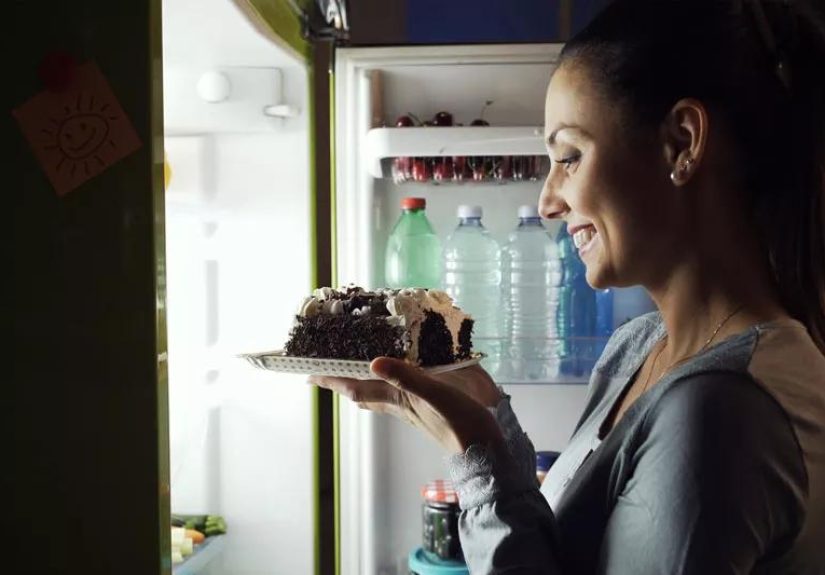
It’s 10:47 p.m. You’re not even that hungry. You brushed your teeth. You made a respectable attempt at being a responsible adult.
And yet… your brain starts pitching a late-night infomercial: “What if we just had a little something?” Ten minutes later you’re standing in front of the fridge
like it’s giving a TED Talk titled Cheddar: A Love Story.
If this sounds familiar, here’s some good news: you’re not “weak,” “broken,” or “lacking willpower.” You’re human. Late-night eating is often a collision of
biology, sleep, stress, and blood sugarplus a kitchen that never closes. In fact, Cleveland Clinic famously calls out four appetite-related hormones that can
turn nighttime into a snacky apocalypse: insulin, leptin, ghrelin, and peptide YY. (Cortisol shows up too, like an uninvited guest who
rearranges your furniture and then asks for dessert.)
This article breaks down how these “four hormones of the apocalypse” influence night binges, why your body’s internal clock makes late-night cravings louder,
and what you can dopractically, kindly, and without turning your life into a joyless spreadsheetto tame the chaos.
Note: This is general information, not personal medical advice. If night eating feels frequent, distressing, or out of control, professional
support can be a game-changer.
The Four Hormones of the Apocalypse (and What They’re Doing in Your Kitchen)
Let’s meet the “four horsemen” behind many night binges. Each has a real job. The problem is that modern life (stress + screens + sleep debt + ultra-processed
food) can turn helpful signals into late-night plot twists.
1) Insulin: The Blood-Sugar Bouncer
Insulin is a hormone made by your pancreas that helps move glucose (sugar) from your blood into your cells for energy. When you eatespecially carbsyour blood
sugar rises and insulin rises to handle the job. When things are balanced, great: steady energy, normal hunger cues.
But if dinner (or “dinner”) is heavy on refined carbs and sugarthink white bread, chips, sweets, sweet drinksyour blood sugar can spike and then drop.
That drop can feel like: “I need something right now, preferably crunchy or sweet, and I need it to happen in the next 45 seconds.”
It’s not a moral failing; it’s your body trying to stabilize.
At night, there’s an extra twist: many people have lower insulin sensitivity later in the day, meaning the same meal can lead to higher blood sugar than it would
earlier. That can set up a rebound hunger cycle and make late-night eating feel oddly “urgent.”
2) Leptin: The “I’m Full” Brake Pedal
Leptin is often described as a satiety hormonea signal that helps communicate fullness and energy balance. When leptin signaling is working smoothly, it’s part
of what helps you finish a meal and move on with your evening like a person who has hobbies.
Here’s the sneaky part: research suggests that eating later can shift appetite regulation, including changes in leptin levels across the day.
In tightly controlled studies, late eating has been associated with increased hunger and lower leptin compared with earlier eating schedules.
Translation: your “brake pedal” can feel less responsive at the exact time your pantry is most persuasive.
3) Ghrelin: The Hunger Megaphone
Ghrelin is produced largely in your stomach and is often nicknamed the “hunger hormone.” It tends to rise before meals and fall after eating.
Think of it as your body’s way of saying, “Hey! Fuel would be nice!”
Sleep changes the script. When you’re sleep-deprived, studies have linked short sleep to higher ghrelin and more hunger. That’s one reason a rough night can turn
the next evening into a craving carnivaleven if your “daytime you” had great intentions and a salad.
4) Peptide YY (PYY): The Quiet “We’re Good Now” Text Message
Peptide YY is a gut hormone released from your intestines after you eat, and it helps signal satiety. If ghrelin is a megaphone, PYY is a calm text that says,
“Thanks, that’s enough.”
PYY tends to respond well to meals that actually satisfyespecially those with enough protein and fiber. Research on satiety hormones suggests protein can boost
fullness signals, and PYY is part of that conversation.
Sleep loss can also disrupt satiety hormones (including PYY), making it harder to feel comfortably “done” in the evening. So if you’re low on sleep, your hunger
megaphone may be louder while your “we’re good” text message arrives lateor not at all.
The Bonus Villain: Cortisol (a.k.a. Stress in Hormone Form)
Cortisol isn’t one of the official “four hormones of the apocalypse” list, but it deserves a cameo because it’s often the reason the apocalypse has fireworks.
When you’re stressed, your body releases cortisol as part of the fight-or-flight response. In modern life, “fight-or-flight” usually means “answer emails while
doomscrolling,” but your biology still acts like you’re outrunning a tiger.
Elevated stress can increase appetite and cravingsespecially for highly palatable foods like sweets and salty snacks. It can also tangle with blood sugar and
insulin dynamics, which can make nighttime feel like the perfect storm: tired, wired, and snack-curious.
Why Nighttime Cravings Hit Harder: Your Body Clock Has Opinions
Your metabolism is not a 24/7 diner with identical service at 9 a.m. and 11 p.m. Humans run on circadian rhythmsinternal clocks that influence sleep, hormones,
digestion, and how efficiently we handle glucose. Research in circadian biology shows that glucose tolerance and insulin sensitivity tend to be lower in the
evening than in the morning for many people.
Add to that what controlled studies have found about late eating: shifting meals later can increase hunger and alter appetite-regulating hormones across the day,
and it may also affect energy expenditure and fat storage pathways. So the same “normal” snack can feel more compelling at night and may be processed differently.
None of this means “never eat after 7 p.m.” Real life is not a fairy tale where everyone finishes dinner at 6:12 p.m. and then reads a book by candlelight.
But it does mean that if night binges are a pattern, meal timing and sleep timing are worth looking atnot as rules, but as levers you can gently adjust.
The Most Common Setups That Lead to Night Binges
Night binges rarely appear out of nowhere. They usually show up when a few predictable factors stack together.
Setup #1: The “I Ate Like a Sparrow All Day” Trap
Skipping meals or eating too little earlier often backfires. By evening, hunger hormones are loud, your brain is tired, and self-control is running on 3%
battery. A planned, balanced daytime intake can reduce the nighttime rebound.
Setup #2: Sleep Debt
Short sleep can shift appetite regulationhigher hunger signals, lower satiety signals, and more cravings. It’s hard to make “reasonable snack decisions” when
your brain is basically a toddler begging for quick energy.
Setup #3: Stress + No Decompression Ritual
When stress stays high all day and there’s no off-ramp, food becomes the fastest “soothing shortcut.” Cortisol doesn’t care about your goals; it cares about
immediate survival vibes.
Setup #4: Ultra-Processed, Highly Rewarding Foods
Many snack foods are engineered to be easy to overeat: a potent mix of salt, sugar, fat, and crunch. Your brain learns that “chips = fast comfort,” and it
starts requesting them at the exact time you’re most vulnerable.
Setup #5: Alcohol (and the “Snack Fog”)
Alcohol can disrupt sleep quality and lower inhibitions. It can also affect appetite and late-night decision-making, which can turn a “small snack” into a
kitchen encore.
Setup #6: Night Eating Syndrome or Binge Eating Disorder
Sometimes night eating isn’t just a habitit’s a clinical pattern. Night Eating Syndrome (NES) can involve waking up to eat repeatedly and feeling like you
can’t fall back asleep without food. Binge Eating Disorder (BED) involves recurrent binge episodes with a sense of loss of control. If this resonates, you’re
not aloneand evidence-based treatment exists.
Tame the Apocalypse: A Practical, No-Shame Game Plan
You don’t have to “white-knuckle” your way out of night binges. The goal is to make your evenings less biologically stacked against you.
Here are strategies that target those four hormonesplus the real-life triggers that flip them on.
1) Eat Regular Meals (Yes, Including Earlier in the Day)
Consistency helps. A balanced breakfast and lunch can reduce the “late-day hunger avalanche.” If you tend to skip breakfast, consider a small but protein-forward
option (e.g., Greek yogurt, eggs, tofu scramble, cottage cheese, or a smoothie with protein).
2) Build a “PYY-Friendly” Dinner
If peptide YY is your satiety text message, your dinner should give it decent cell service. Aim for:
protein (fish, chicken, lean meat, beans, lentils, tofu),
fiber-rich carbs (vegetables, beans, whole grains),
and healthy fats (olive oil, avocado, nuts).
This combo tends to support steadier blood sugar and longer-lasting fullness.
3) Watch the Refined Carb + Sugar Combo at Night
This isn’t about banning foods. It’s about noticing patterns. If your night binges usually start with sweets or refined carbs, experiment with swapping the
“spark” for something more stabilizing: fruit + nut butter, yogurt + berries, or a small bowl of oatmeal with protein added.
The aim is fewer blood-sugar fireworksand fewer insulin roller coasters.
4) Put a Buffer Between Dinner and Bed (When You Can)
Many experts recommend finishing larger meals a couple of hours before bedtime when possible. Your digestion and circadian rhythms tend to cooperate more when
food doesn’t arrive right as your body is trying to power down.
5) Plan an “Allowed” Evening Snack (Strategically)
For many people, forbidding snacks makes them more seductive. Try a planned snack that’s satisfying but not a binge trigger:
a small protein-and-fiber combo works well (like yogurt and berries, a handful of nuts and fruit, or whole-grain toast with peanut butter).
If you know you’ll be hungry later, planning beats pretending you won’t.
6) Add a 10-Minute Post-Dinner Walk
Light movement after eating can help with glucose management for some people. It also creates a clean psychological “end of eating” momentlike closing the
kitchen without dramatic padlocks.
7) Create a Stress Off-Ramp
If cortisol is pushing cravings, fight back with soothing, not discipline. Try one:
a hot shower, stretching, a short guided breathing session, journaling, or reading something that doesn’t involve global catastrophes.
The goal is to teach your nervous system: “We’re safe. We don’t need a pantry emergency.”
8) Upgrade Sleep Like It’s a Health Supplement (Because It Kind of Is)
Adults are commonly advised to aim for about 7–9 hours of sleep. If you’re routinely short, your hunger hormones may be working against you.
Sleep hygiene basics matter: consistent bedtime/wake time, dimmer lights late, cooler room, less late caffeine, and fewer screens right before bed.
9) Make Your Environment Do Some of the Work
Night binges often happen on autopilot. A few “friction” tricks can help:
keep binge-trigger foods out of immediate sight, portion snacks into bowls (not bags), keep herbal tea available, and decide your “kitchen close” routine
(brush teeth, wash face, prep coffee for tomorrow).
10) If You Wake Up Hungry, Use a Decision Tree
If you wake up at night and genuinely feel hungry, you’re not failing. Try this:
(a) drink water, (b) wait a few minutes, (c) if still hungry, choose a small, boring snack that settles your
stomach without triggering a binge (like a banana, yogurt, or toast).
Then go back to bed. The goal is to meet a real need without turning it into a kitchen festival.
Quick Reality Check: Is This Night Eating Syndrome or Binge Eating Disorder?
Occasional late-night snacking is common. But if nighttime eating is frequent, distressing, or feels out of control, it may be worth screening for something
more specific.
Night Eating Syndrome (NES) can look like:
- Waking up during the night specifically to eat, often multiple times per week
- Feeling like you can’t fall back asleep without eating
- Craving carbohydrate-heavy or sweet foods at night
- Little appetite in the morning
Binge Eating Disorder (BED) can look like:
- Eating a large amount of food in a short time with a sense of loss of control
- Eating until uncomfortably full
- Eating when not physically hungry
- Feeling guilt, shame, or distress afterward
- Happening at least weekly for several months (for a formal diagnosis)
The most important takeaway: effective treatment exists. Evidence-based care often includes talk therapy (like cognitive behavioral therapy),
structured support, and in some cases medication. If you’re stuck in a cycle, a clinician or therapist who understands eating concerns can help you build a plan
that supports both mental and physical health.
Wrap-Up: You’re Not “Bad at Night”You’re Biologically Human
Night binges often aren’t about discipline. They’re about signalsinsulin swings, leptin and ghrelin shifts, low peptide YY satiety, and stress hormones that
turn cravings into a megaphone. Add circadian timing and sleep debt, and nighttime becomes the perfect stage for “Oops, I ate the whole thing.”
The fix isn’t punishment. It’s strategy: steadier meals, smarter evening snacks, stress off-ramps, better sleep, and a kitchen environment that doesn’t tempt
you like a reality TV villain. Small changes can make those hormones dramatically less dramatic.
Experiences: What Night Binges Often Feel Like (and What Actually Helps)
The science is helpful, but real life is where the story happensusually in sweatpants, under questionable lighting, with a snack you didn’t even taste because
you were emotionally speed-running the evening. Here are a few common “experience patterns” people describe, plus what tends to help in the real world.
Experience #1: “I’m fine all day… then 9 p.m. hits and I become a snack gremlin.”
This is often the classic combination of under-eating earlier + decision fatigue + a brain looking for quick comfort. People describe it as a switch flipping:
dinner ends, the day finally slows down, and suddenly hunger shows up like it paid rent. What helps most isn’t a stricter ruleit’s a sturdier day.
A real lunch. Enough protein. A mid-afternoon snack. When the body gets consistent fuel, the night “emergency hunger” tends to soften.
Another useful shift: scheduling a planned evening snack on purpose. It sounds small, but it removes the drama. Instead of “I failed,” it becomes “I chose the
snack I planned.”
Experience #2: “I binge when I’m stressed, not when I’m hungry.”
Many people notice their night eating lines up with emotional overload: arguments, deadlines, loneliness, or that vague end-of-day heaviness.
The food isn’t just foodit’s a short-term sedative. The problem is that it works briefly, then the guilt arrives. What helps is swapping “pleasure” for
“soothing.” Soothing tends to calm the nervous system: a shower, stretching, a short breathing exercise, or even a 10-minute tidy while listening to a podcast.
The goal isn’t to be perfectit’s to create a pause long enough for your brain to stop treating the pantry like a therapist.
Experience #3: “I wake up at night and I have to eat or I can’t sleep.”
This pattern can feel scary because it’s not just cravings; it’s insomnia plus urgency. People often describe a belief that sleep won’t come back without food.
If this happens occasionally, a small, non-trigger snack can be a practical bridge back to sleep. But if it’s frequent, it’s worth talking with a healthcare
professional because it may overlap with Night Eating Syndrome or other sleep issues. What helps in day-to-day life: a more satisfying dinner, a planned small
bedtime snack, and a wind-down routine that reduces nighttime alertness. People also report that cutting back late caffeine and late alcohol can reduce those
wake-ups.
Experience #4: “I’m trying to ‘be good,’ but at night I eat in secret and feel awful.”
Shame is rocket fuel for binge cycles. Many people describe eating quickly, hiding wrappers, or feeling embarrassedthen promising to be stricter tomorrow.
Stricter often backfires. What helps is a gentler, structured approach: regular meals, permission to eat enough, and support that addresses the emotional side.
If this experience feels familiar, that’s a strong sign to consider professional help. Therapy for binge eating isn’t about judging youit’s about learning new
skills for urges, stress, and self-talk. People often say the biggest relief is realizing: “This is treatable. I’m not alone. I don’t have to fight my brain
every night forever.”
If you take only one thing from these experiences, let it be this: night binges are usually a signal, not a personality trait. When you adjust
the signalsleep, stress, meal structure, and satisfactionthe behavior often changes with it.